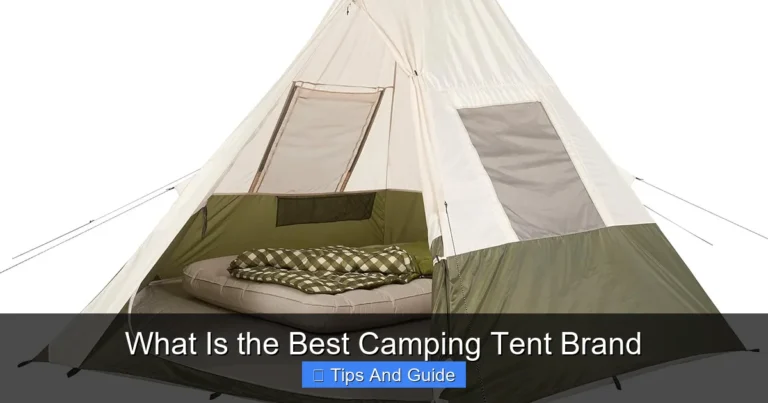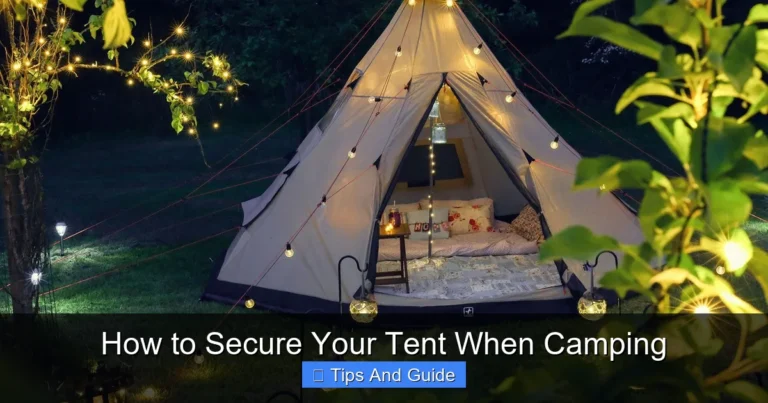
What Is the Best Tent for Camping
Choosing the best tent for camping depends on your needs, environment, and group size. From solo adventurers to large families, the ideal tent balances durability, space, weather resistance, and ease of setup. This guide breaks down everything you need to know.
Key Takeaways
- Match tent size to your group: Choose a tent rated for one more person than your group size for comfort.
- Weather matters: 3-season tents work for most conditions, but 4-season tents are essential for snow and high winds.
- Material and build quality count: Look for ripstop nylon or polyester with strong poles and waterproof coatings.
- Ventilation prevents condensation: Mesh panels and adjustable vents keep air flowing and reduce moisture buildup.
- Ease of setup saves time: Instant or pop-up tents are great for beginners or quick campsite arrivals.
- Weight and portability matter for backpacking: Ultralight tents are key for long hikes, while car campers can prioritize space.
- Extra features enhance comfort: Gear lofts, vestibules, and room dividers improve organization and livability.
📑 Table of Contents
What Is the Best Tent for Camping? A Complete Guide
So, you’re planning your next camping trip—maybe a weekend in the woods, a beach getaway, or a family adventure in the mountains. One of the first things you’ll need is a reliable tent. But with so many options on the market, how do you know which one is right for you?
The truth is, there’s no single “best” tent for everyone. The best tent for camping depends on your specific needs: how many people are sleeping, where you’re going, what the weather will be like, and how you’re getting there. A solo backpacker hiking the Pacific Crest Trail needs a completely different tent than a family of five heading to a national park for a summer vacation.
In this guide, we’ll walk you through the key factors to consider when choosing a tent. We’ll cover everything from size and weight to materials and weather resistance. By the end, you’ll know exactly what to look for—and maybe even discover your perfect match.
Understand Your Camping Style
Before you even look at tent models, take a moment to think about how you camp. Are you a weekend warrior who drives to established campgrounds? Or are you a minimalist backpacker covering 15 miles a day? Your camping style will heavily influence your tent choice.
Backpacking vs. Car Camping
If you’re backpacking, weight and packability are your top priorities. Every ounce counts when you’re carrying everything on your back. That’s why backpackers often choose ultralight tents made from thin, durable fabrics and compact aluminum poles. These tents are smaller, lighter, and designed to be carried for miles.
On the other hand, car campers have the luxury of space. You can bring a bigger, heavier tent with more features—like extra rooms, large vestibules, and even built-in lighting. Comfort and convenience become more important than saving weight. For example, a best 6 person tent for car camping offers ample space for families or groups who want room to stretch out.
Solo, Couples, or Family Camping
Your group size also plays a big role. A solo camper might be happy with a compact 1-person tent, while a couple might prefer a 2-person model with a little extra space. Families, however, often need larger setups. A best 6 person tent for family camping typically includes multiple rooms, gear storage areas, and even a front door that doubles as a sheltered porch.
Key Features to Look For
Once you know your camping style, it’s time to dive into the details. Not all tents are created equal, and certain features can make or break your experience in the wild.
Size and Capacity
Tent sizes are usually labeled by the number of people they can sleep. But here’s a pro tip: always size up. A 3-person tent is often just enough for three people—with no room for gear. For comfort, many campers choose a tent rated for one more person than their group size. So, if you’re camping with two friends, consider a best 3 person tent for camping that offers a little breathing room.
Weather Resistance
Weather is one of the biggest factors in tent performance. Most tents fall into two categories: 3-season and 4-season.
3-season tents are designed for spring, summer, and fall. They offer great ventilation, mesh panels, and waterproof floors—perfect for mild to moderate conditions. They’re lightweight and breathable, making them ideal for most campers.
4-season tents, on the other hand, are built for harsh conditions like snow, high winds, and heavy rain. They have stronger frames, fewer mesh areas, and more robust rainflies. If you’re planning a winter camping trip or heading into the mountains, a 4-season tent is a must. Check out our guide on the best tent for the winter for top recommendations.
Materials and Durability
The materials used in your tent affect everything from weight to longevity. Look for ripstop nylon or polyester for the tent body—these fabrics resist tearing and are lightweight. The rainfly should have a high hydrostatic head rating (at least 1,500mm) to ensure it repels rain effectively.
Poles are another critical component. Aluminum poles are strong, lightweight, and resistant to rust—ideal for most campers. Fiberglass poles are cheaper but can snap in high winds. For extreme conditions, consider tents with DAC Featherlite NSL poles, which are used in many high-end models.
Ventilation and Condensation Control
Nothing ruins a camping trip faster than waking up to a damp tent. Condensation happens when warm, moist air from breathing meets the cold inner wall of the tent. To prevent this, look for tents with mesh panels, adjustable vents, and a well-designed rainfly that allows airflow even when it’s zipped up.
Some premium tents even feature dual-layer designs, where the inner tent and rainfly are separate, allowing you to pitch just the inner tent in dry weather for maximum airflow.
Ease of Setup and Portability
Let’s be honest—no one wants to spend 30 minutes wrestling with a tangled mess of poles and fabric after a long day of hiking. That’s why ease of setup is a huge factor.
Instant and Pop-Up Tents
Instant tents, sometimes called “pop-up” or “quick-pitch” tents, are designed to go up in under two minutes. They use pre-attached poles that snap into place, making them perfect for beginners or families who want to minimize setup time. Brands like Coleman and CORE offer reliable instant models that are great for car camping.
Just keep in mind that while these tents are convenient, they’re often heavier and less packable than traditional designs. They’re best suited for casual campers who value speed over weight savings.
Packed Size and Weight
If you’re backpacking, every inch and ounce counts. Look for tents that pack down small and weigh under 3 pounds per person. Ultralight tents often use single-wall designs or minimalist footprints to save weight, but they may sacrifice some comfort or ventilation.
For car campers, packed size is less of an issue. You can prioritize features like headroom, storage pockets, and room dividers without worrying about how it all fits in your trunk.
Specialized Tents for Unique Needs
Sometimes, standard tents just won’t cut it. Whether you’re camping on the beach, in the snow, or with a bike in tow, there’s a specialized tent designed for your adventure.
Beach and Windy Conditions
Sand, wind, and sun require a different kind of tent. Look for models with sand pockets, heavy-duty stakes, and UV-resistant fabric. The best tent for windy beach camping will have a low profile, strong guylines, and a full-coverage rainfly to block wind and sand.
Bikepacking and Ultralight Adventures
Bikepackers need tents that are not only light but also compact enough to fit on a bike frame. The best bike tent for camping is often a single-wall, trekking pole-supported design that minimizes weight and maximizes packability.
Rain and Tropical Climates
Wet weather demands a tent with superior waterproofing. Look for fully taped seams, a bathtub-style floor, and a steeply angled rainfly. The best tent for rain camping will keep you dry even during a downpour, with excellent drainage and ventilation to prevent interior condensation.
Final Tips for Choosing the Right Tent
Now that you know what to look for, here are a few final tips to help you make the best choice:
- Read real user reviews: Manufacturer specs can be misleading. Look for feedback from campers who’ve used the tent in real conditions.
- Test it at home: Before your trip, set up your tent in the backyard. You’ll learn how it works and catch any missing parts.
- Invest in a footprint: A ground cloth protects the tent floor from rocks and moisture, extending its life.
- Consider accessories: Gear lofts, lantern hooks, and vestibule organizers can make your tent feel more like home.
Ultimately, the best tent for camping is the one that fits your lifestyle, keeps you comfortable, and stands up to the elements. Whether you’re chasing solitude in the backcountry or hosting a family reunion under the stars, the right tent makes all the difference.
Frequently Asked Questions
What size tent do I need for two people?
For two people, a 3-person tent is ideal. It provides enough space for both sleepers and their gear. A 2-person tent can feel cramped, especially if you’re camping for multiple nights.
Can I use a 3-season tent in the winter?
It’s not recommended. 3-season tents aren’t built to handle snow loads or high winds. For winter camping, choose a 4-season tent designed for extreme conditions.
How do I keep my tent from getting wet inside?
Ensure the rainfly is properly secured and covers all mesh areas. Avoid drying wet gear inside the tent, and use a footprint to prevent ground moisture from seeping up.
Are instant tents durable?
Many instant tents are durable and great for casual use, but they may not hold up as well in high winds or long-term use compared to traditional dome or tunnel tents.
What’s the difference between single-wall and double-wall tents?
Single-wall tents are lighter and pack smaller but can suffer from condensation. Double-wall tents have a separate inner and rainfly, offering better ventilation and moisture control.
Do I need a tent with a vestibule?
A vestibule is highly recommended. It provides covered storage for boots, packs, and wet gear, keeping the interior clean and dry—especially useful in rain or snow.