What Is the Best Camping Tent Brand
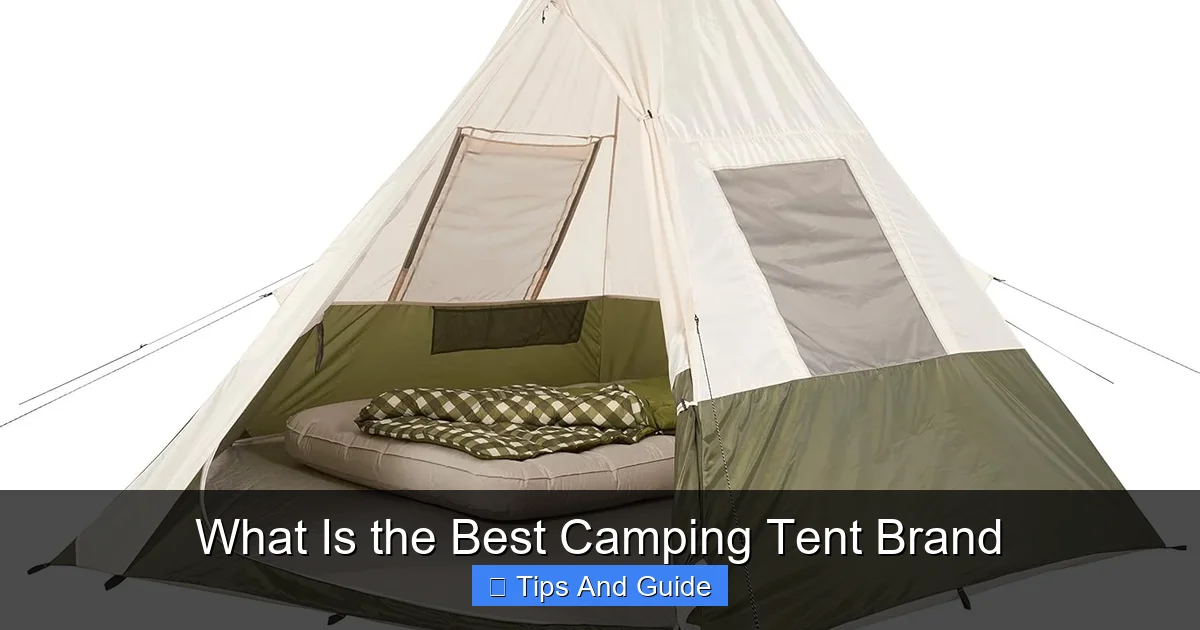
Choosing the best camping tent brand depends on your needs, budget, and camping style. This guide breaks down top brands like Coleman, REI, MSR, and more to help you pick the perfect shelter. Whether you’re backpacking or car camping, we’ve got expert tips and real-world insights.
So, you’re planning your next camping trip and wondering: What is the best camping tent brand? You’re not alone. With so many options on the market—ranging from budget-friendly pop-ups to high-end four-season shelters—it’s easy to feel overwhelmed. The truth is, there’s no single “best” brand for everyone. The right choice depends on where you camp, how often you go, and what matters most to you: weight, space, durability, or price.
Let’s be honest—nobody wants to wake up in a puddle because their tent leaked, or struggle for an hour trying to pitch a complicated setup in the dark. That’s why choosing a reputable brand with a proven track record can make all the difference. In this guide, we’ll walk you through the top camping tent brands, what makes them stand out, and how to pick the one that fits your adventure style. Whether you’re a weekend warrior, a family camper, or a solo backpacker, we’ve got you covered.
Key Takeaways
- Brand reputation matters: Trusted brands like Coleman and MSR offer reliable, tested designs built for real outdoor conditions.
- Match the tent to your camping style: Backpackers need lightweight tents, while families prioritize space and ease of setup.
- Weather resistance is critical: Look for waterproof materials, strong poles, and sealed seams for all-weather performance.
- Ease of setup saves time: Instant tents like Coleman’s are great for beginners, while ultralight models may require more skill.
- Value isn’t always the lowest price: A slightly higher investment in a quality tent pays off in durability and comfort.
- Customer support and warranties count: Brands with strong service networks make repairs and replacements hassle-free.
- Read real user reviews: Expert opinions are helpful, but camper feedback reveals long-term performance and hidden flaws.
📑 Table of Contents
Top Camping Tent Brands Compared
When it comes to reliable outdoor gear, a few names consistently rise to the top. Let’s look at the heavy hitters in the camping tent world and what sets them apart.
Coleman: The Family Favorite
Coleman has been a household name in outdoor gear for over a century. Known for durability and user-friendly designs, Coleman tents are perfect for car campers and families. Their Coleman Sundome and Instant Setup models are popular for quick, hassle-free pitching—often in under 60 seconds. While not the lightest option for backpacking, Coleman excels in value and ease of use. If you’re comparing Coleman Instant vs Camping Tent 2 Which Is Best, you’ll find the Instant line wins for speed, while traditional models offer better storm protection.
REI Co-op: Quality Meets Community
REI is more than a retailer—it’s a co-op built by outdoor enthusiasts, for outdoor enthusiasts. Their in-house brand, REI Co-op, offers well-designed tents that balance performance and affordability. The Half Dome SL series is a favorite among backpackers for its lightweight build and smart storage features. REI also stands out for excellent customer service and a generous return policy, making it a safe bet for first-time buyers.
MSR (Mountain Safety Research): Built for the Wild
If you’re heading into harsh conditions—think snow, wind, or high altitudes—MSR is the gold standard. Their tents, like the Hubba Hubba NX, are engineered for serious adventurers. Lightweight, stormworthy, and packed with innovative features, MSR tents come at a premium price but deliver unmatched reliability. They’re a top pick for mountaineers and long-distance hikers.
Big Agnes: Innovation and Comfort
Big Agnes has carved out a niche with creative designs that maximize interior space without adding bulk. Their Copper Spur series is beloved for its near-vertical walls and lightweight materials. They also offer unique options like best camping tent off the ground solutions, including cots and elevated platforms for added comfort.
Nemo Equipment: Style and Function
Nemo brings a modern twist to tent design with bold colors, intuitive setups, and features like built-in gear lofts and vestibules. The Torch and Disco series are great for campers who want both performance and personality. Nemo also focuses on sustainability, using recycled materials in many of their products.
How to Choose the Right Tent for Your Needs
Now that you know the top brands, how do you pick the right one? It all comes down to matching the tent to your camping habits.
Backpacking vs. Car Camping
Backpackers need lightweight, compact tents that won’t weigh down their packs. Look for models under 3 pounds per person. Brands like MSR and Big Agnes dominate this space. On the other hand, car campers can prioritize space, height, and ease of setup. A best big family camping tent might be a 6- or 8-person cabin-style model from Coleman or CORE.
Seasonality and Weather Resistance
Not all tents are built for winter storms or desert heat. Three-season tents are ideal for spring, summer, and fall, while four-season models handle snow and high winds. If you camp in unpredictable weather, invest in a tent with a full-coverage rainfly, taped seams, and strong aluminum poles.
Setup Time and Ease of Use
Some tents take minutes to pitch; others require practice. Instant tents are great for beginners, but traditional dome or tunnel designs often offer better stability. If you’re new to camping, consider a model with color-coded poles and clear instructions.
Price vs. Value
A $100 tent might seem like a steal—until it leaks on night two. While you don’t need to spend $500, investing in a mid-range tent ($200–$350) from a trusted brand usually pays off. Check out our guide on the best camping tent for the money to find top performers that won’t break the bank.
What Makes a Tent Brand “The Best”?
So, what separates a good tent brand from a great one? It’s not just about materials or price—it’s about consistency, innovation, and customer trust.
Durability and Materials
Top brands use high-denier fabrics, ripstop nylon, and reinforced stitching to prevent tears. Look for waterproof ratings (measured in millimeters) of at least 1,500mm for the floor and 2,000mm for the rainfly. Aluminum poles are lighter and more corrosion-resistant than fiberglass.
Design and Innovation
The best brands constantly improve their designs. Features like vestibules for gear storage, multiple doors for ventilation, and gear lofts for organization show attention to real camper needs. Big Agnes and Nemo lead in creative layouts, while MSR focuses on weight-saving tech.
Customer Support and Warranty
A tent is a long-term investment. Brands like REI and MSR offer strong warranties and responsive customer service. If a pole breaks or a zipper fails, you want to know you’re covered.
Real User Feedback
Expert reviews are helpful, but nothing beats real-world experience. Look for patterns in customer reviews—repeated complaints about leaks or poor ventilation are red flags. Positive feedback on ease of setup or storm performance? That’s a good sign.
Common Mistakes to Avoid When Buying a Tent
Even experienced campers make errors when choosing a tent. Here are a few to watch out for:
- Buying based on price alone: The cheapest tent often costs more in the long run due to repairs or early replacement.
- Ignoring the “per person” rule: A 3-person tent is cozy for two. Always size up if you want extra space for gear or comfort.
- Overlooking ventilation: Poor airflow leads to condensation, even in dry weather. Look for mesh panels and adjustable vents.
- Skipping the footprint: A ground cloth protects the tent floor from abrasion and moisture. It’s a small cost for big protection.
- Not testing setup at home: Practice pitching your tent before your trip. You don’t want to learn the hard way in the rain.
Final Thoughts: Which Brand Is Right for You?
So, what is the best camping tent brand? The answer depends on you.
If you’re a family car camper who values quick setup and durability, Coleman is a solid choice. For backpackers tackling rugged terrain, MSR or Big Agnes offer lightweight, high-performance options. REI Co-op strikes a great balance for casual adventurers, while Nemo adds flair and modern features.
Remember, the “best” brand is the one that matches your camping style, budget, and expectations. Don’t chase the most expensive model or the flashiest ads—look for real performance, reliable materials, and positive user experiences.
Before you buy, consider reading detailed comparisons like best camping tent in the world to see how top models stack up in real conditions. And if you’re camping in specific environments—like the beach or mountains—check out specialized guides such as best beach tent camping for tailored recommendations.
Ultimately, the right tent won’t just keep you dry—it’ll make your outdoor experience more comfortable, stress-free, and fun. So take your time, do your research, and choose wisely. Your next great adventure deserves a great tent.
Frequently Asked Questions
What is the most durable camping tent brand?
MSR and Big Agnes are known for exceptional durability, especially in harsh conditions. Their tents use high-quality materials and are rigorously tested for wind, rain, and snow.
Is Coleman a good tent brand for beginners?
Yes, Coleman is excellent for beginners. Their instant setup tents are easy to pitch, and the brand offers great value for casual and family campers.
What’s the best tent brand for backpacking?
MSR, Big Agnes, and REI Co-op are top choices for backpacking. They offer lightweight, compact tents designed for long hikes and minimal pack weight.
How much should I spend on a camping tent?
A good mid-range tent costs between $200 and $350. While budget options exist, investing in quality ensures better weather protection and longer lifespan.
Do expensive tents last longer?
Generally, yes. Higher-priced tents use better materials, stronger poles, and superior craftsmanship, which leads to longer durability and better performance over time.
Can I use a 3-season tent in winter?
It’s not recommended. Three-season tents aren’t designed for heavy snow or strong winds. For winter camping, choose a four-season tent from brands like MSR or Black Diamond.