What Is the Beach Shade That Blows in the Wind
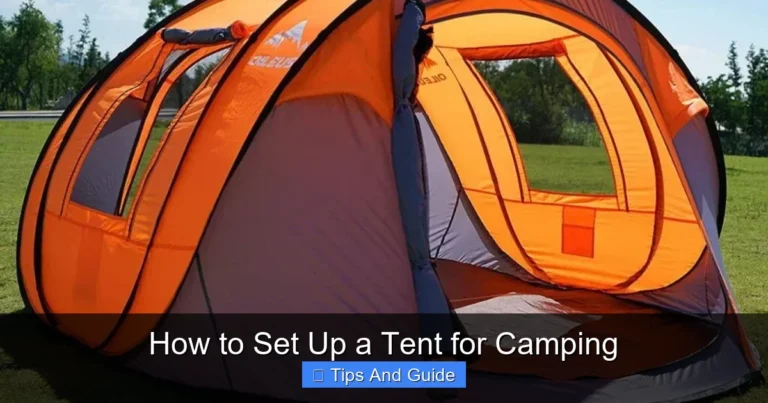
If you’ve ever watched a beach shade flap wildly or collapse in a sudden gust, you’re not alone. The “beach shade that blows in the wind” usually refers to lightweight, poorly anchored pop-up tents or canopies that lack proper stability. With the right design and setup, however, you can enjoy shade without the stress.
Key Takeaways
- It’s often a pop-up beach tent or canopy: Most wind-blown beach shades are lightweight, instant-setup models that prioritize convenience over wind resistance.
- Poor anchoring is the main culprit: Even the best beach shade will fail if it’s not securely staked or weighted down.
- Wind-resistant designs exist: Look for low-profile shapes, aerodynamic frames, and reinforced corners to reduce wind lift.
- Sand anchors and weights help: Using sandbags, screw-in stakes, or heavy-duty anchors dramatically improves stability.
- Placement matters: Setting up behind natural windbreaks or at an angle to the wind can reduce stress on your shade.
- Not all beach shades are equal: Some models, like the best beach shade tent for wind, are specifically engineered for breezy conditions.
- DIY fixes can save the day: Adding guy lines, extra stakes, or even a second layer of fabric can boost performance in windy spots.
📑 Table of Contents
- What Exactly Is the “Beach Shade That Blows in the Wind”?
- Why Do Beach Shades Blow Away So Easily?
- How to Choose a Wind-Resistant Beach Shade
- Pro Tips for Keeping Your Beach Shade Secure
- Top Beach Shade Options That Actually Stay Put
- When to Avoid Using a Beach Shade Altogether
- Final Thoughts: Stability Over Speed
What Exactly Is the “Beach Shade That Blows in the Wind”?
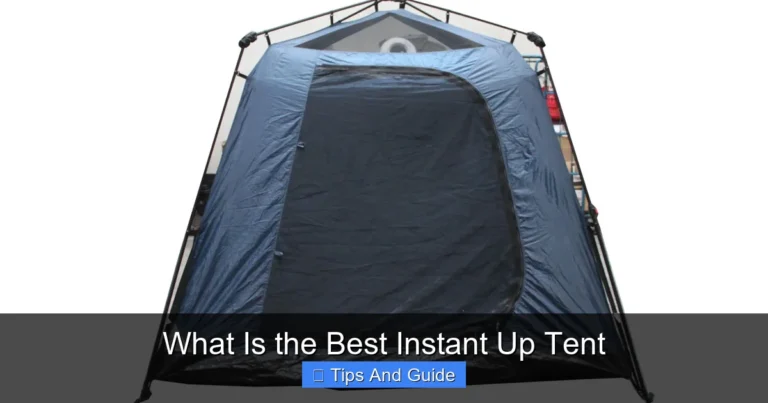
You’ve probably seen it happen: a family unfolds their bright blue beach tent, pops it up in seconds, and within minutes, a strong gust sends it tumbling down the sand like a runaway kite. That’s the classic “beach shade that blows in the wind”—a frustrating but common experience for beachgoers who underestimate coastal breezes.
This phrase usually refers to lightweight, pop-up beach tents or canopies that are designed for quick setup and portability but lack the structural strength or anchoring system needed to withstand even moderate winds. They’re often made from thin fabric, have flexible fiberglass poles, and rely on small stakes that easily pull out of loose sand. While convenient, these shades can become airborne hazards if not properly secured.
Why Do Beach Shades Blow Away So Easily?
Lightweight Construction
Most budget-friendly beach shades prioritize ease of carry and fast deployment. That means lighter materials—thin polyester or nylon fabric, collapsible fiberglass frames, and minimal hardware. While great for packing light, these features also make them vulnerable to wind. A strong breeze can catch the large surface area of the canopy and lift the entire structure right off the ground.
Poor Anchoring Systems
Many beach shades come with flimsy stakes or no stakes at all, expecting users to weigh them down with bags or towels. But sand is loose and shifts easily, so standard stakes often don’t hold. Without proper anchoring—like screw-in sand anchors or heavy sandbags—even a mild wind can destabilize your shade.
High-Profile Design
Tall, boxy beach tents act like sails in the wind. The higher the walls and the larger the footprint, the more wind resistance they create. Low-profile designs, on the other hand, sit closer to the ground and allow wind to flow over them rather than under, reducing lift.
How to Choose a Wind-Resistant Beach Shade
Not all beach shades are doomed to fly away. In fact, several models are specifically built to handle windy beach conditions. When shopping, look for these key features:
Aerodynamic Shape
Opt for dome-shaped or wedge-style tents that cut through the wind rather than catching it. Models with sloped roofs and minimal vertical walls perform better in breezy environments. For example, the Shibumi Shade 3.0 uses a sleek, low-to-the-ground design that resists tipping.
Reinforced Frame and Fabric
Look for shades with steel or reinforced aluminum frames instead of all-fiberglass. Thicker, ripstop fabric also adds durability and reduces flapping, which can weaken seams over time. Some premium models include double-stitched seams and UV-resistant coatings for added longevity.
Built-In Anchoring Options
The best beach shades include multiple anchor points—usually four or more—with reinforced grommets or loops. This allows you to secure each corner individually using sand stakes, weights, or guy lines. Some even come with sand pockets built into the base, which you fill on-site for instant stability.
Pro Tips for Keeping Your Beach Shade Secure
Even the most wind-resistant shade needs proper setup. Here’s how to keep yours grounded:
Use the Right Anchors
Skip the tiny metal stakes that come in the box. Instead, invest in screw-in sand anchors or heavy-duty J-hooks designed for soft terrain. These dig deeper and hold tighter. For extra security, combine anchors with sandbags placed at each corner. You can buy specialized beach sandbags or use reusable grocery bags filled with sand.
Angle Your Shade Against the Wind
Position your shade so one corner faces into the wind, rather than having a broad side exposed. This reduces the surface area catching the breeze and helps wind flow around the structure instead of under it.
Take Advantage of Natural Windbreaks
Set up behind dunes, large rocks, or even a parked car if allowed. These natural barriers deflect wind and create a calmer microclimate for your shade. Just be mindful of local regulations—some beaches prohibit setups near protected dunes.
Add Guy Lines for Extra Support
If your shade doesn’t come with guy lines, consider adding them yourself. Attach ropes or bungee cords from the top corners to additional stakes placed several feet away. This creates a triangulated support system that resists lateral movement.
Top Beach Shade Options That Actually Stay Put
If you’re tired of chasing your shade down the shoreline, consider upgrading to a model known for wind resilience. The best beach shade tents combine smart design with practical anchoring solutions.
For example, the best beach canopy tent for wind often features a hybrid design—part tent, part canopy—with adjustable height and reinforced corners. These are ideal for families who want both coverage and stability.
Another standout is the Oileus XX, which includes oversized sand pockets and a low-profile frame that hugs the ground. It’s frequently compared favorably against traditional pop-up tents in windy conditions.
When to Avoid Using a Beach Shade Altogether
Sometimes, the weather just isn’t cooperative. If winds exceed 15–20 mph, even the sturdiest beach shade may struggle. In these cases, consider alternatives like umbrellas with heavy bases, portable cabanas with weighted legs, or simply seeking natural shade under trees or cliffs (where available).
Also, always check local beach rules. Some areas restrict large structures during high-wind days for safety reasons. And remember: if your shade starts to lift or flap violently, take it down immediately to avoid injury or damage.
Final Thoughts: Stability Over Speed
The “beach shade that blows in the wind” doesn’t have to be your reality. With thoughtful selection and proper setup, you can enjoy reliable sun protection without constant readjustments. Prioritize wind-resistant designs, invest in quality anchoring tools, and don’t skip the prep work—your future beach self will thank you.
Whether you’re heading to Southern California, Florida, or any breezy coastline, choosing the right shade makes all the difference. For more location-specific advice, check out guides like best beach tent camping in California or best beach tent camping in Florida to find models tested in real-world coastal conditions.
Frequently Asked Questions
Why does my beach tent keep blowing over?
Most beach tents blow over due to inadequate anchoring or a high-profile design that catches wind. Lightweight stakes and loose sand make it easy for gusts to lift the structure.
Can I use a regular camping tent at the beach?
While possible, regular camping tents aren’t designed for sandy, windy conditions. They often lack UV protection and sand-friendly anchors. Beach-specific shades perform better.
Do sandbags really help keep beach shades in place?
Yes! Sandbags add weight directly to the base of your shade, counteracting lift. Fill them on-site for convenience and remove them when packing up.
What’s the best way to anchor a beach shade?
Use screw-in sand anchors or heavy J-stakes at each corner, combined with sandbags or guy lines. Anchor early and check tension as winds change.
Are pop-up beach shades useless in wind?
Not necessarily—but choose models with low profiles, reinforced frames, and multiple anchor points. Avoid tall, boxy designs in breezy locations.
How do I know if a beach shade is wind-resistant?
Look for features like aerodynamic shapes, steel or reinforced frames, built-in sand pockets, and reviews mentioning performance in wind. Check comparison guides like Shibumi Shade 3.0 vs beach tent for real-user insights.