What Is the Average Size of a Tent
The average size of a tent varies by type, but most standard camping tents range from 70 to 120 square feet, comfortably fitting 2–6 people. Choosing the right size depends on your group, gear, and intended use—whether backpacking, car camping, or hosting events.
When you’re planning your next outdoor adventure—whether it’s a weekend camping trip, a beach day with friends, or a backyard sleepover—one of the first things you’ll need to decide is: *What size tent do I really need?* It’s easy to assume that a “4-person tent” means four people can sleep comfortably inside. But the reality is a bit more nuanced. The average size of a tent isn’t just about how many bodies fit—it’s about comfort, gear storage, weather protection, and how you plan to use the space.
Tents come in all shapes and sizes, from ultra-light backpacking models that weigh under 3 pounds to massive event tents that can host hundreds. But for most casual campers, the sweet spot lies somewhere between 70 and 120 square feet. That’s enough room for a small family or a couple who want space for their bags, a small table, or even a pet. Understanding the average size of a tent—and what that means for your experience—can make the difference between a cozy night under the stars and a cramped, uncomfortable ordeal.
So, let’s break it down. In this guide, we’ll explore the different types of tents, their typical dimensions, and how to choose the right one based on your needs. Whether you’re hiking deep into the wilderness or setting up camp near your car, knowing what to expect in terms of size will help you pack smarter and sleep better.
Key Takeaways
- Tent size depends on intended use: Backpacking tents are smaller (50–70 sq ft), while family or event tents can exceed 200 sq ft.
- Sleeping capacity vs. actual space: A “4-person” tent often only fits 2–3 people comfortably with gear.
- Floor area matters most: Look at floor dimensions (length x width) to understand usable space.
- Peak height affects livability: Tents with 60+ inches of headroom allow most adults to stand upright.
- Extra features add bulk: Vestibules, rooms, and gear lofts increase size but improve comfort.
- Seasonality impacts design: 3-season tents prioritize space and ventilation; 4-season tents focus on strength over size.
- Always size up: Choose a tent one size larger than your group for comfort and storage.
📑 Table of Contents
Understanding Tent Sizing: What the Numbers Really Mean
When you shop for tents, you’ll often see labels like “2-person,” “6-person,” or “10×10.” But these numbers can be misleading. Manufacturers usually base person capacity on how many sleeping bags can fit side by side—typically about 20–24 inches per person. That means a 4-person tent might technically fit four people, but only if they’re willing to sleep shoulder-to-shoulder with no room for backpacks, boots, or snacks.
The real measure of a tent’s usefulness is its **floor area**, usually listed in square feet. For example, a typical 2-person backpacking tent might have around 30–35 square feet, while a family tent for four people often ranges from 60 to 80 square feet. Some larger cabin-style tents can exceed 100 square feet, offering room to stand, move around, and even set up a small camping chair.
Another important factor is **peak height**—the tallest point inside the tent. Most adults prefer at least 60 inches (5 feet) of headroom so they can sit up comfortably. Taller campers or those who like to change clothes inside will want 72 inches or more. This is especially important in cabin tents, which are designed for car camping and often feature near-vertical walls.
Types of Tents and Their Average Sizes
Not all tents are created equal—and their sizes reflect their purpose. Let’s look at the most common types and what you can expect in terms of dimensions.
Backpacking Tents
These are built for mobility and weight savings. The average size of a tent in this category is between 25 and 40 square feet. A 2-person backpacking tent typically measures around 7 feet long by 4.5 feet wide, with a peak height of 36–42 inches. That’s cozy, but perfect for lightweight adventures where every ounce counts.
For example, the popular REI Co-op Half Dome SL 2+ has a floor area of 32 square feet and a peak height of 42 inches—enough for two people and minimal gear. These tents often include vestibules (covered areas outside the main door) for storing boots and packs, which helps keep the interior clean and clutter-free.
Car Camping and Family Tents
If you’re driving to your campsite, weight isn’t as big a concern, so these tents prioritize space and comfort. The average size of a tent for car camping ranges from 70 to 120 square feet. A 4-person family tent might be 8 feet by 8 feet (64 sq ft), while a 6-person model could be 10 feet by 10 feet (100 sq ft).
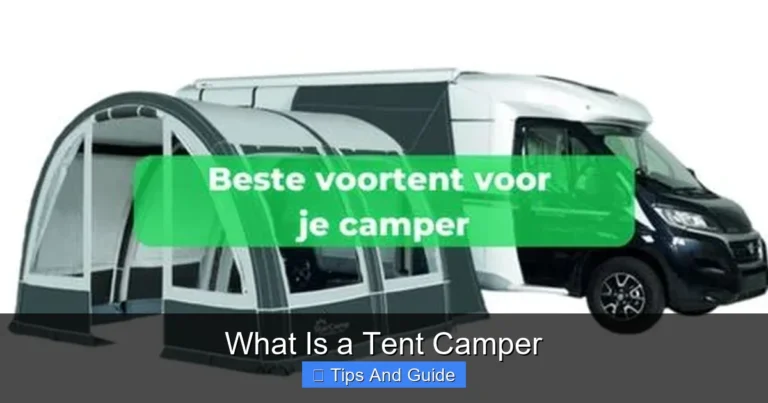
Cabin tents are a popular choice here. They have near-vertical walls, making them feel more like a room than a tent. The Coleman Sundome 4-Person Tent, for instance, offers 69 square feet and a peak height of 59 inches—just enough to sit up comfortably. For more space, the CORE 6-Person Instant Cabin Tent boasts 99 square feet and 78 inches of headroom, letting most adults stand fully upright.
Beach and Sun Shelters
These aren’t designed for sleeping but for shade and wind protection at the beach or park. The average size of a tent in this category is often 6×6 feet (36 sq ft) to 10×10 feet (100 sq ft). They’re usually low-profile, with peak heights under 5 feet, and focus on quick setup and UV protection.
For example, the Oileus XX Beach Tent offers 78 square feet and sets up in under a minute. It’s perfect for a family of four looking for shade without the bulk of a full camping tent. If you’re comparing options, check out our guide on Oileus XX vs Beach Tent: Which Is Best? to find the right fit for your sunny adventures.
Event and Party Tents
For weddings, festivals, or large gatherings, event tents can range from 10×10 feet to 30×60 feet or more. The average size of a tent for 200 guests is around 2,000–3,000 square feet, depending on seating and layout. These are not for sleeping but for shelter and ambiance.
If you’re planning a big event, our article on How Big of a Tent for 200 Guests? breaks down the math so you can plan with confidence.
How to Choose the Right Tent Size for Your Needs
Picking the right tent isn’t just about counting heads—it’s about thinking ahead. Here are some practical tips to help you choose wisely.
First, **always size up**. If you’re camping with two people, consider a 3-person tent. This gives you extra room for gear, pets, or simply stretching out. A good rule of thumb: add one person to the advertised capacity for comfort.
Second, think about **how you’ll use the space**. Do you need room to cook? Store wet clothes? Hang a lantern? If so, look for tents with multiple doors, gear lofts, or vestibules. These features add convenience without sacrificing sleeping space.
Third, consider the **season and weather**. A 3-season tent is great for spring, summer, and fall, offering good ventilation and space. But if you’re camping in winter, a 4-season tent will be smaller and more aerodynamic to withstand snow and wind. For cold-weather tips, check out our guide on the Best Way to Heat a Tent in the Winter.
Finally, don’t forget about **setup and storage**. A larger tent means more poles, more stakes, and a bigger packed size. If you’re hiking far, a compact, lightweight tent is better—even if it’s a bit snug. But if you’re car camping, go big! You’ll appreciate the extra space when it rains and everyone’s stuck inside.
Common Mistakes When Choosing Tent Size
Even experienced campers make sizing errors. Here are a few to avoid:
– **Trusting the person count blindly**: As mentioned, a “4-person” tent is often too tight for four. Always check floor area and read real user reviews.
– **Ignoring gear storage**: You’ll need space for backpacks, coolers, and shoes. Vestibules help, but only if they’re large enough.
– **Overlooking height**: If you’re over 6 feet tall, a low tent will feel claustrophobic. Look for models with 70+ inches of peak height.
– **Choosing based on price alone**: A cheap tent might save money upfront but could be smaller, flimsier, or harder to set up.
Final Thoughts: Size Matters—But So Does Comfort
The average size of a tent gives you a starting point, but your ideal tent depends on your unique needs. Whether you’re a solo hiker seeking solitude or a parent planning a family camping trip, the right size makes all the difference. Remember: it’s not just about fitting everyone in—it’s about feeling comfortable, safe, and relaxed in your outdoor home.
Take the time to measure your sleeping bags, consider your gear, and think about how you’ll use the space. And when in doubt, go a size up. You’ll thank yourself when you’re stretching out after a long day on the trail—or when the rain starts and you’ve got room to play cards inside.
With the right tent, every adventure starts with a good night’s sleep.
Frequently Asked Questions
What is the average size of a 4-person tent?
The average size of a 4-person tent is about 60 to 80 square feet, with dimensions around 8×8 feet. However, most experts recommend treating it as a 2–3 person tent for comfort, especially if you plan to bring gear.
How big is a 10×10 tent?
A 10×10 tent is 100 square feet, making it ideal for 6–8 people or a small family with plenty of gear. It’s a popular size for car camping and backyard events. For more details, see our guide on How Big Is a 10×10 Tent?.
Can one person comfortably use a 2-person tent?
Yes! A 2-person tent offers extra space for gear, a pet, or just stretching out. It’s a great choice for solo campers who want room to move without the bulk of a larger model.
What’s the smallest tent you can buy?
Ultralight backpacking tents can be as small as 20–25 square feet, designed for one person with minimal gear. These are ideal for thru-hiking or fastpacking where every ounce counts.
Do tent sizes include vestibules?
No, vestibules are not included in the floor area. They’re extra covered space outside the main tent, used for storing wet gear. Always check vestibule size if you need dry storage.
How do I measure a tent’s interior space?
Look at the product specs for floor dimensions (length x width) and peak height. Some brands also provide 3D models or interior photos to help visualize the space.