What Is Tent Aluminum Lid Mean
A tent aluminum lid refers to a protective cover made from lightweight, durable aluminum that shields the top of a tent or camping shelter. It’s commonly used in pop-up tents, beach canopies, and camping gear to improve sun protection, prevent wear, and extend the tent’s lifespan.
Have you ever set up a beach tent on a sunny day, only to notice the top fabric starting to fade or feel unusually hot? Or maybe you’ve seen a sleek, metallic cover on top of a pop-up canopy and wondered what it’s for? That’s likely a tent aluminum lid—a simple yet powerful upgrade that’s becoming increasingly popular among campers, beachgoers, and outdoor enthusiasts.
At first glance, it might seem like just a shiny cover, but a tent aluminum lid serves several important purposes. It’s not just about looks—it’s about performance, protection, and practicality. Whether you’re spending the day at the beach, hosting a backyard party, or camping under the stars, this small addition can make a big difference in comfort and durability.
In this guide, we’ll break down exactly what a tent aluminum lid means, how it works, and why it might be the smart upgrade your outdoor gear has been missing.
Key Takeaways
- Lightweight Protection: Aluminum lids are lightweight yet strong, adding minimal weight while offering excellent durability.
- Enhanced Sun and Heat Resistance: The reflective surface helps deflect UV rays and reduce heat buildup inside the tent.
- Weatherproofing: Acts as a barrier against rain, wind, and debris, improving overall weather resistance.
- Easy to Install and Remove: Most aluminum lids are designed for quick setup, often attaching via clips or Velcro.
- Prolongs Tent Lifespan: Protects the original fabric from fading, tearing, and UV degradation over time.
- Versatile Use: Commonly found on beach tents, pop-up canopies, and camping shelters for added functionality.
- Eco-Friendly Option: Aluminum is recyclable and long-lasting, making it a sustainable choice for outdoor gear.
📑 Table of Contents
What Is a Tent Aluminum Lid?
A tent aluminum lid is a protective cover made from thin, lightweight aluminum material that fits over the top of a tent, canopy, or shelter. It’s typically designed to snap, clip, or Velcro onto the existing fabric roof of the structure. The main goal? To add an extra layer of defense against the elements—especially the sun.
Think of it like putting a hat on your tent. Just as a hat shields your head from UV rays and heat, an aluminum lid protects the tent’s fabric from direct sunlight, rain, and debris. It’s most commonly used on pop-up beach tents, camping canopies, and portable shelters where the roof is exposed for long periods.
Common Materials and Design
Most tent aluminum lids are made from anodized aluminum or aluminum-coated polyester. These materials are chosen because they’re:
- Lightweight—adding almost no extra bulk
- Corrosion-resistant—ideal for beach and humid environments
- Reflective—helping to bounce back sunlight and heat
- Durable—able to withstand wind, light rain, and frequent use
The design is usually simple: a flat or slightly domed sheet that matches the shape of the tent’s roof. Some models come with reinforced edges or grommets for secure attachment, while others use elastic bands or magnetic clips for easy setup.
Why Use a Tent Aluminum Lid?
You might be wondering: “Do I really need one?” The short answer is—yes, especially if you spend a lot of time outdoors. Here’s why adding a tent aluminum lid can be a game-changer.
Superior Sun Protection
One of the biggest benefits is UV protection. Regular tent fabric can absorb and trap heat, making the interior uncomfortably hot—even on mild days. An aluminum lid reflects sunlight instead of absorbing it, significantly lowering the temperature underneath.
For example, on a 75°F (24°C) day, a tent without a lid can feel like 90°F (32°C) inside due to heat buildup. With an aluminum lid, that temperature can drop by 10–15 degrees, making it much more comfortable for lounging, napping, or storing gear.
Extended Tent Lifespan
Sun exposure is one of the main causes of fabric degradation. Over time, UV rays break down fibers, causing colors to fade and materials to weaken. By shielding the roof with an aluminum lid, you reduce direct sun contact, helping your tent last longer.
This is especially important for beach tents, which are often used in high-UV environments. A lid can prevent premature wear, saving you money on replacements.
Improved Weather Resistance
While not fully waterproof on its own, an aluminum lid adds a layer of protection against light rain, wind, and blowing sand. It helps keep the main fabric dry and reduces the risk of water pooling on the roof—a common issue with flat-top tents.
Some advanced models even feature a waterproof coating or are designed to channel rainwater away from the edges, improving overall performance in wet conditions.
Where Is a Tent Aluminum Lid Used?
You’ll most commonly find tent aluminum lids on:
- Beach tents and pop-up canopies
- Camping shelters and instant tents
- Outdoor event tents (e.g., backyard parties, festivals)
- Kids’ play tents and adventure gear
They’re especially popular in coastal areas where sun and salt air can quickly damage fabric. Many beachgoers use them to protect their shade structures during all-day outings.
Real-World Example: Beach Day Comfort
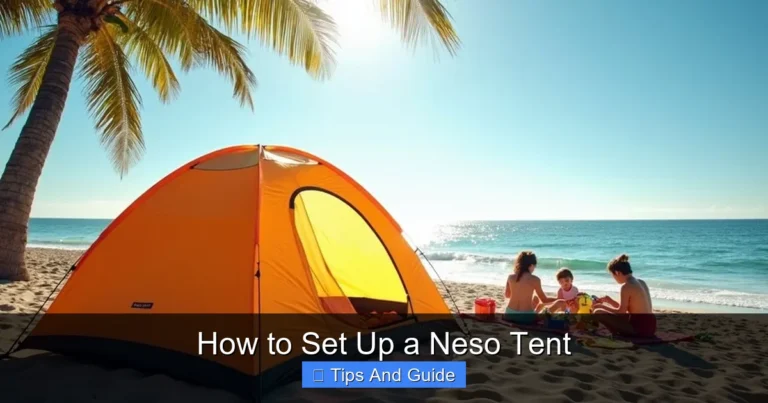
Imagine setting up your favorite beach tent—like the popular Oileus XX beach tent—on a sunny Saturday. Without a lid, the interior heats up fast, and the fabric starts to fade after a few seasons. But with an aluminum lid, you get cooler shade, better UV protection, and a tent that looks newer for longer.
It’s a small investment that pays off in comfort and durability.
How to Choose the Right Tent Aluminum Lid
Not all aluminum lids are created equal. Here’s what to look for when shopping:
Size and Fit
Make sure the lid matches the dimensions of your tent’s roof. Most manufacturers offer lids in standard sizes (e.g., 6×6 ft, 8×8 ft, 10×10 ft). Check your tent’s specs or measure the top surface before buying.
Attachment Method
Look for lids with secure, easy-to-use fastening systems. Velcro straps, elastic edges, and snap buttons are common. Avoid models that require complicated assembly—you want something you can pop on in seconds.
Material Quality
Choose lids made from high-grade aluminum or aluminum-coated fabric. Avoid thin, flimsy materials that can tear or dent easily. A good lid should feel sturdy but still lightweight.
Reflective Coating
Opt for a lid with a high-reflectivity finish. This maximizes heat deflection and sun protection. Some even come with a silver or mirrored surface for enhanced performance.
Portability
If you’re camping or traveling, consider how easy it is to pack. Foldable or rollable lids are ideal for saving space in your gear bag.
Installation and Maintenance Tips
Installing a tent aluminum lid is usually straightforward, but a few tips can help ensure a perfect fit and long life.
Step-by-Step Setup
- Unfold the lid and lay it flat over the tent’s roof.
- Align the edges with the tent frame.
- Secure using the provided clips, Velcro, or straps.
- Adjust for a snug fit—no loose flaps that could catch wind.
Always install the lid before exposing the tent to strong sun or wind. This prevents unnecessary stress on the fabric.
Cleaning and Storage
To keep your lid in top shape:
- Rinse with fresh water after beach use to remove salt and sand.
- Let it dry completely before folding to prevent mold.
- Store in a breathable bag—avoid plastic, which can trap moisture.
- Inspect regularly for tears or loose fittings.
With proper care, a quality aluminum lid can last for years.
Frequently Asked Questions
Many people have questions about tent aluminum lids. Let’s clear up some common ones.
Does an aluminum lid make the tent hotter?
No—it actually does the opposite. The reflective surface bounces sunlight away, reducing heat buildup inside the tent. It’s one of the most effective ways to keep your shelter cool.
Can I use an aluminum lid on any tent?
Most lids are designed for specific tent models or standard sizes. Check compatibility before buying. Some universal-fit options are available for common canopy sizes.
Is it waterproof?
Not entirely, but it adds a layer of water resistance. For full waterproofing, pair it with a rainfly or waterproof canopy top.
Will it blow away in the wind?
A properly secured lid with strong clips or straps should stay in place. Always anchor your tent and lid during windy conditions.
Can kids use tents with aluminum lids?
Absolutely. In fact, the added sun protection makes them safer for children. Just ensure the lid is securely attached to avoid accidents.
Are they worth the cost?
Yes—especially for frequent outdoor users. The added comfort, protection, and longevity make it a smart investment.
Final Thoughts
A tent aluminum lid might seem like a small accessory, but its impact is anything but minor. From keeping you cool under the sun to protecting your tent from wear and tear, it’s a simple upgrade with big benefits.
Whether you’re lounging at the beach, camping in the woods, or hosting a backyard event, this lightweight cover can enhance your outdoor experience. It’s affordable, easy to use, and environmentally friendly—making it a win-win for adventurers of all kinds.
So next time you’re shopping for a new beach tent—like the Gorich beach tent or a Coleman instant tent—consider adding an aluminum lid to your setup. Your future self (and your tent) will thank you.
Frequently Asked Questions
What is a tent aluminum lid?
A tent aluminum lid is a protective cover made from lightweight aluminum that fits over the top of a tent or canopy. It shields the fabric from UV rays, heat, and weather, improving comfort and durability.
Does an aluminum lid keep the tent cooler?
Yes, it reflects sunlight instead of absorbing it, which reduces heat buildup inside the tent. This makes the interior significantly cooler on sunny days.
Can I use an aluminum lid on a pop-up tent?
Absolutely. Most aluminum lids are designed for pop-up tents, beach canopies, and instant shelters. Just ensure the size and attachment method match your model.
Is the lid waterproof?
It adds water resistance but isn’t fully waterproof on its own. For heavy rain, pair it with a rainfly or waterproof top layer.
How do I clean and store the aluminum lid?
Rinse with fresh water after use, let it dry completely, and store in a breathable bag. Avoid plastic to prevent moisture buildup.
Are aluminum lids eco-friendly?
Yes. Aluminum is recyclable and long-lasting, making it a sustainable choice for outdoor gear that reduces waste over time.