What Is Skin Tenting
Skin tenting is a quick test used to check hydration levels by gently pinching the skin. It’s commonly used in medical settings to assess dehydration, especially in older adults and children. Understanding this sign can help you take action early.
Key Takeaways
- Skin tenting is a sign of dehydration: When skin doesn’t snap back quickly after being pinched, it may indicate low body fluids.
- It’s a simple, non-invasive test: Anyone can perform it at home by gently lifting skin on the back of the hand or forearm.
- Common in older adults and infants: Aging and underdeveloped skin make these groups more prone to noticeable skin tenting.
- Other causes include malnutrition and certain medical conditions: Conditions like diabetes or kidney disease can affect skin elasticity.
- Prevention starts with proper hydration: Drinking enough water daily is the best way to maintain healthy skin elasticity.
- Monitor skin regularly if at risk: Older adults or those recovering from illness should check for signs of dehydration.
📑 Table of Contents
What Is Skin Tenting?
Have you ever pinched the skin on the back of your hand and noticed it stayed lifted for a few seconds instead of snapping back right away? That’s called skin tenting. It’s a simple, visual sign that your body might not have enough fluids. While it sounds a little odd, it’s actually a well-known method used by healthcare professionals to check for dehydration.
Skin tenting happens because your skin loses its natural elasticity when you’re dehydrated. Normally, skin is springy and bounces back quickly after being pinched. But when fluid levels drop, the skin becomes less resilient. This delayed return is what we call “tenting.” It’s not painful, but it’s definitely a signal worth paying attention to.
How Skin Tenting Is Tested
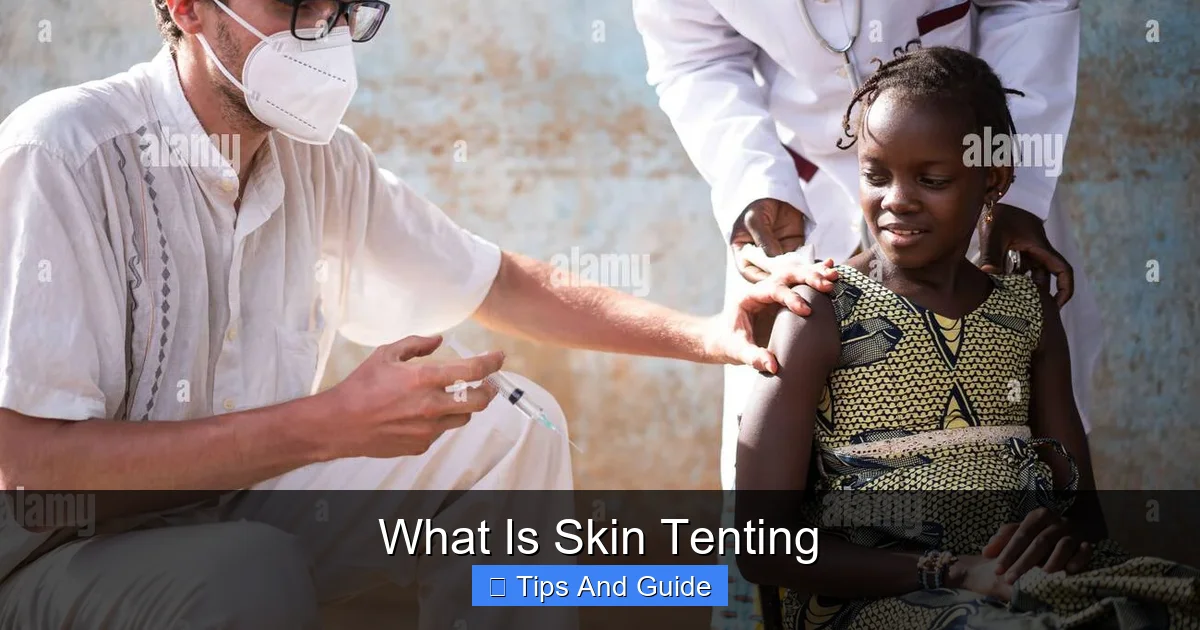
The test is easy and can be done at home or in a clinic. A healthcare provider or caregiver gently pinches a small fold of skin—usually on the back of the hand, forearm, or abdomen—and holds it for a few seconds before releasing. In well-hydrated individuals, the skin flattens out almost immediately. If it stays tented or returns slowly, it may suggest dehydration.
Where to Perform the Test
The most common areas for the skin tenting test are:
- Back of the hand: Easy to access and commonly used.
- Forearm: Offers a larger surface and is less affected by sun damage.
- Abdomen: Often used in infants and older adults where other areas may be less reliable.
It’s important to note that skin elasticity can vary with age, sun exposure, and overall health. For example, older adults naturally have less elastic skin, so results should be interpreted with care.
Why Does Skin Tenting Happen?
At its core, skin tenting is a sign that your body is running low on fluids. Water makes up about 60% of your body weight and is essential for nearly every function, including maintaining skin structure. When you’re dehydrated, your body pulls water from less critical areas, including the skin, to support vital organs like the heart and brain.
This fluid loss affects the dermis—the middle layer of your skin—which contains collagen and elastin fibers. These fibers give skin its bounce and flexibility. Without enough hydration, they can’t function properly, leading to that telltale “tent” when skin is pinched.
Other Contributing Factors
While dehydration is the main cause, other factors can contribute to skin tenting:
- Malnutrition: Lack of protein or essential nutrients weakens skin structure.
- Aging: Skin naturally loses elasticity over time, making tenting more noticeable.
- Chronic illnesses: Conditions like diabetes, kidney disease, or thyroid disorders can affect hydration and skin health.
- Medications: Diuretics and certain blood pressure drugs increase fluid loss.
For instance, someone with uncontrolled diabetes may lose excess fluids through frequent urination, increasing the risk of dehydration and skin tenting.
Who Is Most at Risk?
Certain groups are more likely to experience skin tenting due to physiological or lifestyle factors. Understanding who’s at risk can help you take preventive steps early.
Older Adults
As we age, our bodies hold less water, and our skin becomes thinner and less elastic. Older adults also have a reduced sense of thirst, which means they may not drink enough fluids even when their body needs them. This combination makes skin tenting a common sign of dehydration in seniors.
Infants and Young Children
Children have a higher surface area-to-body weight ratio, which means they lose fluids more quickly. Their skin is also still developing, so changes in elasticity are more noticeable. Parents and caregivers should watch for skin tenting, especially during hot weather or after illness.
People Recovering from Illness
Fever, vomiting, diarrhea, or excessive sweating can rapidly deplete body fluids. If you’ve been sick, even mildly, checking for skin tenting can help you know if you need to increase fluid intake.
For example, a child with a stomach bug who refuses to drink water might show signs of dehydration, including skin tenting, dry mouth, and reduced urination.
How to Prevent Skin Tenting
The good news? Skin tenting is largely preventable with simple daily habits. The cornerstone of prevention is staying hydrated, but there’s more you can do to support healthy skin.
Drink Enough Water Daily
The most effective way to prevent skin tenting is to drink plenty of fluids throughout the day. While individual needs vary, a general guideline is about 8 cups (64 ounces) of water daily. You may need more if you’re active, live in a hot climate, or are recovering from illness.
Don’t wait until you’re thirsty—thirst is already a sign of mild dehydration. Instead, sip water regularly, especially in the morning and before meals.
Eat Hydrating Foods
Many fruits and vegetables have high water content and can contribute to your daily fluid intake. Try including:
- Cucumber (96% water)
- Watermelon (92% water)
- Oranges (87% water)
- Strawberries (91% water)
These foods not only hydrate but also provide vitamins and antioxidants that support skin health.
Limit Dehydrating Beverages
Caffeine and alcohol can increase fluid loss. While moderate coffee or tea isn’t harmful, don’t rely on them as your main source of hydration. If you drink alcohol, balance each drink with a glass of water.
Use Moisturizers
While moisturizers don’t directly prevent dehydration, they help maintain the skin’s barrier and reduce water loss through the skin. Look for products with hyaluronic acid or glycerin, which attract and retain moisture.
Applying moisturizer after a shower, when the skin is still damp, can lock in hydration and improve elasticity.
When to See a Doctor
Occasional mild dehydration is common and usually easy to fix. But if skin tenting persists despite increased fluid intake, it could signal an underlying issue. Seek medical advice if you notice:
- Skin that remains tented for more than a few seconds
- Dry mouth, sunken eyes, or reduced urination
- Fatigue, dizziness, or confusion
- Rapid heartbeat or low blood pressure
These could be signs of severe dehydration or a medical condition that needs attention. For example, someone with kidney disease may not be able to retain fluids properly, leading to chronic dehydration.
Skin Tenting vs. Other Skin Conditions
It’s easy to confuse skin tenting with other skin issues, but it’s important to tell the difference. Unlike rashes, wrinkles, or sagging skin from aging, skin tenting is specifically related to hydration levels and is temporary when addressed.
For instance, wrinkles from sun damage or loss of collagen don’t change with fluid intake. But skin tenting improves quickly once you rehydrate. If you’re unsure, try drinking a glass of water and retesting in 30 minutes. If the skin bounces back faster, dehydration was likely the cause.
Final Thoughts
Skin tenting is more than just a curious skin trick—it’s a useful indicator of your body’s hydration status. While it’s often harmless and easily corrected, it can also be a red flag for more serious issues, especially in vulnerable populations. By staying aware of your fluid intake and checking your skin occasionally, you can catch dehydration early and take action.
Remember, prevention is simple: drink water regularly, eat hydrating foods, and pay attention to your body’s signals. Whether you’re caring for yourself, an aging parent, or a young child, knowing what skin tenting means empowers you to respond quickly and keep everyone healthy.
Frequently Asked Questions
What causes skin tenting?
Skin tenting is primarily caused by dehydration, which reduces the skin’s elasticity. Other factors include aging, malnutrition, and certain medical conditions like diabetes or kidney disease.
Can skin tenting happen in healthy people?
Yes, even healthy individuals can experience skin tenting if they’re mildly dehydrated, especially after exercise, hot weather, or not drinking enough water. It usually resolves quickly with rehydration.
How long does it take for skin to return to normal after rehydration?
In most cases, skin elasticity improves within 30 minutes to an hour after drinking fluids. If tenting persists, it may indicate a more serious issue and should be evaluated by a doctor.
Is skin tenting dangerous?
On its own, skin tenting isn’t dangerous, but it can signal dehydration, which can become serious if untreated. Severe dehydration may lead to dizziness, confusion, or organ stress.
Can children have skin tenting?
Yes, infants and young children are especially prone to skin tenting due to their high fluid turnover. Parents should watch for it during illness or hot weather.
Does skin tenting mean I need to go to the hospital?
Not always. Mild cases can be treated at home with fluids. But if you have other symptoms like confusion, rapid heartbeat, or no urination for 8 hours, seek medical care immediately.