What Is Needed for Tent Camping
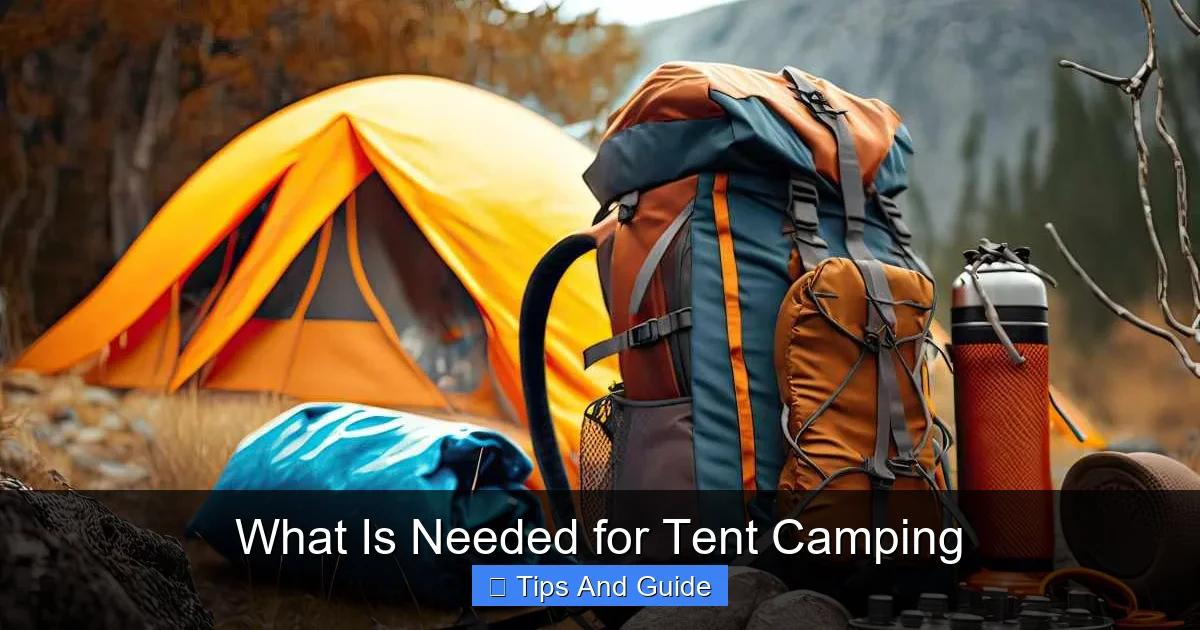
Planning your first tent camping trip? You’ll need more than just a tent and a sleeping bag. This guide covers everything from shelter and bedding to cooking tools and safety gear, so you can camp comfortably and confidently—no matter the season or location.
So, you’ve decided to give tent camping a try. Maybe you’re picturing starry skies, crackling campfires, and the smell of pine trees. That’s the dream—and it’s totally achievable. But before you head out, it’s important to know what is needed for tent camping so you don’t end up cold, hungry, or stuck in the rain with no way to cook dinner.
Tent camping is one of the most rewarding ways to connect with nature. It’s affordable, flexible, and gives you the freedom to explore remote trails, national parks, or even your local campground. But unlike staying in a hotel or cabin, you’re responsible for bringing everything you need to survive and thrive outdoors. The good news? With the right gear and a little planning, your trip can be as comfortable as it is adventurous.
In this guide, we’ll walk you through every essential item you’ll need for a safe, enjoyable tent camping experience. Whether you’re going solo, with a partner, or planning a family getaway, we’ve got you covered—from choosing the perfect tent to packing your toiletries.
Key Takeaways
- A reliable tent matched to your group size and climate is the foundation of any successful camping trip.
- Sleeping gear like air mattresses, sleeping bags, and pads ensures restful nights in the wild.
- Cooking equipment, including a portable stove, fuel, and utensils, makes meal prep easy and enjoyable.
- Lighting, navigation tools, and a first-aid kit are critical for safety and convenience after dark.
- Clothing and personal items should be weather-appropriate and packed smartly to save space and stay dry.
- Don’t forget camp chairs, tarps, and storage solutions to boost comfort and organization at your campsite.
📑 Table of Contents
1. Choosing the Right Tent
Your tent is your home away from home, so picking the right one is crucial. It needs to protect you from wind, rain, insects, and cold—while still being easy to set up and carry.
Size and Capacity
Tents are labeled by the number of people they can sleep (e.g., 2-person, 4-person). But don’t take those numbers at face value. A “2-person” tent is often tight for two adults with gear. For comfort, consider going one size up. If you’re camping with a partner, a 3-person tent gives you extra room for backpacks and movement.
Seasonality and Weather Resistance
Not all tents are built the same. 3-season tents are ideal for spring, summer, and fall—they’re lightweight and ventilated. But if you’re camping in snow or high winds, you’ll want a 4-season tent. For rainy climates, look for a tent with a full-coverage rainfly and a bathtub-style floor to keep water out. If you’re heading to the beach, check out our guide on the best tent for windy beach camping for models designed to handle sand and strong gusts.
Setup and Portability
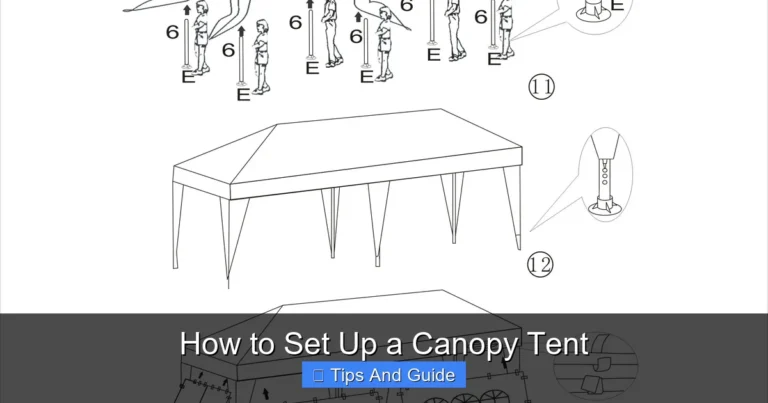
If you’re hiking to your campsite, weight and pack size matter. Ultralight backpacking tents are great for long trails. But for car camping, you can prioritize space and ease of setup. Instant tents, like the Coleman Instant Tent, can be pitched in under two minutes—perfect for families or first-timers.
2. Sleeping Gear for Comfortable Nights
A good night’s sleep is non-negotiable. Even the most beautiful campsite won’t make up for a night spent shivering on cold ground.
Sleeping Bags
Choose a sleeping bag rated for the lowest temperature you expect. A 30°F bag is fine for summer, but winter campers need something closer to 0°F. Down bags are lightweight and warm but lose insulation when wet. Synthetic bags are heavier but perform better in damp conditions.
Sleeping Pads and Air Mattresses
Sleeping directly on the ground is uncomfortable and cold. A sleeping pad adds insulation and cushioning. For extra comfort, especially on car camping trips, consider an air mattress for tent camping. These inflate easily and feel almost like a real bed—just make sure your tent has enough floor space.
Pillows and Bedding
Don’t forget a camping pillow! Compact, inflatable options are lightweight and surprisingly comfy. Some campers bring a small fleece blanket for extra warmth on chilly nights.
3. Cooking and Food Essentials
You can’t live on trail mix alone (even if it’s tempting). Cooking over a campfire is fun, but having reliable gear ensures you can eat well—rain or shine.
Portable Stove and Fuel
A compact camping stove lets you boil water, cook meals, and make coffee without relying on firewood. Propane and butane stoves are popular for their ease of use. Always bring extra fuel—better safe than sorry.
Cookware and Utensils
A basic camping cookset includes a pot, pan, spatula, and utensils. Look for nesting sets that save space. Don’t forget a can opener, knife, and cutting board if you’re prepping fresh food.
Food Storage and Coolers
Keep perishables cold with a high-quality cooler and ice packs. Use airtight containers to prevent spills and animal intrusions. Bear-proof food storage is a must in certain areas—check local regulations.
4. Lighting and Safety Gear
When the sun goes down, your campsite should stay bright and safe.
Headlamps and Flashlights
Headlamps are ideal because they leave your hands free for setting up tents or cooking. Bring extra batteries or opt for rechargeable models with USB charging.
Lanterns for Ambient Light
String up a solar-powered lantern for soft, ambient lighting around your site. It’s great for reading, playing cards, or just enjoying the evening.
First-Aid Kit and Navigation Tools
A well-stocked first-aid kit should include bandages, antiseptic, tweezers, pain relievers, and any personal medications. Also pack a map, compass, or GPS device—cell service is unreliable in the wilderness.
5. Clothing and Personal Items
What you wear matters just as much as what you bring.
Layering for Weather Changes
Dress in layers: a moisture-wicking base layer, insulating mid-layer (like fleece), and a waterproof outer shell. This system keeps you warm, dry, and adaptable.
Footwear and Extras
Sturdy hiking boots are a must. Bring camp shoes—like lightweight sandals or sneakers—for relaxing at the site. Don’t forget socks, hats, and gloves depending on the season.
Toiletries and Hygiene
Pack biodegradable soap, toothbrush, toothpaste, and toilet paper. A small trowel is useful for digging catholes if you’re in a backcountry area. For added privacy, consider a bathroom tent for camping—it’s a game-changer for late-night bathroom trips.
6. Comfort and Convenience Extras
These items aren’t strictly necessary, but they make camping way more enjoyable.
Camp Chairs and Tables
A foldable camp chair with a cup holder is worth its weight in gold. Pair it with a portable table for cooking, eating, or playing games.
Tarps and Ground Cloths
Lay a ground cloth under your tent to protect the floor. Bring a tarp to create a dry seating area or cover your gear during rain.
Entertainment and Power
Bring books, cards, or a portable speaker (keep the volume low). A power bank keeps your phone charged for photos or emergencies.
Camping isn’t about roughing it—it’s about enjoying nature on your terms. With the right gear, you can have comfort, safety, and fun all in one trip.
Frequently Asked Questions
What is the most important thing to bring when tent camping?
The most important item is a reliable, weather-appropriate tent. Without proper shelter, you’re exposed to the elements, which can lead to discomfort or even danger. Pair it with a good sleeping bag and pad for safety and rest.
Do I need a special tent for winter camping?
Yes. Winter camping requires a 4-season tent designed to withstand snow, wind, and cold temperatures. These tents have stronger poles, better insulation, and fewer vents to retain heat.
Can I use a regular air mattress in a tent?
Yes, but make sure it fits inside your tent and doesn’t puncture easily. Look for a durable, puncture-resistant air mattress for tent camping with a built-in pump for convenience.
What should I do if it rains while camping?
Set up your tent on high ground, use a tarp overhead, and keep gear in waterproof bags. A tent with a good rainfly and sealed seams will keep you dry. Avoid touching the tent walls, as moisture can seep through.
How do I keep animals away from my campsite?
Store food in bear-proof containers or hang it from a tree away from your tent. Never eat or store food inside your tent. Keep the site clean and pack out all trash.
Is it safe to camp alone?
Yes, but take extra precautions. Tell someone your plans, carry a GPS or satellite communicator, and choose well-established campsites. A tent for solo camping should be lightweight, easy to set up, and secure.