What Is Hot Tent Camping
Hot tent camping combines traditional tent camping with the warmth of a wood stove, making it ideal for cold-weather adventures. It allows campers to stay cozy in snowy or freezing conditions while enjoying the great outdoors.
Key Takeaways
- Hot tent camping uses a heated tent with a small wood stove or stove jack for warmth. This setup keeps you comfortable in freezing temperatures.
- It’s perfect for winter camping, snowshoeing, and backcountry adventures. You can camp comfortably even when it’s below freezing outside.
- Safety is critical—proper ventilation and fire-resistant materials are a must. Always follow guidelines to prevent carbon monoxide buildup or fire hazards.
- Hot tents are typically larger and heavier than standard tents. They’re designed for base camps or car camping, not ultralike backpacking.
- Popular hot tent brands include Seek Outside, Tentipi, and White Duck Canvas. These offer durable, well-ventilated options with stove compatibility.
- You’ll need a tent with a stove jack, a portable wood stove, and proper flooring. Accessories like heat reflectors and spark arrestors improve safety and efficiency.
- Hot tent camping opens up year-round outdoor adventures. No need to pack up when the snow falls—just light the stove and enjoy.
[FEATURED_IMAGE_PLACEHOLDER]
What Is Hot Tent Camping?
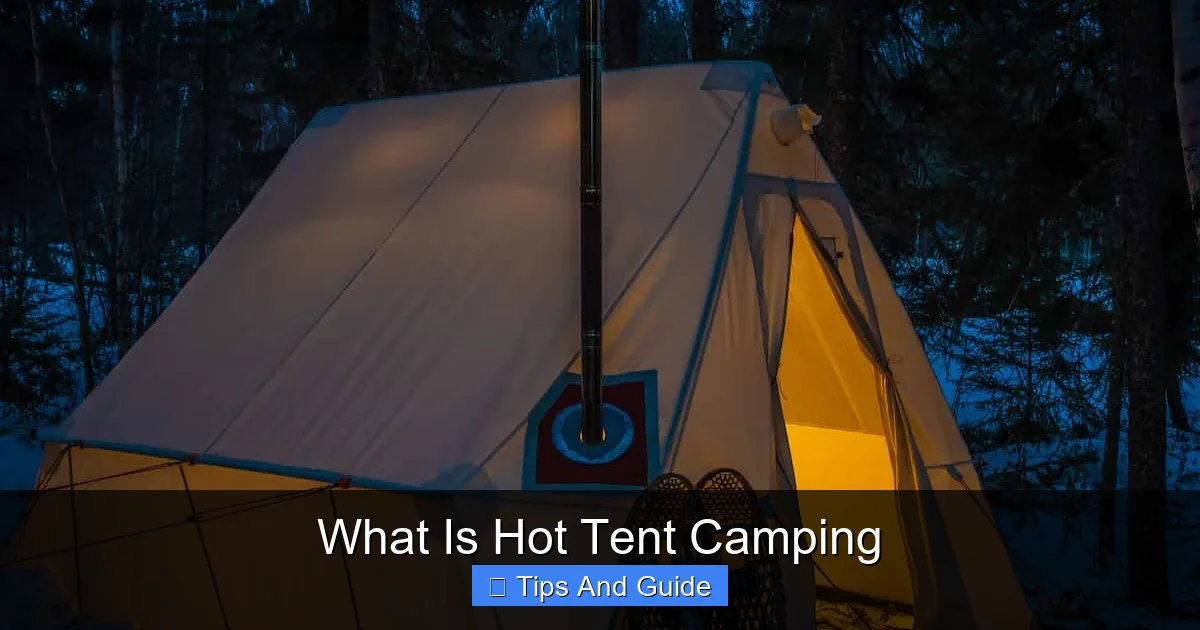
Hot tent camping is a unique style of outdoor adventure that blends the simplicity of tent camping with the cozy warmth of a wood-burning stove. Imagine setting up camp in the middle of a snowy forest, stepping into your tent, and being greeted by a toasty, wood-fired heat source. That’s the magic of hot tent camping.
Unlike traditional camping, where you rely on sleeping bags and layers to stay warm, hot tents use a small, portable wood stove connected to a stove jack—a heat-resistant opening in the tent fabric. This allows smoke to exit safely while radiating heat inside. The result? A warm, dry, and comfortable shelter even when temperatures drop well below freezing.
This method has been used for centuries by trappers, explorers, and winter adventurers. Today, it’s gaining popularity among modern campers who want to extend their outdoor seasons or experience the serenity of winter wilderness. Whether you’re into snowshoeing, ice fishing, or just escaping the summer crowds, hot tent camping makes it possible—and enjoyable.
How Does Hot Tent Camping Work?
At its core, hot tent camping relies on three key components: a specially designed tent, a portable wood stove, and proper ventilation. Let’s break it down.
The Tent: Built for Heat and Durability
Hot tents are typically made from heavy-duty materials like canvas or ripstop nylon. These fabrics are not only durable but also breathable, which helps manage moisture buildup from breathing and cooking. Most importantly, they feature a stove jack—a reinforced, heat-resistant opening near the base or wall where the stovepipe exits the tent.
Unlike standard camping tents, hot tents are often larger and have a more vertical wall design. This creates space for the stove and allows heat to circulate evenly. Some models even include built-in floors and vestibules for gear storage.
The Stove: Small but Mighty
The heart of any hot tent is the wood stove. These compact, portable stoves are designed to burn small pieces of wood efficiently. They’re usually made of steel or titanium and can heat a tent quickly—sometimes in under 20 minutes.
Stoves vary in size, but most are small enough to fit inside a 6- to 10-person tent. They often come with adjustable air vents to control burn rate and heat output. Some campers even use folding or flat-pack stoves to save space.
Ventilation and Safety
One of the biggest concerns with hot tent camping is safety. Burning wood produces carbon monoxide, so proper ventilation is non-negotiable. Most hot tents have multiple vents—near the floor and ceiling—to allow fresh air in and smoke out.
Additionally, the stovepipe must extend high enough above the tent to create a good draft. A spark arrestor on the pipe’s end prevents embers from escaping and starting a fire. Always use a fireproof mat under the stove and keep flammable items at a safe distance.
Why Try Hot Tent Camping?
So, why go through the extra effort of setting up a stove in your tent? The benefits are hard to ignore.
Stay Warm in Extreme Cold
The most obvious advantage is warmth. While a regular tent might leave you shivering at 20°F, a hot tent can keep the interior at a comfortable 60–70°F—even when it’s snowing outside. This makes winter camping not just possible, but genuinely enjoyable.
Extend Your Camping Season
With a hot tent, you’re no longer limited to spring, summer, and fall. Winter camping offers solitude, stunning snow-covered landscapes, and a sense of adventure that’s hard to match. Whether you’re in the Rockies, the Adirondacks, or the Pacific Northwest, hot tent camping lets you explore year-round.
Cook and Dry Gear Inside
A wood stove isn’t just for heat—it’s also a cooking surface. You can boil water, simmer stew, or even bake bread right inside your tent. Plus, the constant warmth helps dry wet clothes and gear overnight. No more waking up to frozen socks!
Create a Cozy Base Camp
Hot tents are ideal for multi-day trips or group adventures. They offer a central hub where everyone can gather, warm up, and share stories. It’s like having a tiny cabin in the woods—complete with a fireplace.
Essential Gear for Hot Tent Camping
To get started, you’ll need more than just a tent and a stove. Here’s a rundown of the essentials.
Hot Tent with Stove Jack
Look for a tent made from fire-resistant material with a properly installed stove jack. Popular options include canvas wall tents or modern nylon hybrids. If you’re comparing models, check out our guide on the best affordable hot tent for budget-friendly picks.
Portable Wood Stove
Choose a stove that fits your tent size and burns efficiently. Look for features like adjustable airflow, a sturdy base, and a compact design. Some campers prefer titanium for weight savings, while others opt for steel for durability.
Stovepipe and Accessories
You’ll need a stovepipe that fits your stove and extends safely through the stove jack. Include a spark arrestor, pipe brackets, and a heat shield for the floor. A fireproof mat is also essential to protect the ground beneath the stove.
Sleeping and Comfort Items
Even with a stove, you’ll want a quality sleeping pad and bag. A closed-cell foam pad underneath an inflatable one provides excellent insulation from the cold ground. For added comfort, consider an air mattress for tent camping that fits your tent’s dimensions.
Safety Gear
Never skip on safety. Bring a carbon monoxide detector, a fire extinguisher, and a first-aid kit. Always test your setup at home before heading into the backcountry.
Tips for a Safe and Comfortable Experience
Hot tent camping is rewarding, but it requires preparation. Follow these tips to stay safe and cozy.
Choose the Right Location
Pick a flat, dry spot away from overhanging branches or dry grass. Make sure there’s enough room for the stovepipe to extend safely. Avoid setting up under snow-laden trees that could drop heavy loads.
Burn Dry, Seasoned Wood
Wet or green wood creates more smoke and less heat. Bring your own firewood or gather dry, deadfall—just be sure it’s allowed in your area. A small hatchet or folding saw helps process wood into stove-sized pieces.
Monitor Airflow
Keep vents open, especially when starting the fire. Once the stove is going, you can adjust airflow to control heat. Never seal the tent completely—carbon monoxide buildup is deadly.
Use a Heat Reflector
A simple aluminum reflector behind the stove can help distribute heat more evenly. Some campers use reflective blankets or even DIY panels made from emergency blankets.
Have a Backup Heat Source
Stoves can go out, especially in high winds. Carry hand warmers, a propane heater (used outside the tent), or extra layers just in case. For tips on staying warm without a stove, check out our article on the best way to stay warm while tent camping.
Is Hot Tent Camping Right for You?
Hot tent camping isn’t for everyone—but if you love winter adventures, it might be your next big thing. It’s ideal for car campers, base campers, and those who don’t mind a bit of extra weight. However, it’s not suited for ultralight backpacking or fast-paced treks.
If you’re new to winter camping, start with a short trip close to home. Practice setting up your stove and tent in your backyard. Once you’re confident, head out to a snowy trailhead or forest campsite.
And remember: safety comes first. Always let someone know your plans, check the weather, and pack emergency supplies.
Final Thoughts
Hot tent camping transforms the winter wilderness into a warm, inviting escape. It’s a blend of old-world charm and modern outdoor innovation—perfect for anyone who refuses to let cold weather keep them indoors. With the right gear, preparation, and respect for safety, you can enjoy cozy nights under the stars, even in the dead of winter.
So gather your gear, find a quiet spot in the snow, and light that stove. Adventure—and warmth—awaits.
What is hot tent camping?
Hot tent camping is a style of camping that uses a tent equipped with a wood stove and stove jack to provide heat. It allows campers to stay warm and comfortable in cold or snowy conditions.
Is hot tent camping safe?
Yes, when done correctly. Proper ventilation, a well-installed stovepipe, and a carbon monoxide detector are essential. Always follow manufacturer guidelines and never leave a fire unattended.
Can you use a hot tent in the summer?
Technically yes, but it’s unnecessary. The stove is meant for cold weather. In summer, open vents and use the tent like a regular shelter. Some campers remove the stove and use the space for gear.
How much does a hot tent setup cost?
Costs vary, but a complete setup (tent, stove, pipe, accessories) typically ranges from $800 to $2,000+. You can save by buying used gear or building your own stove.
Do you need a special tent for hot tent camping?
Yes. The tent must have a stove jack and be made of fire-resistant material. Regular tents aren’t safe for stove use due to fire and ventilation risks.
Can one person set up a hot tent?
Yes, most hot tents are designed for solo or small-group setup. Practice at home first. Some larger models may require two people, especially in windy conditions.
This is a comprehensive guide about what is hot tent camping.
Key Takeaways
- Understanding what is hot tent camping: Provides essential knowledge
Frequently Asked Questions
What is what is hot tent camping?
what is hot tent camping is an important topic with many practical applications.