What Is a Yurt Tent
A yurt tent is a portable, circular shelter with roots in Central Asian nomadic culture. Today, modern yurts blend traditional design with durable materials for comfortable camping, glamping, or even permanent living.
Key Takeaways
- Yurt tents are circular, dome-like shelters inspired by ancient Mongolian and Central Asian nomadic homes.
- They feature a collapsible wooden frame covered with waterproof fabric, making them sturdy yet portable.
- Modern yurts are used for camping, glamping, and off-grid living due to their durability and spacious interiors.
- Setup is easier than traditional tents thanks to pre-assembled lattice walls and tension bands.
- They offer excellent ventilation and weather resistance when properly anchored and maintained.
- Yurts are eco-friendly and energy-efficient, especially when insulated for cold climates.
- Popular among outdoor enthusiasts and tiny home seekers for their unique blend of comfort and tradition.
📑 Table of Contents
What Is a Yurt Tent?
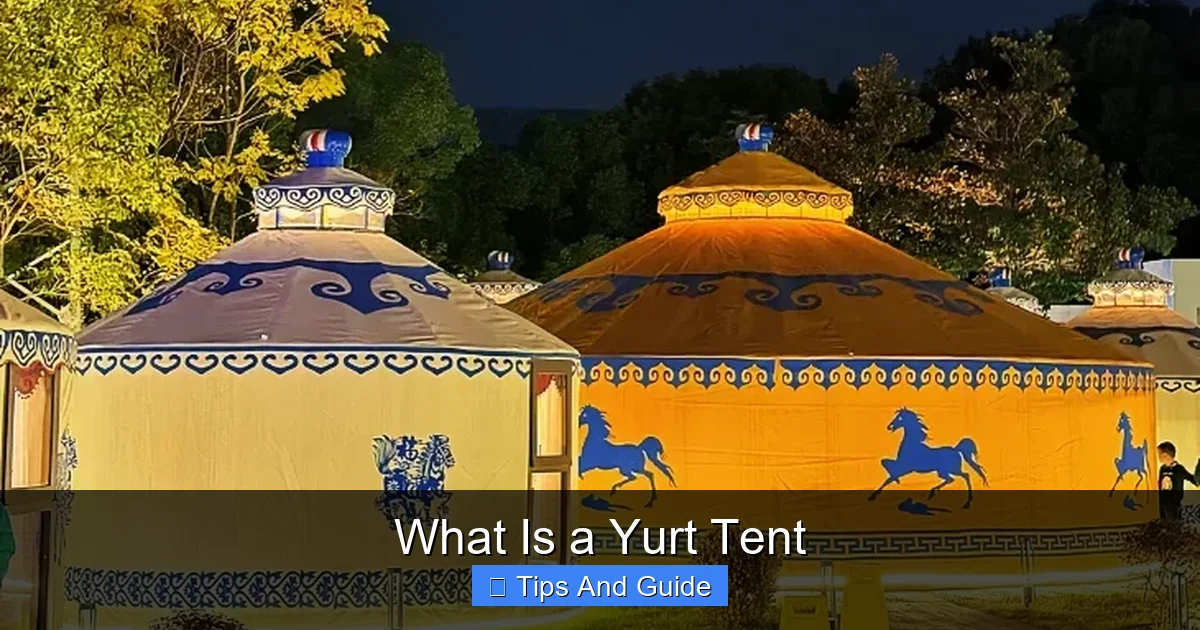
A yurt tent is a portable, circular shelter that combines ancient design with modern materials. Originally used by nomadic tribes across Mongolia, Kazakhstan, and other parts of Central Asia, the yurt has evolved into a popular choice for campers, glampers, and even off-grid homeowners. Unlike traditional dome or cabin tents, a yurt features a unique structure: a collapsible wooden frame made of lattice walls, roof poles, and a central crown, all covered with durable, weather-resistant fabric.
Today’s yurt tents are far more advanced than their historical counterparts. While they retain the iconic rounded shape and central skylight, they now use synthetic fabrics like ripstop nylon or polyester, reinforced frames, and improved insulation. This blend of tradition and innovation makes yurt tents ideal for everything from weekend camping trips to long-term living in remote areas. Whether you’re looking for a cozy retreat in the woods or a stylish backyard guesthouse, a yurt tent offers a unique and practical solution.
A Brief History of the Yurt
The yurt has been around for over 3,000 years. It was the primary dwelling for nomadic herders in the vast steppes of Central Asia. These early yurts were built to withstand harsh weather—blistering summers, freezing winters, and strong winds—while remaining lightweight enough to be moved frequently. The design was so effective that it spread across cultures and continents, influencing shelter designs from Siberia to the Middle East.
Traditional vs. Modern Yurts
Traditional yurts were covered with felt made from animal wool and secured with leather straps. They relied on natural ventilation and fire pits inside for warmth. Modern yurt tents, on the other hand, use synthetic materials that are lighter, more durable, and easier to maintain. Many now include features like zippered doors, mesh windows, and even electrical wiring for lighting and heating.
Despite these upgrades, the core principles remain the same: a circular floor plan for even weight distribution, a central roof ring for stability, and a collapsible frame for portability. This timeless design continues to inspire outdoor enthusiasts and sustainable living advocates alike.
How a Yurt Tent Is Built
Understanding the structure of a yurt tent helps explain why it’s so sturdy and efficient. The frame typically consists of three main parts: the khana (lattice walls), the uni (roof poles), and the toono (central crown or skylight). These components are connected with tension bands and secured to a circular base, often a wooden platform or ground tarp.
The Frame and Cover
The lattice walls fold like an accordion, making setup quick and easy. Roof poles radiate from the central crown to the walls, creating a dome-like shape that sheds rain and snow efficiently. The entire structure is then covered with a heavy-duty fabric shell, usually treated for UV protection and waterproofing. Some models include an inner liner for added insulation and comfort.
For example, a typical 16-foot yurt tent might weigh around 150 pounds and take two people about 30 minutes to assemble. That’s significantly faster than building a traditional cabin tent of similar size. And because the frame is rigid, there’s no need for constant re-tensioning—a common issue with pop-up or cabin tents.
Anchoring and Stability
Proper anchoring is crucial for yurt tents, especially in windy conditions. Most models come with guy lines and ground stakes, but for added security, many users install a perimeter rope system or anchor the frame to a deck. This ensures the yurt stays upright and secure, even during storms. For long-term use, some people build a permanent foundation or platform, turning the yurt into a semi-permanent structure.
Benefits of Using a Yurt Tent
Yurt tents offer several advantages over traditional camping shelters. Their circular shape provides more usable space than square tents of the same diameter. There are no wasted corners, and the open floor plan makes it easy to arrange furniture or sleeping bags. Plus, the high ceiling—often over 7 feet in the center—creates a sense of openness that’s rare in standard tents.
Weather Resistance and Durability
Thanks to their aerodynamic shape and strong frame, yurt tents handle wind, rain, and snow better than most tents. The domed roof allows snow to slide off easily, and the fabric cover is designed to repel water and resist tearing. Many yurts also include a rainfly or extra tarp layer for added protection. For those camping in extreme conditions, pairing the yurt with a ground tarp and overhead tarp can enhance waterproofing and insulation.
Ventilation and Climate Control
One of the biggest challenges with any tent is managing condensation and airflow. Yurt tents address this with multiple ventilation points: mesh windows, adjustable roof vents, and the central skylight. This constant airflow reduces moisture buildup and keeps the interior fresh. In hot weather, opening the skylight and windows creates a natural chimney effect, pulling cool air in and hot air out. For colder climates, adding insulation and a small heater can make the yurt cozy even in winter. Check out our guide on the best way to heat a tent for safe and effective options.
Eco-Friendly and Sustainable
Yurts are inherently sustainable. Their efficient use of space reduces material waste, and many modern versions use recycled or recyclable fabrics. Because they’re reusable and long-lasting, yurts have a lower environmental impact than disposable camping gear. Some people even use solar panels and composting toilets to create fully off-grid yurt homes.
Common Uses for Yurt Tents
While yurts are often associated with camping, their versatility makes them suitable for many applications. Glampers love them for their spacious interiors and rustic charm. They’re also popular at festivals, yoga retreats, and outdoor weddings. Some families use yurts as backyard offices, guest rooms, or meditation spaces.
Camping and Backpacking
For campers, a yurt tent offers a comfortable upgrade from standard tents. It’s roomy enough for a small group and sturdy enough for multi-day trips. However, due to their size and weight, yurts are better suited for car camping than backpacking. If you’re planning a trip and need to pack efficiently, learn the best way to pack a tent to save space and avoid damage.
Glamping and Luxury Camping
Glamping—glamorous camping—has surged in popularity, and yurts are a top choice. Many glamping sites feature furnished yurts with real beds, lighting, and even mini-fridges. The aesthetic is cozy yet elegant, blending nature with comfort. Whether you’re hosting a romantic getaway or a family adventure, a yurt tent adds a touch of magic to any outdoor experience.
Off-Grid and Tiny Living
More people are turning to yurts as tiny homes or off-grid cabins. With proper insulation, heating, and utilities, a yurt can be a full-time residence. They’re often cheaper and faster to build than traditional houses, and their circular design promotes energy efficiency. Some jurisdictions even allow yurts as accessory dwelling units (ADUs), making them a legal and affordable housing option.
Tips for Choosing and Using a Yurt Tent
Not all yurt tents are created equal. When shopping, consider size, material, ease of setup, and intended use. A 12-foot yurt works well for two people, while a 20-footer can sleep up to eight. Look for ripstop fabric, reinforced seams, and a sturdy frame. Reading reviews and watching setup videos can help you pick the right model.
Setup and Maintenance
Even though yurts are easier to assemble than many tents, practice makes perfect. Set it up at home before your trip to avoid surprises. Always use a ground tarp to protect the floor, and store the yurt dry to prevent mold. Regular cleaning and re-waterproofing will extend its life. For tips, see our guide on the best way to re-waterproof a tent.
Safety and Comfort
Ensure your yurt is properly anchored, especially in windy areas. Use LED lights instead of open flames for safety, and never leave heaters unattended. For a good night’s sleep, add a foam pad or air mattress. And if you’re camping in cold weather, layer up and use a high-quality sleeping bag. For more advice, read about the best way to stay warm in a tent.
Conclusion
A yurt tent is more than just a shelter—it’s a blend of history, design, and practicality. Whether you’re a weekend camper, a glamping enthusiast, or dreaming of an off-grid lifestyle, a yurt offers a unique and rewarding experience. Its circular shape, sturdy build, and spacious interior make it stand out in the world of outdoor gear. With proper care and setup, a yurt tent can serve you for years, providing comfort and adventure in equal measure.
So next time you’re planning a trip or looking for a cozy retreat, consider a yurt. It might just become your favorite way to connect with nature.
Frequently Asked Questions
What is a yurt tent used for?
A yurt tent is used for camping, glamping, festivals, and even as a tiny home or guesthouse. Its spacious, circular design makes it ideal for both short trips and long-term living.
How long does it take to set up a yurt tent?
Most yurt tents take 30 to 60 minutes to set up with two people. The collapsible frame and pre-attached fabric make assembly faster than traditional large tents.
Are yurt tents waterproof?
Yes, modern yurt tents use waterproof and UV-resistant fabrics. However, proper setup with a ground tarp and rainfly is essential for full protection in heavy rain.
Can you live in a yurt tent full-time?
Yes, many people use yurt tents as permanent or semi-permanent homes. With insulation, heating, and utilities, they can be comfortable year-round dwellings.
How do you keep a yurt tent warm in winter?
Insulate the walls and floor, use a safe heater, and seal gaps around doors and windows. Adding a thermal liner and using a high-quality sleeping bag also helps retain heat.
Are yurt tents wind-resistant?
Yes, their aerodynamic shape and sturdy frame make yurt tents highly wind-resistant. Proper anchoring with guy lines and ground stakes is key for stability in strong winds.