What Is a Tent Pad Camping
Tent pad camping involves setting up your tent on a designated, flat, and often pre-paved area within a campground—known as a tent pad. This method offers a clean, level, and protected surface that improves comfort, safety, and tent longevity. It’s especially popular in developed campgrounds and family-friendly sites.
Key Takeaways
- What It Is: Tent pad camping uses a prepared, flat surface—usually gravel, asphalt, or compacted earth—to pitch your tent, often found in organized campgrounds.
- Benefits: Provides a level sleeping surface, protects the tent floor from moisture and sharp objects, and reduces setup time.
- Ideal For: Families, beginners, car campers, and anyone seeking convenience and comfort in established campgrounds.
- Tent Selection Matters: Choose a durable tent with a robust floor and waterproof coating, like those discussed in our guide to the best a tent for camping.
- Setup Tips: Always use a footprint or tarp under your tent, even on a pad, to prevent abrasion and extend tent life.
- Weather Considerations: Tent pads can get hot in summer—learn how to stay cool with our tips on best way to cool a tent while camping.
- Leave No Trace: Even on a pad, follow outdoor ethics—pack out trash, avoid damaging vegetation, and respect quiet hours.
📑 Table of Contents
What Is Tent Pad Camping?
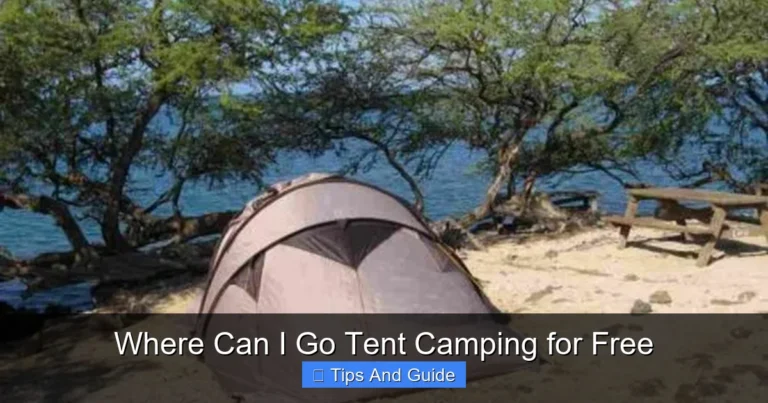
Tent pad camping is a style of outdoor accommodation where campers pitch their tents on a designated, prepared surface—commonly called a tent pad. These pads are typically found in developed campgrounds operated by national parks, state parks, or private RV and camping resorts. Unlike backcountry or dispersed camping, where you choose your own spot, tent pad camping assigns you a specific, often numbered, site with a flat, durable surface designed specifically for tent setup.
These pads are usually made of gravel, compacted dirt, asphalt, or even concrete, and are surrounded by natural or artificial borders to define the camping area. They often come with amenities like fire rings, picnic tables, and nearby access to restrooms, water, and trash disposal. This setup makes tent pad camping ideal for families, first-time campers, or anyone who wants a more comfortable and predictable outdoor experience.
Why Choose Tent Pad Camping?
There are many reasons why tent pad camping has become a favorite among outdoor enthusiasts—especially those who value convenience without sacrificing the joy of sleeping under the stars. One of the biggest advantages is consistency. You know exactly where your tent will go, and the surface is already level and cleared of debris. This eliminates the guesswork of finding the perfect spot in the woods.
Another major benefit is protection. Tent pads are designed to shield your tent floor from moisture, rocks, roots, and other hazards. This not only improves comfort but also extends the life of your gear. Plus, many tent pads are elevated or sloped slightly to promote drainage, which is a huge plus during rainy weather. If you’re camping with kids or elderly family members, the flat, stable surface also reduces tripping hazards and makes movement around the site safer.
Comfort and Convenience
Let’s be honest—sleeping on a perfectly level surface makes a world of difference. No more rolling downhill in the middle of the night or waking up with a rock digging into your back. Tent pads offer a predictable, comfortable base that lets you focus on relaxation, not discomfort. And because these sites are often close to facilities, you’re never far from a restroom or drinking water—a big win for families or longer stays.
Easier Setup and Takedown
Setting up a tent on a tent pad is typically faster and easier than in the backcountry. There’s no need to clear brush, level the ground, or worry about underground roots. You can often park your car nearby, making it simple to unload gear. This is especially helpful if you’re using a larger tent, like a big tent for camping, which can be tricky to assemble on uneven terrain.
Where to Find Tent Pads
Tent pads are most commonly found in developed campgrounds across the U.S. and Canada. National parks like Yosemite, Yellowstone, and Great Smoky Mountains often feature tent pads in their frontcountry campgrounds. State parks and private campgrounds also widely use them, especially in areas with high visitor traffic.
When booking a campsite online, look for terms like “tent pad,” “paved site,” or “gravel site.” These usually indicate a prepared surface. Some campgrounds even offer hybrid sites with both tent pads and RV hookups, giving you flexibility. Apps like Recreation.gov or The Dyrt can help you filter sites by amenities, including tent pad availability.
Urban and Suburban Campgrounds
Believe it or not, tent pads aren’t just for wilderness areas. Many urban and suburban campgrounds—especially those near lakes, beaches, or city parks—use tent pads to maximize space and minimize environmental impact. For example, beach campgrounds in Southern California often have gravel tent pads to protect dunes and reduce sand tracking. Check out our guide on best beach tent camping in California for tips on coastal tent pad sites.
How to Set Up Your Tent on a Tent Pad
Even though tent pads are designed for easy setup, a few best practices can make your experience even better. First, always use a footprint or ground tarp under your tent—even on a pad. This extra layer protects the tent floor from abrasion and adds insulation from cold or damp surfaces.
Next, orient your tent door away from prevailing winds and toward scenic views if possible. Use sturdy tent stakes designed for hard surfaces—many tent pads are too rocky or compacted for standard stakes. Consider using screw-in stakes or sandbags for extra hold. And don’t forget to secure your rainfly properly, especially if rain is in the forecast.
Dealing with Hard Surfaces
Some tent pads, especially those made of asphalt or concrete, can get extremely hot during the day and radiate heat at night. To stay comfortable, consider using a reflective tarp or insulated sleeping pad. If you’re camping in summer, check out our guide on the best way to cool a tent while camping for ventilation and shading tips.
Leave No Trace on a Tent Pad
Even though you’re on a prepared surface, it’s important to follow Leave No Trace principles. Avoid damaging the pad or surrounding vegetation. Don’t dig trenches or move rocks. Pack out all trash, and never wash dishes or clothes directly on the pad—use designated wash stations if available.
Choosing the Right Tent for Tent Pad Camping
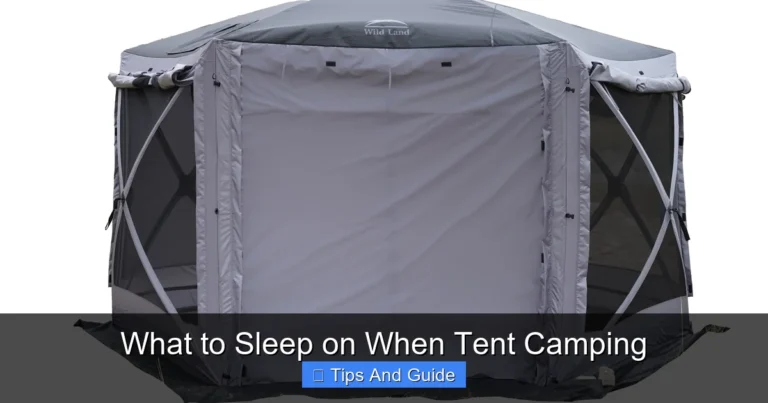
Not all tents are created equal when it comes to tent pad camping. Look for a model with a durable floor (at least 150–200 denier), a waterproof coating, and strong pole construction. Freestanding tents are ideal because they don’t rely on guylines for structure, making them easier to set up on hard surfaces.
If you’re car camping and have the space, consider a cabin-style or cabin hybrid tent with room dividers and large vestibules. These offer more living space and are great for families. For colder weather, a four-season tent with good insulation will keep you warm—learn more in our article on how to insulate a tent for winter camping.
Tent Size and Layout
On a tent pad, you’re usually limited to the size of the pad itself—typically 10×10 feet or 12×12 feet. Make sure your tent fits comfortably within those dimensions. A 6-person tent might sound spacious, but it can feel cramped on a standard pad. Measure your tent’s footprint before you go, and consider a slightly smaller model if space is tight.
Common Challenges and How to Overcome Them
While tent pad camping is generally hassle-free, a few challenges can arise. One is noise—since sites are closer together, you might hear neighbors. Bring earplugs or a white noise app to help you sleep. Another issue is heat retention on dark-colored pads. Use light-colored tarps or reflective blankets to deflect sunlight.
Finally, some tent pads lack shade. Bring a pop-up canopy or portable shade sail to create a cool outdoor living area. And always check the weather forecast—tent pads offer little natural windbreak, so high winds can be a problem. Use extra guylines and anchor your tent securely.
Is Tent Pad Camping Right for You?
Tent pad camping is perfect if you want a balance between outdoor adventure and modern comfort. It’s great for families, beginners, or anyone who wants to minimize setup time and maximize relaxation. However, if you’re seeking solitude, wilderness immersion, or a more rugged experience, backcountry camping might be a better fit.
Ultimately, tent pad camping opens the door to outdoor fun without the stress of finding the perfect spot. With the right gear and a little preparation, you can enjoy a safe, comfortable, and memorable camping trip—no matter your experience level.
Frequently Asked Questions
What is a tent pad?
A tent pad is a designated, flat, and prepared surface in a campground where campers are meant to pitch their tents. These pads are usually made of gravel, asphalt, or compacted earth and help protect both the tent and the surrounding environment.
Do I still need a footprint on a tent pad?
Yes, using a footprint or ground tarp under your tent is still recommended. It protects the tent floor from abrasion, moisture, and small debris, even on a prepared surface.
Can I camp on a tent pad with an RV?
Some campgrounds offer hybrid sites that accommodate both tents and RVs, but most tent pads are designed for tents only. Check with the campground ahead of time to confirm site compatibility.
Are tent pads always level?
Most tent pads are designed to be level, but slight variations can occur. Always check the surface before setting up and use gear or padding to adjust if needed.
Do tent pads get hot in the summer?
Yes, especially if made of dark materials like asphalt. Use reflective tarps, shade structures, and proper ventilation to keep your tent cool. For more tips, see our guide on cooling a tent.
Can I bring my dog to a tent pad campsite?
Many tent pad campgrounds are pet-friendly, but rules vary. Always check the campground’s pet policy and keep your dog leashed and under control. For tips, read our article on how to take a dog tent camping.