What Is a Tent Footprint
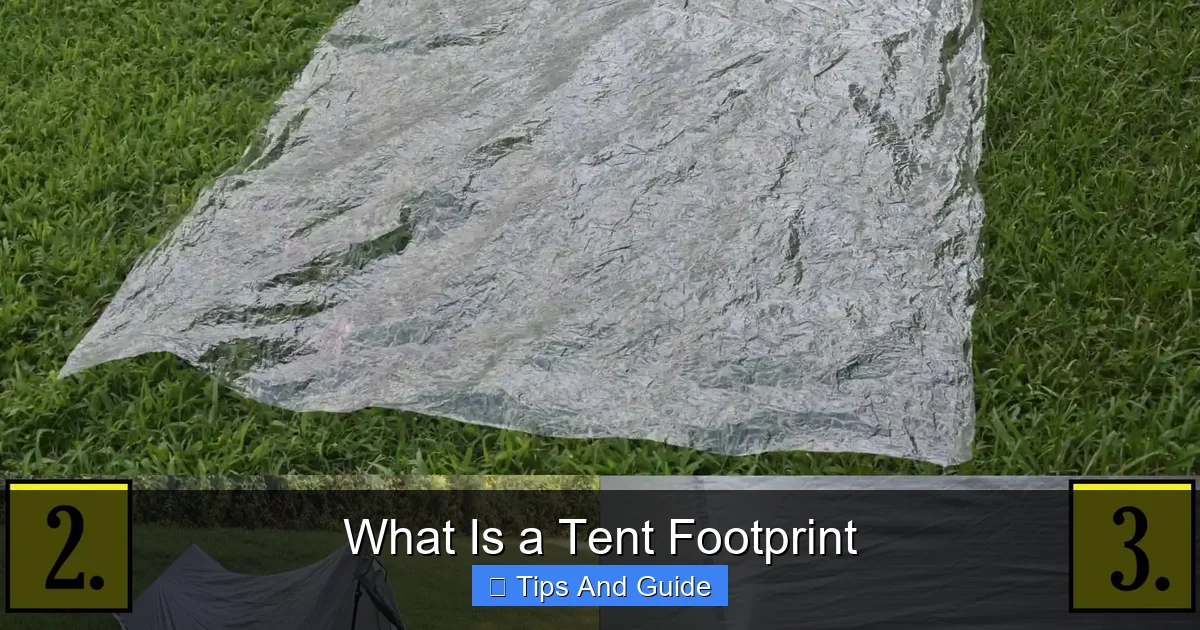
A tent footprint is a durable ground cloth placed under your tent to protect the floor from moisture, abrasion, and punctures. It extends the life of your tent and improves camping comfort by creating a clean, dry base. Whether you’re backpacking or car camping, using a footprint is a smart, simple upgrade.
Key Takeaways
- Protects Tent Floors: A footprint shields your tent’s bottom from sharp rocks, roots, and rough terrain, preventing tears and wear.
- Keeps You Dry: It acts as a moisture barrier, reducing condensation and keeping groundwater from seeping into your tent.
- Easy to Clean: Dirt and debris stay on the footprint, making tent cleanup faster and easier after your trip.
- Custom Fit Options: You can buy a pre-cut footprint or DIY one using painter’s drop cloth or Tyvek for a budget-friendly solution.
- Improves Insulation: Adding a footprint can slightly boost ground insulation, especially when paired with a sleeping pad.
- Not Always Necessary: On soft, dry ground like grass, a footprint may be optional—but it’s still recommended for long-term tent care.
- Use with a Tarp Carefully: Combining a footprint and tarp can trap moisture; learn the right way to layer them for best results.
📑 Table of Contents
What Is a Tent Footprint?
Imagine setting up your tent after a long hike, only to find the floor soaked from morning dew or damaged by hidden rocks. That’s where a tent footprint comes in. A tent footprint—also called a groundsheet or ground cloth—is a protective layer you place directly on the ground before pitching your tent. It’s usually made from lightweight, waterproof materials like polyethylene, Tyvek, or silicone-coated nylon.
Think of it as a shield for your tent’s floor. Just like you’d use a rug to protect your living room carpet, a footprint protects your tent from the harsh realities of the outdoors. Whether you’re camping in a forest, on rocky terrain, or even in your backyard, a footprint adds an extra layer of defense. It’s a small piece of gear that can make a big difference in comfort and durability.
Why Should You Use a Tent Footprint?
You might wonder, “Is a footprint really necessary?” The short answer: yes, especially if you want your tent to last. Tent floors are thin and vulnerable. Over time, repeated contact with rough ground can cause abrasion, punctures, and moisture damage. A footprint prevents these issues by absorbing the brunt of wear and tear.
Beyond protection, a footprint improves your camping experience. It keeps the inside of your tent cleaner by blocking dirt and sand. It also reduces condensation buildup, which can make the floor damp and uncomfortable. Plus, when it’s time to pack up, you can simply lift the footprint and shake off the debris—no need to scrub the tent floor.
Extends Tent Lifespan
The most compelling reason to use a footprint is longevity. Tents aren’t cheap, and replacing a torn floor can be costly—if it’s even possible. A footprint acts as a sacrificial layer. If it gets scratched or punctured, you can replace it easily and inexpensively. This simple step can double or even triple the life of your tent.
Improves Comfort and Cleanliness
Nobody likes sleeping on a gritty, damp floor. A footprint creates a smooth, dry surface that feels better underfoot and keeps your sleeping bag cleaner. It’s especially helpful in rainy or muddy conditions. Even a light rain can cause groundwater to seep up through the tent floor. A waterproof footprint blocks that moisture, keeping you dry and cozy.
Types of Tent Footprints
Not all footprints are created equal. They come in different materials, sizes, and styles, each with its own pros and cons. Choosing the right one depends on your camping style, terrain, and budget.
Pre-Cut Footprints
Many tent manufacturers sell footprints designed specifically for their models. These are custom-shaped to match your tent’s floor, ensuring full coverage without excess material. For example, if you own a 10×10 tent, a pre-cut footprint will fit perfectly under the entire base. These are convenient and reliable but can be pricey—sometimes costing nearly as much as the tent itself.
DIY Footprints
If you’re on a budget, making your own footprint is a great option. Common materials include painter’s drop cloths, polyethylene tarps, or Tyvek house wrap. Tyvek is a favorite among backpackers because it’s lightweight, durable, and water-resistant. You can cut it to size using scissors and mark the corners with a permanent marker for easy alignment.
One tip: always cut your DIY footprint slightly smaller than your tent floor—about 2 inches shorter on all sides. This prevents water from pooling between the footprint and tent during rain, which could lead to leaks.
Universal Ground Cloths
These are pre-sized tarps or sheets that work with a variety of tent shapes and sizes. They’re often sold in outdoor stores and come in standard dimensions like 7×9 feet or 9×9 feet. While not custom-fit, they’re versatile and affordable. Just make sure to trim them to avoid overhang.
How to Use a Tent Footprint Properly
Using a footprint is simple, but there are a few best practices to follow. First, always place it on a clean, flat surface. Clear away sticks, stones, and pinecones before laying it down. This ensures maximum protection and comfort.
Next, position the footprint so it’s centered under your tent. If you’re using a DIY or universal cloth, trim any excess so it doesn’t stick out beyond the tent walls. Overhanging material can collect rainwater and funnel it underneath your tent—defeating the purpose of the footprint.
Layering with a Tarp: Do’s and Don’ts
Some campers use both a footprint and a tarp for extra protection. This can work, but it requires careful layering. The tarp should go over the footprint, not under it. Placing the tarp underneath can trap moisture between the two layers, leading to condensation and dampness.
For best results, use the footprint as the base layer and the tarp as an overhead rainfly or side shield. If you must use a tarp underneath, make sure it’s smaller than the footprint to avoid water wicking. For more details, check out our guide on the best way to tarp a tent.
Packing and Maintenance
After your trip, clean the footprint with a soft brush and mild soap if needed. Let it dry completely before storing to prevent mold and mildew. Store it loosely folded in a dry place—don’t cram it into a tiny stuff sack. Proper care ensures it lasts for many adventures.
When Can You Skip the Footprint?
While a footprint is highly recommended, there are rare cases where you might skip it. If you’re camping on soft, dry grass in perfect weather, the risk of damage is low. Some ultralight backpackers also omit it to save weight, relying instead on careful campsite selection.
However, even in ideal conditions, a footprint adds peace of mind. It’s a small investment that pays off in the long run. And if you’re using a high-end or ultralight tent, protecting that floor is even more critical—those materials are often more delicate.
For family camping or car camping, where weight isn’t a concern, there’s really no reason not to use one. It’s one of the easiest ways to care for your gear. Speaking of gear care, learn how to keep your tent in top shape with our guide on the best way to waterproof a nylon tent.
Footprint vs. Tarp: What’s the Difference?
It’s easy to confuse a footprint with a tarp, but they serve different purposes. A footprint is designed to go under your tent to protect the floor. A tarp, on the other hand, is typically used over or around the tent for shade, rain protection, or windbreaks.
Using both together can be smart—just remember the layering rule: footprint on the bottom, tarp on top or around. Never put a tarp directly under your tent unless it’s smaller than the footprint. For more tips, see our article on the best way to put a tarp under a tent.
Final Thoughts: Is a Tent Footprint Worth It?
Absolutely. A tent footprint is a small, affordable piece of gear that delivers big benefits. It protects your tent, keeps you dry, and makes cleanup easier. Whether you buy a custom-fit model or make your own, it’s a smart addition to any camping setup.
Think of it as insurance for your tent. For the price of a few burgers, you can prevent costly repairs or premature replacement. Plus, it’s one less thing to worry about when you’re out enjoying nature. So next time you pack for a trip, don’t forget to toss in that ground cloth—your tent will thank you.
Frequently Asked Questions
Do I really need a tent footprint?
While not absolutely mandatory, a tent footprint is highly recommended. It protects your tent floor from wear, moisture, and punctures, helping your tent last longer and perform better in rough conditions.
Can I use a regular tarp as a footprint?
Yes, but make sure it’s cut smaller than your tent floor. A tarp that overhangs can collect rainwater and funnel it under your tent, causing leaks. Trim it to avoid this issue.
What’s the best material for a DIY footprint?
Tyvek is a top choice for DIY footprints because it’s lightweight, waterproof, and tear-resistant. Painter’s drop cloths are another affordable and effective option.
Should the footprint be the same size as my tent?
No, it should be slightly smaller—about 2 inches shorter on all sides. This prevents water from pooling between the footprint and tent during rain.
Can I use a footprint with any tent?
Yes, as long as it’s the right size. Pre-cut footprints are made for specific models, but universal or DIY options work with most tents when trimmed properly.
Does a footprint help with insulation?
It provides minimal insulation on its own, but when combined with a sleeping pad or foam mat, it can help reduce heat loss from the ground, especially in cold weather.