What Is a Stove Jack in a Tent
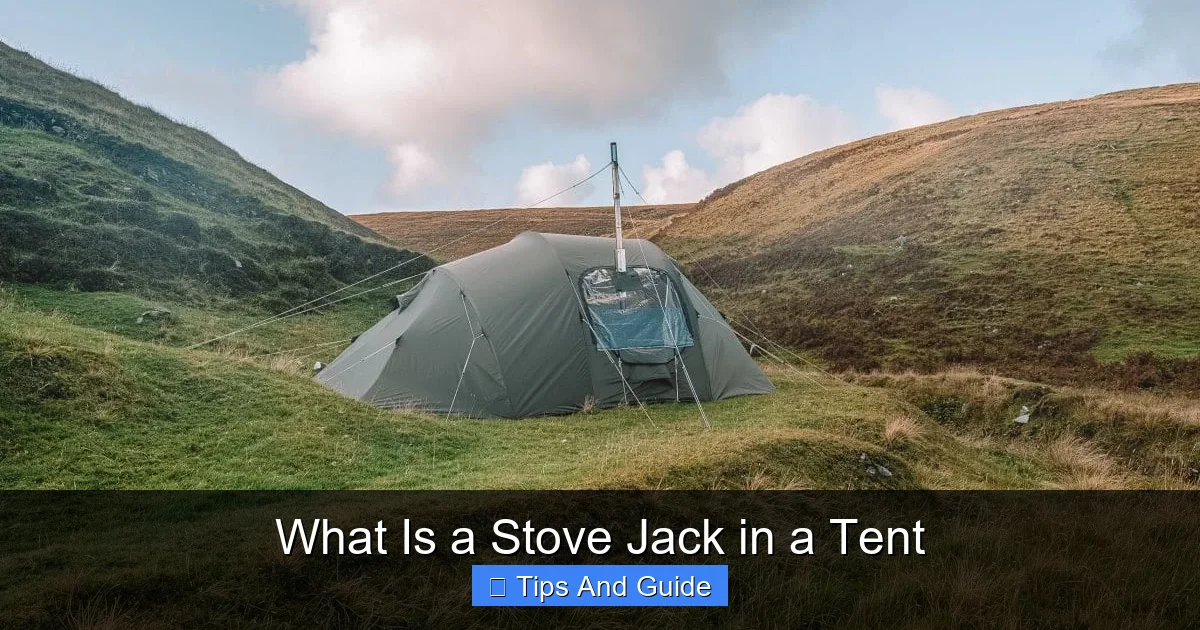
A stove jack in a tent is a heat-resistant opening that allows a stovepipe to pass through the tent wall or roof safely. It enables you to use a wood-burning or multi-fuel stove inside your tent for heating and cooking—especially vital during cold-weather camping. Without a properly installed stove jack, using a stove inside a tent can be dangerous due to fire risk and poor ventilation.
[FEATURED_IMAGE_PLACEHORER]
If you’ve ever camped in freezing temperatures, you know how quickly a regular tent can turn into an icy cave. Even with the best sleeping bags and insulated pads, staying warm through the night can feel impossible. That’s where a stove jack comes in—a small but mighty feature that transforms your tent from a cold shelter into a cozy, heated refuge.
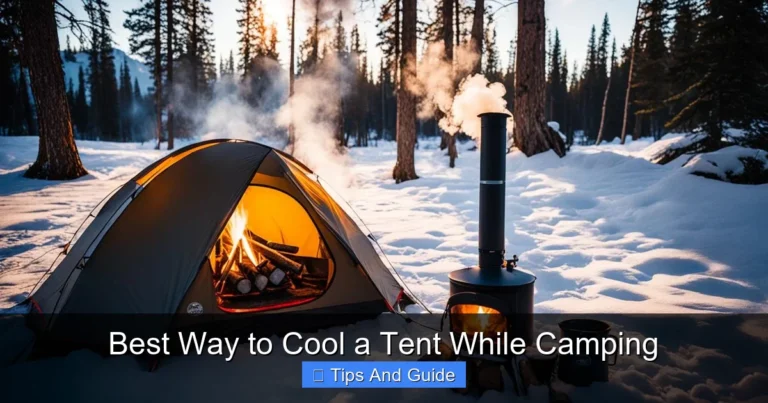
A stove jack is a specially reinforced opening in a tent’s fabric, typically located near the roof or upper wall, designed to safely accommodate a stovepipe. This allows you to install a small wood-burning or multi-fuel stove inside your tent and vent the exhaust outside without damaging the material or risking fire. Think of it as a built-in chimney port—your gateway to warmth, hot meals, and dry clothes on frigid nights.
While not every camper needs a stove jack, they’re game-changers for winter backpacking, ice fishing trips, or high-altitude expeditions. If you’re serious about cold-weather camping, understanding what a stove jack is—and how to use it safely—is essential.
Key Takeaways
- Stove jacks are heat-resistant vents designed to safely route stovepipes through tent fabric without melting or catching fire.
- They’re essential for winter camping when using a tent stove to stay warm, dry gear, and cook meals in freezing conditions.
- Not all tents have built-in stove jacks—some require DIY installation or aftermarket kits, so check your tent specs first.
- Proper installation and clearance matter—always follow manufacturer guidelines to prevent burns, fires, or carbon monoxide buildup.
- Stove jacks reduce condensation by improving airflow and allowing moisture from breathing and cooking to escape.
- They enable four-season camping by making heated shelters practical and safer in snow, wind, and sub-zero temps.
- Maintenance is key—inspect the jack regularly for wear, soot buildup, or damage to ensure long-term safety.
📑 Table of Contents
How Does a Stove Jack Work?
At its core, a stove jack is a heat-resistant grommet or patch made from materials like silicone-coated fiberglass, Nomex, or other flame-retardant fabrics. It’s sewn or bonded into the tent wall or roof and includes a reinforced opening—usually 3 to 5 inches in diameter—that matches standard stovepipe sizes.
When you set up your tent, you insert the stovepipe through this opening. The heat-resistant material surrounds the pipe, preventing the surrounding tent fabric from melting or igniting. Most stove jacks also include a flap or cover that can be closed when the stove isn’t in use, helping maintain insulation and prevent drafts.
Safety First: Why Heat Resistance Matters
Stovepipes can reach temperatures over 500°F (260°C), especially when burning wood efficiently. Regular nylon or polyester tent fabric would melt or catch fire almost instantly. That’s why the stove jack must be made from specialized materials rated for high heat. Always verify that your stove jack is certified for use with stoves—don’t assume any patch or hole will do.
Ventilation and Airflow
Beyond heat protection, the stove jack plays a role in ventilation. A properly functioning stove creates a draft that pulls air through the tent, helping expel moisture from breathing, cooking, and wet gear. This reduces condensation—a common problem in cold-weather tents—and keeps the interior drier and more comfortable. For more tips on managing moisture, check out our guide on how to prevent condensation in a tent.
Types of Tents with Stove Jacks
Not all tents come ready for stove use. Here’s a breakdown of the main types:
Four-Season Mountaineering Tents
These rugged shelters are built for extreme conditions and often include built-in stove jacks. Brands like Hilleberg, Black Diamond, and Mountain Hardwear offer models specifically designed for winter camping with integrated stove ports. They’re heavier than three-season tents but provide unmatched durability and safety.
Canvas Wall Tents
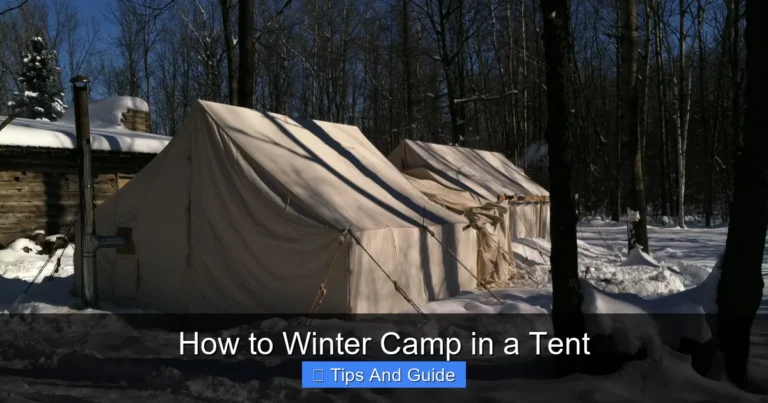
Popular among hunters, glampers, and base campers, canvas tents often feature large stove jacks and are compatible with full-sized wood stoves. Their thick, breathable fabric handles heat well, and many come pre-fitted with stove jacks or offer them as add-ons.
DIY or Aftermarket Modifications
If your tent doesn’t have a stove jack, you can sometimes install one—but only if the manufacturer approves it. Kits are available that include heat-resistant patches and instructions. However, modifying a tent not designed for stove use can void warranties and increase fire risk. Always consult the manufacturer first.
For those shopping for a new tent, consider models like the best backpacking tent with stove jack or the best camping tent with stove jack—these are engineered with safety and performance in mind.
Benefits of Using a Stove Jack in Cold Weather
The advantages go beyond just warmth. Here’s why a stove jack can elevate your winter camping experience:
Consistent Heat Source
Unlike electric heaters (which require power) or chemical warmers (which fade quickly), a wood stove provides steady, controllable heat. You can adjust the flame by regulating airflow, keeping your tent comfortably warm even in sub-zero temperatures. For more on staying warm, see our article on the best way to stay warm in a tent.
Cooking and Melting Snow
A stove lets you cook hot meals, boil water, and melt snow for drinking—critical in remote winter environments where water sources are frozen. This reduces reliance on pre-cooked meals and boosts morale on long trips.
Drying Gear
Wet gloves, socks, or boots can be life-threatening in cold weather. With a stove, you can dry gear overnight by hanging it near (but not touching) the heat source. Just be mindful of fire safety—never leave drying items unattended.
Reduced Condensation
Warm air holds more moisture. Without ventilation, breath and wet gear create condensation that drips back down, making everything damp. A stove jack helps maintain airflow, reducing this issue significantly.
Safety Tips for Using a Stove Jack
With great warmth comes great responsibility. Follow these best practices to stay safe:
Maintain Proper Clearance
Keep the stovepipe at least 18–24 inches away from any flammable materials, including tent walls, sleeping bags, and clothing. Use heat shields if necessary.
Never Leave the Stove Unattended
Always extinguish the fire before sleeping. Use a stove with a secure lid or damper to control burn rate, and consider a fireproof floor mat under the stove.
Check for Carbon Monoxide
Stoves produce carbon monoxide (CO), a silent killer. Always ensure adequate ventilation—even with a stove jack, crack a vent or door slightly to allow fresh air in. Consider bringing a battery-powered CO detector.
Inspect the Jack Regularly
Before each trip, check the stove jack for signs of wear, melting, or soot buildup. Clean it gently with a brush if needed, and replace it if damaged.
Use the Right Stove and Pipe
Match your stovepipe diameter to the stove jack size. Use high-quality, double-wall stovepipe for better heat retention and safety.
Installing a Stove Jack (If Not Pre-Installed)
If your tent doesn’t have a stove jack, installation is possible—but proceed with caution. Only attempt this if the tent is made of durable, fire-resistant material and the manufacturer allows modifications.
Steps for DIY Installation
- Choose a location high on the wall or near the roof peak—away from seams and zippers.
- Cut a small pilot hole, then carefully enlarge it to the required diameter.
- Apply a heat-resistant patch (available in stove jack kits) using high-temperature adhesive or stitching.
- Reinforce the edges and test for stability before inserting the stovepipe.
Always test your setup in a safe, controlled environment before heading into the backcountry.
Conclusion
A stove jack in a tent isn’t just a convenience—it’s a lifeline in extreme cold. By allowing safe venting of a stovepipe, it enables reliable heating, cooking, and moisture control, making winter camping not only possible but enjoyable. Whether you’re trekking through snow-covered forests or setting up base camp for a multi-day expedition, a well-designed stove jack can mean the difference between shivering through the night and waking up warm, dry, and ready for adventure.
Just remember: safety comes first. Use quality gear, follow best practices, and never compromise on ventilation or fire prevention. With the right setup, your tent becomes more than shelter—it becomes a cozy, heated haven in the heart of winter.
Frequently Asked Questions
Can I use a stove in a tent without a stove jack?
No—using a stove without a proper stove jack is extremely dangerous. The heat can melt or ignite the tent fabric, leading to fire. Always use a tent designed for stove use or install a certified stove jack.
What size stove jack do I need?
Most stove jacks are 3.5 to 5 inches in diameter to fit standard stovepipes. Check your stove’s manual for the exact pipe size and match it to your tent’s jack.
Do stove jacks work with all types of stoves?
Stove jacks are compatible with wood-burning, multi-fuel, and alcohol stoves—but only if the stove is designed for tent use and the jack is rated for the heat output. Avoid propane heaters unless specifically approved.
Can I install a stove jack on any tent?
Not all tents can be safely modified. Only attempt installation on tents made of fire-resistant materials and with manufacturer approval. Improper installation can void warranties and increase fire risk.
Does a stove jack reduce condensation?
Yes—by improving airflow and allowing moist air to escape, a stove jack helps reduce condensation inside the tent, especially when paired with proper ventilation.
Are there alternatives to using a stove jack?
If your tent lacks a stove jack, consider electric heating pads (with power access), insulated sleeping systems, or vapor barrier liners. However, these don’t offer the same level of warmth or versatility as a wood stove. For more ideas, read our guide on the best way to heat a tent in winter.