What Is a Rain Fly for a Tent
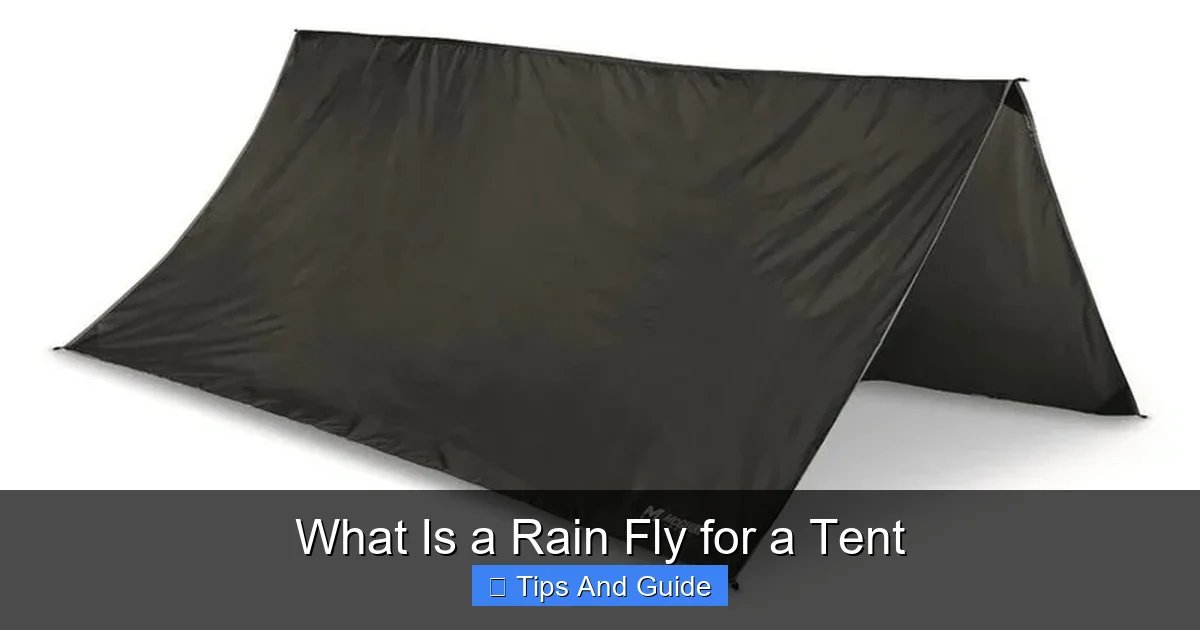
A rain fly is a waterproof outer layer that goes over your tent to protect it from rain, snow, and wind. It creates a barrier that prevents moisture from seeping in while allowing ventilation to reduce condensation. Without a rain fly, even the best tents can leak during storms—making this simple piece of gear a must-have for safe, dry camping.
If you’ve ever woken up in a tent with water dripping on your face or your sleeping bag damp from morning dew, you’ve probably asked yourself: “Why didn’t my tent keep me dry?” The answer often lies in one crucial piece of gear—the rain fly. While many campers focus on the tent body, poles, or footprint, the rain fly is the unsung hero that can make or break your outdoor experience, especially when the skies open up.
A rain fly is essentially a waterproof cover that fits over the top of your tent. Think of it like an umbrella for your shelter. It’s usually made from coated nylon or polyester and is designed to repel water while still allowing airflow. Most modern tents come with a built-in or attachable rain fly, but not all do—so it’s important to know what you’re getting before you head out. Whether you’re car camping with the family or backpacking through rugged terrain, understanding how a rain fly works can mean the difference between a cozy night under the stars and a soggy, miserable one.
Key Takeaways
- Protects against rain and moisture: The primary job of a rain fly is to shield your tent interior from getting wet during storms or damp conditions.
- Improves ventilation and reduces condensation: By creating an air gap between the fly and tent walls, it helps moisture escape and keeps the inside drier.
- Enhances durability in harsh weather: A quality rain fly adds an extra layer of protection against wind, snow, and UV exposure.
- Not all tents include one: Some budget or summer-only tents may not come with a rain fly, so always check before buying.
- Can be used for shade and privacy: In dry weather, the rain fly can double as a sunshade or privacy screen when pitched separately.
- Easy to clean and store: Most rain flies are made from lightweight, quick-drying materials that are simple to maintain.
- Essential for backpacking and car camping: Whether you’re hiking deep into the wilderness or setting up at a campsite, a rain fly ensures comfort in unpredictable weather.
📑 Table of Contents
What Exactly Is a Rain Fly?
At its core, a rain fly is a secondary layer of fabric that covers the roof and sometimes the sides of your tent. It’s typically made from lightweight, water-resistant materials like silicone-coated ripstop nylon or polyurethane-coated polyester. Unlike the tent floor or walls, which may have some water resistance, the rain fly is specifically engineered to handle heavy rain, wind, and even light snow.
The design varies by tent model. Some rain flies fully enclose the tent, covering the doors and windows, while others are partial, leaving the sides open for better airflow. High-quality rain flies often feature taped seams, reinforced grommets, and adjustable guylines to ensure a tight, secure fit in windy conditions. They’re usually color-coded or labeled for easy setup, so you don’t have to guess which side goes where.
One common misconception is that the tent body itself is waterproof. While many tent fabrics are treated with a Durable Water Repellent (DWR) coating, this isn’t enough to withstand prolonged exposure to rain. Over time, that coating wears off, and moisture can seep through. That’s where the rain fly comes in—it acts as the first line of defense, keeping the actual tent dry so you stay comfortable inside.
Why Is a Rain Fly Important?
Imagine setting up your tent on a clear night, only for a sudden downpour to hit at 2 a.m. Without a rain fly, rainwater can pool on the tent roof, seep through seams, or drip down the walls—soaking your gear and making sleep impossible. A properly installed rain fly prevents this by shedding water away from the tent body.
But its benefits go beyond just keeping you dry. A rain fly also helps manage condensation, which is a major issue in enclosed spaces. When warm, moist air from your breath and body heat meets the cooler inner tent walls, it condenses into droplets—often mistaken for leaks. By creating a small air gap between the fly and the tent, moisture can escape through vents, reducing the chance of that dreaded “tent sweat.”
Additionally, a rain fly adds an extra layer of insulation. In cold weather, this can help trap a bit of warmth near the tent roof, making your shelter cozier. In hot climates, a light-colored fly can reflect sunlight and keep the interior cooler. Some campers even use their rain fly as a standalone shelter during dry weather, pitching it above the tent for shade or privacy.
How Does a Rain Fly Work?
The magic of a rain fly lies in its design and placement. When correctly installed, it forms a sloped canopy over the tent, allowing rain to run off quickly without pooling. Most flies attach to the tent via clips, buckles, or Velcro straps that connect to the tent poles or frame. Guylines—thin ropes anchored to the ground with stakes—help tension the fly and prevent flapping in the wind.
Water Shedding and Drainage
A well-designed rain fly has a steep pitch, meaning it slopes downward sharply from the peak. This ensures that rainwater doesn’t collect on top, which could lead to sagging or even collapse under heavy loads. The waterproof coating on the fabric causes water to bead up and roll off, much like water on a waxed car.
Ventilation and Airflow
One of the smartest features of a rain fly is how it promotes airflow. Many models include mesh vents or adjustable panels that let humid air escape while keeping rain out. This is especially important in humid climates or during summer camping trips. Without proper ventilation, condensation builds up fast—even if it’s not raining.
Coverage and Overhang
The amount of coverage a rain fly provides depends on the tent model. Full-coverage flies extend down the sides of the tent, protecting doors and windows. Partial-coverage flies leave the lower sections exposed, which improves airflow but offers less protection in sideways rain. For maximum safety in storms, a full-coverage fly is ideal.
Types of Rain Flies
Not all rain flies are created equal. The type you need depends on your camping style, climate, and tent design.
Integrated vs. Detachable Flies
Some tents have rain flies that are permanently attached to the tent body, making setup faster and reducing the chance of losing pieces. Others use detachable flies that clip on separately—great for modular use but slightly more complex to assemble.
Full-Coverage vs. Partial-Coverage
Full-coverage flies offer the best protection in heavy rain and wind, ideal for camping in stormy conditions. Partial-coverage flies are lighter and better for fair-weather camping or backpacking where weight matters.
Custom vs. Universal Flies
Most rain flies are designed for specific tent models, ensuring a perfect fit. However, universal or aftermarket flies are available for older or discontinued tents. These can be a lifesaver if your original fly is damaged or missing.
When Should You Use a Rain Fly?
The short answer? Always. Even if the forecast looks clear, weather in the outdoors can change in minutes. A sudden thunderstorm, overnight drizzle, or heavy dew can leave your tent soaked without a rain fly.
That said, there are times when using a rain fly is non-negotiable:
– During rainy seasons or in regions known for wet weather
– When camping at higher elevations where storms roll in quickly
– In humid environments where condensation is a major issue
– For winter camping, where snow and ice can accumulate on the tent
On the flip side, in extremely hot and dry climates, you might choose to leave the rain fly off to maximize airflow and reduce heat buildup. But even then, it’s wise to have it handy—just in case.
Tips for Using and Maintaining Your Rain Fly
To get the most out of your rain fly, follow these simple tips:
– Always practice setup at home: Don’t wait until you’re at the campsite in the rain to figure out how the fly attaches. Practice in your backyard so you’re ready.
– Use guylines in windy conditions: Even a light breeze can cause a loose fly to flap and wear out the fabric. Secure it with stakes and tensioners.
– Keep it clean and dry before storing: Mildew and mold love damp fabric. Always air-dry your fly completely before packing it away.
– Inspect for damage regularly: Check for tears, worn coatings, or loose seams. A small repair now can prevent a big problem later.
– Pair it with a footprint: Using a ground tarp under your tent adds another layer of protection and helps keep the fly cleaner.
For those new to camping, learning how to set up a tent in the rain can be tricky—but with a good rain fly and a little preparation, it’s totally manageable. Check out our guide on the best way to set up a tent in the rain for step-by-step tips.
Common Misconceptions About Rain Flies
Despite their importance, rain flies are often misunderstood. One myth is that they’re only needed in heavy rain. In reality, even light rain or morning dew can seep through an unprotected tent. Another misconception is that all tents come with a rain fly. Budget models or ultralight backpacking tents sometimes skip it to save weight—so always double-check the product details.
Some campers also believe that a rain fly makes the tent too hot. While it’s true that full coverage can reduce airflow, modern designs include vents and breathable fabrics to balance protection and comfort. And yes, you can still use your rain fly in dry weather—many campers pitch it separately as a sunshade or privacy screen.
Conclusion
A rain fly may seem like a small part of your camping gear, but its impact is huge. It’s the difference between a dry, comfortable night and a soggy, sleepless ordeal. Whether you’re heading out for a weekend car camping trip or a multi-day backpacking adventure, never underestimate the value of this simple yet essential piece of equipment.
Investing in a high-quality tent with a reliable rain fly—or upgrading your current setup—can dramatically improve your outdoor experience. And if you’re shopping for a new tent, consider models designed specifically for wet conditions, like the best tent for rain camping, which often feature advanced rain fly systems and superior waterproofing.
Remember: the weather doesn’t care about your plans. But with a rain fly, you’ll be ready for whatever it throws your way.
Frequently Asked Questions
Do all tents come with a rain fly?
No, not all tents include a rain fly. Some budget or summer-only models may omit it to reduce cost and weight. Always check the product description before purchasing.
Can I use a rain fly without a tent?
Yes! Many campers pitch their rain fly separately using trekking poles or trees to create a lightweight shelter or sunshade. This is especially useful for backpacking or picnics.
How do I know if my rain fly is waterproof?
Check the fabric’s hydrostatic head rating—usually listed in millimeters. A rating of 1,500mm or higher is considered waterproof. You can also perform a simple water test at home.
Can a rain fly reduce condensation inside the tent?
Yes, by creating an air gap between the fly and tent walls, it allows moisture to escape through vents, significantly reducing internal condensation.
Should I leave my rain fly on in dry weather?
It’s not necessary, but you can if you want extra shade or privacy. Just ensure it’s well-ventilated to prevent heat buildup inside the tent.
How do I repair a torn rain fly?
Small tears can be fixed with seam tape or a patch kit designed for nylon or polyester. For larger damage, consider replacing the fly or consulting the manufacturer.