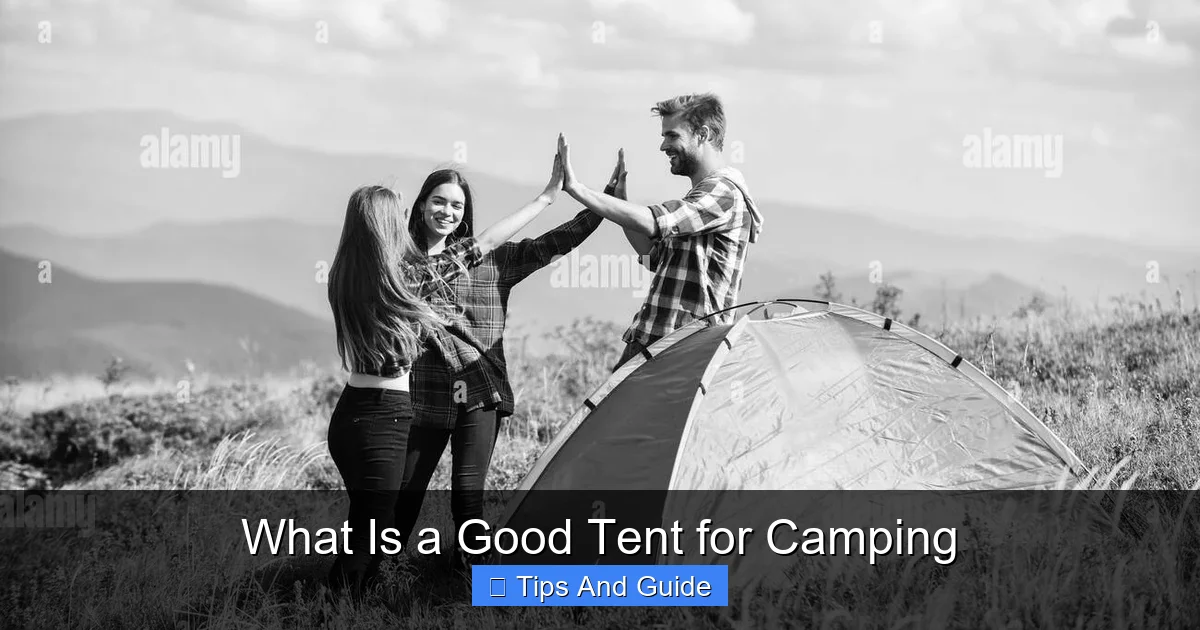
What Is a Good Tent for Camping
Choosing a good tent for camping means balancing size, weight, weather resistance, and ease of setup. The right tent keeps you dry, comfortable, and safe—whether you’re backpacking solo or car camping with family.
Key Takeaways
- Size matters: Choose a tent rated for one more person than your group for extra space and gear storage.
- Weather resistance is crucial: Look for a high waterproof rating (at least 1,500mm) and a full-coverage rainfly.
- Ventilation prevents condensation: Mesh panels and adjustable vents help keep the air flowing and reduce moisture buildup.
- Ease of setup saves time: Freestanding tents with color-coded poles are ideal for quick pitching, especially for beginners.
- Weight and packability count for backpacking: Ultralight materials like ripstop nylon help reduce load without sacrificing durability.
- Durability ensures longevity: Ripstop fabrics, reinforced seams, and sturdy zippers extend your tent’s lifespan.
- Match the tent to your camping style: Car campers can prioritize space, while backpackers need lightweight, compact designs.
📑 Table of Contents
What Is a Good Tent for Camping?
So, you’re planning your next camping trip—maybe a weekend in the woods, a family getaway by the lake, or a solo backpacking adventure. One of the most important decisions you’ll make is choosing the right tent. But with so many options out there, how do you know what makes a good tent for camping?
A good tent isn’t just about looking cool or having a fun color. It’s about comfort, protection, and reliability. The best tents keep you dry during sudden rainstorms, stay cool on hot summer nights, and stand up to wind and rough terrain. Whether you’re a first-time camper or a seasoned outdoor enthusiast, understanding the key features of a quality tent will help you make a smart, long-lasting investment.
Key Features of a Quality Camping Tent
Weather Resistance and Waterproofing
One of the most critical aspects of a good tent is its ability to keep you dry. Look for a tent with a waterproof rating of at least 1,500mm—this refers to the hydrostatic head measurement, which tells you how much water pressure the fabric can withstand before leaking. For serious weather protection, aim for 2,000mm or higher.
The rainfly is another essential component. A full-coverage rainfly that extends over the entire tent provides better protection than partial or vestibule-only covers. Taped seams and a bathtub-style floor (where the floor material wraps up the sides slightly) also help prevent water from seeping in during heavy rain.
Ventilation and Airflow
Even the most waterproof tent can become a sauna without proper ventilation. Condensation buildup is a common issue in tents, especially in cooler weather or humid climates. That’s why mesh panels, roof vents, and adjustable windows are so important.
Look for tents with multiple ventilation points—especially near the top—to allow warm, moist air to escape. Some high-end models even feature dual-layer designs with an inner mesh body and an outer rainfly, creating a breathable buffer zone that reduces condensation while maintaining weather protection.
Ease of Setup and Portability
Let’s be honest—nobody wants to spend 30 minutes wrestling with tangled poles in the dark. A good tent should be easy to set up, even for beginners. Freestanding tents, which don’t require staking to maintain their shape, are ideal for quick pitching on rocky or hard ground.
Color-coded poles and clip-on attachments simplify the process. For backpackers, weight and pack size are equally important. Ultralight tents made from materials like ripstop nylon or Dyneema can weigh under 2 pounds, making them perfect for long hikes. If you’re packing a tent for backpacking, every ounce counts.
Types of Tents and Which Is Right for You
Dome Tents: The All-Around Favorite
Dome tents are the most popular choice for casual and family camping. Their curved pole structure provides excellent wind resistance and ample headroom. They’re typically freestanding, easy to set up, and come in a wide range of sizes—from compact 2-person models to spacious 8-person family tents.
For example, the best camping tent for a family of 4 is often a dome-style model with a room divider and large vestibules for gear storage. These tents strike a great balance between space, stability, and affordability.
Cabin Tents: Spacious and Comfortable
If you’re car camping and prioritize space over weight, a cabin tent might be your best bet. These tents feature near-vertical walls, maximizing interior volume and allowing most people to stand up comfortably. Many include room dividers, large windows, and even gear lofts.
However, cabin tents are usually heavier and less stormworthy than dome or tunnel designs. They’re best suited for fair-weather camping in established campgrounds. For a deep dive into your options, check out our guide on the best big tent for camping.
Backpacking Tents: Lightweight and Compact
For hikers and backpackers, every gram matters. Backpacking tents are designed to be as light and compact as possible without sacrificing essential features. Many use single-wall construction or ultralight double-wall designs to reduce weight.
Look for models with minimalist pole structures, small packed sizes, and durable yet lightweight fabrics. Some popular options include the best 3-person tent for camping, which offers extra space for gear or taller campers without adding too much weight.
Specialty Tents: From Bell to Pop-Up
Beyond the standard designs, there are several specialty tents worth considering. Bell tents, for instance, offer a retro look and excellent ventilation, making them ideal for glamping or summer camping. You can learn more about their pros and cons in our article: Are Bell Tents Good for Camping?
Pop-up tents are another fun option—especially for festivals or casual beach trips. They spring into shape in seconds, but they’re generally less durable and offer minimal weather protection. For more on this, see: Are Pop-Up Tents Good for Camping?
Choosing the Right Size and Capacity
How Many People Fit Comfortably?
Tent manufacturers often rate capacity by the number of people who can sleep side by side—but that doesn’t account for gear, movement, or personal space. A good rule of thumb is to choose a tent rated for one more person than your group size. So, for two people, go with a 3-person tent.
This extra space makes a huge difference in comfort, especially on longer trips. It gives you room to store backpacks, boots, and other essentials inside the tent rather than cluttering your sleeping area.
Vestibules and Gear Storage
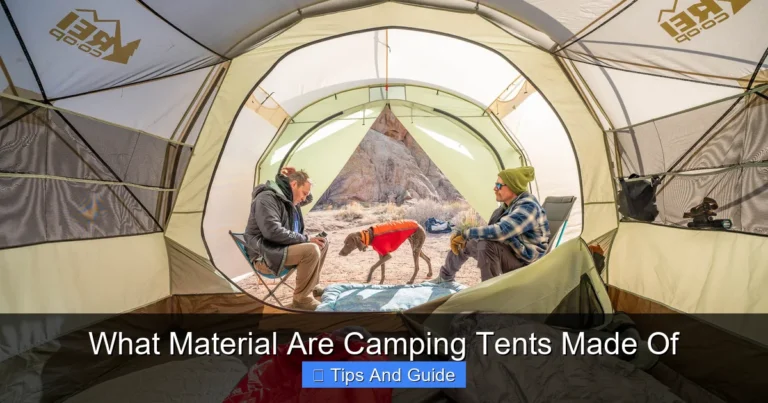
Vestibules are covered areas outside the main tent entrance, created by the rainfly. They’re perfect for stashing wet boots, backpacks, or cooking gear without tracking dirt inside. Look for tents with large, dual vestibules if you’re camping with a partner or have a lot of equipment.
Some tents also include interior pockets, gear lofts, and lantern hooks—small details that add up to a more organized and enjoyable camping experience.
Durability and Long-Term Value
Materials That Last
A good tent is built to last. Look for ripstop nylon or polyester fabrics, which resist tearing and abrasions. Reinforced stress points, such as pole hubs and guy-out points, add extra strength in windy conditions.
Zippers should be smooth and durable—YKK zippers are a trusted brand in outdoor gear. Double-stitched seams and factory-sealed tape add to the tent’s longevity, especially if you camp frequently or in harsh environments.
Warranty and Brand Reputation
Reputable brands like REI, MSR, Coleman, and Big Agnes often offer solid warranties and excellent customer service. A good warranty—typically 1–3 years—can save you money if something goes wrong. It’s also a sign that the manufacturer stands behind their product.
Reading user reviews and checking expert recommendations can help you avoid flimsy tents that fall apart after one season. Investing in a quality tent now means fewer replacements and more reliable trips in the future.
Final Tips for Choosing Your Perfect Tent
When shopping for a tent, consider your most common camping scenarios. Are you backpacking through the mountains? Car camping with kids? Hosting a summer festival? Your answer will guide your priorities—whether that’s weight, space, or ease of use.
Don’t forget to practice setting up your tent at home before your trip. It’s much easier to troubleshoot issues in your backyard than in the middle of a forest at dusk. And always pair your tent with a good ground tarp and best air mattress for tent camping to boost comfort and insulation.
Ultimately, a good tent for camping is one that meets your needs, fits your budget, and gives you peace of mind under the stars. With the right choice, you’ll spend less time worrying about the weather and more time enjoying the great outdoors.
Frequently Asked Questions
How do I know if a tent is waterproof?
Check the hydrostatic head rating—look for at least 1,500mm for light rain and 2,000mm or higher for heavy storms. Also, ensure the tent has a full-coverage rainfly and taped seams.
What’s the difference between a 2-person and 3-person tent?
A 2-person tent is designed for two sleepers with minimal gear, while a 3-person tent offers more space for comfort and storage. For two people, a 3-person tent is often a better choice.
Can I use a backpacking tent for car camping?
Yes, but it may feel cramped and lack features like large vestibules or room dividers. Backpacking tents prioritize weight over comfort, so they’re better suited for mobility.
How important is ventilation in a tent?
Very important. Good ventilation reduces condensation, prevents stuffiness, and improves airflow—especially in warm or humid conditions.
Should I buy a freestanding or non-freestanding tent?
Freestanding tents are easier to set up and move around, making them ideal for most campers. Non-freestanding tents require staking and are lighter, but better for experienced backpackers.
What’s the best way to clean a tent after camping?
Rinse it with fresh water, let it dry completely, and avoid using harsh detergents. Store it loosely in a cool, dry place to prevent mold and fabric damage. For tips, see our guide on how to clean a tent after camping.