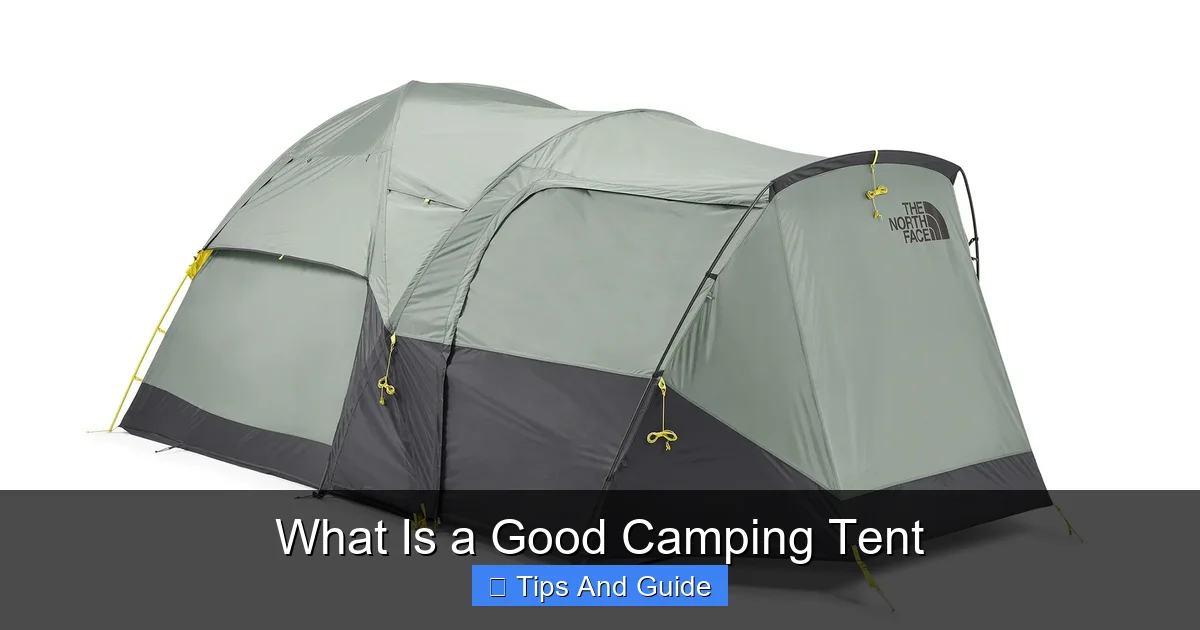
What Is a Good Camping Tent
Choosing a good camping tent means balancing size, weight, weather protection, and ease of setup. The right tent keeps you dry, comfortable, and safe—whether you’re backpacking solo or camping with family.
Imagine this: you’re deep in the woods, the sun is setting, and the first drops of rain start to fall. You unzip your tent, crawl inside, and breathe a sigh of relief—dry, warm, and sheltered. That’s the magic of a good camping tent. It’s more than just fabric and poles; it’s your home away from home, your shield against the elements, and your sanctuary under the stars.
But not all tents are created equal. Some leak at the first sign of drizzle. Others collapse in a strong wind or take forever to set up. So, what exactly makes a camping tent “good”? It’s not just about price or brand—it’s about matching the right features to your needs. Whether you’re a weekend warrior, a family camper, or a thru-hiker, understanding the essentials will help you pick a tent that delivers comfort, safety, and peace of mind.
Key Takeaways
- Size and capacity: Choose a tent rated for one more person than your group size for comfort and gear storage.
- Weather resistance: Look for a high waterproof rating (at least 1,500mm), sealed seams, and a full-coverage rainfly.
- Ventilation: Mesh panels and adjustable vents reduce condensation and keep airflow steady.
- Ease of setup: Freestanding tents with color-coded poles are faster and easier to pitch, especially for beginners.
- Durability and materials: Ripstop nylon or polyester with reinforced floors and sturdy zippers last longer in rough conditions.
- Weight and portability: Backpackers need lightweight tents under 5 lbs, while car campers can prioritize space over weight.
📑 Table of Contents
- Size and Capacity: More Room, More Comfort
- Weather Resistance: Staying Dry When It Pours
- Ventilation: Beating Condensation and Stuffiness
- Ease of Setup: Less Time Pitching, More Time Enjoying
- Durability and Materials: Built to Last
- Weight and Portability: Matching Your Camping Style
- Bonus Features That Make a Difference
Size and Capacity: More Room, More Comfort
One of the most common mistakes campers make is choosing a tent based solely on the number of people it claims to hold. A “3-person tent” might technically fit three adults—but only if they’re cozy. For real comfort, especially if you’re storing backpacks, boots, or a dog inside, go one size up. A good camping tent should offer enough floor space and peak height so you can sit up, move around, and sleep without feeling cramped.
Floor Area and Peak Height
Check the floor dimensions (usually listed in square feet or meters). A family of four, for example, will appreciate a tent with at least 60–70 square feet of space. Peak height matters too—taller campers or those who like to sit up in their sleeping bag will want at least 48 inches of headroom. Some tents even feature near-vertical walls for maximum interior volume.
Doors and Vestibules
Multiple doors make a big difference, especially for groups. No one wants to climb over a snoring roommate at 2 a.m. Look for tents with two doors and vestibules—covered areas outside the main entrance where you can stash wet gear. This keeps mud and rain out of your sleeping area and adds valuable storage space.
Weather Resistance: Staying Dry When It Pours
A good camping tent must stand up to rain, wind, and even snow. The last thing you want is a soggy sleeping bag or a collapsed shelter in the middle of a storm. Weather resistance starts with the rainfly, floor, and seam sealing.
Waterproof Ratings and Materials
The waterproof rating (measured in millimeters) tells you how much water pressure the fabric can handle before leaking. For reliable protection, aim for a rainfly with at least 1,500mm—though 2,000mm or higher is better for heavy rain. The floor should be even more durable, with a rating of 3,000mm or more. Look for polyurethane-coated polyester or ripstop nylon, which resist tears and moisture.
Seam Sealing and Rainfly Coverage
Even the best fabric won’t help if the seams leak. Factory-sealed or taped seams are a must. Also, ensure the rainfly covers the entire tent, including the sides and vestibules. A partial rainfly might save weight, but it leaves gaps for water to sneak in. For extreme conditions, consider a canvas tent, which offers superior insulation and weatherproofing.
Ventilation: Beating Condensation and Stuffiness
Ever wake up to a damp tent walls and a foggy interior? That’s condensation—caused by warm, moist air from breathing and sweating hitting cold fabric. A good camping tent fights this with smart ventilation.
Mesh Panels and Adjustable Vents
Look for large mesh sections on the walls and ceiling. These allow air to flow while keeping bugs out. Adjustable vents near the top of the tent let rising warm air escape, reducing moisture buildup. Some tents even have dual-layer doors—zip the mesh for airflow or the rainfly for privacy and weather protection.
Seasonal Considerations
In summer, ventilation is key to staying cool. But in winter, too much airflow can make you cold. For cold-weather camping, consider a four-season tent with fewer mesh panels and better insulation. If you’re camping in hot climates, check out tips on the best way to cool a tent while camping to maximize comfort.
Ease of Setup: Less Time Pitching, More Time Enjoying
Nobody wants to wrestle with tangled poles at dusk. A good camping tent should be quick and intuitive to set up—even for first-timers.
Freestanding vs. Non-Freestanding Tents
Freestanding tents don’t require stakes to hold their shape, making them easier to move and pitch on rocky or hard ground. They’re ideal for car camping and beginners. Non-freestanding tents (often used by ultralight backpackers) rely on guylines and stakes, which can be trickier but save weight.
Pole Design and Color Coding
Look for color-coded poles and clips that match the tent sleeves or grommets. This eliminates guesswork and speeds up setup. Some modern tents use hub-style pole systems that snap together in seconds—perfect for those who value efficiency. For a side-by-side comparison of setup ease, see this breakdown of the Coleman Instant vs camping tent.
Durability and Materials: Built to Last
A good camping tent should survive multiple seasons—not just one weekend trip. Durability comes down to fabric strength, zipper quality, and construction.
Fabric Types and Denier Ratings
Denier (D) measures fabric thickness. A 70D floor is tougher than a 20D one, but also heavier. For backpacking, 20D–30D is common. For car camping, 70D or higher offers better abrasion resistance. Ripstop weave adds strength by reinforcing threads in a crosshatch pattern, preventing small tears from spreading.
Zippers and Reinforcements
YKK zippers are the gold standard—smooth, strong, and less likely to snag. Reinforced corners and stress points (like where poles attach) also extend a tent’s lifespan. Avoid cheap plastic parts that crack in cold weather.
Weight and Portability: Matching Your Camping Style
Your camping style dictates how much weight you can carry. Backpackers need ultralight tents (under 5 lbs for a 2-person), while car campers can prioritize space and features over weight.
Backpacking vs. Car Camping
Backpacking tents are compact, lightweight, and often have fewer amenities. Car camping tents can be larger, heavier, and include extras like room dividers, gear lofts, and built-in lighting. If you’re driving to your site, don’t sacrifice comfort for a few extra pounds.
Packed Size and Stuff Sacks
Even if a tent is light, a bulky packed size can be a hassle. Look for tents that compress well and come with a durable stuff sack. Some include a separate sack for the rainfly and poles to keep things organized.
Bonus Features That Make a Difference
Beyond the basics, small upgrades can elevate your camping experience.
Gear Lofts and Pockets
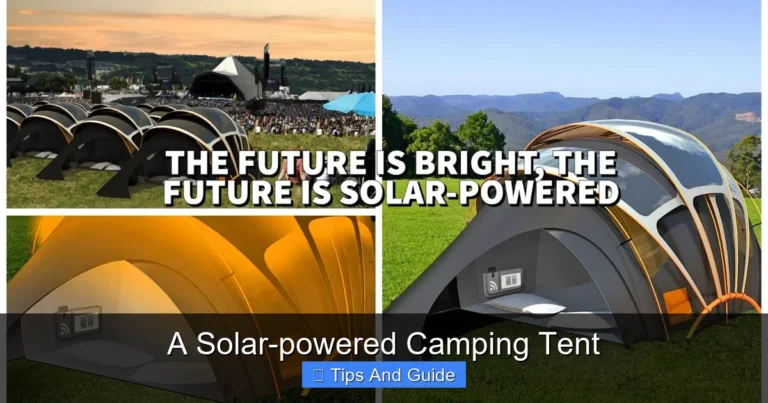
Interior pockets and gear lofts keep small items (phones, headlamps, books) off the floor and within reach. Some tents even have built-in lantern hooks or USB ports for solar-powered lighting.
Footprint and Ground Protection
A footprint (a custom-sized ground cloth) protects the tent floor from rocks and moisture. Some tents include one; others sell it separately. It’s a small investment that can double your tent’s lifespan.
Ultimately, a good camping tent is one that fits your needs, your budget, and your camping style. It’s the difference between a restless night and a peaceful sleep under the stars. Take the time to research, read reviews, and test setup at home before your trip. And remember—no tent is perfect for every situation, but the right one will make all the difference when you’re out in the wild.
Frequently Asked Questions
How do I know if a tent is truly waterproof?
Check the waterproof rating (measured in mm) for both the rainfly and floor. A rating of 1,500mm or higher is good for light rain, while 2,000mm+ is better for heavy storms. Also, look for factory-sealed seams and a full-coverage rainfly.
Should I buy a 3-season or 4-season tent?
3-season tents are ideal for spring, summer, and fall—they’re lightweight and well-ventilated. 4-season tents are built for winter, with stronger poles, less mesh, and better wind resistance. Choose based on your typical camping conditions.
Can I use a camping tent in the snow?
Yes, but only if it’s a 4-season tent designed for snow loads. 3-season tents may collapse under heavy snow. Always clear snow from the roof and ensure guylines are secure.
How often should I clean my tent?
Clean your tent after every trip if it’s muddy or wet. Use mild soap and water, then let it dry completely before storing. Avoid machine washing unless the manufacturer recommends it.
Is a bigger tent always better?
Not necessarily. A bigger tent is more comfortable but heavier and harder to pitch. Choose a size that fits your group plus gear, but don’t go oversized unless you need the space.
Do I need a tent footprint?
Yes, a footprint protects the floor from abrasion and moisture. It’s especially useful on rocky or wet ground and can extend your tent’s life significantly.