What Is a Good Base Weight for Backpacking
Understanding what is a good base weight for backpacking can transform your outdoor adventures. A lighter pack means less strain, more miles, and greater enjoyment on the trail. This guide breaks down ideal weights, gear choices, and practical tips to help you pack smarter and hike farther.
So, you’ve decided to hit the trail—congrats! But now you’re staring at your gear, wondering, “What is a good base weight for backpacking?” You’re not alone. Base weight is one of the most talked-about (and misunderstood) topics in the backpacking world. It’s not about how much food you carry or how many liters of water are in your bottle. Instead, it’s the weight of everything that stays in your pack day after day—your tent, sleeping bag, stove, clothing, and pack itself. Getting this number right can mean the difference between a joyful trek and a painful slog.
Think of base weight as your foundation. The lighter it is, the easier every step becomes. You’ll climb hills faster, recover quicker, and enjoy the scenery instead of just surviving it. But “light” doesn’t have to mean “uncomfortable.” The goal isn’t to suffer—it’s to be smart. With the right gear and a few savvy choices, you can trim pounds without sacrificing safety or sleep quality. Whether you’re planning a weekend getaway or a month-long thru-hike, understanding base weight helps you pack with purpose.
Key Takeaways
- Base weight excludes consumables: It includes everything except food, water, and fuel—focus on minimizing shelter, sleep system, and pack weight.
- Under 10 lbs is ultralight: Many experienced backpackers aim for this range for long-distance or fast-paced trips.
- 10–20 lbs is a sweet spot: Ideal for most weekenders and beginners balancing comfort and weight.
- Over 20 lbs needs evaluation: Heavier packs increase fatigue—consider upgrading gear or removing non-essentials.
- Prioritize shelter and sleep system: These make up the bulk of base weight—invest in lightweight, reliable options.
- Test your setup before heading out: Do a shakedown hike to identify unnecessary items and improve comfort.
- Personal comfort matters: A slightly heavier pack with better sleep or warmth may be worth it in cold or rugged terrain.
📑 Table of Contents
What Exactly Is Base Weight?
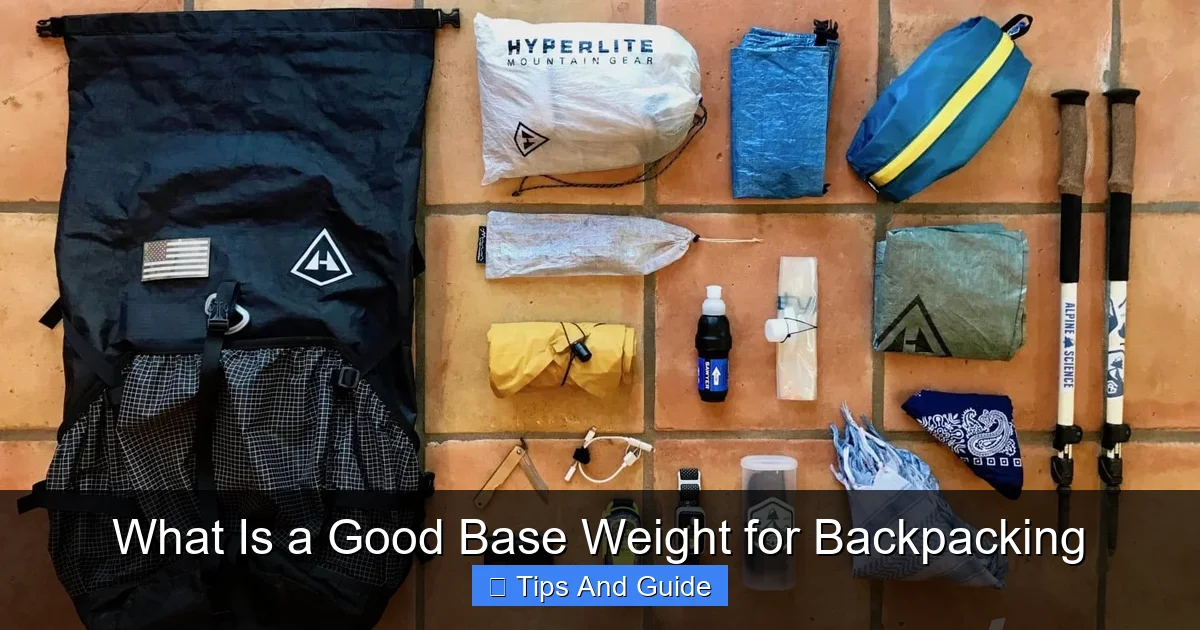
Base weight is the total weight of your backpacking gear excluding consumables like food, water, and fuel. It includes your shelter, sleep system, backpack, cooking setup, clothing, and any other non-food items you carry. This number stays constant throughout your trip, unlike food and water, which get lighter as you use them.
For example, if your tent weighs 2.5 lbs, your sleeping bag 2 lbs, your pack 3 lbs, and your stove and cookware 1 lb, your base weight is 8.5 lbs—even if you start with 5 lbs of food and 2 liters of water. This distinction is crucial because it helps you focus on the gear you can actually control. You can’t change how much water you need, but you can choose a lighter tent or a more compact sleeping pad.
Why Base Weight Matters
A lighter base weight means less strain on your body. Every extra pound adds up over miles and elevation gain. Studies show that carrying more than 20–25% of your body weight increases fatigue and injury risk. For a 150-lb hiker, that’s 30–37.5 lbs total pack weight. If your base weight is 15 lbs, you’ve already used up half your budget before adding food and water.
But it’s not just about physical strain. A lighter pack improves balance, reduces pack rub, and makes navigation easier—especially on rocky or uneven terrain. Plus, you’ll move faster, cover more ground, and have more energy for side trips or sunset views.
What Is a Good Base Weight for Backpacking?
So, what’s the magic number? There’s no one-size-fits-all answer, but most backpackers fall into three general categories based on their goals, experience, and terrain.
Ultralight: Under 10 Pounds
This is the gold standard for long-distance hikers and minimalists. A base weight under 10 lbs means you’re using ultralight gear—think trekking pole tents, down sleeping bags, and frameless packs. For example, the best tent for lightweight backpacking might weigh just 1.5 lbs, and a high-quality down quilt could come in under 1 lb.
Ultralight backpacking is ideal for fair weather, well-maintained trails, and experienced hikers who prioritize speed and efficiency. But it requires careful planning and often a higher upfront investment. You’ll also need to be comfortable with minimal luxuries—no camp chairs, heavy books, or extra socks.
Lightweight: 10–20 Pounds
This is the sweet spot for most backpackers. A base weight between 10 and 20 lbs offers a great balance of comfort, durability, and weight. You can still enjoy a cozy sleeping bag, a sturdy tent, and a few extras like a camp pillow or lightweight camp shoes.
For weekend trips or moderate conditions, this range is ideal. It’s also perfect for beginners who are still learning what they truly need. As you gain experience, you can gradually trim weight without feeling deprived. For instance, upgrading from a 4-lb tent to a 2.5-lb model can drop your base weight significantly without sacrificing livability.
Traditional: Over 20 Pounds
Packs over 20 lbs base weight are common among new backpackers or those carrying extra gear for cold weather, group trips, or rugged terrain. While this isn’t inherently bad, it’s worth evaluating. Ask yourself: Do I really need that second pair of boots? Is my tent overkill for summer conditions?
If you’re consistently over 20 lbs, consider a gear audit. Swap heavy items for lighter alternatives. For example, a best backpacking tent for two people doesn’t need to weigh 5 lbs—many modern options are under 3 lbs. Even small changes add up.
How to Reduce Your Base Weight
Cutting weight doesn’t mean buying everything new. Start with a gear inventory and identify the heaviest items. Then, use these practical strategies.
Upgrade Your Shelter
Your tent is often the heaviest single item. Look for lightweight materials like silnylon or Dyneema. Consider a trekking pole tent, which uses your poles instead of heavy aluminum stakes. For solo hikers, a best tent for solo backpacking can be under 2 lbs. Even if you’re not ready to go ultralight, a 3-lb tent is a huge improvement over a 5-lb model.
Optimize Your Sleep System
Your sleeping bag and pad make up a big chunk of base weight. Down bags are lighter than synthetic, but less effective when wet. Look for a quilt instead of a mummy bag—they’re lighter and just as warm. Pair it with an ultralight sleeping pad like the Therm-a-Rest NeoAir XLite, which weighs under 1 lb and packs small.
Choose a Lightweight Pack
Your backpack should fit well and carry weight comfortably, but it doesn’t need to be heavy. Modern frameless or ultralight internal frame packs weigh 2–3 lbs and are perfect for sub-20-lb base weights. Just make sure it has enough support for your load.
Streamline Cooking Gear
A titanium pot, a lightweight stove, and a spork are all you need. Skip the camp mug and use your pot for coffee. Or go no-cook—many backpackers thrive on cold meals like wraps, nuts, and energy bars.
Wear Your Heaviest Items
Don’t pack your hiking boots—wear them. Same with your rain jacket and extra layers. This simple trick can save 2–3 lbs right away.
When Heavier Is Okay
Sometimes, a heavier base weight makes sense. In winter, you’ll need a four-season tent, a warmer sleeping bag, and extra insulation—adding several pounds. Similarly, if you’re hiking with a dog, you might carry extra food or a best backpacking tent for 2 people and a dog that’s slightly larger and heavier.
Comfort matters too. If a slightly heavier sleeping pad means better sleep and fewer aches, it’s worth the trade-off. The key is intentionality—don’t carry weight you don’t need, but don’t sacrifice safety or rest for the sake of a number.
Final Tips for a Smart Base Weight
– Weigh everything: Use a digital scale to track each item. You’ll be surprised how small things add up.
– Do a shakedown hike: Pack your gear and walk a few miles. Note what you use and what you don’t.
– Start light, then adjust: Begin with a lightweight setup and add only what you truly need.
– Share gear when possible: On group trips, split the weight of a tent or stove.
– Focus on multi-use items: A bandana can be a towel, pot holder, or sun protection.
Conclusion
So, what is a good base weight for backpacking? For most, it’s between 10 and 20 pounds—light enough to move comfortably, but heavy enough to stay safe and cozy. Ultralight hikers may go under 10 lbs, while winter or group trips might push higher. The real goal isn’t to hit a number, but to pack smart. Every pound you save is a step closer to freedom on the trail. Start with your shelter and sleep system, weigh your gear, and don’t be afraid to upgrade. Your back—and your adventures—will thank you.
Frequently Asked Questions
What is included in base weight?
Base weight includes all non-consumable gear: tent, sleeping bag, pack, stove, clothing, and other essentials. It does not include food, water, or fuel, which are used up during the trip.
Is a 15-pound base weight good?
Yes, a 15-pound base weight is excellent for most backpackers. It’s lightweight enough for comfort and speed, yet allows room for a quality sleep system and reliable shelter.
Can I reduce base weight without buying new gear?
Absolutely. Wear heavy items, remove duplicates, and choose multi-use gear. Even small changes—like switching to a lighter toothbrush—can add up over time.
What’s the lightest possible base weight?
Some ultralight hikers achieve base weights under 5 pounds, but this requires specialized gear and minimal comforts. Most find 8–10 lbs to be a practical lower limit for regular trips.
Does base weight change with season?
Yes. Winter trips often require heavier tents, warmer sleeping bags, and extra insulation, increasing base weight. Adjust your gear based on conditions.
Should I aim for the lowest base weight possible?
Not necessarily. Comfort, safety, and durability matter too. A slightly heavier pack with better sleep or weather protection may be worth the extra weight.