What Is a Camping Tent
A camping tent is a portable shelter designed to protect outdoor enthusiasts from weather, insects, and rough terrain. It’s a must-have for campers, hikers, and families seeking comfort and safety in the wild. Whether you’re backpacking or car camping, choosing the right tent makes all the difference.
Imagine stepping out of your car at a quiet forest campsite as the sun dips below the trees. The air is crisp, the birds are chirping, and you’re ready to unwind under the stars. But before you can enjoy that peaceful night, there’s one essential item you need: a camping tent. It’s more than just a piece of fabric—it’s your home away from home, your shield against the elements, and your gateway to adventure.
So, what exactly is a camping tent? At its core, a camping tent is a portable, temporary shelter designed for outdoor use. It’s typically made from lightweight, weather-resistant materials like nylon or polyester and supported by flexible poles. Most tents feature a waterproof rainfly, mesh windows for ventilation, and a durable floor to keep moisture and dirt out. Whether you’re backpacking through rugged trails or setting up base at a family-friendly campground, the right tent provides safety, privacy, and comfort in nature.
Key Takeaways
- Definition: A camping tent is a lightweight, collapsible shelter made from waterproof fabric and supported by poles, offering protection during outdoor stays.
- Core Purpose: It shields campers from rain, wind, cold, insects, and uneven ground, creating a safe and private sleeping space.
- Types Available: Tents come in various styles—dome, cabin, tunnel, and A-frame—each suited to different camping needs and environments.
- Size Matters: Tents are rated by occupancy (2-person, 4-person, etc.), but always allow extra space for gear and comfort.
- Material & Durability: Look for ripstop nylon or polyester with a high waterproof rating (measured in mm) for long-lasting performance.
- Setup Ease: Freestanding tents with color-coded clips make pitching quick and beginner-friendly.
- Care Tips: Proper cleaning, drying, and storage extend your tent’s life and prevent mold or fabric damage.
📑 Table of Contents
Why Every Camper Needs a Tent
A camping tent isn’t just a luxury—it’s a necessity. Without one, you’re exposed to rain, wind, cold temperatures, and biting insects. Even on a clear night, the ground can be damp and uneven, making sleep nearly impossible. A good tent creates a barrier between you and the elements, helping regulate temperature and block drafts. It also offers privacy, especially in busy campgrounds, and gives you a secure place to store gear.
Beyond protection, tents enhance the overall camping experience. They create a sense of routine and comfort, making it easier to relax and enjoy nature. For families, a spacious tent becomes a cozy retreat where kids can sleep safely while parents unwind. For solo adventurers, it’s a personal sanctuary after a long day of hiking. In short, a camping tent transforms the outdoors from a challenging environment into a welcoming space.
Types of Camping Tents
Not all tents are created equal. Different designs suit different needs, terrains, and group sizes. Understanding the options helps you pick the best fit for your adventure.
Dome Tents
The most common and versatile style, dome tents feature curved poles that cross at the top, creating a rounded, stable shape. They’re great for wind resistance and easy to set up. Ideal for backpacking and car camping, dome tents come in 1- to 8-person sizes. Their low profile keeps them aerodynamic, making them a favorite for weekend campers and families.
Cabin Tents
If space is your priority, cabin tents are the way to go. These upright tents offer near-vertical walls, maximizing interior headroom and floor space. They’re perfect for car camping or family trips where you want room to stand, store gear, and even bring in camp furniture. However, they’re heavier and less wind-resistant than dome tents, so they’re best for calm, established campsites.
Tunnel Tents
Long and low to the ground, tunnel tents use multiple arched poles to create a tunnel-like structure. They offer excellent space-to-weight ratios and are popular among backpackers and bike campers. Their elongated shape makes them less stable in high winds unless properly staked, but they’re efficient and roomy for the weight.
A-Frame Tents
Classic and simple, A-frame tents have a triangular shape supported by two poles. They’re lightweight and easy to pitch, making them great for minimalist campers. However, they offer less interior space and aren’t as weather-resistant as modern designs. Still, they’re a nostalgic favorite for traditionalists and short trips.
Instant or Pop-Up Tents
These modern marvels spring into shape in seconds—no poles to assemble. Great for beginners or quick setups, instant tents are perfect for casual campers or festival-goers. Just be aware that they may not be as durable or weatherproof as traditional models. For a deeper dive, check out our comparison of Coleman Instant vs Camping Tent.
Key Features to Look For
When shopping for a camping tent, don’t just focus on size or price. Several features determine how well a tent will perform in real-world conditions.
Waterproof Rating
Look for a tent with a high hydrostatic head rating—ideally 1,500mm or higher for the rainfly and 2,000mm+ for the floor. This number measures how much water pressure the fabric can withstand before leaking. A higher rating means better protection during heavy rain.
Vestibules
These covered areas outside the main entrance provide extra storage for boots, backpacks, and wet gear. They keep dirt and moisture out of your sleeping area and add useful space without increasing the tent’s footprint.
Ventilation
Mesh panels and adjustable vents reduce condensation and keep air flowing. Poor ventilation leads to dampness and discomfort, especially in humid climates. Look for tents with multiple mesh windows and roof vents.
Freestanding Design
Most modern tents are freestanding, meaning they stay upright without stakes. This makes setup easier and allows you to move the tent once it’s pitched—handy if you realize your spot is rocky or uneven.
Ease of Setup
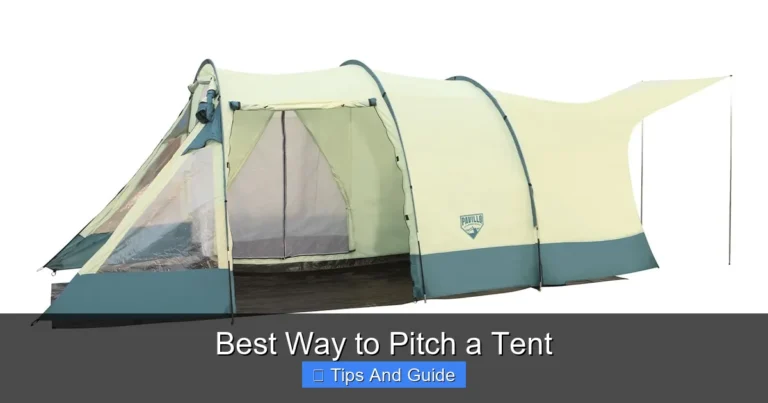
Color-coded poles, clip attachments, and clear instructions make pitching faster and less frustrating. Practice setting up your tent at home before your trip to avoid surprises at the campsite. For tips, see our guide on how to set up a camping tent.
Choosing the Right Size
Tent sizes are usually labeled by the number of people they can sleep—like 2-person or 6-person. But these numbers assume minimal space per person. For comfort, especially with gear, consider sizing up. A 3-person tent is often better for two people who want room to stretch.
Think about your camping style. Backpackers need lightweight, compact tents (often 1- or 2-person). Families or car campers can go bigger—4- to 8-person tents offer space for sleeping bags, backpacks, and even a small table. For families, we recommend the best camping tent for a family of 4, which balances space, weight, and ease of use.
Also consider the tent’s floor dimensions and peak height. Taller campers or those who like to sit up will appreciate a tent with more vertical space. And always check the packed size and weight if you’re hiking to your site.
Caring for Your Tent
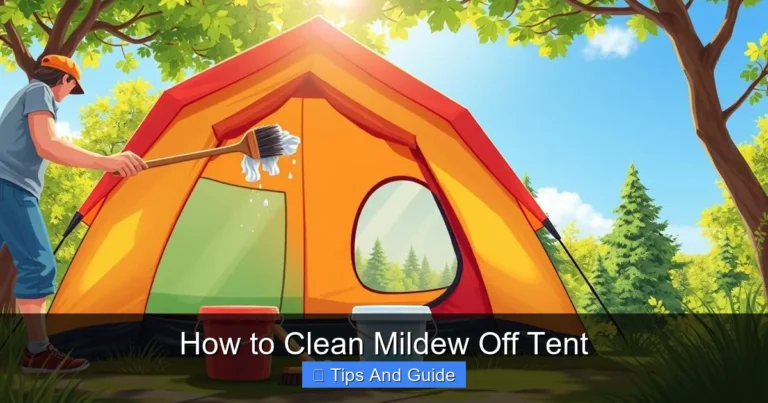
A camping tent is an investment. With proper care, it can last for years. The biggest mistake campers make? Packing it away wet. Always dry your tent completely before storing to prevent mold and mildew. Use a clean towel to wipe off mud and debris, and avoid using harsh detergents.
After your trip, give your tent a gentle wash with mild soap and water. Rinse thoroughly and let it air dry in the shade—direct sunlight can weaken fabric over time. Store it loosely in a breathable bag, not compressed, to maintain its shape and coating.
For deeper cleaning, check out our guide on the best way to clean a tent after camping. And if you notice leaks, learn how to waterproof a camping tent with seam sealer and fabric treatment.
Final Thoughts
A camping tent is more than just shelter—it’s your companion on every outdoor journey. From rainy nights under the pines to starlit evenings by the lake, the right tent keeps you safe, dry, and comfortable. Whether you’re a weekend warrior or a full-time nomad, investing in a quality tent pays off in peace of mind and unforgettable memories.
So next time you plan a trip, don’t overlook this essential gear. Choose wisely, set it up with care, and treat it well. Your future self—sleeping soundly under the stars—will thank you.
Frequently Asked Questions
What is a camping tent used for?
A camping tent provides shelter and protection from weather, insects, and rough terrain. It creates a private, comfortable space for sleeping and storing gear while camping outdoors.
How many people can sleep in a 4-person tent?
A 4-person tent is designed for four sleeping bags, but it’s often more comfortable for two or three people with gear. For extra space, consider a larger size.
Can you use a camping tent in the rain?
Yes, as long as it has a waterproof rainfly and sealed seams. Always set it up on high ground and use a ground tarp to prevent water from seeping in.
How do I keep my tent warm at night?
Use a sleeping pad for insulation, wear warm clothes, and consider a tent heater. For tips, see our guide on the best way to heat a tent while camping.
Do I need a tent footprint?
A footprint (or ground tarp) protects the tent floor from rocks, roots, and moisture. It’s highly recommended, especially on rough terrain.
How often should I clean my tent?
Clean your tent after every trip if it’s dirty or wet. Regular maintenance prevents mold and extends the life of the fabric and zippers.