What Is a Camping Pup Tent
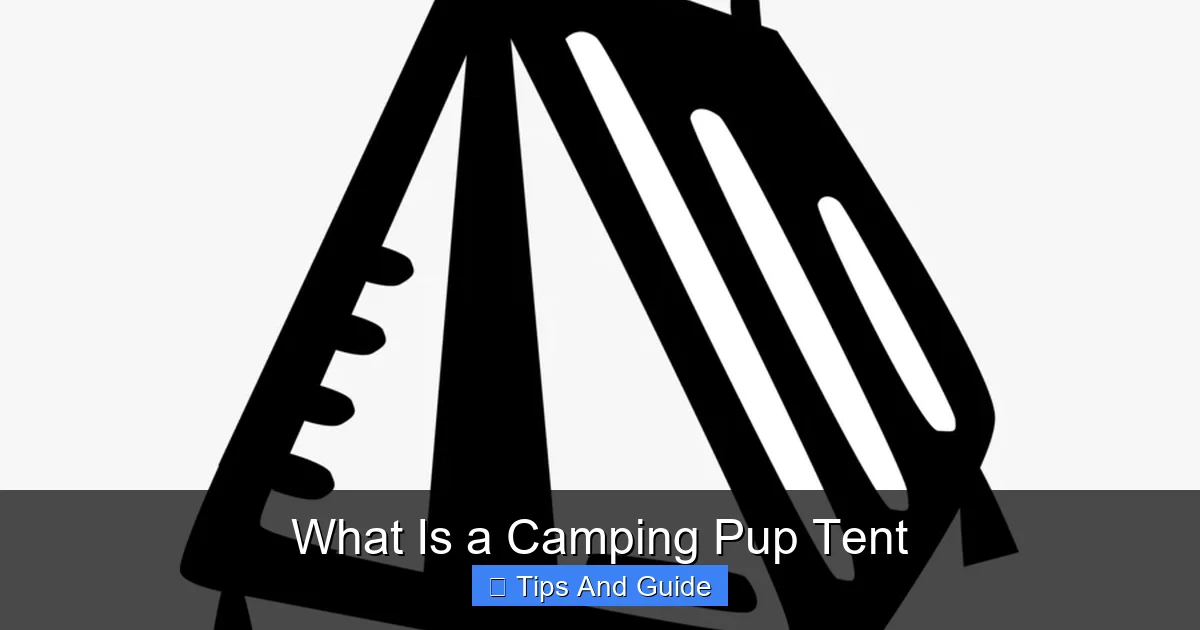
A camping pup tent is a small, lightweight shelter designed for one or two people, ideal for backpacking and minimalist camping. It’s easy to carry, quick to set up, and offers just enough space for essential gear and a comfortable night’s sleep.
[FEATURED_IMAGE_PLACEHEROLDER]
Key Takeaways
- Compact and Lightweight: Pup tents are designed for portability, often weighing under 4 pounds, making them perfect for hikers and backpackers.
- Quick Setup: Most pup tents can be pitched in under 5 minutes with minimal stakes and guylines.
- Ideal for Solo or Duo Camping: Typically built for one or two people, they offer snug but efficient sleeping space.
- Affordable and Durable: These tents balance cost and quality, using weather-resistant materials like ripstop nylon or polyester.
- Great for Fair Weather: Best used in mild conditions; not ideal for heavy rain or snow without extra protection.
- Minimalist Design: Focuses on function over luxury—no extra rooms or large vestibules, just shelter and sleep space.
- Perfect for Car Camping Too: While popular among backpackers, pup tents also work well for short car camping trips when space is limited.
📑 Table of Contents
What Is a Camping Pup Tent?
A camping pup tent is a small, lightweight shelter designed primarily for one or two people. Think of it as the minimalist’s dream—simple, compact, and built for efficiency. Unlike large family tents with multiple rooms and tall ceilings, a pup tent focuses on the essentials: protection from the elements, a place to sleep, and enough room to store a backpack or two.
Originally used by military personnel during field operations, the term “pup tent” comes from the idea of a smaller version of a larger shelter—like a puppy to a full-grown dog. Today, these tents are popular among backpackers, solo adventurers, and anyone who values mobility and simplicity. They’re not meant for luxury camping, but they excel at providing reliable shelter without weighing you down.
Key Features of a Camping Pup Tent
Lightweight and Portable
One of the biggest advantages of a pup tent is its weight. Most models weigh between 2 and 4 pounds, making them ideal for long hikes where every ounce counts. They pack down small—often into a stuff sack no bigger than a football—so they fit easily into a backpack without taking up much space.
For example, the best bike tent for camping often includes pup-style designs because cyclists need gear that’s both light and compact. Whether you’re biking through mountain trails or hiking deep into the woods, a pup tent won’t slow you down.
Simple Setup Process
Pup tents are designed for quick assembly. Most use two poles and a handful of stakes, and many come with color-coded clips or sleeves to guide setup. In ideal conditions, you can have your tent up in under five minutes—perfect after a long day on the trail.
Some models even feature a “freestanding” design, meaning they don’t need to be staked down to hold their shape. This is helpful if you’re camping on rocky or hard ground where driving stakes is difficult. For tips on setting up quickly, check out our guide on how to set up a tent for camping.
Weather Resistance (Within Limits)
While not built for extreme weather, most pup tents offer decent protection against light rain, wind, and morning dew. They typically feature a waterproof rainfly, sealed seams, and a bathtub-style floor to keep moisture out. However, they’re not recommended for heavy storms or snowy conditions unless reinforced with additional tarps or guylines.
If you’re camping in wet climates, consider learning how to waterproof a camping tent to extend your pup tent’s lifespan and improve its performance in damp conditions.
Interior Space and Comfort
Don’t expect a spacious interior. A pup tent is snug—just enough room for one or two sleeping bags and a small pack. Some models include a tiny vestibule for storing boots or wet gear, but don’t count on extra headroom or standing space.
That said, the compact design encourages organization. You’ll learn to pack smart and live minimally, which many campers find refreshing. For added comfort, pair your pup tent with a quality sleeping pad and a compact camping cot or inflatable mattress. For ideas, see our article on the best beds for camping in a tent.
Who Should Use a Camping Pup Tent?
Backpackers and Hikers
If you’re covering miles each day with everything on your back, a pup tent is a smart choice. Its light weight and small packed size make it a favorite among thru-hikers and weekend trail warriors. You’ll appreciate not having to carry extra bulk while still enjoying reliable shelter at night.
Solo Campers
For individuals who enjoy solitude in nature, a pup tent offers privacy and simplicity. It’s just the right size for one person and their gear, and it won’t feel empty or echoey like a larger tent might. Plus, it’s easier to find a flat, suitable spot to pitch a small tent in tight campsites.
Minimalist and Budget Campers
Pup tents are often more affordable than larger, feature-rich models. If you’re new to camping or don’t want to invest heavily in gear, a pup tent is a great starting point. It teaches you the basics of shelter, packing, and outdoor living without overwhelming you with options.
Car Campers Who Value Simplicity
Even if you’re not hiking far, a pup tent can be perfect for short car camping trips. Maybe you’re heading to a music festival, a beach weekend, or a quick mountain getaway. A pup tent sets up fast, takes up little space in your vehicle, and gives you a cozy place to sleep without the hassle of a giant tent.
Pros and Cons of Pup Tents
Advantages
- Lightweight: Easy to carry on long hikes or bike tours.
- Fast Setup: No complicated instructions or extra tools needed.
- Affordable: Generally cheaper than larger tents with more features.
- Low Profile: Blends into the environment and resists wind better than tall tents.
- Easy to Store: Takes up minimal space at home when not in use.
Disadvantages
- Limited Space: Not suitable for gear-heavy campers or those who like extra room.
- No Standing Room: You’ll be sitting or lying down inside—no walking around.
- Less Weather-Resistant: Not ideal for heavy rain, snow, or high winds without modifications.
- Minimal Ventilation: Can get stuffy on warm nights unless vents are open.
- No Extra Rooms: No separate living or storage areas like in larger tents.
Tips for Getting the Most Out of Your Pup Tent
Choose the Right Ground
Always look for level, dry ground free of rocks, roots, and debris. Use a footprint or tarp underneath to protect the tent floor from wear and moisture. Avoid low spots where water might pool during rain.
Use a Quality Sleeping Pad
Since pup tents have thin floors, a good sleeping pad is essential for comfort and insulation. Inflatable pads or foam mats add cushioning and help keep you warm from the cold ground.
Pack Smart
With limited space, every item counts. Use compression sacks for clothes and sleeping bags, and keep only essentials inside the tent. Store wet or dirty gear in the vestibule or a separate dry bag.
Ventilate Properly
On warm nights, open vents or leave the rainfly partially off (if no rain is expected) to improve airflow. This reduces condensation and keeps the interior fresh.
Maintain Your Tent
After each trip, clean and dry your tent thoroughly before storing it. Sand, dirt, and moisture can damage fabric and coatings over time. For detailed care instructions, read our guide on how to clean a tent after camping.
Conclusion
A camping pup tent may be small, but it packs a big punch for the right kind of adventurer. It’s perfect for those who value simplicity, mobility, and efficiency over luxury and space. Whether you’re backpacking through the wilderness, biking across states, or just enjoying a quiet night under the stars, a pup tent offers reliable shelter without the bulk.
While it won’t replace a large family tent for group trips, it shines in situations where less is more. With proper care and smart packing, a pup tent can be a lifelong companion on countless outdoor journeys. So if you’re ready to travel light and sleep close to nature, a camping pup tent might just be your next best purchase.
Frequently Asked Questions
How much does a typical camping pup tent weigh?
Most camping pup tents weigh between 2 and 4 pounds, making them ideal for backpacking and long hikes. Some ultralight models can go even lower, around 1.5 pounds.
Can two people comfortably sleep in a pup tent?
Yes, many pup tents are designed for two people, but space is tight. It works best for couples or friends who don’t mind close quarters and travel light.
Are pup tents waterproof?
Most pup tents come with a waterproof rainfly and sealed seams, offering good protection in light to moderate rain. However, they’re not designed for heavy storms unless reinforced.
Do I need a tarp under my pup tent?
Yes, using a footprint or tarp underneath helps protect the tent floor from abrasion, moisture, and punctures. It extends the life of your tent.
Can I use a pup tent in winter?
Pup tents are not ideal for winter camping unless they’re specifically designed for cold weather. For snow and freezing temps, consider a four-season tent or add insulation and windbreaks.
How do I prevent condensation inside my pup tent?
Ventilate properly by opening vents or slightly lifting the rainfly. Avoid bringing wet gear inside, and use moisture-wicking sleepwear to reduce internal humidity.