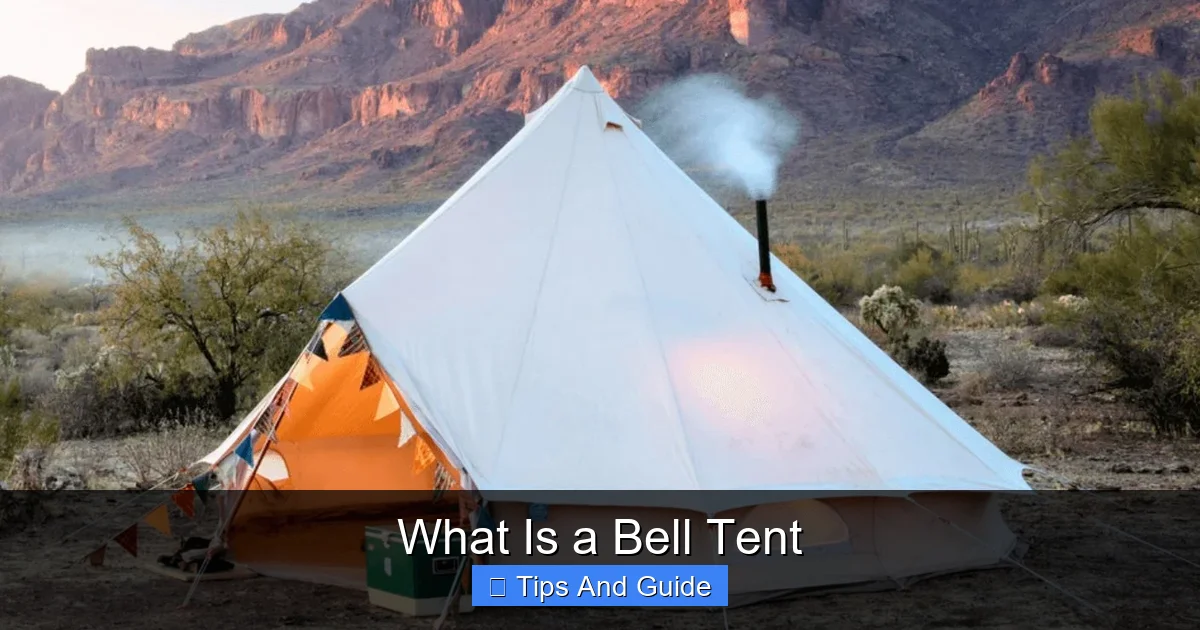
What Is a Bell Tent
A bell tent is a circular, cone-shaped shelter with a central pole, offering spacious, stable, and stylish outdoor accommodation. Originally used by nomadic cultures, today’s bell tents are popular for glamping, family camping, and festivals due to their durability, ease of setup, and cozy interior.
If you’ve ever dreamed of sleeping under the stars without sacrificing comfort, you’ve probably come across the term “bell tent.” But what exactly is a bell tent, and why are they becoming the go-to choice for outdoor enthusiasts, glampers, and festival-goers alike?
A bell tent is a type of portable shelter characterized by its circular shape and conical roof, supported by a single central pole. Unlike traditional A-frame or dome tents, bell tents offer a spacious, open interior with vertical walls that maximize usable space. They’re typically made from durable materials like cotton canvas or polyester, and their design allows for excellent airflow, stability in wind, and a surprisingly homey atmosphere.
Whether you’re planning a weekend getaway in the woods, hosting a backyard sleepover, or attending a music festival, a bell tent can transform your outdoor experience. In this guide, we’ll dive deep into the world of bell tents—exploring their history, design, benefits, setup process, and how to care for one. By the end, you’ll know whether a bell tent is the right fit for your next adventure.
Key Takeaways
- Distinctive Design: Bell tents feature a circular floor plan and a single central pole, creating a spacious, open interior ideal for comfort and airflow.
- Historical Roots: Inspired by traditional Mongolian yurts and military tents, bell tents have evolved into modern glamping favorites.
- Easy Setup: Most bell tents can be pitched in under 30 minutes with just one or two people using a center pole and guy lines.
- Durable Materials: Made from heavy-duty cotton canvas or polyester, they resist wind, rain, and UV damage when properly maintained.
- Versatile Use: Perfect for camping, festivals, backyard stays, or even as a permanent garden shelter with the right setup.
- Weather Resilience: With proper anchoring and a groundsheet, bell tents handle rain, wind, and even light snow better than many dome tents.
- Comfort & Style: Their tall walls and open layout allow for standing room, furniture, and a cozy, home-like feel under the stars.
📑 Table of Contents
Origins and Evolution of the Bell Tent
The bell tent has a rich history that stretches back centuries. Its design is believed to have originated from military tents used by European armies in the 18th and 19th centuries. These early versions were praised for their stability and ease of assembly in the field. Over time, the design evolved and found new life among nomadic cultures and outdoor adventurers.
One of the closest relatives to the modern bell tent is the Mongolian yurt, a circular, portable dwelling used by nomads in Central Asia. While yurts use a lattice wall structure, bell tents simplify the design with a single pole and tensioned fabric, making them lighter and easier to transport.
In recent decades, the bell tent has experienced a renaissance thanks to the rise of glamping—luxury camping that blends nature with comfort. Today’s bell tents are crafted with high-quality materials, modern features like mesh windows, and stylish finishes that make them as much a design statement as a functional shelter.
Anatomy of a Bell Tent
Understanding the parts of a bell tent helps explain why it’s so effective and user-friendly.
Central Pole
The heart of the bell tent is its central pole, which supports the entire structure. Most poles are made of lightweight yet strong materials like aluminum or steel. Some models come with adjustable poles to fine-tune height and tension.
Guy Lines and Pegs
Guy lines (or ropes) run from the top of the pole to the ground, anchored with sturdy pegs. These lines are essential for stability, especially in windy conditions. High-quality bell tents include reinforced attachment points and durable ropes.
Fabric and Material
Bell tents are typically made from one of two main materials:
– Cotton Canvas: Breathable, natural, and excellent at regulating temperature. It’s heavier but more durable and mold-resistant when treated.
– Polyester: Lighter and more water-resistant out of the box, but less breathable. Often coated with PU (polyurethane) for waterproofing.
Canvas bell tents are favored for long-term use and glamping, while polyester versions are popular for festivals and short trips.
Floor and Groundsheet
Most bell tents include a sewn-in or detachable groundsheet to protect against moisture and dirt. For extra protection, many campers use an additional tarp underneath—learn more about the best way to put a tarp under a tent to prevent ground moisture from seeping in.
Doors and Windows
Bell tents usually feature one or two zippered doors with mesh screens for ventilation and bug protection. Some models include side windows with roll-up covers, allowing for cross-breezes and natural light.
Why Choose a Bell Tent?
So, what makes bell tents stand out from other camping shelters? Let’s break down the key advantages.
Spacious Interior
Thanks to their circular design and vertical walls, bell tents offer more usable space than dome tents of the same footprint. You can easily stand up inside, arrange furniture, and even fit a small table or chairs. For example, a 16-foot bell tent can comfortably sleep 4–6 people with room to spare.
Easy and Quick Setup
Despite their size, bell tents are surprisingly easy to pitch. With practice, one person can set up a standard bell tent in under 30 minutes. The process involves placing the groundsheet, laying out the tent, raising the central pole, and securing the guy lines. For detailed guidance, check out our guide on the best way to set up a tent.
Excellent Weather Resistance
Bell tents are built to handle the elements. The steep sides shed rain and snow efficiently, while the taut fabric resists flapping in the wind. When properly anchored, they’re far more stable than many pop-up or dome tents. For wet conditions, consider waterproofing your tent before your trip to ensure maximum protection.
Breathability and Comfort
Canvas bell tents, in particular, are highly breathable. They allow moisture from breathing and cooking to escape, reducing condensation inside. This makes them ideal for longer stays and family camping. Plus, the open layout creates a cozy, cabin-like feel—perfect for relaxing after a day of hiking.
Stylish and Versatile
Bell tents aren’t just functional—they’re beautiful. Their elegant shape and natural materials blend seamlessly into forest, beach, or mountain settings. Many people use them as permanent garden rooms, guest houses, or even yoga studios.
How to Set Up a Bell Tent
Setting up a bell tent is straightforward, but a few tips can make the process smoother.
Choose the Right Location
Look for level ground with good drainage. Avoid low spots where water might pool. Clear the area of rocks, sticks, and debris.
Use a Groundsheet or Tarp
Always use a groundsheet or tarp underneath your tent to protect the floor. This prevents moisture from wicking up and extends the life of your tent.
Raise the Central Pole
Insert the pole into the designated sleeve or grommet at the top of the tent. Have a helper hold it upright while you adjust the height.
Tension the Guy Lines
Attach the guy lines to stakes driven into the ground at a 45-degree angle. Tighten them evenly to keep the tent taut and stable.
Secure the Doors and Windows
Zip up doors and close windows if rain is expected. For ventilation on warm days, leave mesh panels open.
For more detailed instructions, including how to pitch in windy or rainy conditions, see our guide on the best way to pitch a tent.
Caring for Your Bell Tent
Proper maintenance ensures your bell tent lasts for years.
Cleaning
After each trip, shake out dirt and debris. If the tent is muddy, let it dry completely before cleaning with a mild soap and water. Avoid machine washing canvas tents, as it can damage the fabric.
Drying
Never pack a wet tent. Mildew and mold can develop quickly, especially in humid climates. If you must pack it damp, air it out as soon as possible. For tips, read our guide on how to dry out a wet tent.
Storage
Store your bell tent in a cool, dry place. Use a breathable storage bag—not plastic—to prevent moisture buildup. Keep it loosely folded to avoid crease damage.
Re-waterproofing
Over time, the waterproof coating on your tent may wear off. Reapply a waterproofing spray or wash-in treatment annually, especially if you notice leaks. Learn more in our guide on how to re-waterproof a tent.
Bell Tent vs. Other Tent Types
How does a bell tent compare to other popular options?
Bell Tent vs. Dome Tent
Dome tents are lighter and better for backpacking, but they offer less headroom and interior space. Bell tents win on comfort and stability but are heavier and require more setup time.
Bell Tent vs. Beach Tent
Beach tents are designed for sun protection and quick shade at the shore. They’re smaller, lighter, and less durable. Bell tents are better for overnight stays and all-weather use. For a detailed comparison, see our article on large 3 vs beach tent: which is for you?
Bell Tent vs. Cabin Tent
Cabin tents offer room dividers and multiple doors but often lack the aesthetic appeal and natural feel of a bell tent. Bell tents provide a more immersive outdoor experience.
Final Thoughts
A bell tent is more than just a shelter—it’s a gateway to comfort, adventure, and connection with nature. Whether you’re a weekend camper, a glamping enthusiast, or someone looking to create a magical outdoor space, a bell tent offers unmatched style, space, and resilience.
With proper care and setup, your bell tent can serve you for many seasons. From rainy mountain retreats to sunny beach festivals, it adapts to your needs and enhances your experience. So the next time you’re planning an outdoor getaway, consider trading your traditional tent for the timeless charm of a bell tent.
Frequently Asked Questions
How long does it take to set up a bell tent?
Most bell tents can be set up in 20 to 30 minutes by one or two people. With practice, experienced users can pitch one in under 15 minutes.
Are bell tents waterproof?
Yes, most bell tents are made with water-resistant or waterproof materials like treated canvas or PU-coated polyester. However, re-waterproofing every few years is recommended for long-term use.
Can you sleep in a bell tent in the winter?
Yes, but you’ll need proper insulation and heating. Use a wood stove, insulated groundsheet, and thermal liner. Check out our guide on how to insulate a tent for winter for tips.
How many people fit in a bell tent?
A 13-foot bell tent fits 2–3 people comfortably, while a 16-foot model can sleep 4–6. Larger sizes are available for groups or glamping setups.
Do bell tents get hot in the summer?
Canvas bell tents are breathable and stay cooler than synthetic tents. For extra comfort, use mesh windows and a fan. Learn more in our guide on how to keep a tent cool.
Can I use a bell tent on the beach?
Yes, but avoid direct saltwater exposure and use sand anchors instead of standard stakes. A bell tent offers more space and durability than a typical beach tent.