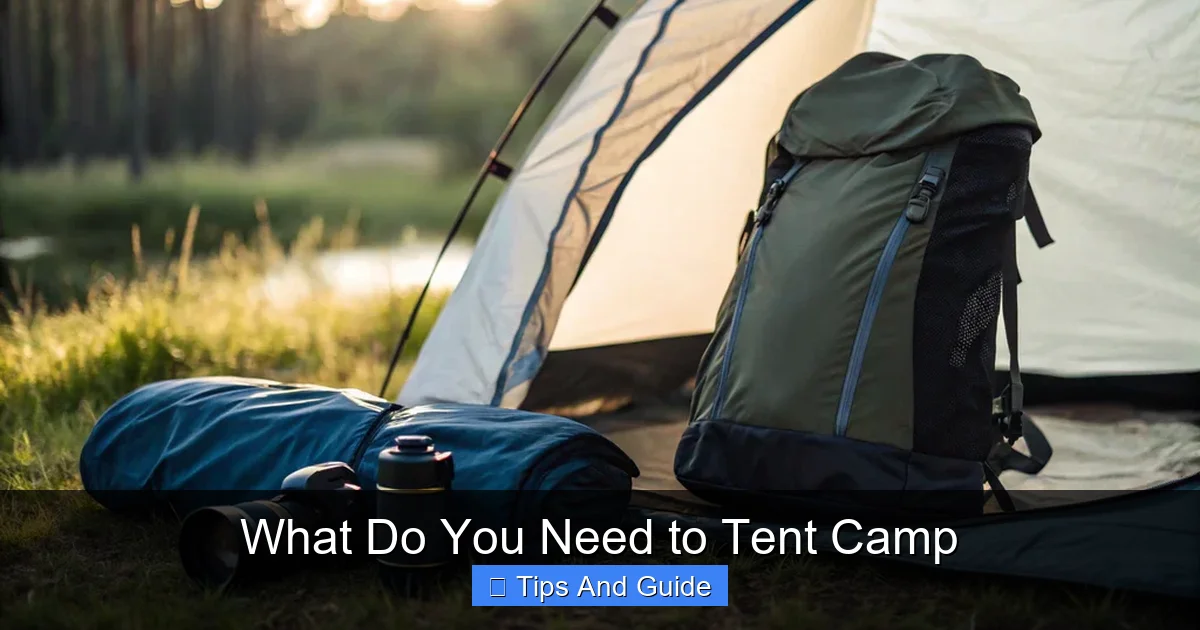
What Do You Need to Tent Camp
Tent camping is an exciting way to connect with nature, but it requires the right gear and preparation. From choosing the perfect tent to packing essential supplies, this guide covers all you need for a safe, comfortable, and fun camping trip.
Tent camping is one of the most rewarding ways to experience the great outdoors. Whether you’re heading into the mountains, forests, or lakeside campsites, there’s something magical about sleeping under the stars, waking up to birdsong, and cooking meals over a campfire. But while the idea sounds simple, a successful tent camping trip depends heavily on preparation and having the right gear.
Many beginners assume that all you need is a tent and a sleeping bag. While those are essential, there’s a whole list of items that can make or break your adventure. From staying warm and dry to keeping food safe from wildlife, every detail matters. This guide will walk you through everything you need to tent camp comfortably and confidently—whether it’s your first trip or you’re looking to refine your packing list.
Key Takeaways
- Choose the right tent: Match size, weight, and weather rating to your needs for comfort and protection.
- Pack essential sleeping gear: A sleeping bag, sleeping pad, and pillow ensure restful nights outdoors.
- Bring reliable lighting: Headlamps, lanterns, and backup batteries keep your campsite safe after dark.
- Plan for cooking and food storage: Use a camp stove, utensils, and bear-proof containers to manage meals safely.
- Don’t forget safety and hygiene items: First aid kits, hand sanitizer, and proper clothing protect your health.
- Prepare for weather changes: Layer clothing and pack rain gear to stay dry and comfortable in any condition.
- Follow Leave No Trace principles: Respect nature by packing out trash and minimizing your environmental impact.
📑 Table of Contents
1. Choosing the Right Tent
Your tent is your home away from home, so picking the right one is crucial. A good tent should offer protection from wind, rain, and insects, while also being easy to set up and pack away.
Tent Size and Capacity
When selecting a tent, consider how many people will be sleeping inside. Tents are usually labeled by capacity (e.g., 2-person, 4-person), but keep in mind that these numbers assume minimal space. For comfort, choose a tent rated for one fewer person than your group size. For example, a 3-person tent is ideal for two campers who want room for gear.
Season Rating and Weather Resistance
Tents come in 3-season and 4-season models. Most campers use 3-season tents, which are designed for spring, summer, and fall. They’re lightweight and offer good ventilation. If you’re camping in snow or high winds, a 4-season tent is a better choice. Always check the tent’s waterproof rating—look for a minimum of 1,500mm for the rainfly and floor.
Ease of Setup
Look for tents with color-coded poles and quick-clip systems. Practice setting up your tent at home before your trip. For detailed guidance, check out our article on how to set up a camp tent to avoid frustration at the campsite.
2. Sleeping Gear for Comfort
A good night’s sleep is essential for enjoying your camping trip. The right sleeping gear can mean the difference between shivering through the night and waking up refreshed.
Sleeping Bag
Choose a sleeping bag rated for the lowest temperature you expect. For summer camping, a 30°F to 50°F bag is usually sufficient. In colder weather, opt for a 20°F or lower bag. Down bags are lightweight and warm but lose insulation when wet. Synthetic bags are heavier but perform better in damp conditions.
Sleeping Pad or Air Mattress
A sleeping pad insulates you from the cold ground and adds cushioning. Foam pads are affordable and durable, while inflatable pads offer more comfort. For extra warmth in winter, consider a double-layer system with both foam and air pads. Learn more about staying cozy in cold weather in our guide on how to tent camp in cold weather.
Pillow and Liner
Don’t forget a compact camping pillow or use a stuff sack filled with clothes. A sleeping bag liner adds warmth and keeps your bag clean. These small items make a big difference in comfort.
3. Lighting and Power
When the sun goes down, reliable lighting keeps your campsite safe and functional.
Headlamps and Flashlights
A headlamp is a must-have—it leaves your hands free for cooking, setting up gear, or walking at night. Choose one with adjustable brightness and red-light mode to preserve night vision. Bring extra batteries or a rechargeable model with a USB port.
Camp Lanterns
For ambient light at the campsite, a battery-powered or solar lantern works well. LED lanterns are energy-efficient and often collapsible for easy packing. Some models even have USB ports to charge your phone.
Backup Power
If you’re bringing electronics, pack a portable power bank. For longer trips, consider a solar charger. This is especially helpful if you’re camping without electricity and need to keep devices charged.
4. Cooking and Food Essentials
Eating well while camping doesn’t have to mean cold sandwiches. With the right tools, you can enjoy hot meals and snacks.
Camp Stove and Fuel
A portable camp stove is the most reliable way to cook. Propane stoves are easy to use and widely available. For backpacking, consider a lightweight canister stove. Always bring extra fuel and a windscreen to protect your flame.
Cookware and Utensils
Pack a lightweight pot, pan, and utensils. A spork, knife, and cutting board are handy. Don’t forget a mug, bowl, and plate—collapsible silicone versions save space. For cleaning, bring biodegradable soap and a small sponge.
Food Storage and Safety
Store food in airtight, bear-proof containers or hang it from a tree if required. Never keep food in your tent—it attracts animals. Use a cooler with ice packs for perishables, and pack out all trash. For tips on staying safe and comfortable, read our article on how to tent camp comfortably.
5. Clothing and Personal Items
What you wear can greatly affect your comfort and safety outdoors.
Dress in Layers
Layering helps you adapt to changing temperatures. Start with a moisture-wicking base layer, add an insulating mid-layer like fleece, and finish with a waterproof outer shell. Avoid cotton—it stays wet and can lead to hypothermia.
Footwear and Extras
Bring sturdy hiking boots and camp shoes like sandals or lightweight sneakers. Pack extra socks and consider waterproof options. Don’t forget a hat, sunglasses, and gloves depending on the season.
Hygiene and Toiletries
Pack travel-sized toiletries, hand sanitizer, toilet paper, and a trowel for digging catholes. Use biodegradable soap and wash at least 200 feet from water sources. For longer trips, consider a portable camp shower or wet wipes.
6. Safety and Emergency Preparedness
Being prepared for the unexpected is part of responsible camping.
First Aid Kit
Your kit should include bandages, antiseptic, tweezers, pain relievers, and any personal medications. Add items specific to your trip, like blister treatment or allergy medicine.
Navigation and Communication
Carry a map and compass, even if you use GPS. Let someone know your itinerary and expected return time. A whistle and signal mirror can help in emergencies.
Weather and Wildlife Awareness
Check the forecast before you go and be ready for sudden changes. In bear country, carry bear spray and know how to use it. Store food properly and never feed wildlife.
Conclusion
Tent camping is a fantastic way to unplug, explore nature, and create lasting memories. While it may seem overwhelming at first, having the right gear and knowledge makes all the difference. From choosing a reliable tent to packing smart clothing and food, every item on your list serves a purpose.
Remember, the best camping trips are the ones where you’re prepared but also flexible. Nature can be unpredictable, so embrace the adventure with a positive attitude. With this guide, you now know exactly what you need to tent camp safely and comfortably. So pack your bags, double-check your list, and head out with confidence.
Whether you’re camping in the heat, rain, or snow, preparation is key. For more tips on specific conditions, explore our guides on camping in the rain or staying cool in hot weather. Happy camping!
Frequently Asked Questions
What is the most important item for tent camping?
The tent is the most essential item, as it provides shelter from weather and insects. However, a good sleeping bag and pad are equally important for comfort and warmth.
Can I camp in any tent?
Not all tents are suitable for camping. Look for a tent with a waterproof rainfly, sturdy poles, and proper ventilation. Avoid beach or pop-up tents not designed for overnight use.
Do I need a camp stove?
A camp stove is highly recommended for cooking hot meals. While you can cook over a fire, stoves are more reliable and often required in areas with fire restrictions.
How do I keep my tent dry in the rain?
Use a waterproof rainfly, seal seams, and place a tarp under your tent. Avoid letting wet gear inside, and ensure good airflow to reduce condensation.
What should I do if I encounter wildlife?
Stay calm, make noise, and back away slowly. Store food properly, never feed animals, and carry bear spray in bear country. Report aggressive behavior to park rangers.
Can I charge my phone while tent camping?
Yes, use a portable power bank or solar charger. Some campgrounds offer outlets, but it’s best to be self-sufficient, especially when camping without electricity.