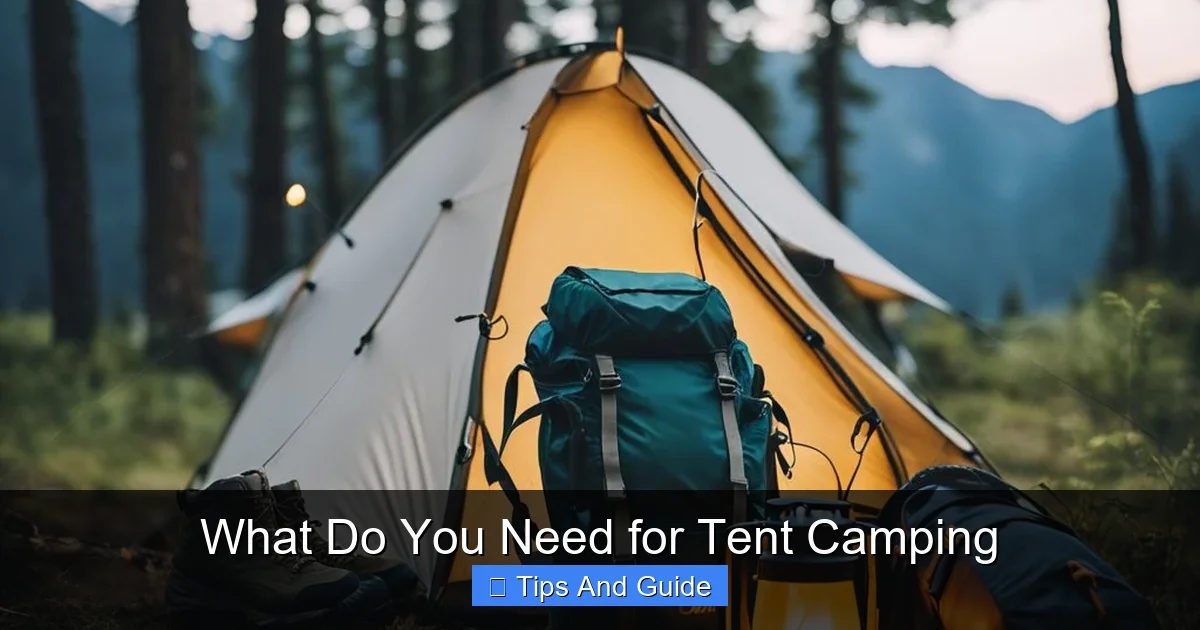
What Do You Need for Tent Camping
Tent camping is an exciting way to connect with nature, but it requires the right gear and preparation. Knowing what you need for tent camping ensures comfort, safety, and a stress-free experience under the stars.
Key Takeaways
- A quality tent: Choose a weather-appropriate, properly sized tent for your group and trip type.
- Sleeping essentials: Bring a sleeping bag rated for the season, a sleeping pad, and a pillow for comfort.
- Lighting and power: Pack headlamps, lanterns, and portable chargers to stay safe and connected.
- Cooking gear: Include a camp stove, fuel, utensils, and easy-to-prepare meals.
- Clothing and footwear: Dress in layers and bring waterproof, moisture-wicking clothes and sturdy shoes.
- Safety and navigation: Always carry a first-aid kit, map, compass, and emergency whistle.
- Personal items: Don’t forget toiletries, sunscreen, insect repellent, and a multi-tool.
📑 Table of Contents
What Do You Need for Tent Camping? A Beginner’s Complete Guide
So you’ve decided to try tent camping—congratulations! There’s nothing quite like falling asleep under a sky full of stars, waking up to birdsong, and breathing in fresh mountain or forest air. But before you head out, it’s important to know what you need for tent camping. Whether you’re planning a weekend getaway or a week-long adventure, having the right gear makes all the difference between a magical experience and a miserable one.
Tent camping doesn’t have to be complicated. With a little planning and the right equipment, you can enjoy comfort and safety even in the great outdoors. This guide walks you through every essential item you’ll need, from your shelter to your sleeping setup, cooking tools, and personal gear. We’ll also share practical tips to help you pack smart and stay prepared for whatever nature throws your way.
1. Choosing the Right Tent
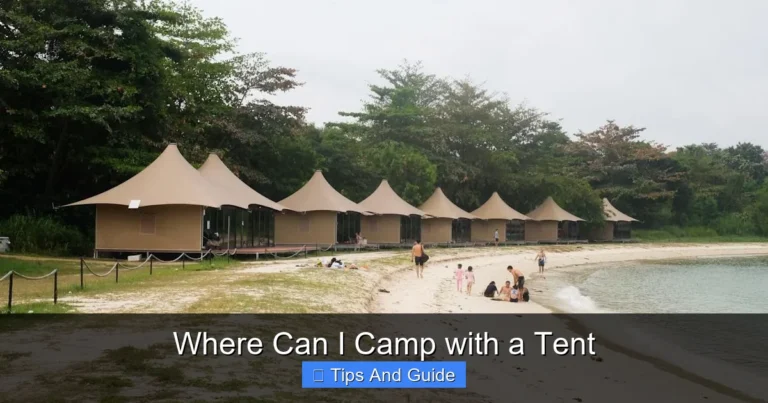
Your tent is your home away from home, so picking the right one is crucial. When deciding what you need for tent camping, start with your shelter. Consider the number of people, weather conditions, and the type of camping you’re doing.
Tent Size and Capacity
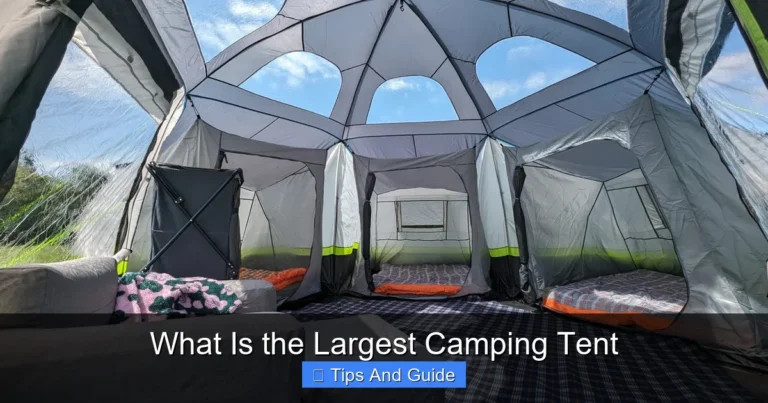
Choose a tent that fits your group size comfortably. A 2-person tent works for couples, while families might prefer a best 6 person tent for family camping. Remember, tents are often labeled by the number of people they can sleep, but they don’t account for gear space. If you’re bringing backpacks or coolers, go one size up.
Weather Resistance
Look for a tent with a waterproof rainfly, sealed seams, and a durable floor. For rainy climates, consider a best tent for rainy camping with excellent ventilation to prevent condensation. In windy areas, a low-profile, dome-shaped tent offers better stability.
Setup and Portability
If you’re backpacking, weight and pack size matter. Ultralight tents are great for long hikes, but car campers can prioritize space and ease of setup. Practice pitching your tent at home before your trip to avoid frustration at the campsite.
2. Sleeping Gear for Comfort and Warmth
A good night’s sleep is essential for enjoying your camping trip. Even in summer, nights can get chilly, so your sleeping setup is just as important as your tent.
Sleeping Bag
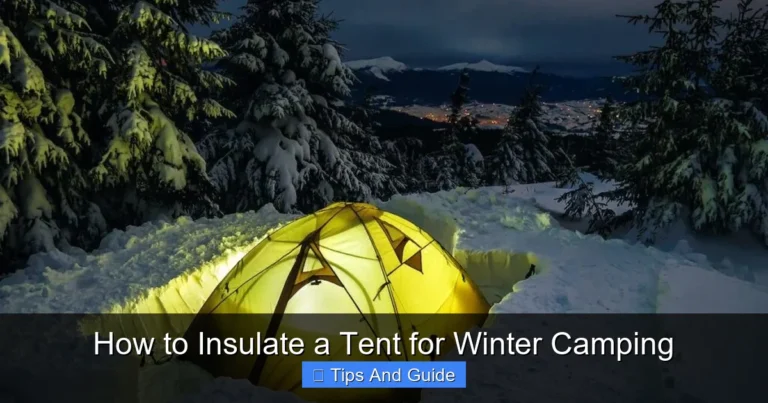
Choose a sleeping bag rated for the lowest temperature you expect. For summer camping, a 30–40°F bag is usually sufficient. In colder months, opt for a 0–20°F bag. Down bags are lightweight and warm but lose insulation when wet. Synthetic bags are bulkier but perform better in damp conditions.
Sleeping Pad or Air Mattress
Insulation from the ground is vital. A foam sleeping pad or inflatable air mattress adds comfort and prevents heat loss. For extra luxury, check out the best air mattress for tent camping, which offers home-like comfort without sacrificing portability.
Pillow and Bedding
Don’t forget a camping pillow—either inflatable or compressible. Some people bring a small fleece blanket for added warmth. Avoid cotton bedding, as it retains moisture and takes forever to dry.
3. Lighting and Power Solutions
When the sun goes down, good lighting keeps you safe and makes camp life easier. Whether you’re cooking dinner or finding your way to the restroom, reliable light is a must.
Headlamps and Flashlights
A headlamp is ideal because it leaves your hands free. Look for one with red-light mode to preserve night vision. Bring extra batteries or choose rechargeable models. A small flashlight is also useful for quick tasks.
Portable Lanterns
String lights or battery-powered lanterns create a cozy campsite atmosphere. LED lanterns are energy-efficient and often include USB ports to charge devices. For group settings, a hanging lantern with adjustable brightness is perfect.
Power Banks and Solar Chargers
Keep your phone, GPS, or camera charged with a high-capacity power bank. If you’re off-grid for several days, consider a solar charger. Just remember—cloudy days reduce efficiency, so always start with a full charge.
4. Cooking and Food Essentials
Eating well while camping boosts morale and energy. You don’t need a full kitchen, but a few key items make meal prep simple and enjoyable.
Camp Stove and Fuel
A portable camp stove is safer and more reliable than an open fire in many areas. Propane stoves are easy to use, while liquid fuel stoves work better in cold weather. Always carry extra fuel—running out mid-meal is no fun.
Cookware and Utensils
Pack a lightweight pot, pan, spatula, and utensils. Collapsible silicone bowls and mugs save space. Don’t forget a can opener, knife, and cutting board if you’re preparing fresh food.
Food and Storage
Plan meals ahead of time. Pre-chop vegetables, marinate meats, and pack ingredients in resealable bags. Use a cooler with ice packs for perishables. For longer trips, consider freeze-dried meals or canned goods. Store food in bear-proof containers or hang it from a tree if required.
5. Clothing and Personal Gear
What you wear matters just as much as your gear. Dressing smart keeps you comfortable in changing conditions.
Layering System
Use the three-layer rule: base layer (moisture-wicking), insulating layer (fleece or down), and outer shell (windproof and waterproof). Avoid cotton—it traps sweat and takes too long to dry.
Footwear
Sturdy hiking boots or trail shoes provide support and grip. Bring camp shoes like sandals or lightweight sneakers for relaxing at the site. Always pack extra socks—wet feet lead to blisters.
Rain Gear and Extras
A waterproof jacket and pants are essential, even in summer. Pack a wide-brimmed hat, sunglasses, and gloves if it gets cold. Don’t forget a bandana—it’s useful for dust, sweat, or as a makeshift towel.
6. Safety, Navigation, and Extras
Preparation prevents problems. A few safety items can turn a potential disaster into a minor hiccup.
First-Aid Kit
Include bandages, antiseptic wipes, tweezers, pain relievers, and any personal medications. Add blister treatment and allergy meds if needed. Know basic first aid before you go.
Navigation Tools
Even with GPS, carry a physical map and compass. Batteries die, signals drop, but a map never fails. Learn how to use them before your trip.
Multi-Tool and Repair Kit
A multi-tool with pliers, knife, and screwdrivers handles small repairs. Bring duct tape, zip ties, and a patch kit for your tent or sleeping pad. These can save your trip if something breaks.
Toiletries and Hygiene
Pack biodegradable soap, toothbrush, toothpaste, and toilet paper. Use a trowel to dig a cathole 6–8 inches deep for waste, at least 200 feet from water sources. Hand sanitizer is a must when water isn’t available.
Final Thoughts: Pack Smart, Camp Happy
Knowing what you need for tent camping doesn’t mean overpacking. Focus on essentials, prioritize comfort and safety, and leave room for spontaneity. Start with a checklist, test your gear at home, and adjust based on your destination and season.
Whether you’re a first-timer or a seasoned camper, the right preparation turns a simple trip into an unforgettable adventure. So grab your tent, pack your bags, and get ready to unplug, unwind, and reconnect with nature—one campsite at a time.
Frequently Asked Questions
What is the most important thing to bring when tent camping?
The most important item is a reliable, weather-appropriate tent. It protects you from rain, wind, and insects, and provides privacy and shelter. Without a good tent, other gear won’t matter much.
Do I need a sleeping pad if I have an air mattress?
An air mattress provides comfort, but a sleeping pad adds extra insulation from the cold ground. For maximum warmth and backup, use both—especially in colder weather.
Can I camp without a camp stove?
Yes, but it limits your cooking options. You can use a fire pit if allowed, but stoves are safer, cleaner, and often required in dry or protected areas. They also work in rain or wind.
How do I keep my tent dry inside?
Keep wet gear outside, use a ground tarp under your tent, and ensure good ventilation. Avoid bringing in damp clothes or boots. A small towel helps wipe down the interior if condensation builds up.
What should I do if it rains while camping?
Stay inside your tent, keep gear organized, and use a tarp over the entrance for extra cover. Avoid touching the tent walls to prevent leaks. Wait it out, and dry everything once the rain stops.
Is it safe to leave food in my tent?
No—never store food in your tent. Animals can smell it and may tear through fabric to get in. Use a bear canister or hang food in a tree at least 100 feet from your campsite.