What Do I Need to Tent Camp
Tent camping is a rewarding way to connect with nature, but having the right gear makes all the difference. This guide walks you through the must-have items, from shelter and sleeping essentials to cooking tools and safety supplies, so you can camp comfortably and confidently.
Key Takeaways
- Tent and shelter: Choose a weather-appropriate tent with a rainfly and ground tarp for protection.
- Sleep system: A quality sleeping bag, sleeping pad, and pillow ensure restful nights outdoors.
- Cooking essentials: Bring a portable stove, fuel, utensils, and easy-to-prepare meals.
- Lighting and power: Headlamps, lanterns, and backup batteries keep you safe after dark.
- Clothing and footwear: Pack layers, moisture-wicking fabrics, and sturdy, broken-in hiking boots.
- Safety and hygiene: Include a first aid kit, hand sanitizer, and waste disposal bags.
- Extras for comfort: Camp chairs, a tarp, and entertainment items enhance your experience.
📑 Table of Contents
- Introduction: Why Tent Camping Is Worth the Effort
- Shelter: Your Home Away from Home
- Sleep System: Rest Well Under the Stars
- Cooking and Food: Fuel Your Adventure
- Lighting and Power: Stay Safe After Dark
- Clothing and Footwear: Dress for Success
- Safety, Hygiene, and Extras
- Conclusion: Ready to Hit the Trail
Introduction: Why Tent Camping Is Worth the Effort
Tent camping is one of the most accessible and rewarding ways to experience the great outdoors. Whether you’re escaping the city for a weekend or embarking on a multi-day backpacking trip, sleeping under the stars offers a sense of freedom and connection to nature that’s hard to match. But before you pitch your tent, it’s important to know exactly what you need to tent camp safely and comfortably.
The good news? You don’t need to be an expert to get started. With the right gear and a bit of preparation, even first-time campers can enjoy a smooth and memorable adventure. This guide will walk you through every essential item you’ll need—from your tent and sleeping gear to cooking tools and safety supplies—so you can focus on enjoying the fresh air, campfire stories, and peaceful nights away from screens and stress.
Shelter: Your Home Away from Home
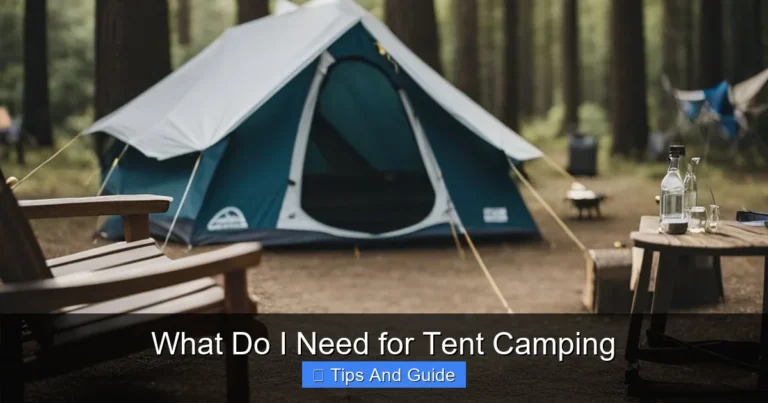
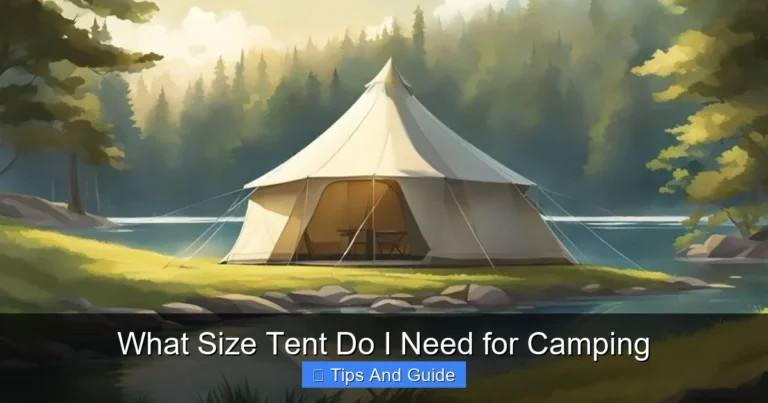
Your tent is the most important piece of gear when you’re planning to camp. It protects you from wind, rain, insects, and temperature swings. Choosing the right tent depends on the season, number of people, and type of camping you’re doing.
Choosing the Right Tent
For most beginners, a 3-season tent is ideal. These tents are lightweight, easy to set up, and designed to handle spring, summer, and fall conditions. Look for a model that’s rated for the number of people you’re camping with—though it’s smart to go one size up for extra space. For example, a 2-person tent might feel cramped for two people with gear, so consider a 3-person tent instead.
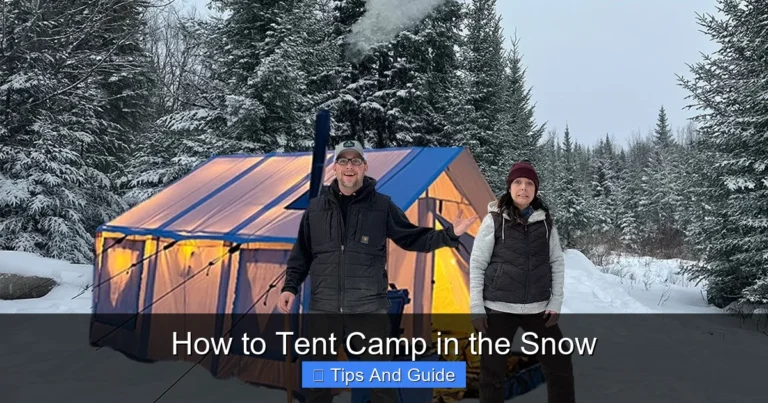
If you’re camping in winter or snowy conditions, check out our guide on how to winter camp in a tent for tips on cold-weather shelters and insulation.
Essential Tent Accessories
A tent alone isn’t enough. You’ll also need a few key accessories:
- Rainfly: This waterproof cover goes over your tent to keep you dry during rain. Most tents come with one, but double-check before buying.
- Ground tarp: Place this under your tent to protect the floor from moisture and sharp objects.
- Tent stakes and guylines: These keep your tent secure in windy conditions. Bring extra stakes in case some get lost.
Pro tip: Practice setting up your tent at home before your trip. It saves time and frustration when you arrive at the campsite.
Sleep System: Rest Well Under the Stars
A good night’s sleep is crucial when you’re camping. Without proper support and insulation, you might wake up stiff, cold, or uncomfortable—which can ruin an otherwise great trip.
Sleeping Bag and Temperature Rating
Choose a sleeping bag rated for the lowest temperature you expect to encounter. For summer camping, a 40°F (4°C) bag is usually sufficient. For cooler nights, look for a 20°F (-6°C) or lower rating. Down bags are lightweight and warm but lose insulation when wet. Synthetic bags are bulkier but perform better in damp conditions.
Sleeping Pad and Pillow
A sleeping pad does more than cushion your body—it also insulates you from the cold ground. Inflatable pads are lightweight and comfortable, while foam pads are durable and don’t require air. Pair your pad with a small camping pillow or use a stuff sack filled with clothes for neck support.
For more tips on staying cozy at night, read our guide on the best way to stay warm in a tent.
Cooking and Food: Fuel Your Adventure
Eating well while camping doesn’t have to mean complicated meals. With a few key tools, you can enjoy hot, satisfying food even in the middle of the woods.
Portable Stove and Fuel
A compact camping stove is the easiest way to cook. Propane or butane stoves are reliable and simple to use. Make sure you bring enough fuel for your trip—calculate based on meal frequency and stove efficiency.
Cookware and Utensils
Pack a lightweight pot or pan, a spatula, and reusable plates, bowls, and cups. Collapsible silicone containers save space. Don’t forget a sponge or biodegradable soap for cleaning.
Food Planning
Stick to easy, non-perishable meals like oatmeal, pasta, canned beans, and dehydrated backpacking food. Pre-measure ingredients at home to save time. Store food in bear-proof containers or hang it from a tree if you’re in bear country.
Lighting and Power: Stay Safe After Dark
Once the sun goes down, good lighting is essential for safety and convenience.
Headlamps and Flashlights
A headlamp is a camper’s best friend—it keeps your hands free for cooking, setting up camp, or reading. Choose one with adjustable brightness and a red-light mode to preserve night vision.
Lanterns and Backup Power
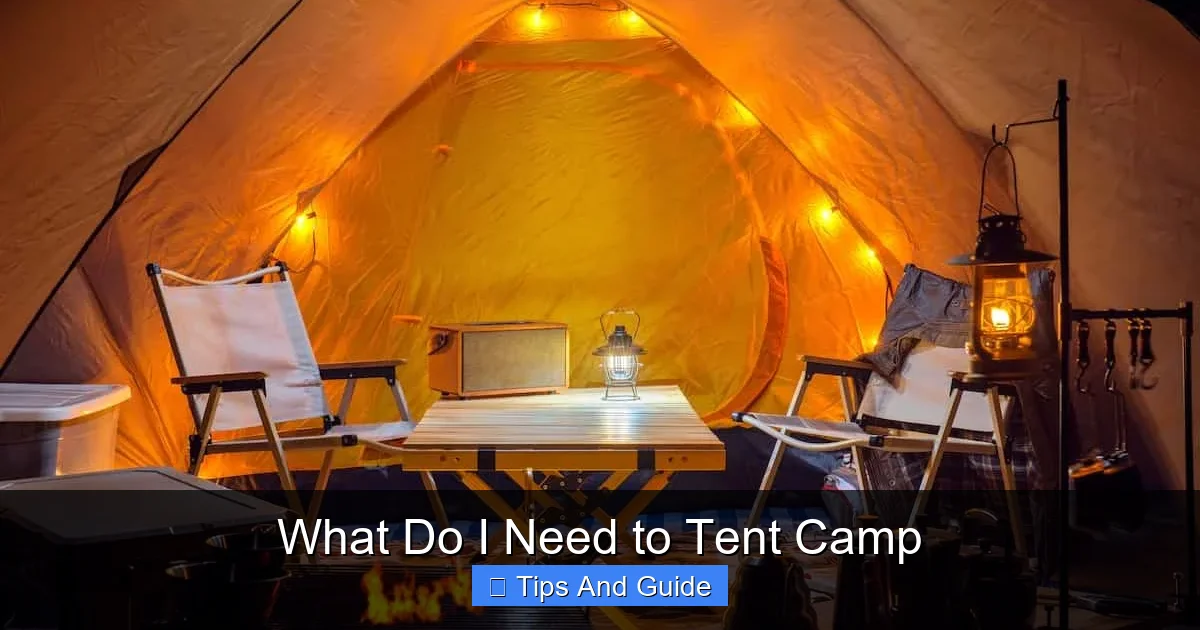
A battery-powered lantern provides ambient light for the whole campsite. LED lanterns are energy-efficient and long-lasting. Bring extra batteries or a portable power bank to recharge devices if needed.
For campers who rely on medical devices like CPAP machines, we recommend reading our article on how to tent camp with a CPAP for power solutions and tips.
Clothing and Footwear: Dress for Success
What you wear while camping matters just as much as your gear. The right clothing keeps you dry, warm, and comfortable in changing conditions.
Layering System
Use a three-layer system:
- Base layer: Moisture-wicking fabric (like merino wool or synthetic) to keep sweat off your skin.
- Mid layer: Insulating layer such as a fleece or lightweight down jacket.
- Outer layer: Waterproof and windproof shell to protect against rain and wind.
Footwear
Wear broken-in hiking boots with good ankle support and traction. Bring extra socks—wool or synthetic blends dry quickly and prevent blisters. Sandals or camp shoes are great for relaxing at the site.
Safety, Hygiene, and Extras
A successful camping trip also depends on being prepared for the unexpected and maintaining basic hygiene.
First Aid Kit
Pack a compact kit with bandages, antiseptic wipes, pain relievers, tweezers, and any personal medications. Know how to use everything in it.
Hygiene Essentials
Bring biodegradable soap, hand sanitizer, toilet paper, and a small trowel for digging catholes (if no restrooms are available). Use wet wipes for quick cleanups. Store waste in sealed bags and pack it out.
Comfort and Convenience Items
Don’t forget the little things that make camping more enjoyable:
- Camp chairs or a foldable stool
- Portable tarp for extra shade or rain cover
- Books, cards, or a journal for downtime
- Sunscreen and insect repellent
For ideas on how to camp with pets, check out our guide on how to tent camp with a dog.
Conclusion: Ready to Hit the Trail
Tent camping opens the door to adventure, relaxation, and unforgettable memories. By packing the right gear—your tent, sleep system, cooking tools, lighting, clothing, and safety supplies—you set yourself up for a safe and enjoyable experience. Remember, preparation is key. Test your gear, plan your meals, and check the weather before you go.
Whether you’re camping in the heat, rain, or snow, having the essentials ensures you can adapt and stay comfortable. And if you’re looking for more tips, explore our full collection of camping guides to find advice tailored to your needs. Now grab your pack, pitch that tent, and enjoy the great outdoors.
Frequently Asked Questions
What is the most important item for tent camping?
The most important item is a reliable, weather-appropriate tent. It provides shelter from rain, wind, and insects, and serves as your base for the entire trip.
Do I need a tarp under my tent?
Yes, a ground tarp protects your tent floor from moisture, rocks, and roots. It helps extend the life of your tent and keeps you dry.
Can I use a regular sleeping bag for camping?
Only if it’s rated for outdoor use and the expected temperatures. Regular comforters aren’t designed for insulation or moisture resistance like camping sleeping bags.
How do I keep my food safe from animals?
Store food in bear-proof containers or hang it from a tree at least 10 feet off the ground and 4 feet from the trunk. Never keep food in your tent.
What should I do if it rains while camping?
Make sure your tent is properly set up with a rainfly and sealed seams. Use a tarp over your tent or create a covered cooking area. Stay dry by changing into dry clothes and using waterproof gear.
Is it safe to camp alone?
Yes, but take extra precautions: share your itinerary with someone, carry a first aid kit, and know your limits. Start with short, familiar trips to build confidence.