What Do I Need to Go Tent Camping
Going tent camping for the first time can feel overwhelming, but with the right gear and preparation, it’s an incredibly rewarding experience. This guide covers all the essentials—from your tent and sleeping system to cooking supplies and safety items—so you can pack smart and enjoy nature with confidence.
So, you’ve decided to go tent camping—congratulations! There’s something magical about falling asleep under the stars, waking up to birdsong, and breathing in fresh mountain or forest air. But before you can enjoy that first cup of coffee by the campfire, you need to know what to bring. Don’t worry—this isn’t about overpacking or buying every gadget on the market. It’s about smart, practical choices that keep you safe, comfortable, and ready for adventure.
Tent camping is one of the most accessible ways to experience the outdoors. Whether you’re heading to a national park, a lakeside campground, or a remote backcountry trail, the basics remain the same. The key is preparation. With the right gear and a little know-how, even a first-time camper can have a smooth, enjoyable trip. In this guide, we’ll walk you through everything you need to go tent camping—from shelter and sleep systems to cooking, clothing, and safety essentials.
Key Takeaways
- Tent and shelter: Choose a weather-appropriate, properly sized tent and pair it with a ground tarp for protection.
- Sleep system: A quality sleeping bag, sleeping pad, and pillow are essential for comfort and warmth.
- Cooking and food gear: Bring a portable stove, fuel, utensils, and airtight containers to store and prepare meals.
- Clothing and footwear: Pack moisture-wicking, layered clothing and sturdy, broken-in hiking boots.
- Safety and navigation: Always carry a first-aid kit, flashlight, map, compass, and emergency whistle.
- Leave No Trace principles: Respect nature by packing out trash, minimizing campfire impact, and storing food properly.
📑 Table of Contents
1. Your Shelter: Choosing the Right Tent
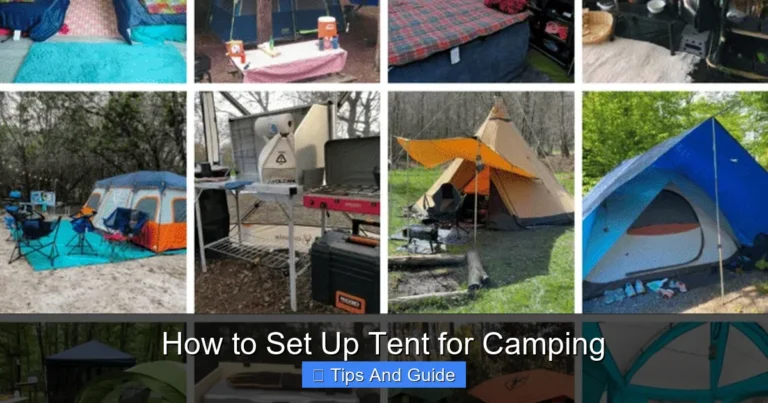
Your tent is your home away from home, so picking the right one is crucial. Start by considering the number of people in your group. A 2-person tent works for couples, but if you’re camping with kids or gear, go for a 3- or 4-person model for extra space. Look for a tent with a full-coverage rainfly, sturdy poles, and good ventilation to prevent condensation.
Tent Features to Look For
- Waterproof rating: Aim for a tent with a minimum 1,500mm hydrostatic head rating to stay dry in rain.
- Setup ease: Freestanding tents with color-coded clips are faster and easier to pitch—perfect for beginners.
- Weight and pack size: If you’re backpacking, choose a lightweight model (under 5 lbs). For car camping, weight is less of a concern.
Don’t forget a ground tarp! Place it under your tent to protect the floor from rocks, roots, and moisture. Just make sure it’s slightly smaller than the tent base to avoid water pooling underneath.
Setting Up Your Tent
Practice pitching your tent at home before your trip. It saves time and frustration at the campsite. For detailed steps, check out our guide on how to set up a camping tent. And if you’re camping in wet conditions, learn how to waterproof a camping tent to extend its life and keep you dry.
2. Sleep System: Comfort Is Key
A good night’s sleep makes all the difference. Even in summer, nighttime temperatures can drop, so your sleep system needs to keep you warm and comfortable.
Sleeping Bag
Choose a bag rated for the expected low temperature. For summer camping, a 30°F to 40°F bag is usually sufficient. In colder months, go lower—down to 0°F for winter trips. Down bags are lightweight and compressible but lose insulation when wet. Synthetic bags are bulkier but perform better in damp conditions.
Sleeping Pad
A sleeping pad isn’t just for comfort—it insulates you from the cold ground. Inflatable pads offer excellent cushioning and pack small, while foam pads are durable and never leak. For extra warmth in cold weather, consider a double-layer system or an insulated pad with a high R-value (4.0+).
Pillow and Extras
Don’t underestimate the power of a good pillow. Inflatable camping pillows are lightweight and compact. Or, stuff a small stuff sack with clothes for a DIY version. For more tips, read our article on the best way to sleep while tent camping.
3. Cooking and Food Supplies
You don’t need a full kitchen, but having the right tools makes meal prep easy and enjoyable.
Portable Stove and Fuel
A compact camping stove is a must. Propane or butane stoves are reliable and easy to use. Bring extra fuel canisters—better to have too much than run out mid-meal.
Cookware and Utensils
Pack a lightweight pot or pan, a spatula, and reusable plates, bowls, and utensils. A collapsible sink or basin helps with washing. Don’t forget a sharp knife and a can opener if needed.
Food Storage
Use airtight containers or resealable bags to keep food fresh and prevent attracting wildlife. Store all food, toiletries, and scented items in a bear-proof container or hang them in a bear bag at least 100 feet from your tent. For more on this, see our guide on how to store food when tent camping.
Meal Ideas
Keep it simple: oatmeal for breakfast, sandwiches or wraps for lunch, and one-pot dinners like pasta or chili for dinner. Pre-measure ingredients at home to save time.
4. Clothing and Footwear
Dress in layers to adapt to changing weather. Avoid cotton—it stays wet and makes you cold. Instead, choose moisture-wicking fabrics like polyester or merino wool.
Layering System
- Base layer: Wicks sweat away from your skin.
- Mid layer: Provides insulation (fleece or down jacket).
- Outer layer: Protects against wind and rain (waterproof jacket).
Footwear
Wear broken-in hiking boots with good ankle support and grip. Bring camp shoes—like lightweight sandals or sneakers—for relaxing at the site. Always pack extra socks; wet feet lead to blisters.
Extras
Don’t forget a hat, sunglasses, and gloves if it’s cold. A bandana or buff can serve multiple purposes—from sun protection to a makeshift towel.
5. Safety and Navigation Tools
Safety should always come first. Even on a short trip, unexpected situations can arise.
Essential Safety Gear
- First-aid kit: Include bandages, antiseptic, tweezers, pain relievers, and any personal medications.
- Headlamp or flashlight: Hands-free lighting is a game-changer. Bring extra batteries.
- Fire starter: Waterproof matches, a lighter, or a ferro rod.
- Multi-tool or knife: Useful for repairs, food prep, and emergencies.
- Emergency whistle: Loud and lightweight—ideal for signaling for help.
Navigation
Even if you’re using GPS on your phone, always carry a physical map and compass. Batteries die, and signals drop. Learn basic navigation skills before you go.
Weather Preparedness
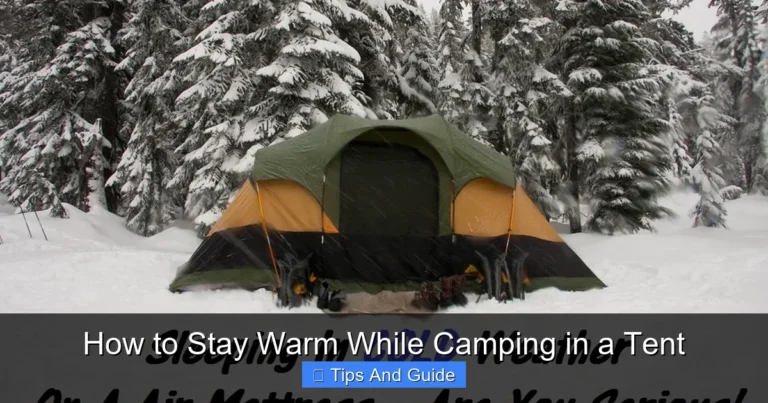
Check the forecast before you leave. If rain is expected, make sure your tent is properly sealed. In cold weather, learn how to stay warm tent camping with tips on layering, sleeping bag use, and tent insulation.
6. Personal Items and Extras
Don’t forget the little things that make camping more enjoyable.
Hygiene and Sanitation
Bring biodegradable soap, hand sanitizer, toilet paper, and a small trowel for digging catholes (if required). For showering, consider a solar shower bag or wet wipes. Our guide on how to shower while tent camping offers creative solutions.
Entertainment
Pack a book, cards, or a journal. If you enjoy music, bring a portable speaker—but keep the volume low to respect other campers.
Power and Charging
A power bank can recharge your phone or GPS. Solar chargers are great for longer trips. For entertainment, see how to watch TV while tent camping with portable options.
7. Leave No Trace Principles
Respect nature by following the seven Leave No Trace principles:
- Plan ahead and prepare.
- Travel and camp on durable surfaces.
- Dispose of waste properly.
- Leave what you find.
- Minimize campfire impact.
- Respect wildlife.
- Be considerate of other visitors.
Pack out all trash, including food scraps. Use established fire rings or a camp stove instead of making new fires. Store food securely to avoid attracting animals.
Conclusion
Tent camping is one of the most rewarding ways to connect with nature. With the right gear and preparation, you’ll be ready for anything—from a weekend getaway to a multi-day adventure. Remember, it’s not about having the fanciest equipment, but about being prepared, comfortable, and respectful of the outdoors.
Start with the basics: a reliable tent, a warm sleeping system, smart cooking gear, and essential safety items. Practice setting up your tent at home, pack smart, and always check the weather. And don’t forget to bring a sense of adventure!
Whether you’re camping in the mountains, by a lake, or deep in the forest, these tips will help you make the most of your trip. So grab your gear, hit the trail, and enjoy the great outdoors—one campsite at a time.
Frequently Asked Questions
What size tent do I need for two people?
A 2-person tent is ideal for couples, but if you’re bringing gear or want extra space, consider a 3-person model. Always check the floor area and peak height to ensure comfort.
Do I need a tarp under my tent?
Yes! A ground tarp protects your tent floor from moisture, rocks, and abrasion. Use a tarp slightly smaller than your tent base to prevent water from pooling underneath.
Can I use a regular sleeping bag for camping?
Only if it’s designed for outdoor use. Regular comforters aren’t insulated or weather-resistant. Choose a camping-specific sleeping bag rated for the expected temperature.
How do I keep my food safe from animals?
Store all food and scented items in bear-proof containers or hang them in a bear bag at least 100 feet from your campsite. Never keep food in your tent.
What should I do if it rains while camping?
Make sure your tent is properly pitched with the rainfly secured. Use a tarp over the top if needed, and keep gear in waterproof bags. Stay dry by changing into dry clothes as soon as possible.
Is it safe to camp alone?
Yes, but take extra precautions. Tell someone your plans, carry a whistle and first-aid kit, and avoid risky areas. Start with well-marked, popular campgrounds for your first solo trip.