

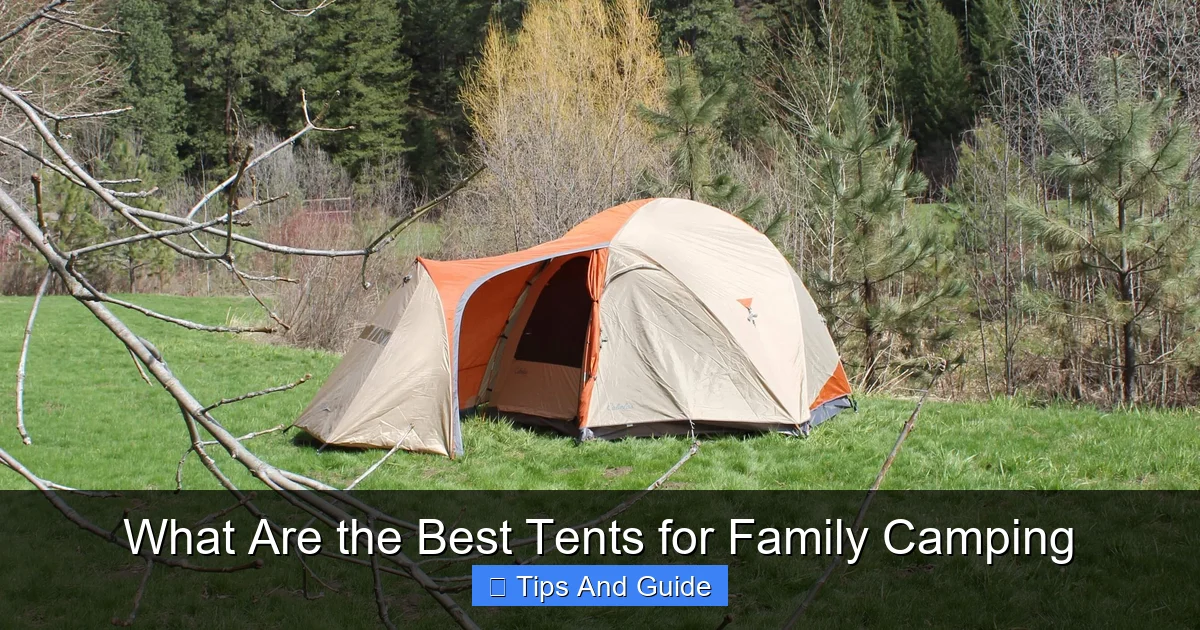
Choosing the best tents for family camping means balancing space, weather protection, ease of setup, and comfort. Whether you’re camping with kids, pets, or extended family, the right tent makes all the difference in creating lasting memories under the stars.
Key Takeaways
- Size matters: Choose a tent rated for 1–2 more people than your group size for extra comfort and gear storage.
- Weather resistance is key: Look for high waterproof ratings (at least 1500mm) and strong frames for rain and wind.
- Ease of setup saves time: Freestanding tents with color-coded poles make pitching faster, especially with kids around.
- Cabin tents offer more space: Vertical walls maximize usable floor area and headroom—ideal for families.
- Ventilation prevents condensation: Mesh panels and adjustable vents keep air flowing and reduce morning dampness.
- Room dividers add privacy: Multi-room tents help separate sleeping areas for parents and kids.
- Don’t forget the footprint: A ground tarp protects the tent floor and extends its lifespan.
📑 Table of Contents
- Why Choosing the Right Family Camping Tent Matters
- What Makes a Tent Ideal for Families?
- Top Tent Types for Family Camping
- Size Guide: How Many People Does Your Tent Need to Fit?
- Essential Features to Look For
- Tips for Setting Up and Maintaining Your Family Tent
- Final Thoughts: Finding Your Perfect Family Tent
Why Choosing the Right Family Camping Tent Matters
Family camping is one of the most rewarding outdoor experiences you can share. From roasting marshmallows to stargazing with your kids, the memories made around a campfire are priceless. But none of that magic happens if your tent is cramped, leaks in the rain, or takes forever to set up. That’s why choosing the best tents for family camping is so important—it’s the foundation of a successful trip.
A great family tent isn’t just about sleeping space. It’s about comfort, safety, and convenience. You want room to move, store gear, and even sit upright during a rainy afternoon. You also want a tent that stands up to wind, rain, and rough terrain. With so many options on the market, it’s easy to feel overwhelmed. But don’t worry—we’ve done the research so you don’t have to.
What Makes a Tent Ideal for Families?
Not all tents are created equal, especially when kids, pets, and extra gear are involved. The best tents for family camping share several key features that make them stand out from standard backpacking models.
Spacious Interior with Smart Layouts
Families need space—not just for sleeping, but for playing, changing clothes, and storing backpacks, coolers, and shoes. Look for tents with a floor area of at least 80–100 square feet for a family of four. Cabin-style tents with near-vertical walls offer more usable space than dome tents, which taper toward the sides.
Some top models even include built-in gear lofts, pockets, and vestibules for shoes and wet clothes. For larger families, consider a tent designed for large families with multiple rooms or a central living area.
Weather Protection and Durability
Nobody wants to wake up to a soggy sleeping bag. The best family tents come with full-coverage rainflies, sealed seams, and high hydrostatic head ratings (1500mm or higher). Fiberglass or aluminum poles add strength without adding too much weight.
If you camp in rainy or windy areas, check out our guide to the best camping tents for rain and wind for models that truly stand up to the elements.
Easy Setup for Stress-Free Camping
When you’re juggling kids, food, and firewood, the last thing you want is a complicated tent setup. Freestanding tents with clip-on fabric and color-coded poles can be pitched in under 10 minutes—even by one person. Some newer models use instant or pop-up designs that go up in seconds.
For a hassle-free experience, avoid non-freestanding tents that require extra stakes and guylines unless you’re backpacking. Families benefit most from simplicity and speed.
Top Tent Types for Family Camping
Different camping styles call for different tent designs. Here are the most popular types of family camping tents and when they shine.
Cabin Tents: Maximum Space and Comfort
Cabin tents are the go-to choice for most families. With vertical walls and high ceilings (often 7 feet or more), they feel more like a room than a tent. They’re perfect for car camping where weight isn’t an issue.
Many cabin tents come with room dividers, allowing you to create separate sleeping zones. This is especially helpful if you have older kids or want privacy from younger ones. Check out our list of the best cabin tents for family camping for top-rated options with great layouts and features.
Dome Tents: Balanced Performance
Dome tents are lighter and more aerodynamic, making them better suited for windy conditions. While they don’t offer as much headroom as cabin tents, modern designs have improved significantly. They’re a solid middle-ground option for families who want a mix of space and weather resistance.
Bell Tents: Glamping Vibes
If you’re into glamping or camping in open fields, bell tents offer a unique, spacious experience. These circular tents have a central pole and require staking, but they provide incredible airflow and a cozy, lodge-like feel. They’re heavier and take longer to set up, but perfect for weekend getaways. Learn more in our guide: Are Bell Tents Good for Camping?
Size Guide: How Many People Does Your Tent Need to Fit?
One of the biggest mistakes families make is buying a tent rated for their exact group size. A 4-person tent might fit four sleeping bags, but it won’t leave room for luggage, chairs, or movement. As a rule of thumb, always size up.
For a family of four, consider a 6-person tent. This gives everyone space to stretch and stores gear without clutter. If you have young kids who like to move around at night, or if you’re bringing a dog, go even bigger.
Need help deciding? We’ve broken down the best options by family size:
– Best Tents for Families of 4
– Best Tents for Families of 5
– Best 8-Person Tents for larger groups or extra comfort
Essential Features to Look For
Beyond size and shape, certain features can make or break your camping experience. Here’s what to prioritize when shopping for your next family tent.
Room Dividers and Multi-Room Designs
Room dividers are a game-changer for families. They let you split the tent into separate areas—perfect for parents who want quiet time or kids who need their own space. Some tents even have three rooms, with a central living area and two sleeping zones. Explore the best 3-room tents for camping if privacy is a top concern.
Ventilation and Mesh Panels
Condensation is a common issue in family tents, especially with multiple people breathing overnight. Look for tents with large mesh windows, roof vents, and adjustable airflow systems. This keeps the interior dry and comfortable, even on humid nights.
Doors and Vestibules
Multiple doors make it easier for everyone to get in and out without climbing over each other. Vestibules—covered areas outside the main door—are perfect for storing muddy boots, backpacks, or wet rain gear. They keep the interior clean and dry.
Floor Material and Footprint Compatibility
A durable floor (at least 150D polyester or similar) resists tears from shoes and gear. Always use a footprint or tarp underneath your tent to protect the floor from rocks and moisture. This simple step can double your tent’s lifespan.
Tips for Setting Up and Maintaining Your Family Tent
A great tent is only as good as its setup. Follow these tips to make the most of your family camping experience.
Practice at Home First
Don’t wait until you’re at the campsite to figure out how your tent works. Pitch it in your backyard or living room before your trip. This helps you spot missing parts, learn the process, and involve the kids in the fun.
Choose the Right Campsite
Look for level, dry ground away from water sources and dead trees. Clear the area of rocks and sticks, and orient the tent door away from the wind. If it’s raining, set up the rainfly first to keep the interior dry.
Keep It Clean and Dry
Always dry your tent completely before storing it. Even a little moisture can lead to mold and mildew. Use a soft brush to remove dirt, and avoid harsh detergents. Store the tent loosely in a breathable bag—not compressed, which can damage the fabric.
Final Thoughts: Finding Your Perfect Family Tent
The best tents for family camping aren’t necessarily the most expensive or the biggest—they’re the ones that fit your lifestyle, camping style, and family needs. Whether you’re exploring national parks, heading to the beach, or just enjoying a weekend in the woods, the right tent turns a good trip into a great one.
Focus on space, weather protection, ease of use, and smart features like room dividers and ventilation. And remember: a little prep goes a long way. With the right tent and a few simple tips, your family will be ready for adventure—rain or shine.
Frequently Asked Questions
What size tent do I need for a family of four?
For a family of four, we recommend a 6-person tent. This gives everyone enough room to sleep comfortably and store gear without feeling cramped. Always size up from the number of people.
Are cabin tents good for windy conditions?
Cabin tents are spacious but can catch wind due to their vertical walls. If you camp in windy areas, look for models with reinforced poles, guylines, and a low profile. Dome tents may perform better in high winds.
Can I use a family tent for backpacking?
Most family tents are too heavy and bulky for backpacking. They’re designed for car camping. For hiking trips, consider lightweight 2- or 3-person tents instead.
Do I really need a footprint for my tent?
Yes! A footprint protects the tent floor from abrasion, moisture, and sharp objects. It’s a small investment that can significantly extend your tent’s life.
How do I prevent condensation inside the tent?
Keep vents open, avoid drying wet clothes inside, and ensure good airflow with mesh panels. Never seal the tent completely—ventilation is key to reducing moisture buildup.
Are pop-up tents good for families?
Pop-up tents are convenient and fast to set up, but they often lack durability and weather resistance. They’re best for fair-weather camping or festivals. For rugged family trips, stick with traditional freestanding models.
