What Are Tents Made Of
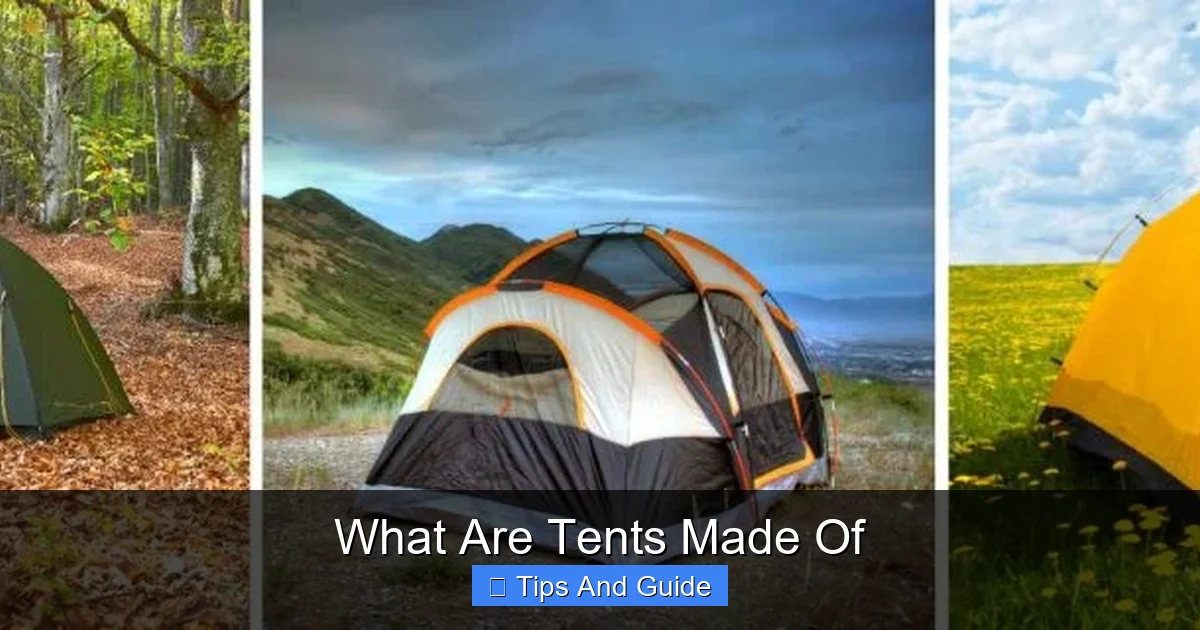
Tents are made from a variety of materials, each chosen for strength, weight, weather resistance, and comfort. Understanding these components—like ripstop nylon, polyester, and aluminum poles—helps you pick the right tent for your needs.
Key Takeaways
- Fabric matters: Tent walls and floors use materials like nylon and polyester, each with unique strengths in durability, weight, and water resistance.
- Waterproof coatings are essential: Most tents feature PU or silicone coatings to repel rain and prevent leaks during wet weather.
- Poles provide structure: Aluminum and fiberglass are the most common pole materials, balancing strength, weight, and flexibility.
- Mesh improves ventilation: Breathable mesh panels reduce condensation and keep bugs out while allowing airflow.
- Floor materials prevent moisture: Heavy-duty polyethylene or coated polyester floors protect against ground moisture and abrasion.
- Zippers and seams need care: Quality zippers and taped seams enhance durability and weatherproofing.
- Choose based on use: Backpackers need lightweight materials, while car campers can prioritize space and comfort.
📑 Table of Contents
- What Are Tents Made Of? A Complete Breakdown
- 1. Tent Fabrics: The Skin of Your Shelter
- 2. Waterproof Coatings and Treatments
- 3. Tent Poles: The Skeleton of Your Shelter
- 4. Floors: Protection from the Ground Up
- 5. Mesh, Zippers, and Ventilation
- 6. Choosing the Right Tent Based on Materials
- Conclusion: Materials Make the Difference
What Are Tents Made Of? A Complete Breakdown
If you’ve ever stood in an outdoor store staring at rows of colorful tents, you might have wondered: what are tents actually made of? It’s not just fabric and poles—there’s a whole science behind the materials that keep you dry, warm, and comfortable under the stars. Whether you’re a weekend warrior or a full-time van lifer, understanding tent construction helps you make smarter choices.
Tents are engineered to balance protection, portability, and durability. The materials used directly affect how well a tent performs in rain, wind, heat, or cold. From the outer rainfly to the floor that touches the ground, every layer has a purpose. And while all tents serve the same basic function—shelter—the materials they’re made of can vary dramatically based on design, price, and intended use.
1. Tent Fabrics: The Skin of Your Shelter
The main body of a tent—the walls and roof—is typically made from synthetic fabrics like nylon or polyester. These materials are lightweight, strong, and resistant to tearing, which is why they dominate the camping world.
Nylon: Light and Tough
Nylon is a favorite among backpackers because it’s incredibly lightweight and packs down small. Ripstop nylon, in particular, is reinforced with a grid pattern that prevents small tears from spreading. However, nylon can degrade over time when exposed to UV light, so many manufacturers apply protective coatings to extend its life.
Polyester: UV-Resistant and Durable
Polyester is slightly heavier than nylon but offers better resistance to sunlight. This makes it a great choice for long-term camping or base camps where the tent will be exposed to the sun for days. It’s also less prone to stretching when wet, which helps maintain the tent’s shape in rainy conditions.
Denier Rating: What It Means
You’ll often see a number like “70D” or “210T” on tent labels. This refers to the fabric’s denier—a measure of thickness and density. Higher denier means thicker, more durable fabric. A 70D nylon tent is lighter and better for backpacking, while a 210D floor is tougher and ideal for rocky terrain.
2. Waterproof Coatings and Treatments
Even the best fabric won’t keep you dry without proper waterproofing. That’s where coatings and treatments come in.
Polyurethane (PU) Coating
Most budget and mid-range tents use a polyurethane (PU) coating on the rainfly and floor. This thin layer repels water and is effective for light to moderate rain. However, PU can break down over time, especially with repeated folding and exposure to dirt.
Silicone Coating
Silicone-treated fabrics are more durable and breathable than PU-coated ones. They’re commonly used in high-end backpacking tents because they’re lighter and resist UV damage better. Silicone also makes the fabric more flexible, which helps it withstand strong winds without tearing.
DWR (Durable Water Repellent) Finish
Many tents also feature a DWR finish on the outer layer. This causes water to bead up and roll off instead of soaking in. While not fully waterproof on its own, DWR works with other coatings to improve overall weather resistance. Over time, DWR can wear off, but it’s usually reactivatable with a spray treatment.
3. Tent Poles: The Skeleton of Your Shelter
Poles give your tent its shape and stability. Without strong, flexible poles, even the best fabric won’t stand up to wind or snow.
Aluminum Poles: Light and Strong
Aluminum is the gold standard for tent poles. It’s lightweight, corrosion-resistant, and strong enough to handle wind and light snow loads. High-quality aluminum alloys like 7001 or 7075 are used in premium tents for maximum durability. Brands like MSR and Big Agnes often use color-coded pole ends to make setup easier.
Fiberglass Poles: Affordable but Fragile
Fiberglass is cheaper and more flexible than aluminum, making it common in budget tents. However, it’s heavier and more prone to snapping in strong winds. If you’re car camping in calm weather, fiberglass might be fine—but for backpacking or stormy conditions, aluminum is the safer bet.
Air Poles and Inflatable Beams
Some modern tents, like those from Airbeam or air tents, use inflatable beams instead of traditional poles. These are quick to set up and offer a spacious interior, but they require a pump and can be punctured more easily. Great for families or glamping, but less ideal for rugged backcountry use.
4. Floors: Protection from the Ground Up
The tent floor is in constant contact with dirt, moisture, and sharp objects—so it needs to be tough.
Polyethylene Floors
Many budget and family tents use polyethylene (PE) for the floor. It’s thick, completely waterproof, and resists punctures. The downside? It’s heavy and doesn’t pack down small. You’ll find PE floors in large family tents where weight isn’t a concern.
Coated Polyester or Nylon Floors
Backpacking tents often use a coated polyester or nylon floor. These are lighter and more packable, but still offer good protection when paired with a footprint (a separate ground cloth). Look for a high denier rating (like 300D or higher) for better durability.
The Importance of a Footprint
Even the toughest floor can wear out over time. Using a footprint—placed under your tent—adds an extra layer of protection against rocks, roots, and moisture. It also makes cleanup easier and extends the life of your tent.
5. Mesh, Zippers, and Ventilation
Comfort isn’t just about staying dry—it’s also about airflow and bug protection.
Mesh Panels for Breathability
Most modern tents include mesh windows or full-mesh roofs. These allow air to circulate, reducing condensation inside the tent. In hot weather, mesh keeps you cooler. In buggy areas, it keeps insects out while still letting in light and air.
Zipper Quality Matters
Zippers take a lot of abuse—zipping in the dark, sand getting stuck, constant use. Look for YKK zippers, which are known for durability. Some tents also feature dual zippers on doors, allowing you to open from the top or bottom for better ventilation.
Taped vs. Seam-Sealed Seams
Even the best fabric will leak if the seams aren’t sealed. Most tents have factory-taped seams, where a waterproof tape is applied over the stitched areas. For extra protection, some campers use seam sealer spray, especially on budget tents or before a big trip.
6. Choosing the Right Tent Based on Materials
Now that you know what tents are made of, how do you pick the right one?
For Backpacking: Lightweight and Compact
Choose a tent with ripstop nylon, silicone coating, and aluminum poles. Look for a low denier fabric (like 20D or 30D) to save weight. A 3-season tent with mesh panels will keep you comfortable in spring, summer, and fall. Check out options like the best 3-season tents for lightweight performance.
For Car Camping: Space and Durability
If you’re driving to your campsite, weight isn’t an issue. Go for a tent with a polyethylene floor, large vestibules, and sturdy aluminum poles. Family tents with multiple rooms or high ceilings offer more comfort. Consider the best big camping tents for maximum space.
For All-Weather Use: Reinforced and Reliable
If you camp in snow or high winds, look for a 4-season tent with reinforced poles, full-coverage rainfly, and heavy-duty fabric. These tents are heavier but built to withstand harsh conditions. They often have fewer mesh panels to retain heat and block wind.
Conclusion: Materials Make the Difference
So, what are tents made of? More than just fabric and poles—they’re a carefully engineered system of materials designed to protect you from the elements. From the ripstop nylon walls to the aluminum骨架, every component plays a role in your comfort and safety.
Understanding these materials helps you choose a tent that fits your lifestyle. Whether you’re hiking deep into the wilderness or setting up camp in your backyard, the right tent can make all the difference. Take the time to read labels, compare denier ratings, and consider coatings and pole types. Your future self—dry, cozy, and well-rested—will thank you.
Frequently Asked Questions
Are all tents waterproof?
Not all tents are fully waterproof, but most are water-resistant. The level of protection depends on the fabric, coatings, and seam sealing. Always check the hydrostatic head rating—higher numbers mean better water resistance.
Can I machine wash my tent?
It’s not recommended. Machine washing can damage coatings and seams. Instead, clean your tent with a mild soap and water, then air dry completely before storing. For tips, see our guide on are camping tents machine washable?
What’s the difference between 3-season and 4-season tents?
3-season tents are designed for spring, summer, and fall—lightweight with good ventilation. 4-season tents are heavier, with stronger poles and less mesh, built to handle snow and high winds.
Do I need a footprint for my tent?
Yes, especially if you camp on rough terrain. A footprint protects the floor from abrasion and moisture, extending your tent’s lifespan. It’s a small investment for long-term savings.
Are pop-up tents durable?
Pop-up tents are convenient for casual use but often use lighter materials and weaker frames. They’re great for beach trips or festivals, but not ideal for rugged camping. Learn more in our article: are pop up tents good for camping?
Can I repair a torn tent?
Yes! Small tears in fabric can be fixed with repair tape or seam sealer. For pole breaks, many brands sell replacement sections. Regular maintenance keeps your tent in top shape for years.