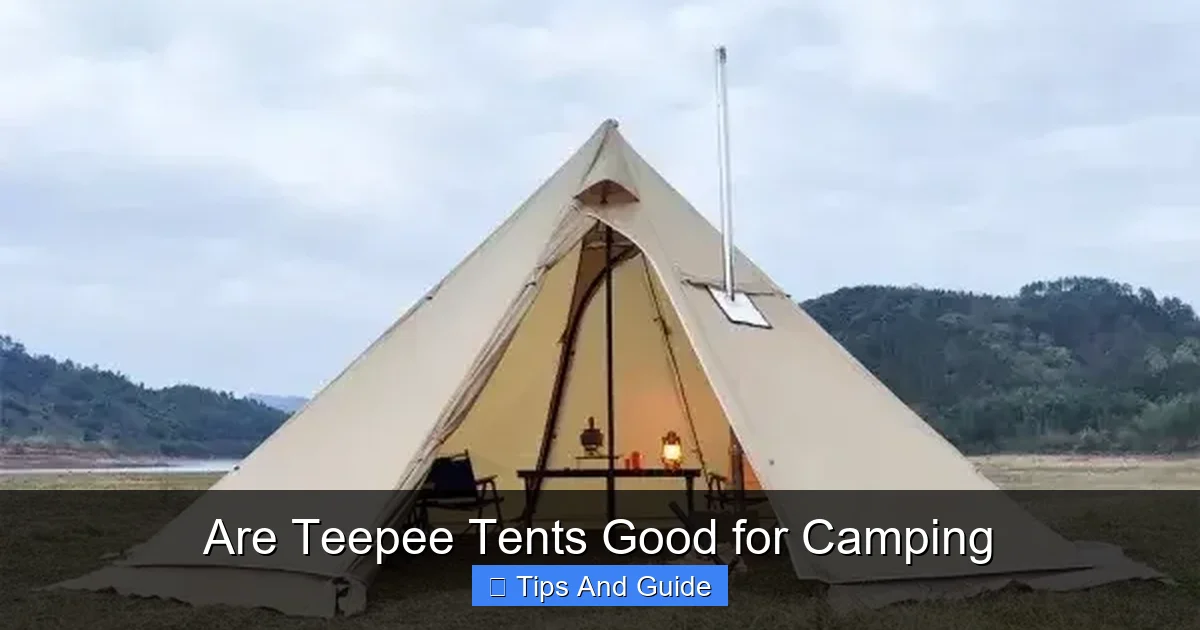
Are Teepee Tents Good for Camping
Teepee tents offer a unique and spacious camping experience, often excelling in ventilation and weather resistance due to their conical shape. However, they can be heavier, more complex to set up, and sometimes less versatile than traditional dome tents.
## Are Teepee Tents Good for Camping? Let’s Find Out!
Camping is all about connecting with nature, escaping the hustle, and making memories under the stars. When it comes to choosing your home away from home, the tent is king. We’ve all seen them: the classic dome tents, the practical cabin tents, and then there are the teepee tents. They have this… *aura* about them, don’t they? Like something out of a historical reenactment or a glamping fantasy. But when it comes to real-world camping, are teepee tents actually good for the job?
As someone who loves exploring the outdoors and trying out different gear, I’ve always been intrigued by the teepee tent. Their distinctive shape just screams adventure. But looks aren’t everything, right? We need to know if they can handle the elements, if they’re easy to use, and if they offer the comfort we need for a great camping trip. So, let’s dive deep and figure out if a teepee tent is the right choice for your next outdoor escapade.
## The Allure of the Teepee Tent: What Makes Them Special?
Teepee tents, also sometimes called pyramid tents or tipi tents, draw their inspiration from the traditional shelters of nomadic cultures. This heritage gives them a unique visual appeal that’s hard to ignore.
### Unique Aesthetics and Presence
Let’s be honest, one of the biggest draws of a teepee tent is its look. They’re not your average tent. Their tall, conical shape is visually striking and instantly adds a touch of mystique to any campsite. If you want a tent that makes a statement and stands out from the crowd of dome and cabin tents, a teepee is a fantastic option. Imagine rolling into a campground with a sleek, modern teepee – it’s guaranteed to turn heads! This aesthetic can really enhance the overall feeling of an outdoor adventure, making it feel more intentional and special.
### Spacious Interior and Headroom
The conical design of a teepee tent naturally leads to a very spacious interior. The walls slope outwards from a central point, creating a large floor area and, crucially, a lot of headroom. This means you can often stand up and walk around comfortably inside, even in the center. This is a huge advantage over many smaller dome tents where you might feel cramped, especially if you’re tall or need to change clothes standing up. The generous space also makes it easier to set up camping furniture like chairs and small tables, turning your tent into a cozy living area. If you’re looking for a tent that feels less like a confined box and more like a small dwelling, a teepee tent might be perfect. For families, this extra space can be a game-changer, providing room for everyone to spread out and relax.
### Excellent Ventilation
One of the most practical benefits of a teepee tent’s design is its superior ventilation. Many teepee tents feature a top vent, often with a mesh screen and a rain flap, which allows hot air to escape. Combined with lower vents or mesh panels around the base, this creates a natural chimney effect, drawing cooler air in from below and pushing warmer air out from above. This is incredibly important for comfortable camping, especially in warmer weather or when cooking inside (though always exercise extreme caution with any heat sources inside a tent). Good airflow prevents condensation buildup, which can make the inside of your tent feel damp and clammy. This improved ventilation can make a significant difference in your overall camping comfort.
## Facing the Elements: How Do Teepee Tents Perform?
A tent’s primary job is to protect you from the weather. Teepee tents, with their unique shape, are often quite good at this.
### Wind Resistance
The sloping sides of a teepee tent are naturally aerodynamic. Unlike a cabin tent with its near-vertical walls that can catch the wind like a sail, a teepee tent allows wind to flow smoothly over its surface. This means they tend to be very stable in windy conditions. The central pole structure also provides a strong anchor point. When properly guyed out with all the stakes and ropes, a teepee tent can withstand surprisingly strong gusts. This makes them a reliable choice for camping in exposed areas or during seasons when unpredictable winds are common.
### Rain Protection
The steep pitch of a teepee tent’s walls is also excellent for shedding rain. Water runs down the fabric quickly and efficiently, minimizing the chance of pooling or leaks. Most modern teepee tents are made from waterproof or water-resistant materials and feature taped seams, further enhancing their ability to keep you dry. The design inherently reduces the surface area where rain can accumulate and cause problems. For campers who frequently face wet weather, the inherent rain-shedding capabilities of a teepee tent are a significant advantage.
### Durability and Construction
Many teepee tents are built with robust materials designed for durability. The central pole is often made of strong aluminum or steel, and the fabric can range from lightweight ripstop nylon to heavier, more durable polyester. The overall construction aims to create a stable and long-lasting shelter. Of course, like any tent, the quality can vary greatly between brands and models. It’s always wise to check reviews and specifications for details on materials and construction methods. A well-made teepee tent can be a very durable investment for many camping seasons.
## The Practicalities: Setup, Weight, and Portability
While teepee tents have many appealing features, there are practical considerations to keep in mind.
### Setup Complexity and Time
This is often where teepee tents can be a bit of a learning curve. Unlike simple pop-up tents or straightforward dome tents, setting up a teepee often involves a central pole that needs to be erected first, and then the fabric is draped over it and secured. While some modern designs have simplified this, it can still be more involved than a quick pop-up. You might need an extra pair of hands, especially for larger models. Getting the fabric tensioned correctly to ensure stability and prevent sagging can also take a bit of practice. If you’re the type of camper who values speed and simplicity in setup, this is something to consider. However, for many, the process becomes easier with practice, and the end result is worth the effort.
### Weight and Bulk
Teepee tents, particularly those designed for more than two people, can be heavier and bulkier than comparable dome or tunnel tents. The single, robust central pole contributes significantly to this. This means that while they might be great for car camping or base camps, they are generally not the best choice for serious backpacking where every ounce counts. If you’re planning to hike to your campsite, you’ll want to look at lighter backpacking-specific teepee designs or opt for a more portable tent style. It’s always a good idea to check the packed weight and dimensions before purchasing if portability is a key concern. For those who drive to their campsite, however, the weight is usually less of an issue.
### Storage and Organization Inside
While the open interior of a teepee tent is great for space, it can sometimes present a challenge for organization. Without the internal pole structure of a dome tent, there aren’t as many natural nooks and crannies to stash gear. However, this is easily overcome with smart organization. Many campers use carabiners to hang gear from the central pole or use collapsible storage shelves. Camping organizers that hang from tent poles are also a great solution. When it comes to sleeping, many people opt for a comfortable camping pad or camping bed to define their sleeping area and keep things tidy. The key is to be intentional about how you store your items to maximize the usable space.
## When Are Teepee Tents a Good Choice?
Considering all the pros and cons, teepee tents shine in specific camping scenarios.
### Ideal for Glamping and Base Camping
If you’re going for a more relaxed, comfortable camping experience – often termed “glamping” – a teepee tent can be an excellent choice. Their unique aesthetic and spacious interior make them feel more like a luxurious outdoor room than just a basic shelter. They are also perfect for base camping, where you set up camp and stay put for a while. The ease of creating a comfortable living space inside, with room for furniture and easy movement, makes them ideal for longer stays where you’re not constantly packing and unpacking. Think of car camping trips where comfort and style are prioritized.
### Great for Families and Groups
The generous headroom and floor space make teepee tents a fantastic option for families or groups of friends. Everyone has room to spread out, play games, and relax without feeling on top of each other. The good ventilation is also a bonus when you have multiple people inside. Imagine a family camping trip where the kids have plenty of room to move around inside, and adults can stand up to get dressed or prepare for the day. For those seeking a communal and comfortable camping experience, teepee tents deliver. You might also find that the unique structure adds an element of fun and adventure for younger campers.
### For Campers Who Value Aesthetics and Uniqueness
If you’re someone who appreciates design and wants your camping gear to reflect a certain style, a teepee tent is a clear winner. They offer a departure from the utilitarian look of many tents and bring a touch of elegance and distinctiveness to your campsite. They’re perfect for those who enjoy making their campsite a visually appealing and unique space, perhaps for photography or simply for the joy of having something different. This type of tent can truly elevate the “experience” of camping.
## Alternatives to Consider
While teepee tents are great, they aren’t the only option. Depending on your specific needs, other tent types might be a better fit.
### Dome Tents
Dome tents are the workhorses of the camping world for a reason. They are generally lightweight, easy to set up (often self-supporting), and offer a good balance of space and portability. They are excellent for backpacking and general camping. You can find them in all sizes, from 2-person tents to larger family models. If ease of use and portability are your top priorities, a dome tent is usually a safe bet.
### Cabin Tents
Cabin tents are known for their near-vertical walls, which maximize interior living space and headroom throughout the entire tent, not just in the center. They are ideal for family camping and longer stays where you want a lot of room to move around. Many cabin tents offer multiple rooms, making them excellent for larger families or groups. However, they can be heavier and more prone to wind than teepee tents, and their setup can also be more complex. If maximum usable floor space is your absolute priority, a cabin tent might be worth considering.
### Pop-Up Tents
For ultimate simplicity and speed, pop-up tents are unbeatable. They essentially set themselves up in seconds. While they might not offer the same level of durability or weather resistance as a well-constructed teepee or dome tent, they are perfect for short trips, casual campers, or anyone who wants to spend more time enjoying their surroundings and less time wrestling with tent poles. They are often budget-friendly too, making them a great budget tent option.
## Conclusion: Should You Go Teepee for Your Next Trip?
So, are teepee tents good for camping? The answer is a resounding **yes, but with considerations.**
If you prioritize unique style, ample headroom, excellent ventilation, and robust weather resistance, and if you’re primarily car camping or base camping where weight isn’t a major issue, then a teepee tent could be an absolutely fantastic choice for you. They offer a memorable and comfortable camping experience that stands apart from the norm. The spacious interior can transform your campsite into a cozy retreat, perfect for families or groups looking to spend quality time together outdoors.
However, if your camping style involves a lot of hiking, or if you absolutely need the quickest and simplest setup possible, you might want to weigh the heavier weight and potentially more complex setup against the benefits. For serious backpackers or those who are always on the move, a lighter, more compact tent might be a more practical solution.
Ultimately, the “best” tent is the one that fits your specific camping needs and preferences. A teepee tent offers a unique blend of form and function that can elevate your outdoor adventures, providing a comfortable, stylish, and resilient shelter for your excursions. If its features appeal to you and its limitations align with your camping style, then a teepee tent is definitely worth considering for your next trip into the great outdoors.
- Unique Aesthetics: Teepee tents boast a distinctive, eye-catching appearance that stands out from conventional camping shelters.
- Excellent Ventilation: Their design often features multiple vents and a large open interior, promoting superior airflow to combat stuffiness.
- Strong Weather Resistance: The conical shape naturally sheds wind and rain effectively, making them robust in various conditions.
- Spacious Interiors: Teepee tents typically offer ample headroom and a large floor area, providing a comfortable living space.
- Potential Setup Challenges: Due to their pole structure and often larger size, setting up a teepee tent can be more time-consuming and require more effort.
- Weight and Portability: Many teepee tents are heavier and bulkier than comparable dome tents, which can be a consideration for backpacking.
- Limited Storage Options: The open interior can sometimes make organizing gear challenging without additional storage solutions.
Frequently Asked Questions
Are teepee tents difficult to set up?
The setup complexity of teepee tents can vary. While some modern designs are simplified, they often involve a central pole structure that can be more involved than a simple dome tent, potentially requiring more time and an extra person, especially for larger models.
Are teepee tents good in windy conditions?
Yes, teepee tents are generally very good in windy conditions due to their aerodynamic, conical shape that allows wind to flow smoothly over them. When properly guyed out, they offer excellent stability.
Are teepee tents waterproof?
Most modern teepee tents are made from waterproof or water-resistant materials with taped seams, making them effective at keeping you dry in the rain. Their steep sloping walls also efficiently shed water.
Are teepee tents suitable for backpacking?
Generally, no. Teepee tents, especially larger ones, tend to be heavier and bulkier than backpacking-specific tents due to their pole structure and often larger fabric surface area, making them better suited for car camping or base camps.
How is the ventilation in a teepee tent?
Teepee tents typically offer excellent ventilation. Their design often includes top vents to release hot air and lower vents or mesh panels to draw in cooler air, creating a good airflow that helps prevent condensation and keeps the interior comfortable.
Can you stand up in a teepee tent?
Yes, due to their conical shape, teepee tents offer significant headroom, especially in the center. This often allows users to stand up and walk around comfortably inside, making them feel more spacious than many other tent types.
=== END FAQS ===