

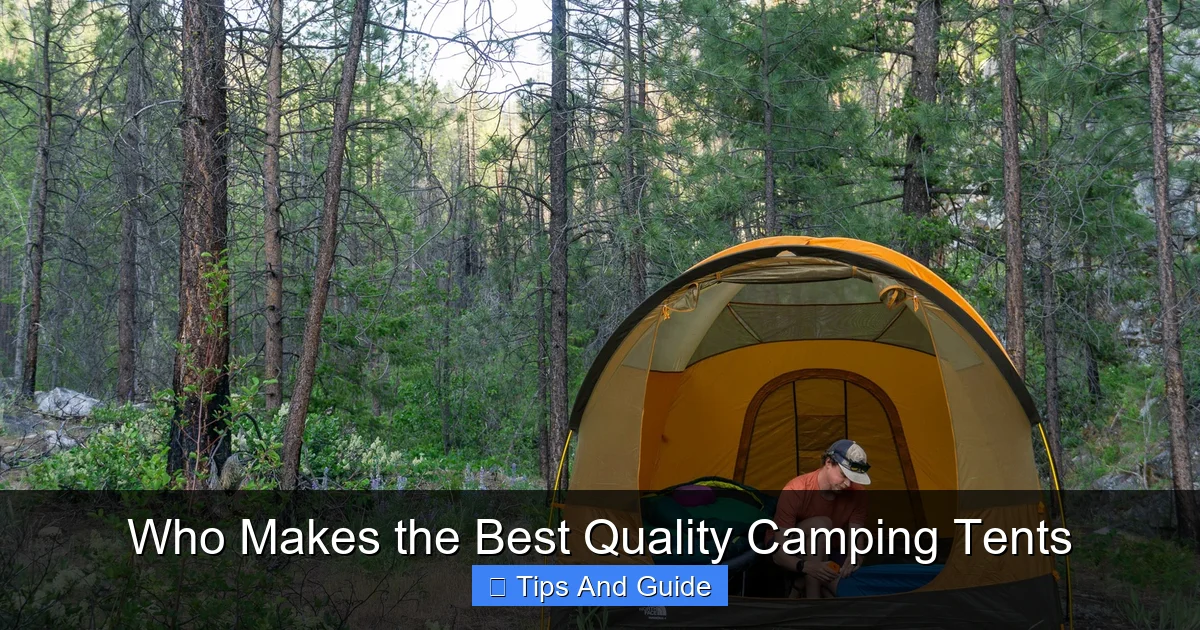
Choosing the best quality camping tents depends on your needs, but top brands like MSR, Big Agnes, and REI stand out for durability, weather resistance, and smart design. This guide breaks down what makes a tent truly great—from materials to build quality—so you can camp with confidence no matter the conditions.
When you’re miles from the nearest road, sleeping under the stars in a storm or baking in summer heat, your tent isn’t just gear—it’s your home. That’s why choosing the best quality camping tents isn’t a luxury; it’s a necessity. With so many options on the market, it’s easy to get overwhelmed by flashy ads and confusing specs. But the truth is, not all tents are created equal.
The best camping tents combine smart engineering, high-performance materials, and real-world testing to deliver shelter you can trust. Whether you’re backpacking through the Rockies, car camping with the family, or setting up for a weekend music festival, the right tent makes all the difference. In this guide, we’ll cut through the noise and show you exactly who makes the best quality camping tents—and why.
Key Takeaways
- Material matters most: High-denier fabrics and ripstop nylon offer better durability and tear resistance.
- Weather protection is key: Look for fully taped seams, robust poles, and steep wall designs for rain and wind.
- Brand reputation counts: MSR, Big Agnes, and Nemo lead in innovation and long-term reliability.
- Weight vs. space balance: Ultralight tents save weight but may sacrifice comfort—choose based on your camping style.
- Vestibules add value: Extra covered space keeps gear dry and improves livability in bad weather.
- Ventilation prevents condensation: Mesh panels and adjustable vents are essential for comfort in humid climates.
- Warranty and customer service: Top brands back their tents with strong warranties and responsive support.
📑 Table of Contents
What Defines a High-Quality Camping Tent?
Before naming names, let’s talk about what actually makes a tent “high quality.” It’s not just about price or brand name. True quality comes down to a few core factors: materials, construction, weather resistance, and user experience.
Fabric and Denier Rating
The fabric of your tent determines how well it holds up over time. Look for ripstop nylon or polyester with a high denier rating—typically 70D or higher for the floor and 20D–40D for the rainfly. Higher denier means thicker, more durable fabric. For example, the best camping tents in the world often use 70D or 100D floors to resist punctures from rocks and roots.
Pole Strength and Design
Tent poles made from aluminum (like DAC or Easton) are lighter and stronger than fiberglass. Premium tents use shock-corded poles that snap together easily and resist bending in wind. A geodesic or dome design with multiple crossing poles offers superior stability in storms.
Seam Sealing and Waterproofing
A tent can have the best fabric, but if the seams aren’t taped, you’ll get leaks. Quality tents come with factory-taped seams and a waterproof rating of at least 1,500mm for the rainfly. Some top models exceed 3,000mm, making them ideal for rainy weather camping.
Top Brands That Make the Best Quality Camping Tents
Now that we know what to look for, let’s meet the brands that consistently deliver. These companies have earned their reputations through innovation, durability, and customer satisfaction.
MSR (Mountain Safety Research)
MSR is a legend in the outdoor world, known for building bombproof tents that thrive in extreme conditions. Their Hubba Hubba NX is a favorite among backpackers for its lightweight design (just over 4 lbs), excellent ventilation, and quick setup. MSR uses high-quality aluminum poles, durable 20D ripstop nylon, and a full-coverage rainfly with adjustable vents. It’s no surprise this tent often tops “best of” lists.
Big Agnes
Big Agnes revolutionized tent design with features like color-coded clips and pre-bent poles for easier setup. Their Copper Spur HV UL series is a standout—light, spacious, and packed with smart details like multiple doors and large vestibules. The HV (high volume) design gives you more headroom without adding weight, making it perfect for couples or solo campers who want space.
Nemo Equipment
Nemo blends innovation with comfort. Their Dagger OSMO 2P uses a unique OSMO fabric that’s both waterproof and breathable, reducing condensation without chemical treatments. The asymmetrical design maximizes interior space, and the two large vestibules offer ample dry storage. Nemo also offers a lifetime warranty, showing confidence in their build quality.
REI Co-op
For those who want premium quality at a fair price, REI’s in-house brand delivers. The REI Co-op Half Dome SL is a bestseller for good reason—it’s roomy, easy to pitch, and built with 68D polyester and aluminum poles. It’s not the lightest, but it’s incredibly durable and great for car camping or weekend trips. Plus, REI’s generous return policy makes it a low-risk choice.
The North Face
The North Face combines style and function. Their VE 25 is a favorite for alpine expeditions, with a rugged 70D floor, steep walls for snow shedding, and a dual-door design. While heavier than ultralight options, it’s built to handle high winds and heavy snow—ideal for winter camping.
Specialty Tents for Unique Needs
Not every camper needs a minimalist backpacking shelter. Some need space, others need weather protection, and some just want to camp in style. Here’s how top brands meet those niche demands.
Best for Families: Big Agnes Grand Teton 6P
If you’re camping with kids or a group, space is king. The Grand Teton 6P offers nearly 100 square feet of floor space, two doors, and three rooms with optional dividers. It’s not ultralight, but it’s one of the most livable family tents on the market. For even more room, check out the best big tents for camping.
Best for Beach Camping: Kelty Wireless 4
Sand and wind demand a different kind of tent. The Kelty Wireless 4 features a bathtub floor to keep sand out, large mesh panels for airflow, and a low profile to resist gusts. It’s not fully waterproof, but it’s perfect for dry, coastal environments. For more options, see our guide to the best camping tents for the beach.
Best for Glamping: White Duck Alpha Wall Tent
Glamping is all about comfort, and White Duck delivers with their canvas wall tents. These are heavy and require a vehicle, but they’re incredibly durable, breathable, and spacious. Add a wood stove, and you’ve got a cozy cabin in the woods. Explore more in our roundup of the best camping tents for glamping.
How to Choose the Right Tent for Your Needs
Even the best tent won’t serve you well if it’s not the right fit. Here’s how to match your needs to the right model.
Backpacking vs. Car Camping
Backpackers need lightweight, compact tents—under 5 lbs is ideal. Look for models like the MSR Hubba Hubba or Big Agnes Copper Spur. Car campers can prioritize space and comfort. A 6-person tent like the REI Co-op Kingdom 6 offers room to stand and store gear.
Seasonality
3-season tents work for spring, summer, and fall. For winter or high-altitude trips, you need a 4-season tent with stronger poles, less mesh, and snow-shedding designs. The Hilleberg Anjan or The North Face Assault are excellent choices.
Number of Occupants
A “2-person” tent often fits two people snugly. If you want space for gear or a dog, go up a size. The best 3 person tents for camping offer a good balance of weight and room for couples.
Maintenance Tips to Extend Tent Life
Even the best quality camping tents need care. Follow these tips to keep yours in top shape:
- Always dry your tent before storing. Mildew and fabric degradation happen when tents stay wet.
- Use a footprint or tarp underneath. This protects the floor from abrasion and moisture.
- Avoid folding the same way every time. This prevents crease wear. Roll it loosely instead.
- Clean with mild soap and water. Never use harsh detergents or machine wash.
- Store in a cool, dry place. Avoid attics or garages with temperature swings.
Final Thoughts: Who Really Makes the Best?
So, who makes the best quality camping tents? There’s no single answer—it depends on your adventure. MSR and Big Agnes lead in ultralight performance, Nemo excels in innovation, and REI offers unbeatable value. For families, White Duck and Kelty deliver space and durability. The key is matching the tent to your needs, not just chasing the highest price tag.
Investing in a high-quality tent means investing in peace of mind. You’ll sleep better, stay dry, and enjoy the outdoors more—because your shelter is one less thing to worry about. Whether you’re heading into the backcountry or setting up basecamp for a festival, choose wisely. Your next great adventure deserves the best.
Frequently Asked Questions
What is the most durable camping tent brand?
MSR and Hilleberg are known for making the most durable camping tents, especially for extreme weather. Their tents use high-denier fabrics, strong aluminum poles, and rigorous testing in real-world conditions.
Are expensive tents worth it?
Yes, if you camp frequently or in harsh conditions. Expensive tents often use better materials, offer superior weather protection, and last longer. For occasional campers, mid-range options like REI Co-op provide great value.
What should I look for in a 4-season tent?
Look for robust pole structures, minimal mesh, steep wall angles to shed snow, and a full-coverage rainfly. Brands like The North Face and Hilleberg specialize in 4-season designs.
Can I use a 3-season tent in winter?
It’s not recommended. 3-season tents aren’t built to handle heavy snow or high winds. Use a 4-season tent or a winter-specific shelter for safety and comfort.
How do I prevent condensation in my tent?
Maximize ventilation by opening vents, using mesh panels, and avoiding breathing directly into the tent walls. Tents with dual-layer designs and adjustable airflow, like those from Nemo, help reduce moisture buildup.
What’s the difference between a vestibule and a porch?
A vestibule is a covered area outside the tent entrance, created by the rainfly, used for gear storage. A porch is a more permanent, enclosed space—often found in larger family or glamping tents—that provides sheltered living area.
