Where to Tent Camp in Yellowstone
Yellowstone National Park offers some of the most breathtaking tent camping experiences in the U.S., with over a dozen campgrounds nestled among geysers, forests, and wildlife. Whether you’re a first-time camper or a seasoned adventurer, knowing where to tent camp in Yellowstone ensures a safe, memorable trip surrounded by nature’s wonders.
If you’ve ever dreamed of waking up to the sound of geysers erupting, elk bugling in the meadows, or stars blazing across a sky untouched by city lights, then tent camping in Yellowstone might just be your next great adventure. As America’s first national park, Yellowstone spans over 2.2 million acres of volcanic landscapes, alpine lakes, dense forests, and abundant wildlife. It’s a place where nature takes center stage—and camping here puts you right in the heart of it all.
But with so many options, knowing where to tent camp in Yellowstone can feel overwhelming. Should you stay near Old Faithful or seek solitude in the remote northeast? Do you want flush toilets and fire rings, or are you ready to go off-grid? The good news is that Yellowstone offers something for every kind of camper. From family-friendly developed campgrounds to rugged backcountry sites, your perfect spot is out there—you just need to know where to look.
Key Takeaways
- Reservations are essential: Most Yellowstone campgrounds require advance booking, especially during peak summer months.
- Choose the right campground: Options range from developed sites with amenities to remote backcountry zones for solitude seekers.
- Wildlife safety is critical: Always store food properly and maintain a safe distance from bears and bison.
- Weather varies dramatically: Nights can be cold even in summer—pack layers and a four-season tent if needed.
- Leave No Trace principles apply: Help preserve Yellowstone’s beauty by packing out all trash and minimizing your impact.
- Backcountry camping requires a permit: Plan ahead and obtain permits for overnight wilderness trips.
📑 Table of Contents
Top Developed Campgrounds for Tent Camping
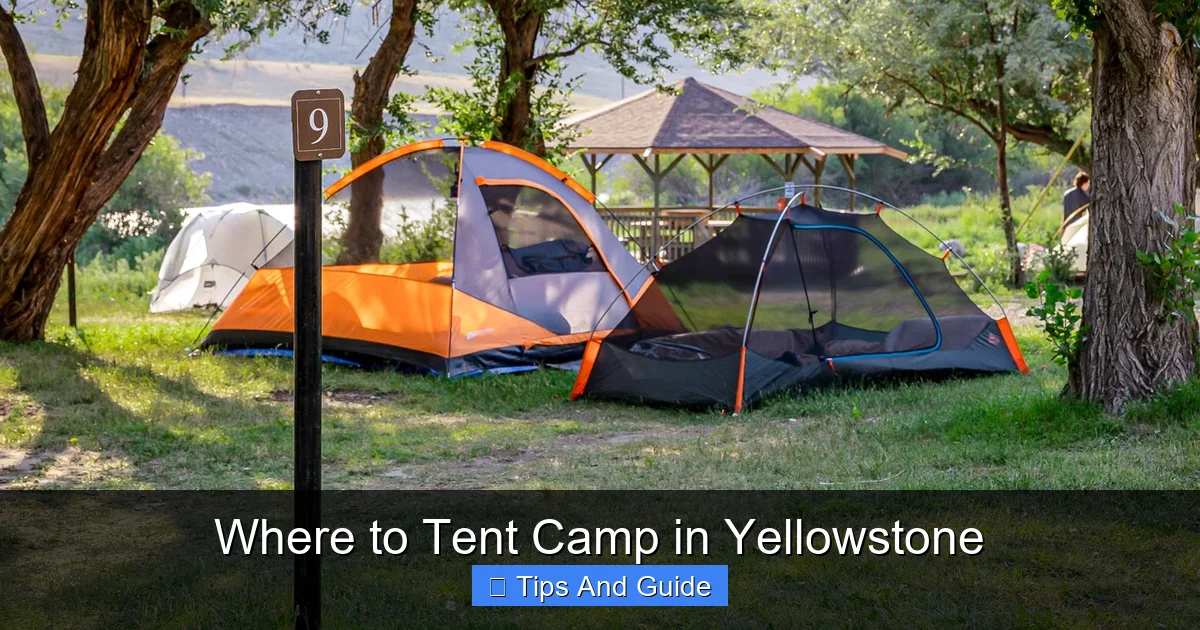
Yellowstone has 12 developed campgrounds operated by the National Park Service, and 11 of them allow tent camping. These sites offer varying levels of amenities, from basic pit toilets to drinking water and picnic tables. Here are some of the best options for tent campers.
Mammoth Campground
Located near the park’s north entrance, Mammoth is one of the few campgrounds open year-round. It’s ideal for those visiting in spring or fall, or even winter if you’re prepared. With over 80 sites, many shaded by pine trees, it’s a great base for exploring the Mammoth Hot Springs area. While it doesn’t have showers, it does offer flush toilets and drinking water. Reservations aren’t required—sites are first-come, first-served—but they fill up fast in summer.
Madison Campground
Situated near the Madison River, this campground is a favorite among anglers and families. It’s centrally located, making it easy to access major attractions like Old Faithful and the Grand Prismatic Spring. Madison has over 270 sites, many suitable for tents, and offers flush toilets, drinking water, and fire grates. Reservations are highly recommended and can be made up to six months in advance through Recreation.gov.
Grant Village Campground
On the shores of Yellowstone Lake, Grant Village offers stunning water views and cooler temperatures—perfect for hot summer days. This campground has over 400 sites, including many tent-friendly spots. Amenities include flush toilets, showers (for a fee), and a general store nearby. It’s a great choice if you want comfort without sacrificing scenery. Just be prepared for strong winds off the lake, which can make tent setup tricky.
Bridge Bay Campground
Also on Yellowstone Lake, Bridge Bay is the largest campground in the park with over 400 sites. It’s popular with boaters and families, thanks to its marina and boat launch. While most sites accommodate RVs, there are plenty of tent-only areas. Facilities include flush toilets, showers, and a camp store. Reservations are strongly advised, especially in July and August.
Backcountry Camping: For the True Adventurer
If you’re looking to escape the crowds and immerse yourself in Yellowstone’s wild heart, backcountry camping is the way to go. Over 300 designated backcountry campsites are scattered across the park, accessible only by hiking or boating. These sites offer unparalleled solitude and a chance to experience Yellowstone as few ever do.
Permits and Planning
All backcountry campers must obtain a permit, which can be reserved in advance or obtained in person at a ranger station. Permits cost $3 per person per night and are required even for solo travelers. You’ll need to provide a detailed itinerary, including your route and campsite choices. Rangers will help you select safe, legal sites based on current conditions.
Popular Backcountry Routes
One of the most popular routes is the Fairy Falls Trail, which leads to a backcountry site near the base of the 200-foot waterfall. The hike is about 5 miles round-trip and offers views of the Grand Prismatic Spring from an overlook. Another favorite is the Bechler River Trail in the remote southwest corner of the park, known as “Cascade Corner” for its waterfalls and lush meadows. This area is perfect for those seeking solitude and abundant wildlife.
Safety and Preparation
Backcountry camping in Yellowstone requires serious preparation. You’ll need a bear-resistant food container (provided at no cost when you get your permit), a sturdy tent, and knowledge of bear safety. Always camp at least 100 yards from trails and water sources, and never cook or store food in your tent. For tips on staying safe and comfortable, check out our guide on the best way to camp in a tent.
Seasonal Considerations for Tent Campers
Yellowstone’s weather can change in an instant, and your camping experience will vary greatly depending on when you visit.
Summer (June–August)
This is peak season, with all campgrounds open and the most services available. Days are warm, but nights can drop into the 40s (°F), so pack a warm sleeping bag. Afternoon thunderstorms are common, so be prepared for sudden rain. For advice on staying dry, read our article on how to keep your tent dry in the rain.
Fall (September–October)
Fall brings fewer crowds, stunning foliage, and cooler temperatures. Some campgrounds begin closing in September, so check the NPS website for updates. Wildlife is especially active during the rutting season, so you may see elk and bison up close—but always keep your distance.
Winter (November–March)
Only Mammoth Campground remains open in winter, and tent camping is not recommended due to extreme cold and snow. However, if you’re up for the challenge, winter camping offers a magical, silent landscape. For those brave enough to try it, our guide on how to winter camp in a tent covers essential tips for staying warm and safe.
Spring (April–May)
Spring is a transitional time. Snow may still cover higher elevations, and some roads and campgrounds remain closed. But as the park thaws, wildlife becomes more visible, and the waterfalls are at their peak flow. Be prepared for muddy conditions and unpredictable weather.
Essential Tips for Tent Camping in Yellowstone
No matter where you choose to camp, a few key practices will make your trip safer and more enjoyable.
Reserve Early
Most campgrounds in Yellowstone accept reservations up to six months in advance. Popular spots like Madison and Grant Village book up within minutes when reservations open. Set a calendar reminder and be ready at 8 a.m. Mountain Time on Recreation.gov.
Pack for All Weather
Even in July, nighttime temperatures can dip below freezing at higher elevations. Bring a sleeping bag rated for cold weather, a rainfly for your tent, and layers of clothing. A quality sleeping pad is also essential for insulation from the ground.
Store Food Properly
Bears and other wildlife are attracted to food smells. Use bear-proof lockers at developed campgrounds or hang your food in a bear bag if you’re in the backcountry. Never leave food, trash, or scented items (like toothpaste) in your tent.
Respect Wildlife
Yellowstone is home to bison, bears, wolves, and elk. Always stay at least 25 yards from bison and elk, and 100 yards from bears and wolves. Use binoculars or a zoom lens for photos—don’t approach animals for a better shot.
Follow Leave No Trace
Pack out everything you bring in, including food scraps and toilet paper. Use established fire rings where allowed, and never leave a fire unattended. Help keep Yellowstone pristine for future visitors.
Conclusion
Tent camping in Yellowstone is more than just a place to sleep—it’s an invitation to connect deeply with one of the world’s most extraordinary landscapes. Whether you’re pitching your tent beside a steaming hot spring, under the stars by Yellowstone Lake, or deep in the quiet wilderness, you’ll be part of something truly special. With careful planning, respect for nature, and the right gear, your adventure will be unforgettable. So pack your tent, grab your map, and get ready to explore where the wild things are.
Frequently Asked Questions
Do I need a reservation to tent camp in Yellowstone?
Yes, most campgrounds require reservations, especially during summer. Only Mammoth and Slough Creek operate on a first-come, first-served basis. Book through Recreation.gov up to six months in advance.
Can I camp for free in Yellowstone?
No, all developed campgrounds charge a fee (typically $20–$30 per night). Backcountry permits cost $3 per person per night. There are no free camping areas within the park boundaries.
Are there showers at Yellowstone campgrounds?
Some campgrounds, like Grant Village and Bridge Bay, have pay showers. Others only offer pit or flush toilets. Bring biodegradable soap if you plan to wash dishes or yourself in streams.
Is it safe to tent camp in bear country?
Yes, as long as you follow safety guidelines. Store food properly, make noise while hiking, and carry bear spray. Never approach or feed wildlife.
What’s the best time of year to tent camp in Yellowstone?
Late June to early September offers the best weather and full access to facilities. Shoulder seasons (May and September) have fewer crowds and lower prices, but some services may be limited.
Can I bring my dog tent camping in Yellowstone?
Yes, but dogs must be leashed at all times and are not allowed on trails or in the backcountry. They’re only permitted in campgrounds and on roads. For tips, see our guide on how to tent camp with a dog.