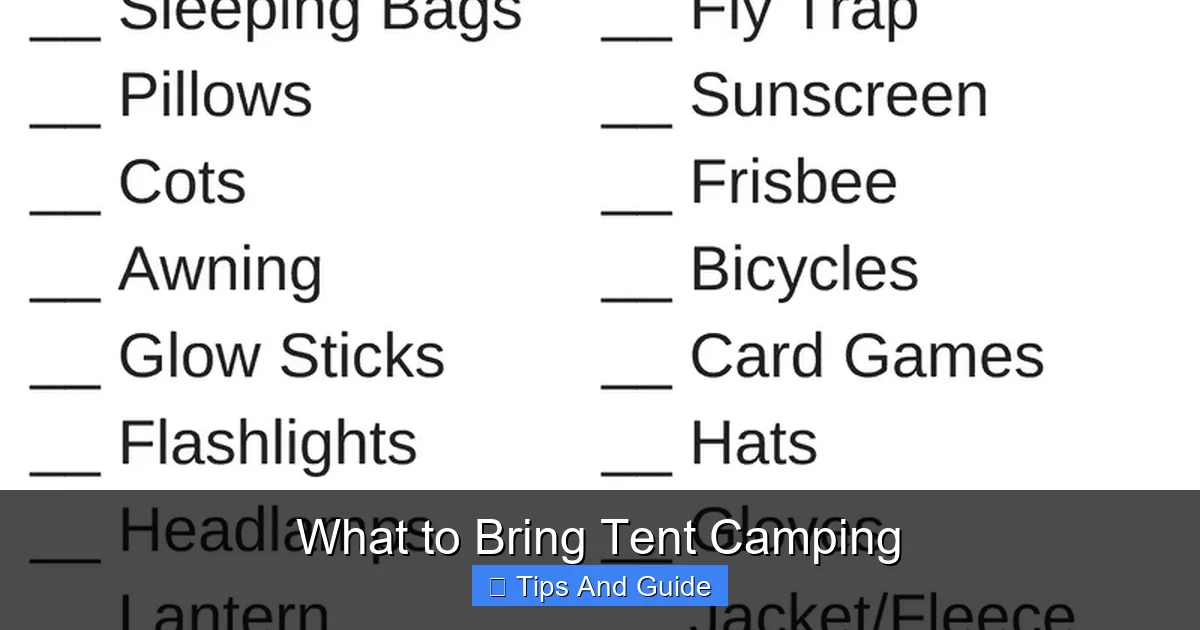
What to Bring Tent Camping
Knowing what to bring tent camping can make or break your outdoor experience. Whether you’re a beginner or seasoned camper, packing the right gear ensures comfort, safety, and fun. This guide covers everything you need—from shelter and sleep systems to food, clothing, and emergency supplies.
Key Takeaways
- Tent and shelter essentials: Choose a weather-appropriate tent, groundsheet, and stakes for stability and protection.
- Sleep system is critical: Bring a quality sleeping bag, sleeping pad, and pillow for warmth and comfort.
- Cooking and food gear: Pack a portable stove, utensils, coolers, and easy-to-prepare meals.
- Clothing for all conditions: Layer up with moisture-wicking base layers, insulating mid-layers, and waterproof outerwear.
- Safety and navigation tools: Always carry a first-aid kit, flashlight, map, compass, and multi-tool.
- Leave no trace: Bring trash bags, biodegradable soap, and practice responsible camping habits.
- Extras for comfort: Consider camp chairs, lanterns, and entertainment to enhance your experience.
📑 Table of Contents
Introduction: Why Packing Right Matters for Tent Camping
Tent camping is one of the most rewarding ways to connect with nature. Whether you’re escaping to the mountains, forests, or lakeside campsites, the freedom of sleeping under the stars is hard to beat. But that freedom comes with responsibility—especially when it comes to packing. Knowing what to bring tent camping isn’t just about convenience; it’s about safety, comfort, and making the most of your adventure.
Too many campers show up with just a tent and a backpack, only to realize they forgot the basics: a warm sleeping bag, a way to cook food, or even a flashlight. On the flip side, overpacking can weigh you down and take the joy out of the trip. The key is balance. With the right checklist and a little planning, you can pack smart, travel light, and still enjoy all the comforts of home—minus the Wi-Fi.
Shelter and Tent Essentials
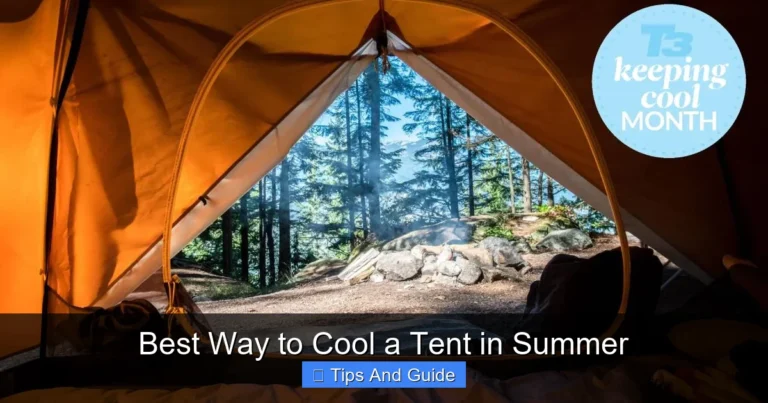
Your tent is your home away from home, so it deserves top priority. But a tent alone isn’t enough. You need the right setup to stay dry, safe, and comfortable.
Choose the Right Tent
Start with a tent that matches your group size and the season. A 3-season tent works for spring, summer, and fall, while a 4-season tent is built for harsh winter conditions. Look for features like a full-coverage rainfly, sturdy poles, and good ventilation. For example, a 2-person tent should comfortably fit two people and their gear—don’t skimp on space.
Groundsheet and Tarp
Always bring a groundsheet or footprint to place under your tent. This protects the floor from rocks, roots, and moisture. A separate tarp can be used above the tent in heavy rain or as a sunshade. Just make sure it doesn’t touch the tent fabric to avoid condensation.
Tent Stakes and Guy Lines
Pack extra stakes and guy lines—wind and soft ground can make standard stakes useless. Aluminum or steel stakes work best. For rocky terrain, consider using rocks or logs to secure your lines. And don’t forget a mallet or rock to drive stakes into hard ground.
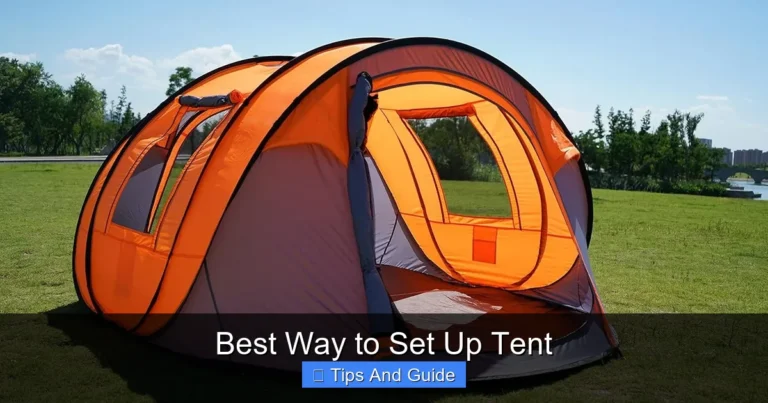
For tips on setting up your tent quickly and securely, check out our guide on how to set up a camping tent.
Sleep System: Stay Warm and Rested
A good night’s sleep is essential for enjoying your camping trip. Without the right sleep system, you’ll be cold, restless, and miserable by morning.
Sleeping Bag
Choose a sleeping bag rated for the lowest temperature you expect. A 20°F bag is ideal for cool nights, while a 40°F bag works for summer. Down bags are lightweight and warm but lose insulation when wet. Synthetic bags are heavier but perform better in damp conditions.
Sleeping Pad or Air Mattress
Insulation from the ground is just as important as your sleeping bag. A foam or inflatable sleeping pad adds comfort and keeps you warm. Self-inflating pads are a great middle ground—lightweight and comfy. For extra luxury, consider a battery-powered air mattress.
Pillow and Sleep Accessories
Don’t forget a small camping pillow or use a stuff sack filled with clothes. Earplugs and an eye mask can help block out noise and light, especially in busy campgrounds.
For more tips on staying cozy at night, read our article on the best way to sleep while tent camping.
Cooking and Food Supplies
Good food makes camping more enjoyable. But cooking in the wild requires planning and the right gear.
Portable Stove and Fuel
A compact camping stove is a must. Propane or butane stoves are easy to use and reliable. Bring extra fuel canisters—running out mid-meal is no fun. For a more rustic experience, learn how to build a safe campfire, but always check local fire regulations first.
Cookware and Utensils
Pack a lightweight pot, frying pan, and utensils. Collapsible silicone bowls and cups save space. Don’t forget a spatula, knife, and can opener. A small cutting board helps with prep.
Food and Storage
Plan meals ahead of time. Bring non-perishable items like pasta, rice, canned beans, and instant oatmeal. Use airtight containers to keep food fresh and critters out. A cooler with ice packs works for perishables like meat and dairy—just remember to store food properly.
For safe and smart food storage tips, visit our guide on how to store food when tent camping.
Clothing and Personal Items
Weather in the wilderness can change fast. Dressing in layers is the best way to stay comfortable.
Layering System
Start with a moisture-wicking base layer (like merino wool or synthetic fabric). Add an insulating mid-layer such as a fleece or down jacket. Top it off with a waterproof and windproof outer shell. This system lets you adjust to changing temperatures.
Footwear
Bring sturdy hiking boots for trails and camp shoes (like sandals or sneakers) for relaxing at the site. Always pack extra socks—wet feet lead to blisters and discomfort.
Personal Care and Hygiene
Pack biodegradable soap, toothbrush, toothpaste, and a small towel. A trowel is essential for digging catholes if you’re in a backcountry area. Hand sanitizer and toilet paper should go in a sealed bag.
For summer trips, staying cool is just as important as staying warm. Learn how with our guide on how to stay cool while tent camping.
Safety and Emergency Gear
Even on a short trip, safety should never be an afterthought.
First-Aid Kit
Your kit should include bandages, antiseptic wipes, tweezers, pain relievers, and any personal medications. Add a small guidebook on wilderness first aid if you’re going off-grid.
Lighting and Navigation
Bring a headlamp (hands-free is best), extra batteries, and a backup flashlight. A lantern helps light up the whole campsite at night. Always carry a map and compass—even if you have GPS, batteries die.
Multi-Tool and Fire Starter
A good multi-tool can fix gear, cut rope, or open cans. Waterproof matches, a lighter, or a fire starter kit are essential for warmth and cooking.
Extras for Comfort and Fun
Once the essentials are covered, add a few luxuries to make your trip more enjoyable.
Camp Furniture
Folding chairs and a small table make meals and relaxing much easier. A camping hammock is perfect for lazy afternoons.
Entertainment
Bring books, cards, or a portable speaker (use sparingly to respect others). Star charts or a telescope can enhance nighttime adventures.
Power and Charging
A solar charger or power bank keeps your phone and devices alive. Just don’t rely on it too much—part of camping is unplugging!
Conclusion: Pack Smart, Camp Happy
Knowing what to bring tent camping doesn’t have to be overwhelming. Start with the basics—shelter, sleep, food, clothing, and safety—and build from there. A well-packed bag means fewer surprises and more time enjoying nature. Remember, the goal isn’t to bring everything, but to bring the right things.
With this guide, you’re ready to hit the trails with confidence. Whether you’re camping for a weekend or a week, preparation is the secret to a great trip. So double-check your list, charge your headlamp, and get ready to make memories under the open sky.
Frequently Asked Questions
What should I bring for a first-time tent camping trip?
Start with the basics: a tent, sleeping bag, sleeping pad, portable stove, food, water, clothing, and a first-aid kit. Focus on comfort and safety, and don’t forget a flashlight and extra batteries.
How do I keep my tent dry in the rain?
Use a full-coverage rainfly, set up on high ground, and place a groundsheet under the tent. Keep wet gear outside and avoid bringing damp items inside. Learn more in our guide on how to waterproof a camping tent.
Can I bring my dog tent camping?
Yes! Just make sure your dog is comfortable in a tent, bring their food, water, leash, and a bed. Check out our tips on how to take a dog tent camping for a smooth experience.
What’s the best way to stay warm while tent camping?
Use a sleeping bag rated for cold weather, add a sleeping pad for insulation, and wear warm base layers. For more tips, read our article on how to stay warm tent camping.
Do I need a camp chair?
It’s not essential, but a lightweight folding chair makes sitting around the campfire or eating meals much more comfortable. It’s a small luxury that goes a long way.
How do I clean my tent after camping?
Shake out dirt, spot-clean with mild soap and water, and let it dry completely before storing. Avoid machine washing. For detailed steps, see our guide on how to clean a tent after camping.