Best Way to Secure a Canopy Tent
Securing your canopy tent properly is essential to prevent damage, injury, and costly replacements—especially in windy or unpredictable weather. This guide covers the most effective methods, tools, and real-world tips to keep your canopy stable and safe, whether you’re at the beach, backyard, or campsite.
Key Takeaways
- Use heavy-duty stakes and sandbags: Anchor each leg with quality stakes or fill sandbags to add weight and prevent lifting.
- Choose the right anchoring method for your surface: Grass, sand, concrete, and asphalt each require different securing techniques.
- Install guy lines and tension straps: These provide lateral support and reduce flapping in strong winds.
- Check weather forecasts before setup: Avoid setting up in high-wind conditions when possible, and always secure early.
- Inspect and maintain your canopy regularly: Worn fabric, loose joints, or rusted frames compromise stability.
- Use a canopy with reinforced corners and cross-bracing: Better design means better wind resistance.
- Take down or reinforce during storms: Never leave a canopy unattended in severe weather—safety first.
📑 Table of Contents
Why Securing Your Canopy Tent Matters
A canopy tent is more than just shade—it’s a shelter that protects people, gear, and food from sun, rain, and wind. But if it’s not secured properly, it can become a dangerous projectile in strong gusts. Imagine setting up a perfect outdoor party, only to have your canopy flip over and send chairs flying. Not fun—and potentially hazardous.
Whether you’re using a canopy for a backyard barbecue, a beach day, a market stall, or a camping trip, knowing the best way to secure a canopy tent is crucial. A well-anchored canopy stays upright, lasts longer, and gives you peace of mind. In this guide, we’ll walk you through practical, proven methods to keep your canopy stable no matter where you are.
Understanding Wind and Weather Risks
Wind is the number one enemy of canopy tents. Even a light breeze can create lift under the fabric, turning your canopy into a sail. Gusts over 20 mph can easily flip an unsecured tent, especially if it’s tall or has a large surface area.
Visual guide about Best Way to Secure a Canopy Tent
Image source: assets-global.website-files.com
How Wind Affects Canopy Tents
Canopy tents catch wind like kites. The flatter the roof, the more wind it grabs. High-profile canopies (like 10×10 or 10×20 models) are especially vulnerable. Wind can lift the legs, twist the frame, or tear the fabric at the seams. That’s why understanding wind behavior is the first step in proper securing.
Weather Awareness Tips
Always check the forecast before setting up. Apps like Weather.com or Windy provide real-time wind speed and direction. If winds are expected to exceed 15–20 mph, consider postponing or using extra reinforcement. Even on calm days, sudden gusts can occur—especially near water or open fields.
Choosing the Right Anchoring Tools
The best way to secure a canopy tent starts with the right gear. Using weak or mismatched tools is like locking your front door with a shoelace—it might look secure, but it won’t hold.
Stakes: Strength and Design Matter
Not all stakes are created equal. Standard J-hook stakes work on soft ground like grass, but they can pull out in strong winds. For better hold, use heavy-duty auger stakes (also called spiral or screw-in stakes). These dig deep and resist pulling forces. For sand, use wide, flat sand stakes that distribute weight and prevent sinking.
Sandbags and Weight Bags
Sandbags are a simple, effective way to add downward force. Fill them with sand, gravel, or even water (though water can leak). Place one on each leg, or use weight bags designed specifically for canopies. These often have Velcro straps to attach directly to the legs. A 25–40 lb weight per leg is ideal for most 10×10 canopies.
Guy Lines and Tension Straps
Guy lines are ropes or straps that run from the canopy corners to stakes in the ground. They prevent sideways movement and reduce flapping. Use at least four lines—one per corner—angled outward at 45 degrees. Tension straps with ratchets make it easy to tighten and adjust. This is one of the most overlooked but effective ways to stabilize a canopy.
Anchoring by Surface Type
Your anchoring strategy depends entirely on where you’re setting up. A method that works on grass won’t work on concrete. Let’s break it down.
Grass and Soil
This is the easiest surface to anchor on. Drive auger stakes into the ground at a 45-degree angle away from the canopy. Connect them to the legs with straps or ropes. For extra security, add sandbags on top of the legs. If the ground is wet or loose, use longer stakes or double up with two per leg.
Sand and Beach
Sand shifts and offers little grip. Standard stakes won’t hold. Use wide, flat sand anchors or bury a weight (like a bucket filled with sand) and attach the canopy leg to it with a rope. Alternatively, use a beach-specific anchoring system with long, wide plates that sit below the surface. These distribute the load and resist pulling out.
Concrete, Asphalt, or Pavement
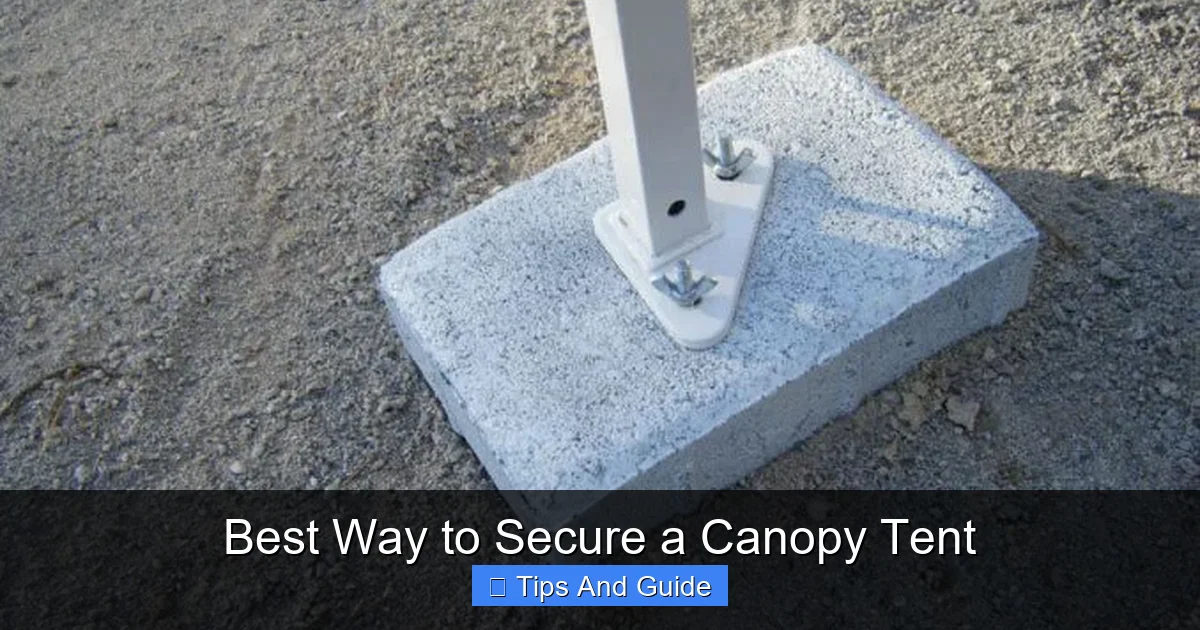
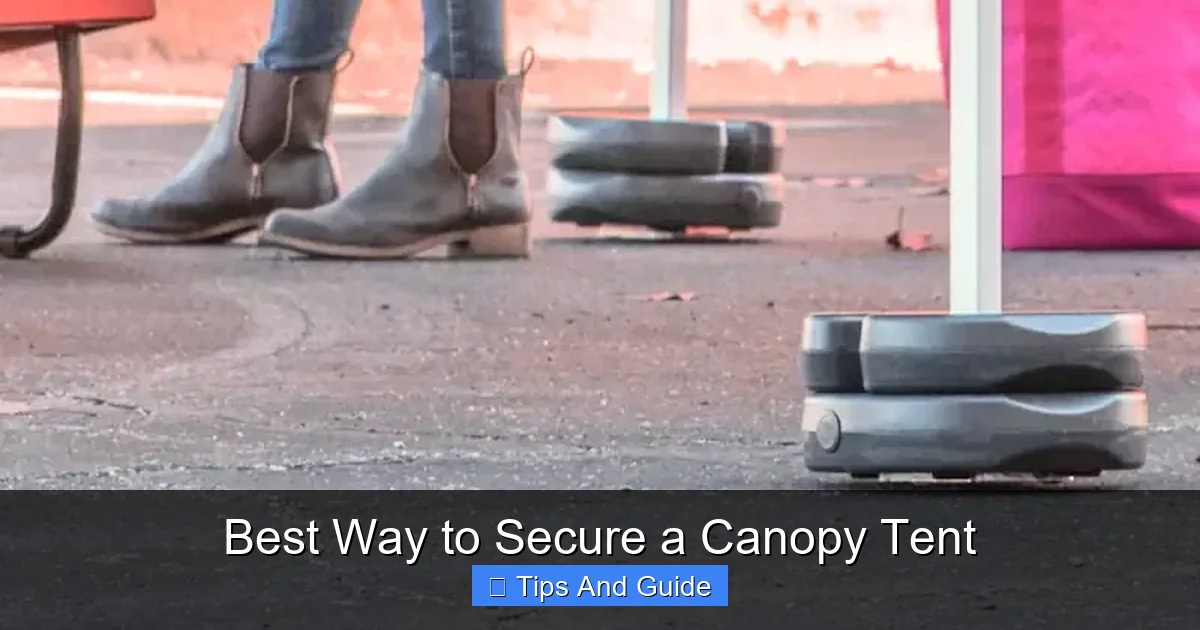
You can’t stake into hard surfaces. Here, weight is your only option. Use heavy sandbags, cinder blocks, or commercial weight plates. Place them directly on the canopy legs or use leg weights with built-in brackets. For market vendors or event setups, consider weighted bases that screw into the leg bottoms. Never rely on friction alone—wind can still tip it.
Indoor or Hardwood Floors
For indoor events or decks, use non-slip mats under the legs and add weight bags. Some canopies come with rubber foot pads to prevent scratching. Avoid staking indoors—it’s unsafe and damages floors. Instead, maximize weight and use guy lines anchored to heavy furniture (if allowed).
Advanced Securing Techniques
Once you’ve mastered the basics, these advanced tips will take your canopy security to the next level.
Cross-Bracing and Frame Reinforcement
Some canopies come with cross-bracing—extra poles that connect opposite legs. This creates a rigid frame that resists twisting. If your canopy doesn’t have it, consider upgrading to a model that does. Reinforced corners and thicker poles also improve stability.
Using a Canopy Wall or Side Panel
Adding a side panel can reduce wind exposure on one side, but be careful—it can also act like a sail if not secured. Only use walls when wind direction is predictable, and always anchor them with their own stakes or weights. For full protection, use a fully enclosed canopy with zippered walls.
Layering Anchoring Methods
The best way to secure a canopy tent is to use multiple methods together. For example: stakes + sandbags + guy lines. This layered approach ensures that if one method fails, others will hold. On windy days, this redundancy can mean the difference between a standing canopy and a disaster.
Maintenance and Safety Checks
A secure canopy starts with a well-maintained one. Regular checks prevent failures before they happen.
Inspect Before Every Use
Look for frayed fabric, bent poles, loose joints, or rusted parts. Even small tears can grow in the wind. Check all straps, stakes, and connectors. Replace worn components immediately. A damaged canopy is unsafe, no matter how well you anchor it.
Store Properly
After use, clean and dry your canopy before storing. Moisture leads to mold and weakens fabric. Fold it neatly and keep it in a dry place. For long-term storage, use a breathable bag—not plastic, which traps moisture. For tips on proper care, see our guide on the best way to clean a tent.
Know When to Take It Down
No anchoring method is 100% storm-proof. If winds exceed 30 mph or a storm is approaching, take the canopy down. It’s better to lose a few hours of use than risk injury or damage. For extended outdoor events, consider a permanent structure or a professionally installed shelter.
Real-World Examples and Pro Tips
Let’s look at how these methods work in real life.
Beach Setup: At the beach, use sand anchors buried 12–18 inches deep. Attach guy lines to nearby heavy objects (like coolers or chairs) if stakes aren’t enough. Add sandbags to each leg. Avoid setting up near dunes or cliffs where wind funnels.
Backyard Party: On grass, use auger stakes and sandbags. Add guy lines anchored to trees or fence posts. If you have a pergola, consider attaching the canopy to it with straps (check weight limits). This creates a semi-permanent shaded area.
Farmer’s Market Stall: On pavement, use weighted bases filled with sand or water. Connect canopies side-by-side with straps to create a stable wall. Use signage to warn customers of low-hanging parts. Always have a plan for sudden wind.
Camping Trip: In the wilderness, use natural anchors like rocks or logs. Tie guy lines to trees or large stones. If no anchors are available, bury a backpack filled with gear and attach the line to it. For more on outdoor comfort, check out our guide on the best way to keep cool in a tent.
Conclusion
Securing a canopy tent isn’t just about hammering in a few stakes—it’s about understanding your environment, using the right tools, and layering safety measures. The best way to secure a canopy tent combines proper anchoring, weather awareness, and regular maintenance. Whether you’re at the beach, backyard, or campsite, these tips will keep your canopy standing strong.
Remember: a little preparation goes a long way. Invest in quality stakes, weights, and straps. Check the weather. Inspect your gear. And never underestimate the power of wind. With these steps, your canopy will stay safe, stable, and ready for whatever the day brings.
Frequently Asked Questions
Can I use regular tent stakes for a canopy?
Regular tent stakes may work on soft ground, but they’re not strong enough for canopies in wind. Use heavy-duty auger or sand stakes for better hold and safety.
How much weight do I need to secure a 10×10 canopy?
Aim for 25–40 pounds per leg. Use sandbags, weight plates, or water containers. More weight is needed in windy conditions or on hard surfaces.
Do I need guy lines if I use sandbags?
Yes. Sandbags prevent lifting, but guy lines stop sideways movement and flapping. Use both for maximum stability, especially in wind.
Can I leave my canopy up overnight?
Only if it’s fully secured and the weather is calm. Overnight winds can be unpredictable. When in doubt, take it down to avoid damage.
What’s the best way to secure a canopy on concrete?
Use weighted bases, sandbags, or cinder blocks placed on each leg. Avoid staking—use only downward force to keep it stable.
How do I stop my canopy from flapping in the wind?
Tighten all frame joints, use guy lines at 45-degree angles, and ensure the fabric is taut. Flapping weakens seams and increases wind resistance.