What Are Those Big Tents Called
If you’ve ever seen massive tents at weddings, festivals, or campsites and wondered what they’re called, you’re not alone. These large shelters go by many names—from marquees to bell tents—and serve a variety of purposes depending on the event or environment.
Key Takeaways
- Big tents are known by different names like marquee, canopy, bell tent, or frame tent, depending on design and use.
- They’re used for weddings, camping, parties, and outdoor events where space, weather protection, and comfort matter.
- Marquee tents are popular for formal events like garden parties and corporate functions due to their elegant, spacious design.
- Bell tents offer a stylish, portable option for glamping and family camping with easy setup and a cozy feel.
- Frame and pole tents are durable and weather-resistant, ideal for long-term use or large gatherings.
- Pop-up and instant tents save time and are great for casual beach days or backyard hangouts.
- Choosing the right big tent depends on size, weather, and purpose—always consider setup ease, ventilation, and portability.
📑 Table of Contents
What Are Those Big Tents Called? A Complete Guide
Have you ever attended a wedding in a lush backyard and noticed a huge, elegant tent towering over the reception area? Or maybe you’ve seen massive white structures at music festivals, farmers markets, or family reunions and wondered, “What are those big tents called?” You’re not alone. These large outdoor shelters are a common sight at events worldwide, but their names and uses can be confusing if you’re not familiar with the world of outdoor gear and event planning.
The truth is, there isn’t just one name for these large tents. Depending on their design, material, and purpose, they go by several names—marquee, canopy, frame tent, bell tent, pop-up tent, and more. Some are built for luxury and style, while others prioritize durability and ease of setup. Whether you’re planning a dreamy outdoor wedding, gearing up for a family camping trip, or throwing a summer bash in your backyard, understanding the different types of big tents can help you choose the perfect one for your needs.
In this guide, we’ll break down the most common types of big tents, explain what they’re called, and help you figure out which one suits your next adventure. From elegant marquees to rugged camping domes, we’ve got you covered.
Common Names for Big Tents and What They Mean
When people ask, “What are those big tents called?” they’re usually referring to large, freestanding outdoor shelters. But the name can vary widely based on where you are and what the tent is used for. Here are the most common terms you’ll hear:
Marquee Tents
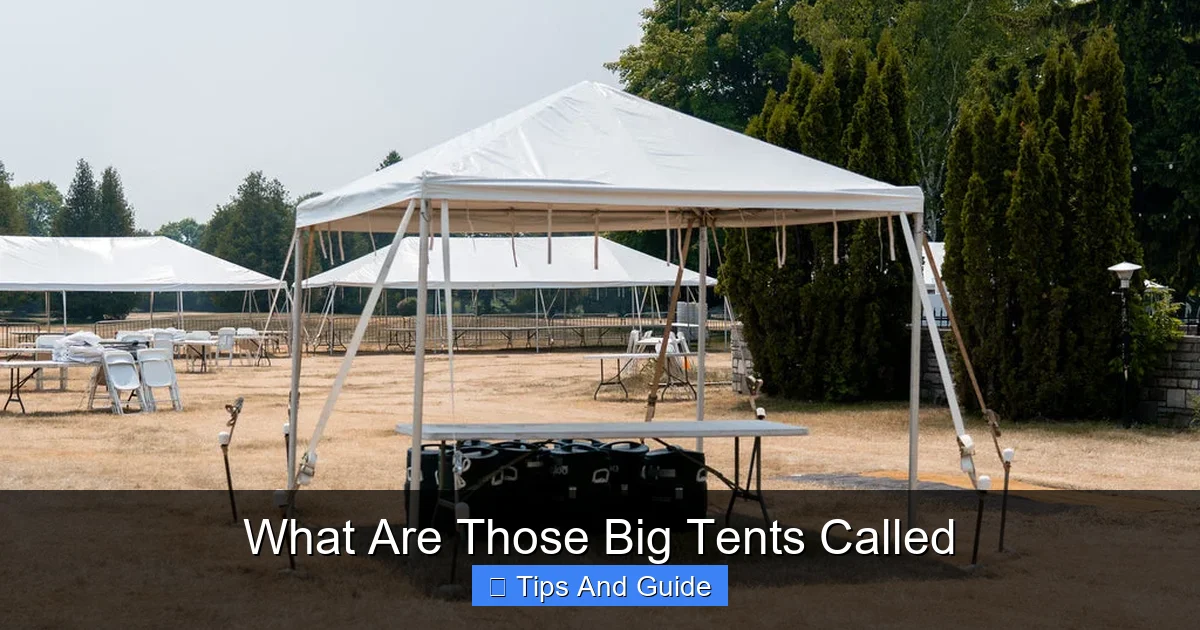
One of the most popular names for big tents is marquee. Originally a term from French and Arabic meaning “place of assembly,” marquee tents today are synonymous with elegance and formality. These are the tall, white, pavilion-style tents you often see at weddings, corporate events, and garden parties. Marquee tents typically feature peaked roofs, clear vinyl windows, and sidewalls that can be opened or closed for ventilation. They’re spacious, stylish, and perfect for creating a luxurious outdoor atmosphere. If you’re planning a wedding under the stars, a marquee tent is likely your best bet.
Canopy Tents
Canopy tents are another common name for large outdoor shelters. These are usually simpler in design—think of the big pop-up canopies you see at beach parties or food trucks. They’re lightweight, easy to assemble, and often made from polyester or vinyl with metal frames. While not as elegant as marquees, canopy tents are practical and affordable. They’re great for shade at the beach, backyard BBQs, or market stalls. For a quick and easy setup, check out the best big tent for beach use.
Bell Tents
Bell tents are instantly recognizable by their conical shape and central pole. Inspired by traditional Native American tipis and Mongolian yurts, these tents are a favorite among glampers and outdoor enthusiasts. They’re made from heavy-duty canvas, offer excellent ventilation, and can comfortably fit a small family or couple with room to spare. Bell tents are stylish, cozy, and surprisingly weather-resistant. If you’re into glamping or family camping, a bell tent might be your dream shelter.
Frame Tents
Frame tents are large, durable structures supported by an internal metal frame rather than center poles. This design allows for wide, open spaces without obstructions—perfect for events like concerts, trade shows, or large family gatherings. Because they don’t rely on center poles, frame tents offer maximum usable floor space. They’re often used for long-term installations and can withstand wind and rain better than many other types. These are a top choice if you need a big tent for a party with lots of guests.
Pop-Up and Instant Tents
Pop-up tents are the quickest and easiest big tents to set up. As the name suggests, they “pop” into shape in seconds—no poles or tools required. These are ideal for casual use like beach days, picnics, or backyard play areas for kids. While they may not be as sturdy as marquees or frame tents, they’re perfect for short-term shade and fun. For families looking for convenience, the best big tent for kids is often a colorful, pop-up model that’s safe and easy to manage.
How to Choose the Right Big Tent for Your Needs
Now that you know what those big tents are called, the next step is figuring out which one is right for you. The best tent depends on several factors: the size of your group, the type of event, the weather conditions, and how much time you want to spend setting it up.
Consider the Purpose
Are you hosting a formal wedding, going camping with the family, or just need shade for a backyard barbecue? Your event type will heavily influence your choice. For elegant affairs, a marquee or frame tent offers sophistication and space. For outdoor adventures, a bell tent or large camping tent is more practical. If you’re heading to the wilderness, check out the best big tents for camping that balance space, weight, and durability.
Think About Size and Capacity
Big tents come in all sizes—from 10-person family models to massive 100-person event structures. Measure your space and estimate how many people (or how much gear) you need to accommodate. A good rule of thumb: allow at least 10–15 square feet per person for comfort. For families, the best big tents for families offer multiple rooms, storage pockets, and easy access.
Weather Resistance Matters
Not all big tents are created equal when it comes to weather. If you’re in a rainy or windy area, look for tents with reinforced frames, waterproof fabrics, and secure anchoring systems. Canvas bell tents and heavy-duty frame tents handle storms better than lightweight pop-ups. Always check if the tent is rated for wind and rain—especially if you’re camping or hosting an all-day event.
Ease of Setup and Portability
Some big tents take hours to assemble with a team of people, while others pop up in minutes. If you’re setting up solo or in a hurry, a pop-up or instant tent is your best friend. For long-term use, a more permanent structure like a frame or marquee tent makes sense. Consider how often you’ll use it and whether you need to transport it frequently.
Popular Uses for Big Tents
Big tents aren’t just for weddings and festivals. Their versatility makes them useful in many settings:
Weddings and Celebrations
Nothing says “special occasion” like a beautifully decorated marquee tent. These structures provide a blank canvas for lighting, draping, and floral arrangements. They protect guests from sun, rain, or wind, ensuring your big day goes smoothly no matter the weather.
Camping and Glamping
For families and outdoor lovers, big tents make camping more comfortable. A spacious family tent with room dividers lets everyone sleep in privacy, while a bell tent adds a touch of luxury to your wilderness experience. Glampers especially love the aesthetic and comfort of large canvas tents.
Backyard Parties and BBQs
Hosting a summer cookout? A big canopy or pop-up tent gives your guests a shaded spot to relax, eat, and socialize. It also protects your food and drinks from the elements. Plus, it adds a festive vibe to any gathering.
Beach Days and Outdoor Adventures
On the sand, a large beach tent provides essential shade and a place to store gear. Look for models with sand pockets, UV protection, and ventilation to stay cool. These are perfect for families spending the whole day by the water.
Tips for Setting Up and Maintaining Your Big Tent
Once you’ve chosen your big tent, proper setup and care will extend its life and keep it looking great.
Choose the Right Location
Always set up your tent on level, debris-free ground. Avoid low spots where water might collect. For events, consider proximity to power outlets, restrooms, and parking.
Use Proper Anchoring
Secure your tent with stakes, weights, or guy lines—especially in windy conditions. Frame tents often require concrete blocks or sandbags for stability.
Ventilate and Maintain
Keep vents open to reduce condensation, especially in canvas tents. After use, clean the fabric with mild soap and let it dry completely before storing to prevent mold and mildew.
Final Thoughts
So, what are those big tents called? The answer isn’t simple—because there are so many types, each with its own name and purpose. From elegant marquees to rugged bell tents, the right choice depends on your needs, style, and setting. Whether you’re planning a dream wedding, a family camping trip, or a fun backyard party, there’s a big tent out there that’s perfect for you.
Take the time to research, compare options, and consider factors like size, weather resistance, and ease of use. With the right tent, your outdoor experience can be comfortable, stylish, and stress-free.
Frequently Asked Questions
What is the difference between a marquee and a canopy tent?
A marquee tent is typically larger, more elegant, and used for formal events like weddings. A canopy tent is usually smaller, simpler, and designed for quick shade at casual gatherings or outdoor markets.
Are big tents waterproof?
Many big tents are water-resistant, but not all are fully waterproof. Canvas bell tents and heavy-duty frame tents often have better weather protection. Always check the product specs and use a rainfly if needed.
Can I set up a big tent by myself?
It depends on the type. Pop-up and instant tents are designed for one-person setup. Marquee and frame tents usually require a team and tools. Always read the instructions before starting.
How much do big tents cost?
Prices vary widely. Pop-up canopies start around $100, while large marquee or frame tents for events can cost thousands. Rental is often a more affordable option for one-time use.
Are big tents good for camping?
Yes, especially for families or groups. Large camping tents offer space, privacy, and comfort. Bell tents and 3-room models are popular for car camping and glamping.
Do I need a permit to use a big tent?
In some cities or parks, yes—especially for large structures or public events. Check local regulations before setting up a big tent in a public or rented space.