
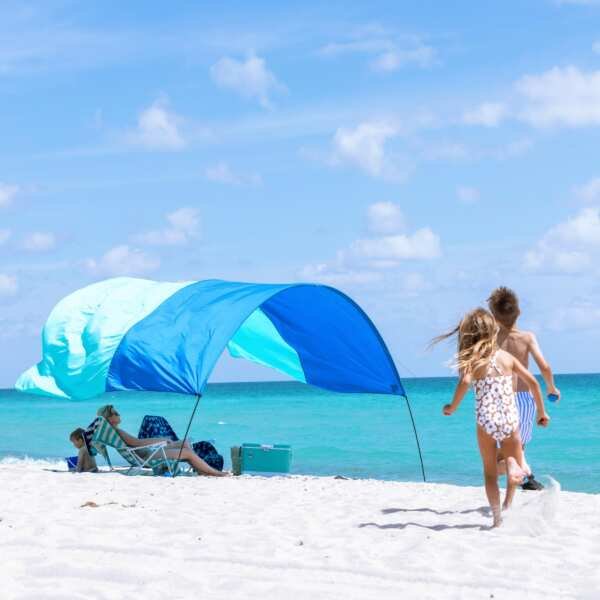
Shibumi Shade 3.0 Version
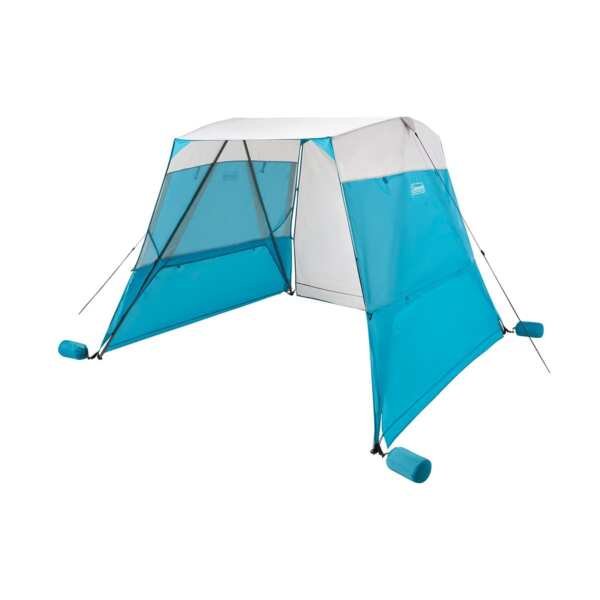
Coleman Backpack Sun Shelter
Ah, the age-old quest for the perfect beach shade! If you’re anything like me, you’ve spent countless hours scrolling through Amazon, trying to decipher which sun shelter will actually keep you cool and comfortable without becoming a kite in the slightest breeze. Today, we’re diving deep into two popular contenders: the innovative Shibumi Shade 3.0 Version and the reliable Coleman Backpack Sun Shelter. Both promise sun protection and ease of use, but they approach the problem in fundamentally different ways.
This comparison is for anyone who’s tired of wrestling with flimsy umbrellas or bulky tents. We’ll break down what makes each of these shelters unique, explore their strengths and weaknesses, and help you figure out which one is the best fit for your beach days, park picnics, or any outdoor adventure. Get ready to make an informed decision and finally achieve shade-seeking bliss!
In-Depth Look: Shibumi Shade 3.0 Version
Let’s start with the Shibumi Shade 3.0 Version. This isn’t your grandma’s beach umbrella. It’s a genuinely innovative design that aims to solve the biggest problem with traditional beach shade: their susceptibility to wind. The Shibumi Shade 3.0 Version is engineered to work with the wind, not against it. Its unique aerodynamic shape catches the breeze and uses it to create stability, a concept that sounds counterintuitive but works remarkably well.
The core feature is its “Original Wind-Powered Stability.” They claim it can stay put with as little as 3 mph of wind. This is a game-changer because most beach tents or umbrellas become a menace in anything more than a gentle breeze. The Shibumi Shade 3.0 Version’s design minimizes “break or blow away” moments, which is music to any beachgoer’s ears. It achieves this with a minimalist design that utilizes only three points of contact with the sand, often via poles that can be directly inserted into the ground or placed in sand buckets, respecting beach regulations.
Beyond its wind-defying prowess, the Shibumi Shade 3.0 Version is impressively lightweight, tipping the scales at just 4 pounds. This makes it incredibly portable, especially when packed into its compact carrying bag. The setup is another standout feature, touted as a 3-minute process for one person. This is a huge relief compared to fumbling with poles and complicated instructions. You get a generous 150 square feet of UPF 50+ sun protection, enough to comfortably shade a group of up to 8 people, along with all your beach essentials.
What truly sets the Shibumi Shade 3.0 Version apart is its consideration for low-wind days. The “Wind Assist Technology” is a clever addition. It involves attaching sandbags to the canopy corners, which helps create a more tent-like structure, ensuring you still get reliable shade even when the breeze is minimal. This makes it a more versatile option than a purely wind-dependent shade.
Furthermore, the brand emphasizes sustainability. The canopy fabric is made from 40% ocean-bound recycled plastic bottles, which is a fantastic initiative. It means you can enjoy your day at the beach knowing you’ve made a more environmentally conscious choice. This commitment to the environment, combined with its innovative design, makes the Shibumi Shade 3.0 Version a compelling option for discerning beach lovers.
Pros of the Shibumi Shade 3.0 Version:
- Exceptional Wind Stability: Designed to be stable even in moderate to strong winds, often outperforming traditional options.
- Ultra-Lightweight: At only 4 pounds, it’s incredibly easy to carry to and from the beach.
- Rapid Setup: Can be set up by one person in approximately 3 minutes, minimizing hassle.
- Ample Shade Coverage: Provides 150 square feet of UPF 50+ protection, suitable for groups.
- Wind Assist Accessory: Ensures shade is available even on low-breeze days.
- Sustainable Materials: Made with recycled ocean-bound plastic bottles.
- Quiet Operation: Generally remains quiet even in the wind, unlike flapping umbrellas.
Cons of the Shibumi Shade 3.0 Version:
- Wind Dependent (primarily): While Wind Assist helps, it functions best with some natural breeze. May not be ideal for completely still conditions or indoor/non-beach use.
- Higher Price Point: Often positioned as a premium product with a corresponding price tag.
- Minimalist Design: Lacks side walls for full enclosure, relying on its angle and wind direction for some side protection.
Shibumi Shade 3.0 Version Customer Reviews:
One reviewer highlighted its value: “I’ve done my homework and looked and scouted all the options out there. This one is well worth the investment. Lightweight and smallest compact size for the biggest shade area. Easy to assemble if solo and with 2 people. It’s durable and the design is conducive for a windy day. Only 3 points of contact. Pole can go directly into sand (when beach rules allow) OR poles can go in a bucket of sand if beach rules prohibit for eco safety of the environment.”
Another echoed its performance in various conditions: “Very much worth it! Day one was a light breezy and the Shibumi did great on the beach. Was easy to put up and only had to adjust for a shift in this wind once. Was super quiet. Day two was WINDY and it provided the perfect shade again. Not super quiet in stronger winds but the ocean waves drowned out the flappy noise. Lots of people commented on it as they walked by, some taking pictures of the label. Much better shade than the old beach umbrella we have always used. It is nice and tall so I can stand up.”
A long-term user vouched for its ease of use: “Have had this for 3 summers now and would absolutely recommend. I was initially hesitant based on the price, but this is lightweight and is BY FAR the easiest shade to set up. Over the years I’ve used umbrellas, party tents, tailgating canopies and none are as easy as this. It relies on wind, so don’t expect to use this somewhere other than the beach, like at a kids soccer game, for example, unless you have constant wind. Haven’t had any issues with it staying up while at the beach, as there’s al”
Best for:
The Shibumi Shade 3.0 Version is ideal for beachgoers who frequently encounter windy conditions and value lightweight portability and quick setup. It’s perfect for families or groups who want substantial shade without the struggle of traditional beach shelters. If you’re looking for an innovative, eco-conscious, and high-performing sun shade, and are willing to invest a bit more, this is a fantastic choice. It’s a great option for those seeking a reliable beach shelter that can handle the elements.
In-Depth Look: Coleman Backpack Sun Shelter
Now, let’s turn our attention to the Coleman Backpack Sun Shelter. Coleman is a name synonymous with outdoor gear, and this sun shelter aims to bring their trusted quality to your sunny outings. Unlike the wind-centric Shibumi Shade 3.0 Version, the Coleman Backpack Sun Shelter relies on a more traditional, yet refined, frame-based structure for its stability.
This shelter is designed for versatility and ease of transport. Its name, “Backpack Sun Shelter,” immediately tells you its primary advantage: portability. It weighs 10.5 lbs, which is heavier than the Shibumi Shade 3.0 Version, but still manageable thanks to the included backpack carry bag. This bag features adjustable straps and even mesh side pockets for water bottles, making it genuinely hands-free to transport to the beach, park, or sidelines of a sporting event.
The setup process is broken down into three simple steps: assemble pre-connected poles, connect the frame, and attach the canopy. This design philosophy is all about getting you shaded quickly without a steep learning curve. Once set up, it offers a 7×7 ft area of protection, providing 49 square feet of UPF 50+ sun protection. While this is significantly less coverage than the Shibumi Shade 3.0 Version, it’s still adequate for 1-3 people or for providing a personal shaded zone.
A key feature of the Coleman Backpack Sun Shelter is its adjustable side and back walls. These can be rolled up and secured with toggles, allowing you to customize the level of shade and wind protection. This adaptability is excellent for changing weather conditions or personal preferences. The shelter also includes interior gear pockets, which are handy for stashing essentials like sunscreen, phones, or keys, keeping them organized and within reach.
The Coleman Backpack Sun Shelter secures to the ground with stakes, guylines, and sandbags, a common and effective method for ensuring stability in a variety of conditions. The absence of a floor is a deliberate choice, allowing you to sit directly on the sand or grass without worrying about it getting dirty or worn out, and it makes moving chairs easier.
While it’s built for portability and ease of use, it’s important to note that its stability relies on being properly staked down. In very high winds, any frame-based shelter can be challenged, though Coleman’s reputation suggests a robust build for its category. The inclusion of side walls offers a more enclosed feeling and better protection from sun glare coming from the sides, which the Shibumi Shade 3.0 Version doesn’t offer.
Pros of the Coleman Backpack Sun Shelter:
- Easy Setup: Designed for a quick and straightforward setup process.
- Excellent Portability: Comes with a comfortable backpack carry bag for hands-free transport.
- Adjustable Walls: Side and back walls provide customizable shade and wind protection.
- Convenient Storage: Features interior gear pockets for small essentials.
- No Floor Design: Allows for direct seating on sand or grass.
- Durable Frame: Uses a lightweight yet durable steel frame.
- Versatile Use: Suitable for beach, park, or sporting events.
Cons of the Coleman Backpack Sun Shelter:
- Less Shade Coverage: Provides significantly less shade area (49 sq ft) compared to the Shibumi Shade 3.0 Version (150 sq ft).
- Heavier: At 10.5 lbs, it’s considerably heavier than the Shibumi Shade 3.0 Version.
- Wind Vulnerability: While it can be secured, it may be less resilient in strong, gusty winds compared to wind-powered designs.
- Requires Staking: Needs to be properly staked and secured for optimal stability.
Coleman Backpack Sun Shelter Customer Reviews:
One satisfied customer praised its practicality: “This is a great little sun and beach shelter. One person can easily assemble it. It is light enough to pick up and move around once it is assembled. And it does not have a floor so you get to sit on the grass or sand and not worry about your beach chairs poking holes through a fabric floor. And it has screens on both sides with covers that can be raised to allow a breeze to flow through if you wish. Also the back can be raised for even more air flow if desired.”
Another reviewer found it highly versatile: “Muy buena compra, bersatil, fácil de armar y de muy buen calidad, 100% recomendable” (Very good purchase, versatile, easy to assemble and of very good quality, 100% recommended).
Comparing it to larger options, a user noted: “I’ve been using a much larger 10’x10′ pop up canopy for years for my RC helicopter hobby needs. I now prefer this much smaller and an compact sun shelter for several reasons. 1. This smaller and more compact sun shelter is much lighter weight and takes up less room in my small Honda CRV than the heavier and bulkier 10’x10′ pop up canopy. 2. This sun shelter works better for me protecting me and my equipment from the sun. Since this sun shelter has side walls, it protects me and my equipment from”
Best for:
The Coleman Backpack Sun Shelter is an excellent choice for individuals or small groups who need a portable, easy-to-set-up shelter for various outdoor activities. It’s perfect for those who value the convenience of a backpack system and the flexibility of adjustable walls. If you often go to parks, have kids’ sporting events, or prefer a more enclosed shaded space rather than just overhead shade, this Coleman shelter offers great value and functionality. It’s a solid, reliable option for everyday outdoor comfort.
Head-to-Head Comparison
When you’re trying to choose between two great products, a direct comparison can really help clarify the differences. Let’s break down the Shibumi Shade 3.0 Version and the Coleman Backpack Sun Shelter feature by feature.
Performance in Wind
This is arguably the biggest differentiator. The Shibumi Shade 3.0 Version is designed from the ground up to be wind-powered, using the breeze for stability. It excels in windy conditions, with many users reporting it staying put when traditional shelters fail. The Coleman Backpack Sun Shelter, while it can be secured with stakes and guylines, is more susceptible to strong winds due to its frame-based construction. If you live in a consistently windy beach area, the Shibumi Shade 3.0 Version has a clear edge here.
Setup Simplicity and Speed
Both products claim to be easy and quick to set up. The Shibumi Shade 3.0 Version emphasizes its 3-minute, one-person setup, which is incredibly fast and often requires minimal effort. The Coleman Backpack Sun Shelter also boasts a simple, 3-step process. In practice, both are designed for ease, but the Shibumi’s wind-powered mechanism might feel even more intuitive once you grasp the concept. The Coleman’s setup involves familiar pole assembly and canopy attachment.
Portability and Weight
Weight is a significant factor, especially if you have a long walk from the car to your perfect spot. The Shibumi Shade 3.0 Version is a clear winner here, weighing in at a mere 4 pounds. The Coleman Backpack Sun Shelter is more than double that at 10.5 pounds, though its backpack design makes it quite manageable. The compact size of the Shibumi Shade 3.0 Version when packed also gives it an advantage in terms of sheer space-saving.
Shade Coverage and Capacity
Here, the Shibumi Shade 3.0 Version offers vastly superior coverage. Its 150 square feet can easily accommodate a larger group of up to 8 people, plus gear. The Coleman Backpack Sun Shelter provides 49 square feet, which is adequate for 1-3 people or a more personal shaded zone. If you need to shade a whole family or a group of friends, the Shibumi Shade 3.0 Version is the undisputed champion.
Features and Versatility
The Coleman Backpack Sun Shelter offers more versatility in terms of enclosure with its adjustable side and back walls. This provides better protection from angled sun and wind from multiple directions, and creates a more defined space. The Shibumi Shade 3.0 Version is primarily an overhead shade, though its height allows for comfortable movement underneath. The Coleman’s interior pockets are also a nice touch for organization. However, the Shibumi’s Wind Assist feature adds versatility for low-wind days.
Durability and Build Quality
Both brands have a reputation for quality. Coleman is known for its robust outdoor equipment, and their shelters are typically built to last. The Shibumi Shade 3.0 Version, being a more novel design, relies on high-quality, lightweight materials and a unique engineering approach. Customer reviews for both suggest good durability, but the Shibumi’s reliance on wind might mean fewer moving parts to break over time, though frame-based shelters can also be very resilient.
Environmental Impact
The Shibumi Shade 3.0 Version has a strong emphasis on sustainability, using recycled materials in its canopy. This is a significant plus for eco-conscious consumers. The Coleman Backpack Sun Shelter doesn’t highlight specific sustainable materials in its primary description, though Coleman generally aims for durable products that last.
Value for Money
This is subjective and depends on priorities. The Shibumi Shade 3.0 Version is typically priced higher, reflecting its innovative design and premium features like its wind-powered stability and extensive coverage. The Coleman Backpack Sun Shelter is generally more budget-friendly, offering a good balance of features and price for a wider audience. If sheer coverage and wind resistance are paramount, the Shibumi might be worth the investment. If you need a reliable, versatile, and more affordable option for smaller groups or less windy conditions, the Coleman is a strong contender. For those looking at various beach shelter options, comparing them is key, and this comparison might offer further insights.
Frequently Asked Questions
Q: Which is better for very windy beaches, Shibumi Shade 3.0 Version or Coleman Backpack Sun Shelter?
A: The Shibumi Shade 3.0 Version is specifically engineered to perform exceptionally well in windy conditions, utilizing wind for stability. It’s generally considered superior for very windy beaches compared to the Coleman Backpack Sun Shelter, which relies on staking and can be more vulnerable to strong gusts.
Q: I have a large family (6 people). Which shelter provides enough shade?
A: The Shibumi Shade 3.0 Version is the better choice for larger groups. It offers 150 square feet of shade, comfortably accommodating up to 8 people plus gear. The Coleman Backpack Sun Shelter provides 49 square feet, which is suitable for 1-3 people.
Q: I need a shelter that’s super lightweight and easy to carry. Which one should I choose?
A: For ultimate portability and minimal weight, the Shibumi Shade 3.0 Version wins hands down. It weighs only 4 pounds, making it incredibly easy to transport. The Coleman Backpack Sun Shelter weighs 10.5 pounds but comes with a convenient backpack carry bag.
Q: Can I use the Shibumi Shade 3.0 Version on a completely still day?
A: The Shibumi Shade 3.0 Version is designed to work with wind but includes a “Wind Assist” accessory. This accessory uses sandbags to help create a more stable, tent-like shape even on low-breeze days, making it functional even without significant wind. For absolutely no wind, it might require careful setup with the assist.
Q: Does the Coleman Backpack Sun Shelter have a floor?
A: No, the Coleman Backpack Sun Shelter does not have a floor. This is a design feature that many users prefer, as it allows you to sit directly on the sand or grass and makes it easy to move chairs in and out. You can read more about different types of beach shelters, including those with and without floors, in guides like this one on beach tents.
Q: Which one is more environmentally friendly?
A: The Shibumi Shade 3.0 Version explicitly states that its canopy is made from 40% ocean-bound recycled plastic bottles, giving it a clear advantage in terms of environmental sustainability.
Q: I want a shelter that can also offer some protection from side sun or wind. Which is better?
A: The Coleman Backpack Sun Shelter offers more versatile protection with its adjustable side and back walls, which can be rolled up or down to block angled sun and wind. The Shibumi Shade 3.0 Version is primarily an overhead shade and does not feature side walls.
Final Verdict: Which One Should You Choose?
Choosing between the Shibumi Shade 3.0 Version and the Coleman Backpack Sun Shelter ultimately comes down to your priorities and typical beach conditions.
If your beach days are often met with challenging winds, you need to shade a larger group, and you value ultra-lightweight portability and innovative design, the Shibumi Shade 3.0 Version is likely your best bet. Its wind-powered stability is a true game-changer, and its expansive coverage makes it ideal for families or groups. While it comes with a higher price tag, its unique functionality and eco-conscious construction make it a worthwhile investment for dedicated beach-goers. It’s a standout option for anyone who’s struggled with conventional beach shade in windy weather. This is a shelter that truly rethinks what’s possible, and you can explore more comparisons like this one against the Gorich Tent to see how it stacks up.
On the other hand, if you’re looking for a more traditional, versatile, and budget-friendly option that’s still incredibly easy to use and transport, the Coleman Backpack Sun Shelter is an excellent choice. Its adjustable walls offer flexibility, the backpack carry bag enhances portability for moderate weights, and it’s well-suited for smaller groups or solo excursions to the beach, park, or sporting events. It’s a reliable workhorse that delivers dependable shade and comfort without unnecessary complexity. For a similar portable shelter, you might check out how it compares to the Large 3.
Ultimately, both products are designed to enhance your outdoor experience. Consider your common beach scenarios: how windy is it usually? How many people do you need to shade? What’s your budget? Answering these questions will point you directly to the shade solution that will make your next outing more comfortable and enjoyable.
