

Properly winterizing your tent is crucial for its longevity and future performance. This guide will walk you through the essential steps to ensure your tent is protected from moisture, pests, and fabric degradation during its off-season storage. By following these simple instructions, you can extend the life of your tent and be ready for your next adventure.
Heading outdoors is an amazing way to connect with nature, and your tent is your trusted home away from home. Whether you’re a seasoned camper or just starting out, ensuring your tent lasts for many adventures to come is important. One of the most crucial aspects of tent care is proper winterization. When the camping season winds down and the cold weather sets in, it’s time to put your tent into hibernation. But simply shoving it into a closet isn’t enough. This guide will teach you exactly how to winterize your tent, ensuring it stays in top condition and is ready for your next trip, no matter the season. We’ll cover everything from thorough cleaning and meticulous drying to smart storage solutions that protect your investment.
Key Takeaways
- Thorough Cleaning is Essential: Always clean your tent after each use, especially before storing it for winter. Remove dirt, debris, and any food particles to prevent mold, mildew, and pest attraction.
- Complete Drying is Non-Negotiable: Ensure your tent is bone dry before packing it away. Even a small amount of moisture can lead to significant damage and unpleasant odors.
- Proper Storage Location Matters: Store your tent in a cool, dry place away from direct sunlight and extreme temperature fluctuations to prevent material degradation.
- Ventilation is Key for Storage: Loosely pack your tent or use a breathable storage bag. Avoid sealing it in plastic, which traps moisture.
- Inspect for Damage Before Storing: Take the opportunity to check for any rips, tears, or issues with zippers and seams. Addressing these before storage can save you headaches later.
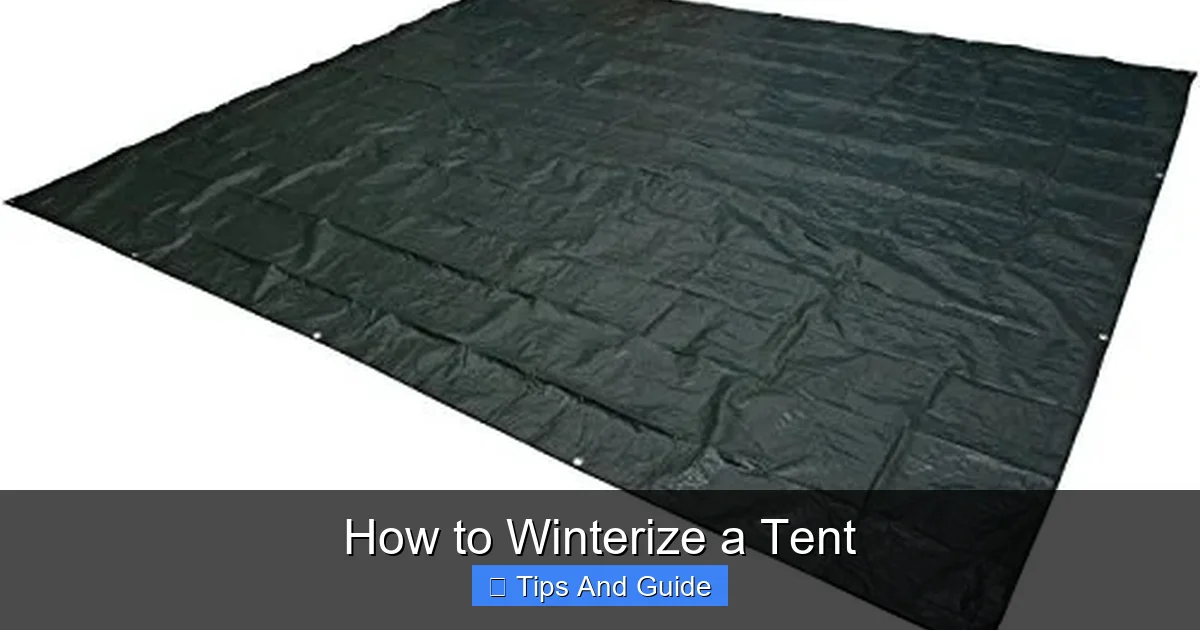
- Consider a Tent Footprint or Ground Tarp: While not strictly winterization, using a footprint can add an extra layer of protection and extend the life of your tent’s floor.
Why Winterize Your Tent?
Winterizing your tent isn’t just about putting it away; it’s about preserving its integrity and performance. Think of it as a spa treatment for your tent before a long rest. Several factors can degrade tent materials over time, especially when left unchecked for months.
- Moisture Damage: This is the biggest enemy. Even a tiny bit of residual moisture can lead to mold and mildew growth. These fungi not only create unsightly stains but can also weaken fabric and produce strong, unpleasant odors that are hard to remove.
- Pest Infestations: Crumbs, dirt, or even just the scent of your previous adventures can attract insects and rodents. These unwelcome guests can chew through fabric, leaving holes and rendering your tent unusable.
- UV Degradation: Sunlight, even indirect, can break down the protective coatings and fabric fibers of your tent over time, making it less waterproof and less durable.
- Fabric Stress: Storing a wet or dirty tent, or cramming it into a tight space, can put undue stress on the materials, leading to premature wear and tear.
By taking the time to winterize your tent, you are actively preventing these issues, ensuring that when spring (or your next spontaneous camping trip) arrives, your tent will be as ready as you are.
Step-by-Step Guide to Winterizing Your Tent
Visual guide about How to Winterize a Tent
Image source: m.media-amazon.com
Let’s get down to the nitty-gritty. Follow these steps to give your tent the best possible off-season care.
Step 1: The Deep Clean

Visual guide about How to Winterize a Tent
Image source: rusticaly.com
This is arguably the most important step. A clean tent is a happy tent. Don’t skimp on this!
1.1. Shake Out Loose Debris
Before you do anything else, take your tent outside and give it a good shake. Open all the doors and windows and turn it upside down. This will dislodge dirt, leaves, grass, and any other loose debris that has accumulated inside.
1.2. Vacuum the Interior
For stubborn dirt or sand that the shaking didn’t remove, use a vacuum cleaner with a brush attachment. Pay special attention to the floor and corners.
1.3. Spot Clean Stains
For any visible stains, use a mild soap and water solution.
- Mix a small amount of gentle, non-detergent soap (like Nikwax Tent & Gear SolarWash or a similar product) with cool or lukewarm water.
- Use a soft sponge or cloth to gently scrub the stained areas. Avoid harsh scrubbing, which can damage the fabric.
- Rinse the area thoroughly with clean water to remove all soap residue. Soap left behind can attract dirt and compromise waterproofing.
1.4. Clean the Poles and Stakes
Wipe down your tent poles and stakes with a damp cloth to remove dirt and mud. Ensure they are completely dry before storing.
1.5. Wash the Rainfly and Footprint (If Applicable)
If your rainfly or footprint is particularly dirty, you can gently wash them following the same spot-cleaning method as the main tent body. For heavily soiled items, consider a specialized tent cleaner. Always check the manufacturer’s care instructions for your specific tent.
Step 2: The Crucial Dry-Out
Visual guide about How to Winterize a Tent
Image source: safariors.com
This step cannot be emphasized enough. Your tent MUST be completely dry before storage.
2.1. Air Dry Thoroughly
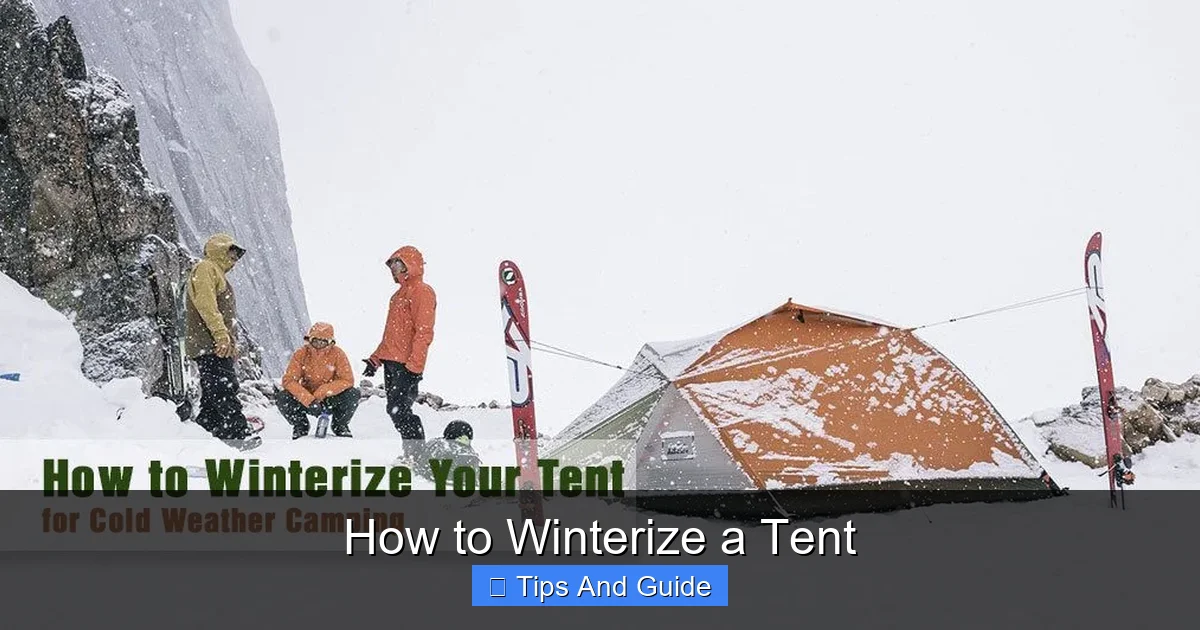
The best way to dry a tent is to set it up outdoors in a well-ventilated area, preferably on a sunny, breezy day.
- Pitch your tent and open all doors and vents to maximize airflow.
- Let it air dry for at least 24 hours, or longer if necessary.
- Check all nooks and crannies, including seams, corners, and the underside of the fly, for any signs of dampness.
2.2. Indoor Drying (If Necessary)
If outdoor drying isn’t possible due to weather, you can dry your tent indoors.
- Set up your tent in a large room with good air circulation. Open windows or use fans to help the process.
- You can also hang pieces of the tent (like the rainfly) over furniture or shower rods to speed up drying.
- Ensure that no part of the tent is touching damp surfaces.
2.3. The “Crinkle Test” for Full Dryness
A good way to test if your tent is truly dry is to crumple a section of the fabric. If it feels cool or you hear a slight “crinkling” sound, it’s likely still a bit damp. Continue drying until it feels completely dry and neutral to the touch.
Step 3: Inspection and Minor Repairs
Before packing your tent away for its long sleep, it’s the perfect time to give it a thorough inspection.
3.1. Check Seams and Stitching
Run your fingers along all the seams. Look for any loose threads or small holes where water could potentially enter. Minor fraying can often be repaired with a seam sealer.
3.2. Inspect Zippers
Test all zippers to ensure they are running smoothly. If a zipper is stiff or snagging, lubricate it with a zipper lubricant or a graphite pencil. If a zipper pull is broken, consider replacing it.
3.3. Examine Pole Sections
Check your tent poles for any cracks, bends, or damage. Damaged poles can lead to structural failure in your tent.
3.4. Look for Fabric Tears or Holes
Inspect the tent fabric, rainfly, and floor for any rips or punctures. Small tears can be mended with fabric repair tape or a patch kit.
Step 4: Packing for Storage
How you pack your tent is as important as cleaning it.
4.1. Loosely Pack Your Tent
Avoid packing your tent tightly into its stuff sack. Compressing the fabric for extended periods can damage its waterproof coatings and affect its shape. Instead, loosely stuff your tent into its original stuff sack or a larger, breathable storage bag.
4.2. Consider a Breathable Storage Bag
Many tents come with a large, mesh storage bag designed for long-term storage. If yours didn’t, or if it’s lost, consider investing in one. This allows for continued air circulation, further preventing moisture buildup.
4.3. Store Poles and Stakes Separately (Optional but Recommended)
Some people prefer to store tent poles and stakes separately from the main tent bag. This prevents sharp ends from potentially puncturing the tent fabric during storage. Place them in their own bag or wrap them carefully.
Step 5: Choosing the Right Storage Location
Where you store your tent can significantly impact its lifespan.
5.1. Cool and Dry is Key
The ideal storage location is a cool, dry environment. Basements, closets, or garages that don’t experience extreme temperature fluctuations are good options.
5.2. Avoid Direct Sunlight and Heat
Never store your tent in direct sunlight or near a heat source (like a furnace or radiator). UV rays and heat can degrade the fabric, coatings, and seams.
5.3. Keep Away from Pests
Ensure the storage area is free from potential pest entry points. If you’re storing it in a garage or basement where pests might be an issue, consider placing the tent bag in a larger container or bin to provide an extra barrier.
5.4. Maintain Airflow
Even in a “dry” location, some residual moisture can accumulate. Ensure there’s some level of airflow around the tent bag. Avoid sealing it in airtight plastic containers.
Troubleshooting Common Winterization Issues
Even with the best intentions, you might run into a few snags. Here’s how to handle them:
What if I discover mold or mildew after storage?
Don’t panic! If you find mold or mildew on your tent, it needs to be cleaned immediately. Use a specialized tent cleaner designed to remove mold and mildew. Follow the product instructions carefully and ensure the tent is thoroughly dried afterward. Prevention is key, so this highlights the importance of meticulous drying before storage.
My tent zipper is stuck and won’t budge. What should I do?
First, try to identify the cause of the snag. Is it caught on fabric, dirt, or is the track damaged?
- For dirt: Use a small brush to clean out any debris from the zipper teeth.
- For stiff zippers: Apply a specialized zipper lubricant or rub the teeth with a graphite pencil. Work the zipper back and forth gently until it moves freely.
- For fabric snags: Carefully try to pull the fabric away from the zipper teeth. A pair of pliers can sometimes help grip the fabric.
If the zipper track is damaged, it might need professional repair or replacement.
My tent smells musty even after drying. What can I do?
A musty smell usually indicates residual moisture or trapped odors.
- Re-dry the tent: Ensure it’s completely dry using the methods described above.
- Airing out: Hang the tent in a well-ventilated area for several days, even outdoors on a breezy day.
- Odor absorbers: You can place activated charcoal bags or baking soda boxes (unopened) inside the tent for a few days to absorb odors.
- Specialized cleaners: If the smell persists, consider a specialized tent odor remover.
Preparing for Next Season
Before your first trip of the new camping season, take a few minutes to unpack your tent and give it a quick once-over.
- Set it up in your yard or a park to check that everything is in good working order.
- Ensure all poles are intact and that the fabric is still waterproof (you can test this by spraying it with a hose – water should bead up and roll off).
- Re-apply waterproofing spray if needed, especially to the rainfly and floor.
This quick pre-season check can save you from unexpected problems on your first adventure. And if you’re looking for new gear to complement your well-maintained tent, consider exploring options like the best camping mattress for a tent for added comfort, or the best camping lights for a tent to brighten up your campsite.
Conclusion
Winterizing your tent is a simple yet vital practice that ensures your gear remains in excellent condition year after year. By dedicating a little time to cleaning, drying, inspecting, and storing your tent properly, you are making a significant investment in its longevity and your future camping experiences. Remember, a well-cared-for tent is a reliable companion on countless adventures. So, take these steps, protect your gear, and look forward to many more nights under the stars!
