
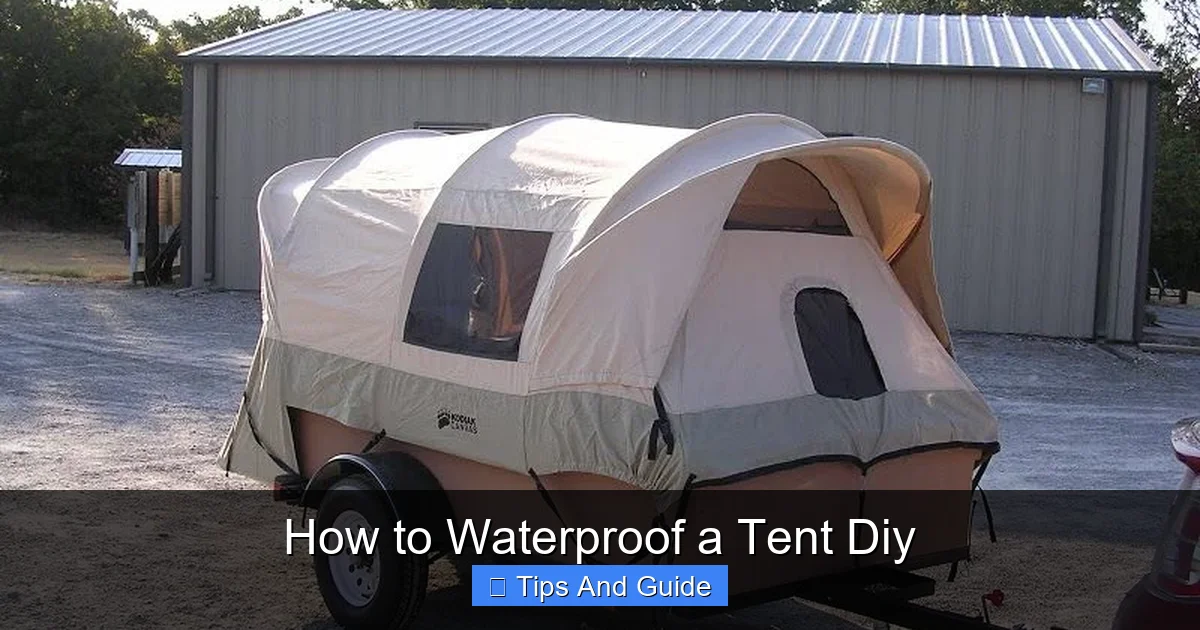
Don’t let a leaky tent ruin your adventure! This guide provides a comprehensive DIY approach to waterproofing your tent, ensuring you stay dry and comfortable in any weather. We’ll walk you through the essential steps, from cleaning and repairing to applying specialized treatments. Mastering these techniques will extend the life of your tent and enhance your outdoor experiences.
## How to Waterproof a Tent DIY
There’s nothing quite like waking up to the sound of rain outside your tent. However, if that rain is also *inside* your tent, your cozy camping experience can quickly turn into a soggy nightmare. Fortunately, you don’t need to buy a brand new tent to ensure you stay dry. With a little effort and the right materials, you can easily waterproof your existing tent yourself. This comprehensive guide will walk you through everything you need to know to become a DIY tent waterproofing pro.
You’ll learn how to assess your tent’s current condition, clean it effectively, seal those pesky leaks at the seams, and apply a fresh coat of waterproofing to the fabric itself. By the end of this guide, you’ll have the confidence and knowledge to tackle any tent waterproofing project, ensuring dry and comfortable adventures for years to come.
## Step 1: Assess Your Tent’s Condition
Before you start any waterproofing project, it’s important to know what you’re dealing with. A quick inspection will reveal where your tent might be failing and what areas need the most attention.
### Inspect the Fabric
Lay your tent out flat in a well-lit area, ideally outdoors. Look for any:
- Tears or holes
- Worn-out areas, especially around stress points like poles or guy-out points
- Stains or mildew patches
- Areas where the fabric feels stiff or no longer repels water (try splashing a little water on it)
### Check the Seams
Seams are often the weakest link when it comes to waterproofing. Run your fingers along all the seams, both inside and outside the tent. Pay close attention to:
- Stitching that looks loose or frayed
- Areas where the seam tape (if your tent has it) is peeling or cracked
- Any visible gaps or holes in the stitching
### Examine the Zippers and Poles
While not directly fabric-related, functional zippers and intact poles are crucial for a waterproof tent. Ensure zippers glide smoothly and are free of debris. Check poles for any cracks or bends. A damaged pole can compromise the tent’s structure, leading to water pooling.
## Step 2: Clean Your Tent Thoroughly
A clean tent is a happy tent, and more importantly, a tent that can be properly waterproofed. Dirt, grime, and mildew can all interfere with the effectiveness of waterproofing treatments.
### Prepare Your Cleaning Area
Find a large, flat area where you can spread out your tent. A clean driveway, a large tarp on the grass, or even a spacious indoor area will work. Ensure you have access to water.
### Gentle Washing
Most tents can be cleaned using a mild soap and water solution.
- For the tent body: Mix a small amount of mild, non-detergent soap (like Nikwax Tent & Gear SolarWash or even a few drops of dish soap) with cool or lukewarm water. Use a soft sponge or cloth to gently scrub the tent fabric. Avoid harsh brushes or abrasive cleaners, as these can damage the fabric’s coating.
- For the floor: The tent floor often collects the most dirt. Scrub it a bit more vigorously, but still with a gentle touch.
- Rinse thoroughly: This is a critical step. Use a hose or a bucket to rinse away all soap residue. Any leftover soap can attract dirt and reduce the tent’s ability to repel water.
### Dealing with Mildew
If you find stubborn mildew spots, you might need a specialized cleaner.
- Option 1: White Vinegar Solution: Mix equal parts white vinegar and water. Apply to the mildew spots with a sponge and let it sit for about 15-20 minutes. Then, scrub gently and rinse thoroughly. Vinegar is a natural disinfectant and helps break down mildew.
- Option 2: Commercial Mildew Remover: Look for products specifically designed for tents or outdoor gear. Always test on an inconspicuous area first.
### Drying Your Tent
This is perhaps the most important part of the cleaning process. Never store a damp tent.
- Air Dry: The best method is to hang your tent or spread it out completely in a well-ventilated area, preferably in the shade. Direct sunlight can be harsh on tent fabrics over time.
- Ensure it’s bone dry: Check all seams, corners, and fabric folds. Even a small amount of residual moisture can lead to mold and mildew. This might take a full day or even two, depending on the weather.
## Step 3: Repair and Seal the Seams
Once your tent is clean and dry, it’s time to tackle those vulnerable seams.
### Reinforce Worn Areas
If you noticed any areas with thinning fabric or small tears around seams, you might want to reinforce them before sealing.
- Patching: For small holes or tears, use a fabric repair patch kit designed for tents. Follow the kit’s instructions, ensuring the patch is applied smoothly and adheres well.
### Seam Sealing
This is where you’ll prevent water from seeping through the stitches.
- Using Seam Sealer Liquid: Many outdoor gear brands offer liquid seam sealers. These are typically applied with a small brush applicator.
- Ensure the seam is clean and dry.
- Apply a thin, even coat of seam sealer along the entire length of the seam. Don’t glob it on; a little goes a long way.
- Allow it to dry completely according to the product’s instructions. You may need to apply a second coat for extra protection, especially on heavily stressed seams.
- Using Seam Sealing Tape: Some tents come with pre-applied seam tape. If yours is peeling off, you can purchase seam sealing tape.
- Carefully remove any old, loose tape.
- Cut the new tape to the required length.
- Apply the tape firmly over the seam, using a dry cloth or a roller to ensure good adhesion and smooth out any air bubbles.
- Some tapes require ironing on a low setting to activate the adhesive. Always check the tape manufacturer’s instructions.
Be patient during this process. Rushing seam sealing can lead to ineffective coverage and future leaks.
## Step 4: Re-Waterproof the Fabric
Even with sealed seams, the tent fabric itself might need a boost in its water repellency. This is where DWR (Durable Water Repellent) treatments come in.
### Choosing Your DWR Product
There are two main types of DWR treatments for tents:
- Spray-on DWR: These are easy to apply and good for refreshing existing water repellency. Brands like Nikwax, Granger’s, and REI Co-op offer these.
- Wash-in DWR: These are added to your washing machine along with your tent. They can provide a more thorough and even coating.
Read the product labels carefully to ensure they are compatible with your tent’s fabric type (e.g., nylon, polyester).
### Applying Spray-on DWR
This is the most common DIY method.
- Set up or lay out your tent: You can either hang the tent or lay it out flat. Ensure good ventilation.
- Apply the DWR spray: Hold the can or bottle about 6-8 inches away from the fabric and spray evenly. Work in small sections to ensure complete coverage. Don’t saturate the fabric; a light, even coat is best.
- Pay attention to the flysheet and floor: These are the primary areas that need to repel rain.
- Allow to air dry: Let the tent dry completely. Some DWR treatments recommend air drying in a warm place or even a gentle tumble dry on a low heat setting to activate the repellent properties. Always follow the product instructions.
### Applying Wash-in DWR
If you opt for a wash-in treatment:
- Follow product instructions precisely: These usually involve adding the product to your washing machine along with your tent and running a specific wash cycle.
- Rinse thoroughly: Ensure all detergent and DWR product is rinsed out.
- Air dry: As with spray-on treatments, proper air drying is essential.
If you have a larger tent, you might need to treat it in sections or use a larger capacity washing machine.
## Step 5: Dry and Store Properly
You’ve put in the work, now it’s time to ensure your efforts last.
### Final Drying
Once all treatments are applied, let your tent dry completely in a well-ventilated area. This might take 24-48 hours. Make sure every part of the tent is dry, especially seams and corners, before packing it away.
### Proper Storage
- Loosely packed: Never store your tent compressed in its stuff sack for extended periods. This can damage the fabric and coatings. Fold or loosely roll it and store it in a breathable sack or an old pillowcase.
- Cool, dry place: Store your tent in a cool, dry location away from direct sunlight and extreme temperatures. An attic or shed can be too hot, while a damp basement can encourage mold.
## Troubleshooting Common Issues
Even with the best DIY efforts, you might encounter a few snags.
### Water Still Seeping Through Seams
* Problem: You’ve sealed the seams, but water is still getting through.
* Solution: The seam sealer might not have been applied evenly or thoroughly. Clean the seam again and apply another, perhaps thicker, coat of seam sealer. Ensure you’re using a product designed for your tent’s material.
### Fabric Absorbing Water Instead of Beading
* Problem: The DWR treatment isn’t working; water soaks into the fabric.
* Solution: The DWR may have worn off or wasn’t applied correctly. Try applying another coat of DWR spray. Ensure the fabric was clean and completely dry before application. Sometimes, repeated washing with a wash-in DWR can be more effective than sprays for very old fabric.
### Mildew Returns
* Problem: Mildew spots keep reappearing.
* Solution: Ensure your tent is *completely* dry before storage. If mildew is persistent, you may need to use a stronger mildew remover or consider if the storage location is too damp. For severe cases, it might be time to consider a new tent.
### Sticky Fabric After Treatment
* Problem: The fabric feels sticky or tacky after applying a sealant or DWR.
* Solution: This can happen if too much product was applied or if it didn’t fully cure. Try gently wiping the area with a clean cloth. If that doesn’t work, you might have to wash the tent again and reapply the treatment more sparingly.
## Conclusion
Waterproofing your tent yourself is a rewarding and practical skill that can save you money and significantly improve your camping comfort. By following these steps – from thorough cleaning and meticulous seam sealing to applying a quality DWR treatment and storing your tent correctly – you can ensure your shelter remains a dry haven on all your outdoor adventures. Don’t let a little rain dampen your spirits; with this DIY guide, you’re well-equipped to keep your tent in top waterproof condition. Happy camping!
Key Takeaways
- Thorough Cleaning is Crucial: Before applying any waterproofing treatment, a deep clean removes dirt, grime, and mildew that can prevent sealants from adhering properly.
- Seam Sealing Prevents Leaks: Tent seams are common entry points for water; sealing them with specialized tape or liquid sealant is a vital step in DIY tent waterproofing.
- Fabric Treatment is Key: Applying a DWR (Durable Water Repellent) spray or wash to the tent fabric causes water to bead up and roll off, keeping the interior dry.
- Proper Drying is Essential: Always allow your tent to dry completely before storing it to prevent mildew and maintain its waterproof integrity.
- Regular Maintenance Extends Lifespan: Consistent inspection and reapplication of waterproofing treatments will keep your tent in top condition for many adventures.
