
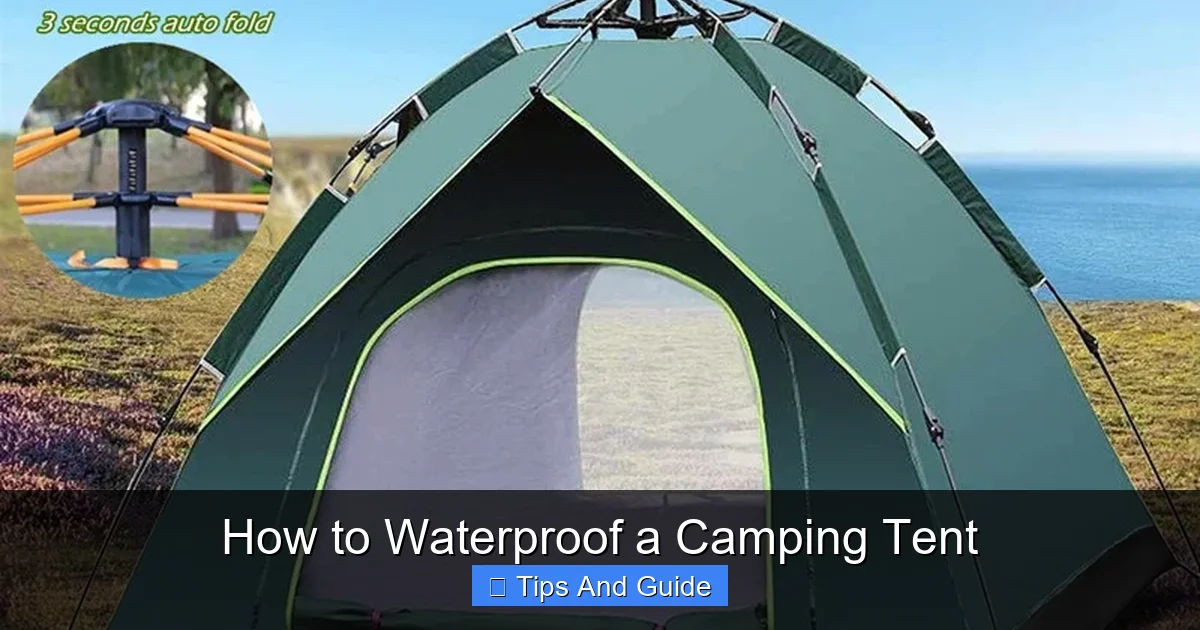
Don’t let a leaky tent ruin your outdoor adventure! This guide provides a comprehensive walkthrough on how to waterproof your camping tent, ensuring you stay dry and comfortable. We’ll cover everything from choosing the right waterproofing products to applying them effectively, plus tips for maintenance and troubleshooting. With a properly waterproofed tent, you can enjoy your camping trips in any weather.
Heading outdoors for a camping trip is an amazing experience, filled with fresh air, starry nights, and the thrill of adventure. But what happens when the skies decide to open up? A soggy sleeping bag and damp gear can quickly turn a dream trip into a damp nightmare. That’s where waterproofing your camping tent comes in!
In this comprehensive guide, we’ll walk you through everything you need to know to ensure your tent is a dry and cozy haven, no matter what the weather throws at you. You’ll learn how to identify potential leaks, choose the best waterproofing products, apply them correctly, and maintain your tent’s water resistance for many adventures to come. Get ready to embrace the elements with confidence!
Key Takeaways
- Understand Your Tent’s Needs: Different tent materials (nylon, polyester, canvas) require specific waterproofing methods and products.
- Cleanliness is Crucial: A thorough cleaning of your tent before waterproofing ensures better adhesion of the treatment.
- Choose the Right Product: Select a waterproofing spray or sealant specifically designed for your tent’s fabric type.
- Proper Application is Key: Apply waterproofing agents evenly and in a well-ventilated area, allowing adequate drying time.
- Focus on Seams: Pay extra attention to stitching and seams, as these are common points of leakage.
- Regular Maintenance: Reapply waterproofing treatments periodically and clean your tent regularly to maintain its water resistance.
- Troubleshoot Leaks: Identify common causes of leaks and learn simple fixes to ensure your tent remains a dry sanctuary.
Why Waterproof Your Camping Tent?
Camping is all about enjoying nature, and that often means being exposed to the elements. While many modern tents are designed with water-resistant materials, their effectiveness can diminish over time due to wear and tear, UV exposure, and improper care. Waterproofing acts as a protective barrier, repelling water and preventing it from seeping through the fabric. This is crucial for:
- Comfort: Staying dry is essential for a comfortable camping experience. No one enjoys sleeping in a damp tent.
- Health: Prolonged exposure to dampness can lead to chills and even hypothermia in colder conditions.
- Gear Protection: Your sleeping bags, clothing, and electronics can be damaged by moisture.
- Tent Longevity: Waterproofing helps protect the fabric from UV rays and mildew, extending the life of your tent.
Assessing Your Tent’s Waterproofing Needs
Before you grab any old spray, it’s important to understand your tent’s current condition and material.
Inspect for Damage
The first step is a thorough visual inspection. Look for:
- Fading Fabric: This often indicates UV damage, which can weaken the material and its water repellency.
- Cracked or Peeling Coatings: Many tents have a polyurethane (PU) or silicone coating. If this is deteriorating, it’s a sign your tent needs attention.
- Worn Seams: Check all stitched seams for any signs of fraying or separation. This is where leaks often start.
- Mold or Mildew: These can compromise fabric integrity and cause unpleasant odors.
Identify Your Tent Material
The material of your tent will dictate the best waterproofing approach:
- Nylon and Polyester: These synthetic fabrics are common in most modern tents. They are lightweight and durable. Look for sprays or treatments designed for synthetic outdoor fabrics.
- Canvas: Older or specialized tents might be made of canvas. Canvas tents often require different types of waterproofing, usually waxes or specialized canvas treatments. This guide primarily focuses on synthetic fabrics, but be aware if you have a canvas tent, you’ll need a different product.
Gathering Your Waterproofing Supplies
Once you know what you’re working with, it’s time to gather your supplies.
Choose the Right Waterproofing Product
There are several types of waterproofing products available. For synthetic tents, the most common are:
- Waterproof Sprays: These are easy to apply and are great for maintaining existing water repellency or treating moderate wear. Brands like Nikwax, Gear Aid, and Scotchgard offer excellent options. Look for sprays specifically labeled for tents, backpacks, or outdoor gear.
- DWR (Durable Water Repellent) Restorers: These products not only add a waterproof layer but also help to restore the tent’s original DWR finish, which is responsible for making water bead up and roll off.
- Seam Sealers: For treating specific seams and stitching, a seam sealer is essential. These are usually more viscous and designed to penetrate the stitching.
Essential Tools
In addition to your waterproofing agent, you’ll need:
- Mild Soap and Water: For cleaning your tent.
- Soft Brushes or Sponges: For gentle scrubbing.
- Clean Cloths or Towels: For drying.
- Well-Ventilated Area: An outdoor space or a large, open room with good airflow is crucial when working with chemical treatments.
- Drop Cloth or Tarp: To protect the ground from overspray.
- Mask and Gloves (Optional but Recommended): For protection from fumes and chemicals.
Step-by-Step Guide to Waterproofing Your Tent
Now, let’s get down to business. Follow these steps for effective tent waterproofing.
Step 1: Clean Your Tent Thoroughly
This is perhaps the most critical step. A clean tent ensures the waterproofing treatment adheres properly to the fabric.
H3: Prepare Your Workspace
- Find a clean, flat, and well-ventilated area. outdoors is ideal.
- Lay down a tarp or drop cloth to protect the ground and catch any excess product.
- Ensure your tent is completely dry before cleaning.
H3: Gentle Cleaning
- Pitch your tent: Set up your tent so you can access all surfaces easily.
- Brush off debris: Use a soft brush to remove any loose dirt, leaves, or cobwebs.
- Wash with mild soap: Mix a small amount of mild, biodegradable soap (like Nikwax Tech Wash or a gentle dish soap) with cool or lukewarm water.
- Scrub gently: Use a soft sponge or cloth to gently scrub the tent fabric. Avoid harsh scrubbing, which can damage the fabric or its existing coating.
- Rinse thoroughly: Use a hose with a gentle spray setting or buckets of clean water to rinse away all soap residue. Any remaining soap can prevent the waterproofing from bonding.
H3: Dry Your Tent Completely
- Allow your tent to air dry completely. Pitching it helps with airflow.
- Ensure all seams and pockets are also dry. This can take 24-48 hours, depending on humidity and temperature. Never attempt to waterproof a damp tent.
Step 2: Apply the Waterproofing Treatment
With your tent clean and bone dry, it’s time to apply the waterproofing.
H3: Read the Product Instructions
- Every waterproofing product is slightly different. Always read and follow the manufacturer’s instructions carefully.
H3: Preparing for Application
- If using a spray, ensure the nozzle is working correctly and you have an even spray pattern.
- If your tent has a separate flysheet, waterproof it first.
H3: Even Application of Spray/Treatment
- Work in sections: Apply the waterproofing spray to one panel or section of the tent at a time.
- Spray from a consistent distance: Hold the can or bottle about 6-8 inches away from the fabric.
- Apply evenly: Aim for a light, even coat. You want to saturate the fabric without creating puddles or heavy runs. A light mist is often better than a heavy drenching.
- Cover all surfaces: Ensure you cover the entire exterior of the tent body and the flysheet. Don’t forget the floor, though many tent floors have a thicker, built-in coating.
- Don’t forget the flysheet: The flysheet is your primary defense against rain, so it needs careful attention.
Step 3: Treat the Seams
Seams are the Achilles’ heel of any tent’s waterproofing.
H3: Identify Seams
- Locate all stitched seams on your tent, especially on the flysheet and where panels join.
H3: Apply Seam Sealer
- Use a dedicated seam sealer: These products are designed to penetrate the stitching and create a waterproof barrier.
- Apply sparingly: Apply a thin, even bead of seam sealer along the inside and outside of the seams.
- Work it in: Use a small brush or your fingertip (wear gloves!) to gently work the sealer into the stitching.
- Wipe excess: Immediately wipe away any excess sealer that pools on the fabric surface with a clean cloth.
- Allow to cure: Let the seam sealer cure completely according to the product instructions.
Step 4: Allow to Dry and Cure
This is a crucial step that many people rush.
- Air dry completely: Leave your tent pitched in a well-ventilated area to dry. This can take 24-48 hours, sometimes longer.
- Check for tackiness: The tent should not feel sticky or wet to the touch.
- Cure time: Some products require a curing period, during which the waterproofing fully bonds with the fabric. Follow the manufacturer’s recommendations for this.
Step 5: Test Your Work
Before your next trip, it’s wise to test your waterproofing.
- Pitch your tent and use a hose to lightly spray the exterior with water.
- Observe how the water beads up and rolls off.
- Check the inside for any signs of dampness, especially around seams.
Maintaining Your Tent’s Waterproofing
Waterproofing isn’t a one-time fix. Regular maintenance will keep your tent in top condition.
- Regular Cleaning: After each trip, clean your tent to remove dirt and grime. This helps maintain the fabric’s breathability and the effectiveness of its DWR coating.
- Reapply Waterproofing: Most waterproofing treatments will wear off after a season or two, depending on usage and exposure. Reapply a waterproofing spray or DWR restorer every 6-12 months, or when you notice water no longer beads up on the fabric.
- Proper Storage: Always store your tent dry and loosely packed in a breathable bag. Avoid storing it in a stuff sack for long periods, as this can trap moisture and lead to mildew. Keep it away from direct sunlight and extreme temperatures.
- Avoid Harsh Chemicals: Never use bleach, strong detergents, or fabric softeners on your tent, as they can strip away the waterproofing.
Troubleshooting Common Tent Leaks
Even with the best waterproofing efforts, minor leaks can sometimes occur.
Problem: Water Pooling on the Tent Fly
Cause: Damaged DWR or surface contamination.
Solution: Reapply a DWR treatment or waterproofing spray. Ensure the fabric is clean before applying.
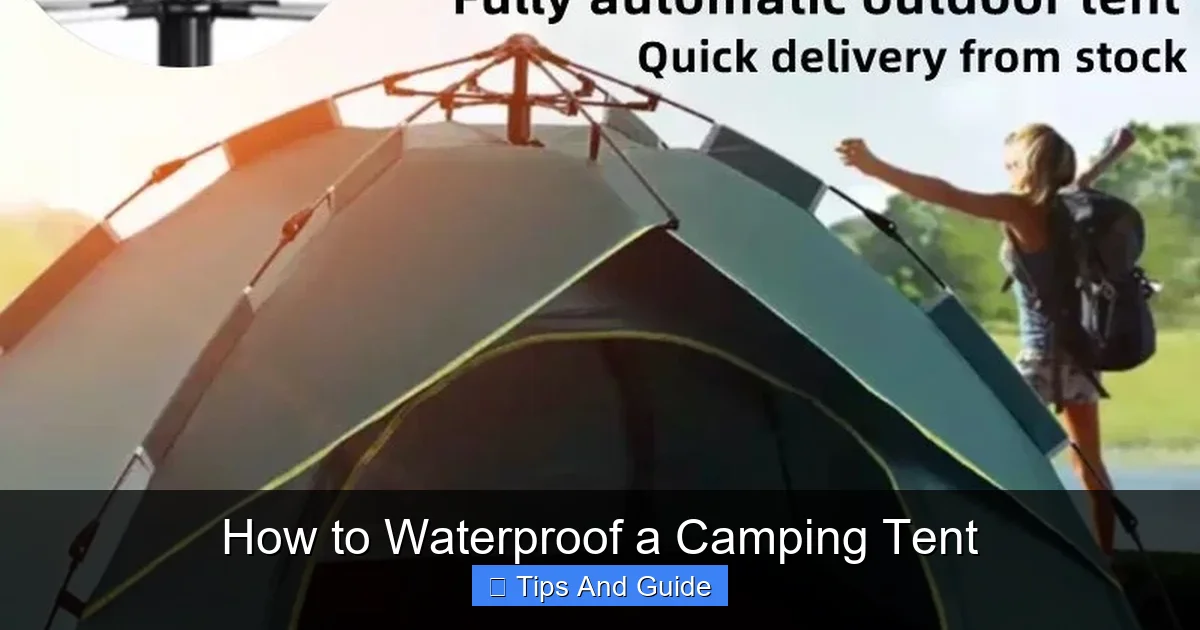
Visual guide about How to Waterproof a Camping Tent
Image source: down-ph.img.susercontent.com
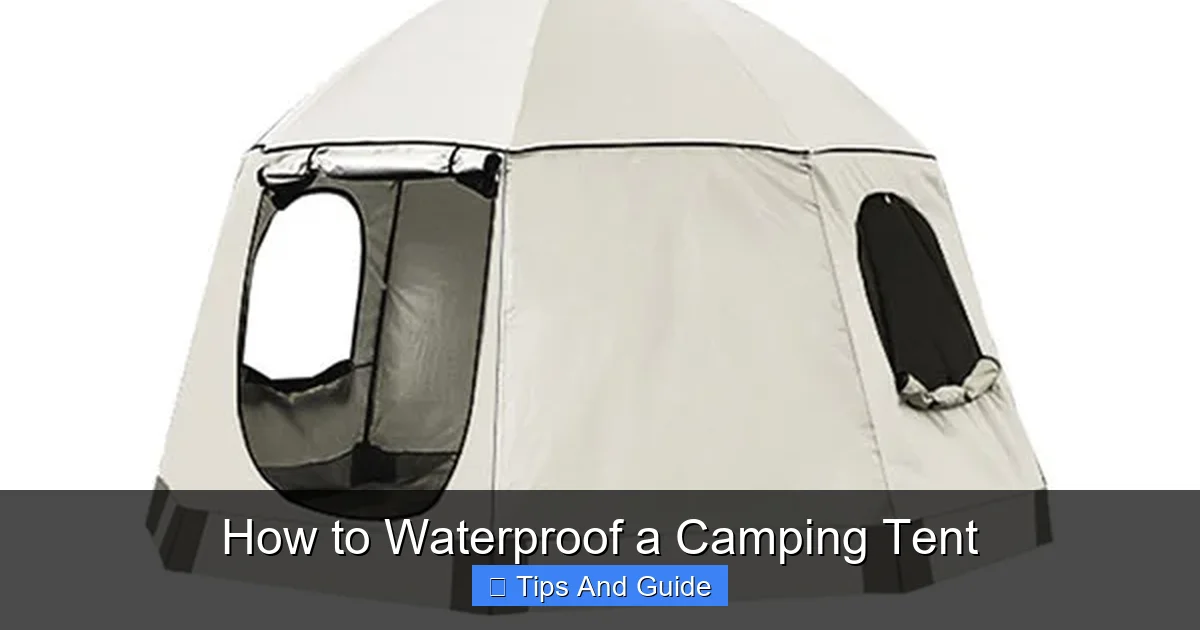
Visual guide about How to Waterproof a Camping Tent
Image source: kaisioutdoor.com
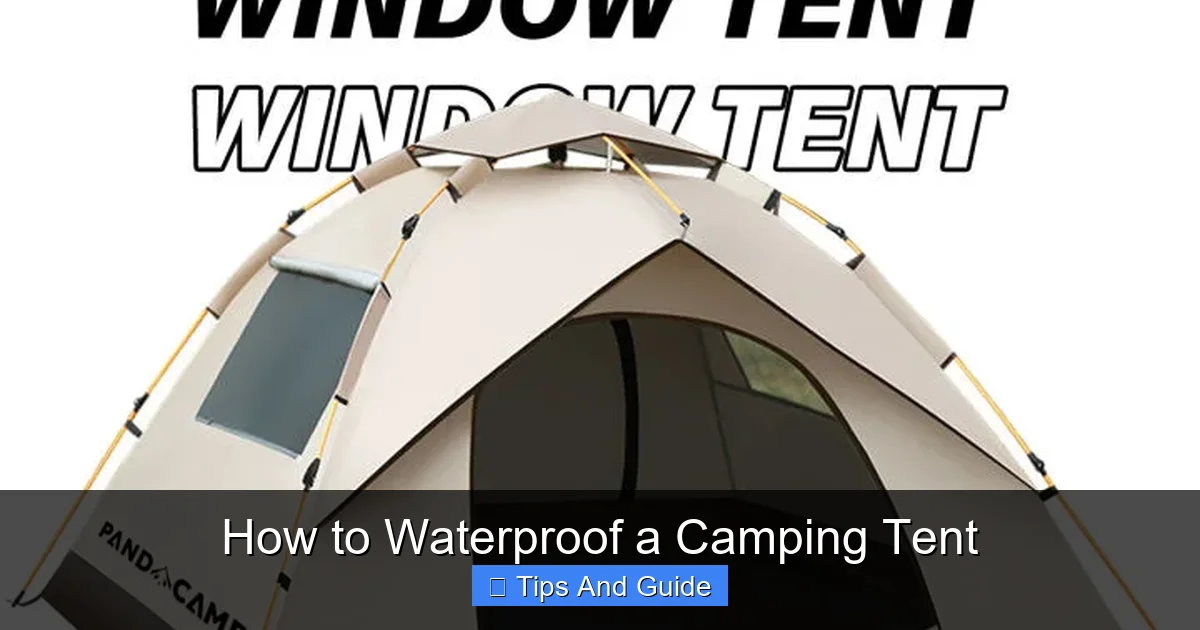
Visual guide about How to Waterproof a Camping Tent
Image source: img.lazcdn.com
Problem: Water Seeping Through Seams
Cause: Worn or inadequately sealed seams.
Solution: Apply a fresh coat of seam sealer. Make sure to get it into the stitching.
Problem: Condensation Inside the Tent
Cause: Poor ventilation, temperature fluctuations, or body moisture.
Solution: This isn’t a waterproofing issue but a ventilation one. Ensure you open vents to allow airflow. Avoid touching the tent walls, as this can transfer moisture. Consider if your tent is properly sized for the number of occupants – a 2-person tent might be too small for two people and their gear in humid conditions.
Problem: Water Entering Through the Floor
Cause: Wear and tear, or heavy ground moisture.
Solution: While floors are usually made of more robust material, they can still leak. Inspect for damage and reapply a specific floor waterproofing treatment if necessary. Always use a ground tarp or footprint for an extra layer of protection. A good camping mat for tent can also provide insulation and a barrier.
Conclusion
Keeping your camping tent waterproof is essential for comfortable and enjoyable outdoor adventures. By understanding your tent’s materials, cleaning it thoroughly, applying the right waterproofing products, and performing regular maintenance, you can ensure your tent remains a dry sanctuary against the elements. Don’t let a little rain dampen your spirits – with these tips, you’re well-equipped to waterproof your tent and embrace every camping trip with confidence, rain or shine. Happy camping!
