
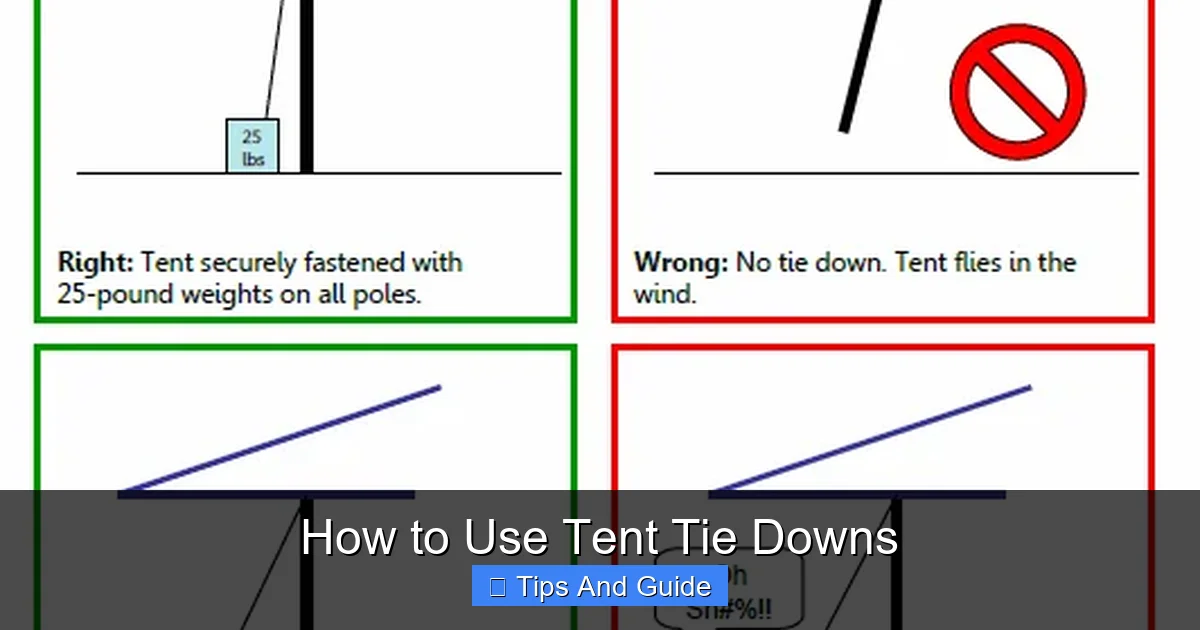
Learn how to effectively use tent tie-downs to secure your shelter against the elements. This comprehensive guide covers selecting the right tie-down equipment, proper installation techniques for various conditions, and troubleshooting common issues. Proper tent tie-downs are crucial for a safe and comfortable camping experience, especially in windy or rainy weather.
How to Use Tent Tie Downs
Welcome to your ultimate guide on mastering tent tie-downs! Setting up a tent is only half the battle; securing it properly against wind, rain, and other elements is what truly ensures a safe and comfortable camping trip. Many campers overlook the importance of effective tie-downs, only to find their shelter flapping violently or even collapsing in adverse weather. This guide will equip you with the knowledge and practical skills to use tent tie-downs like a pro, from understanding the basics to advanced techniques for extreme conditions. You’ll learn how to choose the right gear, set it up correctly, and handle common problems.
Key Takeaways
- Choosing the Right Tie-Downs: Select durable guylines and stakes appropriate for your tent and anticipated weather conditions. Consider materials like nylon for guylines and metal or heavy-duty plastic for stakes.
- Proper Pegging Technique: Angle stakes at 45 degrees away from the tent for maximum holding power. Ensure they are driven fully into the ground, leaving enough exposed to attach guylines.
- Effective Guyline Setup: Use adjustable tensioners to keep guylines taut, preventing them from flapping or loosening. Spread guylines out from the tent to create a wider anchor base.
- Adapting to Wind: In windy conditions, utilize all available guyline points and consider using additional anchor points like trees or heavy objects for extra security.
- Dealing with Rain: Ensure guylines are set up to channel water away from the tent and that tension is maintained even as the ground becomes saturated.
- Troubleshooting Loose Tentage: Regularly check and re-tighten guylines, especially after significant weather changes or prolonged exposure to the elements.
Understanding the Importance of Tent Tie-Downs
Tent tie-downs, often referred to as guylines and stakes, are essential components of your camping setup. They provide structural integrity, preventing your tent from being blown away or damaged by strong winds. They also help maintain the tent’s shape, ensuring proper water runoff and ventilation. Without them, even a sturdy tent is vulnerable to the whims of the weather. Think of them as the anchors that keep your temporary home firmly planted.
Choosing the Right Tent Tie-Down Gear
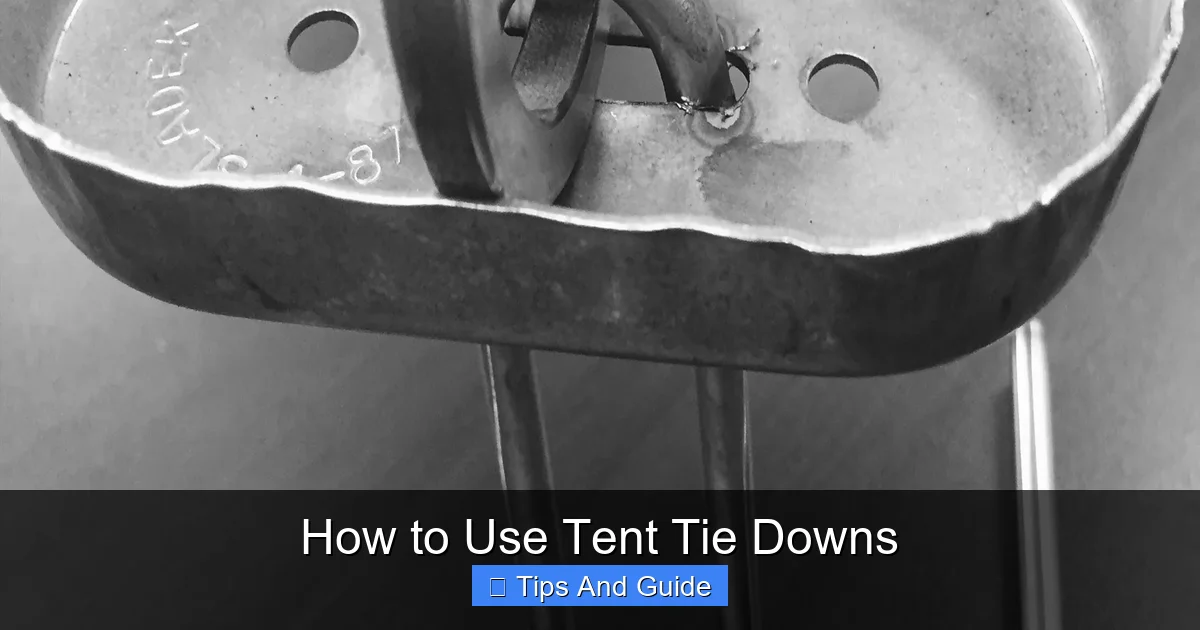
Visual guide about How to Use Tent Tie Downs
Image source: anchormfg.com
The effectiveness of your tie-downs depends heavily on the quality and suitability of the equipment you use.
Guylines
Guylines are the ropes or cords that extend from your tent to anchor points.
- Material: Most guylines are made from nylon or polyester. Nylon is strong and has some stretch, which can be helpful in absorbing wind shock. Polyester is less stretchy but more resistant to UV damage.
- Reflectivity: Look for guylines with reflective strands. This significantly improves visibility at night, preventing trips and making it easier to locate your tent in low light.
- Thickness: Thicker guylines are generally stronger but can be heavier. Choose a thickness appropriate for your tent size and the potential for strong winds. A common thickness is around 2-3mm.
- Length: Ensure your guylines are long enough to reach from the tent loops to your desired anchor points, with some extra slack for adjustments.
Stakes (Pegs)
Stakes are driven into the ground to secure the guylines and the tent itself. The type of ground you’ll be camping on will dictate the best stake choice.
- Standard Tent Stakes: These are usually J-shaped or hook-shaped and are made of metal or plastic. They are suitable for most general camping situations with firm soil.
- Screw-in Stakes: These are ideal for sandy or loose soil, as they provide a wider surface area and better grip.
- Sand Stakes: Long and wide, these are specifically designed for soft sand, offering maximum holding power in beach camping scenarios.
- Rock Stakes: For rocky ground where driving traditional stakes is impossible, rock stakes are designed to be hammered into cracks or used with rocks as anchors.
- Snow Stakes: Wide and long, these are used in snow to provide a stable anchor.
- Material: Aluminum and steel are common for metal stakes, offering durability. High-strength plastic can also be effective for lighter loads.
Preparing Your Tent Site
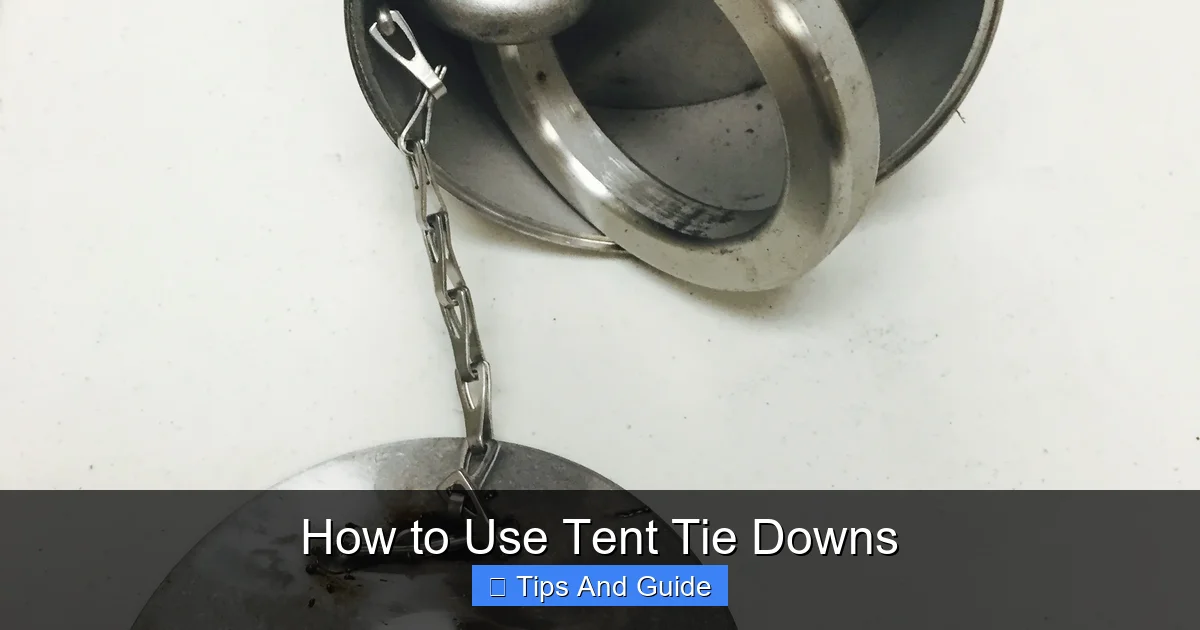
Visual guide about How to Use Tent Tie Downs
Image source: anchormfg.com
Before you even think about setting up tie-downs, preparing your tent site is crucial.
- Clear Debris: Remove any sharp rocks, sticks, or roots from the area where your tent will sit and where stakes will be driven.
- Choose a Flat Spot: A level surface ensures your tent doesn’t sag or pool water.
- Consider Drainage: Avoid setting up in a low-lying area that could flood if it rains.
- Wind Direction: Observe the prevailing wind direction. Position your tent so the smallest or most aerodynamic side faces the wind. This reduces the surface area exposed to direct wind force.
Step-by-Step Guide to Setting Up Tent Tie-Downs
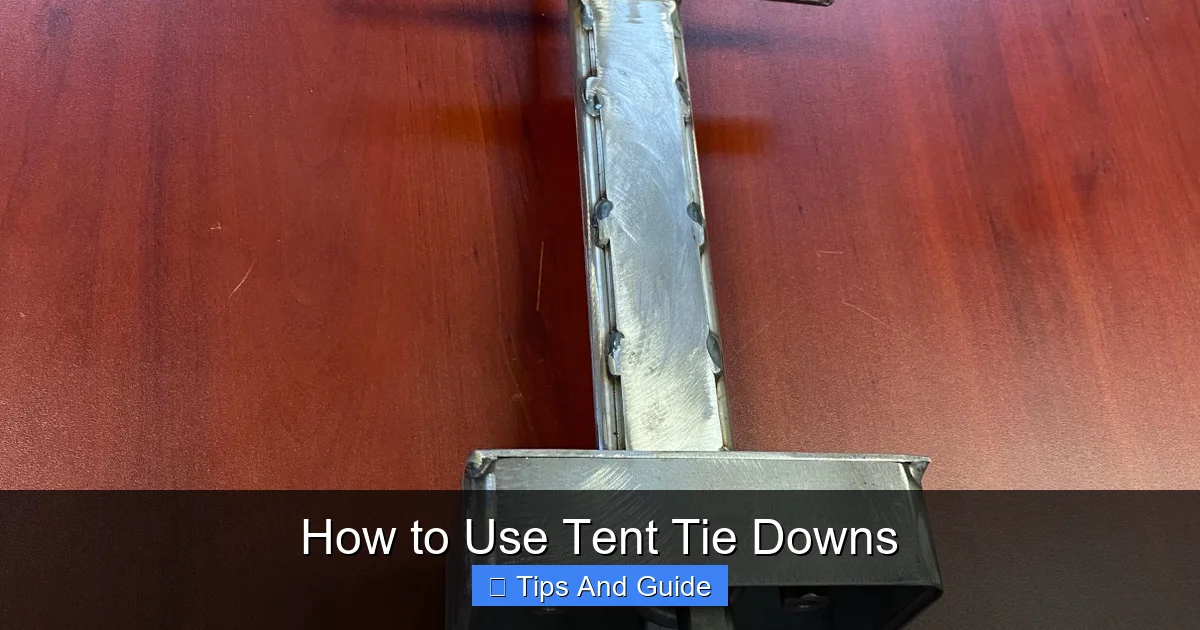
Visual guide about How to Use Tent Tie Downs
Image source: anchormfg.com
Proper installation is key to maximizing the effectiveness of your tent tie-downs.
Step 1: Pitch the Tent
Begin by pitching your tent according to its manufacturer’s instructions. This usually involves setting up the poles and attaching the rainfly.
Step 2: Identify Guyline Points
Locate all the guyline loops on your tent and rainfly. These are typically reinforced loops or tabs. Most tents have points along the seams of the rainfly.
Step 3: Stake Out the Tent Corners
Even before attaching guylines, stake out the main corners of your tent. This provides a stable base.
- H3: Proper Pegging Technique
- Drive stakes into the ground at roughly a 45-degree angle, pointing away from the tent. This angle provides the most resistance against pulling forces.
- Ensure the stakes are driven in fully, leaving only enough of the top exposed to attach your guylines or the tent’s guy loops.
- If the ground is soft or sandy, you might need to use wider or longer stakes, or even bury rocks or logs to create secure anchor points.
Step 4: Attach Guylines to the Tent
Clip or tie your guylines to the designated guyline points on the tent or rainfly. Most guylines come with carabiner clips or loops designed for easy attachment.
Step 5: Extend and Anchor Guylines
Now, extend the guylines outwards from the tent. The goal is to create tension and support.
- H3: Strategic Placement of Guylines
- For maximum stability, extend guylines so they form a roughly 45-degree angle from the tent seam.
- Spread the guylines out as widely as possible from the tent. This creates a larger footprint of support.
- If your tent has multiple guyline points on a single seam, use them all. This distributes the stress more effectively.
- If you’re in a windy location, consider using additional guyline points that might not be directly in line with the tent seams. These can offer extra support from different angles.
Step 6: Secure Guylines with Stakes
Stake down the ends of your extended guylines.
- H3: Anchoring Guylines Effectively
- Again, angle the stakes at 45 degrees away from the tent for optimal holding power.
- Ensure the stakes are firmly in the ground. If a stake feels loose, try a different location or a more appropriate stake type for the ground conditions.
- In very soft ground, you can create a “deadman anchor” by tying the guyline to a sturdy object like a rock, a thick stick, or a small bag filled with rocks, and then burying it.
Step 7: Adjust Tension
Once all guylines are staked, it’s time to adjust the tension. Most guylines have built-in tensioners (often a small plastic cleat or a sliding knot).
- H3: Achieving Optimal Tension
- Tighten each guyline until it is taut but not overly strained. The tent should look firm and well-supported, but you shouldn’t be visibly distorting its shape.
- The goal is to have tight guylines that hum slightly in the wind, rather than flapping loosely.
- Check the tension periodically, especially after the first few hours of setup or if the weather changes. Ground conditions can shift, and materials can stretch or contract.
Advanced Tie-Down Techniques for Challenging Conditions
Sometimes, standard setup isn’t enough. Here’s how to handle tougher situations.
Dealing with Strong Winds
Wind is the most common adversary for tent tie-downs.
- Use Every Attachment Point: Ensure every guyline loop on your tent and rainfly is used.
- Add Extra Guylines: If your tent has fewer guyline points than you’d like, consider adding extra guylines by tying them to structural points on the tent poles or seams.
- Secure to Natural Anchors: Whenever possible, use trees, sturdy bushes, or large rocks as anchor points for your guylines. Wrap the guyline around the base of a tree and secure it with a taut-line hitch or a bowline knot.
- Ground Anchors: For very loose soil or sand, consider using “sand anchors” or burying large rocks or logs. You can also use sturdy tent bags filled with rocks or sand as weights.
- Minimize Wind Exposure: If you have a larger tent or one with significant vertical surfaces, consider setting it up partially in a natural windbreak, like behind a large rock or dense vegetation, if the terrain allows.
- Consider a Different Tent: For exceptionally windy areas, a more robust tent designed for high winds, like a geodesic dome tent, might be a better choice.
Handling Rain and Wet Ground
Rain can make ground conditions unstable, affecting the holding power of your stakes.
- Deeper Stakes: Drive stakes deeper into the ground to compensate for the softened soil.
- Wider Stakes: Use stakes with a larger surface area, like those designed for sand or snow, which will provide better grip in mud.
- Extra Anchors: Use natural anchors like trees or rocks if available.
- Guyline Tension: Maintain adequate tension. While you don’t want to deform the tent, loose guylines will channel water directly into the tent’s seams.
- Water Channels: Strategically position guylines so they help channel water away from the tent’s base and potential entry points.
Setting Up on Hard or Rocky Ground
When stakes can’t be driven into the ground, you need alternative solutions.
- Rock Anchors: Find large, stable rocks and tie your guylines around them.
- Using Tent Peg Mallets: Invest in a good mallet for driving stakes into harder ground.
- Specialty Stakes: Consider rock stakes designed to fit into crevices.
- Weight Bags: Use heavy-duty fabric bags filled with rocks or sand and tie your guylines to these.
- Car Weights: If you’re car camping, you can use your car as an anchor point for some guylines, ensuring the guyline is attached to a sturdy part of the chassis or a designated tie-down point.
Troubleshooting Common Tie-Down Issues
Even with the best intentions, problems can arise. Here’s how to fix them.
Issue: Tent is flapping or loose
- Solution: Re-check all guyline tensions. Are they taut enough? Are any stakes pulling out? Re-stake if necessary, or use a more robust anchoring method. Ensure guylines are not tangled with each other, which can reduce their effectiveness.
Issue: Stakes are pulling out of the ground
- Solution: The ground is likely too soft or sandy. Try driving stakes at a steeper angle, using longer or wider stakes, or employing techniques like burying rocks or using deadman anchors.
Issue: Guylines are sagging
- Solution: The tensioners might have slipped, or the ground has softened. Re-tighten the tensioners. If the problem persists, the stakes may need to be driven deeper or repositioned.
Issue: Tent poles are bending or straining
- Solution: This usually indicates that the guylines are not adequately tensioned or are not positioned correctly. Ensure guylines are pulling away from the tent at optimal angles and are taut. The tent might be pitched in a way that creates uneven stress.
Maintaining Your Tie-Down Gear
To ensure your tie-down gear lasts and performs well, proper maintenance is important.
- Clean After Use: Remove dirt and debris from stakes and guylines before storing them.
- Inspect for Damage: Check guylines for fraying or cuts, and stakes for bends or cracks. Replace any damaged gear immediately.
- Dry Thoroughly: Ensure guylines are completely dry before storing them to prevent mildew.
- Store Properly: Keep stakes and guylines organized in a dedicated bag to prevent them from getting lost or tangled.
Conclusion
Mastering tent tie-downs is a vital skill for any camper. By understanding your gear, employing proper setup techniques, and knowing how to adapt to different conditions, you can significantly enhance the safety, stability, and overall comfort of your camping experience. Don’t underestimate the power of well-placed and taut guylines. They are your tent’s best defense against the elements, ensuring your shelter remains secure so you can relax and enjoy the great outdoors, whether you’re sleeping on a comfortable camping mattress or a simple camping mat. Remember to practice these techniques, and you’ll be well-prepared for any adventure.
