
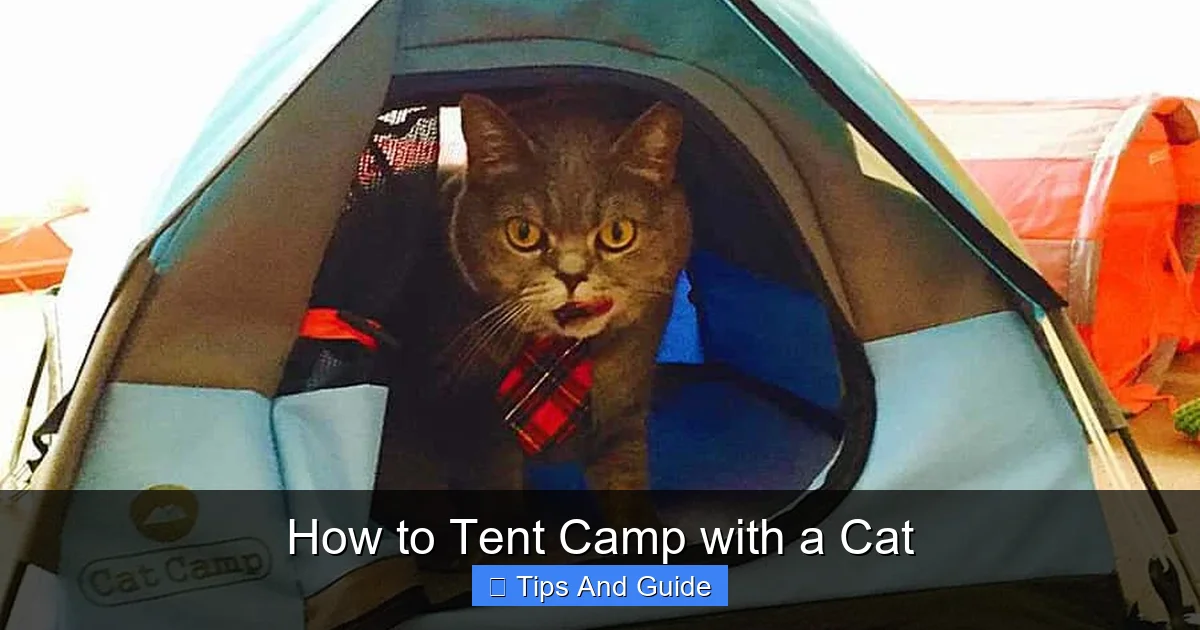
Taking your feline friend camping can be a rewarding experience with proper planning. This guide provides essential tips for successful tent camping with a cat, from introducing them to a harness and leash to ensuring their safety and comfort in the great outdoors. With the right preparation, you can enjoy a purr-fectly adventurous trip with your beloved cat.
Key Takeaways
- Start with a “trial run” at home: Before heading to the campsite, acclimate your cat to their carrier, harness, and leash indoors.
- Choose the right tent and campsite: Opt for a spacious tent and a quiet, safe campsite away from potential hazards.
- Prioritize safety and comfort: Ensure your cat is microchipped and has a visible ID tag, and provide familiar items and a comfortable sleeping space.
- Pack essential cat supplies: Bring food, water, a litter box, toys, and a first-aid kit specifically for your cat.
- Supervise constantly: Never leave your cat unattended outdoors and always keep them on a leash when exploring.
- Respect your cat’s boundaries: Don’t force them into uncomfortable situations and be prepared to cut the trip short if they show significant distress.
How to Tent Camp with a Cat
Camping is a wonderful way to connect with nature, de-stress, and create lasting memories. For many, their furry companions are an integral part of the family, and the idea of leaving them behind can be difficult. If you’re a cat owner who dreams of sharing the great outdoors with your feline friend, you’re in luck! Tent camping with a cat is absolutely possible, and with the right preparation, it can be a truly rewarding adventure for both of you.
This comprehensive guide will walk you through everything you need to know to make your first camping trip with your cat a resounding success. We’ll cover crucial preparation steps, essential gear, safety precautions, and practical tips to ensure your cat is comfortable, happy, and safe throughout your outdoor escapade.
Preparing Your Cat for the Great Outdoors
The most important step in tent camping with a cat is ensuring they are well-prepared. Cats are creatures of habit and can be sensitive to new environments. Gradual introduction and positive reinforcement are key.
Acclimate Your Cat to a Carrier and Harness
Before you even think about pitching a tent in the wilderness, your cat needs to be comfortable with the equipment they’ll be using.
- Carrier Training: Start by leaving your cat’s carrier out in your home with the door open. Place treats or their favorite toys inside to create positive associations. Feed them near the carrier. Once they are comfortable entering and exiting on their own, begin closing the door for short periods while you are present. Gradually increase the duration.
- Harness and Leash Training: Invest in a comfortable, secure cat harness and leash. Put the harness on your cat for short intervals around the house. Praise them and offer treats while they wear it. If they seem bothered, distract them with play. Once they tolerate the harness, attach the leash and let them drag it around the house under supervision. Then, practice gentle walking indoors.
Introduce the Tent
Your tent will be your cat’s temporary home. Let them explore it while it’s set up in your living room or backyard.
- Place familiar bedding, toys, and treats inside the tent.
- Let your cat explore at their own pace. Don’t force them into the tent.
- Spend time with them inside the tent, offering praise and positive reinforcement. This helps them associate the tent with safety and comfort.
Practice Short Outings
Once your cat is comfortable with the carrier, harness, and tent indoors, begin with short outdoor excursions in a controlled environment, like your backyard.
- Start with just a few minutes outside while on the leash.
- Observe your cat’s behavior. If they seem stressed or fearful, end the session and try again another day.
- Gradually increase the duration of these outings as your cat becomes more relaxed.
Choosing the Right Gear for Cat Camping
The right gear is essential for a comfortable and safe camping experience for both you and your cat.
The Tent: Your Cat’s Sanctuary
When selecting a tent, consider size and ventilation. A larger tent provides more space for your cat to move around and have their own designated area. Look for a tent with good mesh windows for ventilation and visibility, allowing your cat to observe their surroundings safely. For inspiration on great tents, you might find our articles on the best camp tents helpful.
- Space: A three- or four-person tent can be comfortable for one or two people and a cat.
- Ventilation: Ample mesh windows and vents are crucial for airflow, especially in warmer weather.
- Durability: Choose a sturdy tent that can withstand the elements and potential playful pounces.
Sleeping Arrangements
Comfort is key for your cat’s well-being.
- Familiar Bedding: Bring your cat’s favorite bed or blankets from home. This provides a sense of security.
- Portable Cat Bed: Consider a small, portable cat bed that fits inside the tent.
- Camping Cot (for you!): While your cat might not need their own cot, a comfortable sleeping setup for you can make the whole experience more enjoyable. You might want to check out options for the best camping cot with a tent.
Litter Box Solutions
A portable, enclosed litter box is a must-have. Some are designed to be collapsible for easy transport.
- Travel Litter Box: Look for a leak-proof and enclosed travel litter box.
- Litter Choice: Stick with the litter your cat uses at home to avoid digestive upset. Bring plenty of extra litter.
- Disposal: Have a plan for disposing of used litter. Seal it in plastic bags and take it home for proper disposal.
Food and Water Bowls
Bring your cat’s regular food and water. Stainless steel or collapsible silicone bowls are ideal for camping.
- Portability: Collapsible bowls are great for saving space.
- Stability: Ensure the bowls are stable and won’t easily tip over.
Leash and Harness
A secure harness and a lightweight leash are essential for supervised outdoor exploration.
- Secure Fit: Ensure the harness fits snugly but comfortably, with no escape potential.
- Leash Length: A 6-foot leash is generally a good length for controlled exploration.
Toys and Entertainment
To keep your cat stimulated and prevent boredom, pack their favorite toys.
- Interactive Toys: Feather wands or laser pointers can provide great indoor fun.
- Puzzle Feeders: These can help keep your cat engaged and mentally stimulated.
Cat First-Aid Kit
Be prepared for minor injuries.
- Bandages, antiseptic wipes, tweezers, and any medications your cat regularly takes.
- Consult your veterinarian for specific recommendations for a feline first-aid kit.
Identification
Ensure your cat has proper identification.
- Microchip: Make sure your cat is microchipped and that your contact information is up-to-date.
- ID Tag: A collar with an ID tag that includes your name and phone number is crucial.
Setting Up Camp with Your Cat
Once you arrive at the campsite, setting up camp with your cat requires a thoughtful approach.
Choosing a Campsite
The location of your campsite can significantly impact your cat’s experience.
- Quiet Location: Opt for a campsite away from busy roads, noisy groups, or areas with lots of wildlife.
- Safe Environment: Ensure there are no immediate dangers like steep drop-offs, toxic plants, or busy animal trails.
- Proximity to Water: While not directly for your cat, having access to water for yourself is always a plus.
Setting Up the Tent
First, set up your tent in a relatively sheltered spot.
- Familiarize your cat: Once the tent is up, let your cat explore it before bringing in all your gear.
- Designated Area: Set up your cat’s bed, litter box, and food/water bowls in a designated corner of the tent. This creates a sense of personal space for them.
- Secure the Tent: Ensure all zippers are fully closed and there are no gaps where your cat could escape or unwanted critters could enter.
Managing the Litter Box
Proper litter box management is vital for hygiene and to prevent odors from attracting wildlife.
- Placement: Place the litter box in a corner of the tent where it’s easily accessible for your cat but out of the main walking path.
- Scooping: Scoop the litter box regularly, ideally after each use or at least twice a day.
- Fresh Air: If possible and safe, you can place the litter box just outside the tent entrance for a short period during the day to air it out, but always supervise.
During Your Camping Trip: Keeping Your Cat Safe and Happy
The real adventure begins once your camp is set up. Here’s how to manage your cat while camping.
Supervised Exploration
Always supervise your cat when they are outside the tent.
- Leash and Harness: Keep your cat on a leash and harness at all times when exploring outside the tent. This prevents them from running off, getting lost, or encountering dangers.
- Leash Training Reinforcement: Practice leash walking in new environments. Let your cat set the pace and explore scents.
- Awareness of Surroundings: Be mindful of other campers, dogs, and wildlife. Keep your cat close and calm.
Managing Mealtimes
Stick to your cat’s regular feeding schedule as much as possible.
- Food Storage: Store cat food in airtight containers to keep it fresh and prevent it from attracting pests.
- Hydration: Ensure fresh water is always available. Consider bringing a portable water dispenser.
Handling Potty Breaks
Beyond the litter box, you may need to manage outdoor potty breaks.
- Designated Spot: If your cat is trained to go outdoors, designate a specific spot away from your tent for them to relieve themselves.
- Clean Up: Always pick up after your cat, just as you would at home.
Inside the Tent: Creating a Cozy Haven
The tent should be your cat’s safe space.
- Quiet Time: Allow your cat plenty of time to rest and adjust. Don’t overstimulate them.
- Familiar Scents: Having their favorite bedding and toys will make the tent feel more like home.
- Warmth: If camping in cooler weather, consider using a battery-powered pet heating pad or ensuring they have extra blankets. For colder trips, a good camp tent heater might be necessary, but always prioritize your cat’s safety and use them under strict supervision.
Monitoring Your Cat’s Well-being
Pay close attention to your cat’s behavior for any signs of stress or discomfort.
- Signs of Stress: Excessive meowing, hiding, loss of appetite, lethargy, or changes in litter box habits can indicate stress.
- Body Language: Learn to read your cat’s body language. Flattened ears, a puffed tail, or growling are clear signs of distress.
- Respect Boundaries: If your cat is showing significant signs of distress, it might be best to cut the trip short and head home. Their comfort and safety are paramount.
Troubleshooting Common Cat Camping Challenges
Even with the best preparation, you might encounter a few bumps in the road.
Cat Escapes the Harness or Leash
This is a serious concern. Ensure the harness fits perfectly and is designed for cats. If your cat is an escape artist, consider a more secure, specifically designed cat harness. Always have a backup leash and consider a lightweight tether for extra security in very open areas.
Your Cat Seems Overly Stressed or Frightened
If your cat is showing persistent signs of distress, don’t push them. Try to create a calm environment by minimizing noise and activity around the tent. Offer their favorite treats and toys. If the stress doesn’t subside, it’s best to go home. Camping isn’t for every cat, and that’s okay. For some cats, the excitement of a new environment might be too much; a quiet staycation at home could be a better option.
Attracting Pests or Wildlife
Proper food storage is your first line of defense. Keep all food, including cat food, sealed in airtight containers and stored in your vehicle or a bear-resistant canister if necessary. Regularly scoop the litter box and seal waste in bags. Avoid leaving food scraps around the campsite.
Unpredictable Weather
Camping means dealing with the elements. If the weather turns bad, keep your cat inside the tent. Ensure good ventilation to prevent condensation buildup. If it’s very cold, use extra bedding and consider appropriate pet-safe heating options. If it’s very hot, focus on shade and water.
Conclusion: A Purr-fectly Rewarding Experience
Tent camping with a cat might require extra planning and patience, but the rewards of sharing the beauty of the outdoors with your beloved feline companion can be immense. By prioritizing preparation, choosing the right gear, and being attentive to your cat’s needs and comfort, you can create a safe and enjoyable camping experience. Remember, the goal is to have fun and bond with your cat in a new and exciting way. With careful consideration and a gentle approach, you can embark on many wonderful outdoor adventures together. Happy camping!
