
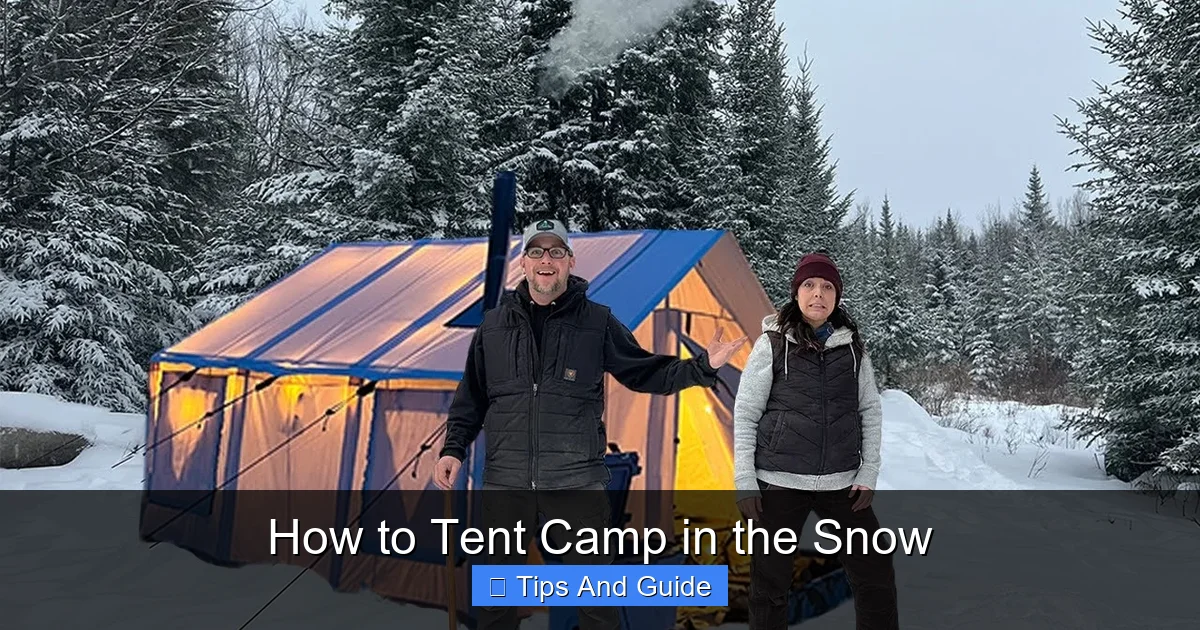
Tent camping in the snow might seem daunting, but with the right preparation, it can be an incredibly rewarding experience. This guide covers everything you need to know, from selecting the perfect tent to managing condensation and staying safe. Learn how to choose the right gear and master essential techniques to ensure a comfortable and memorable winter camping trip.
## How to Tent Camp in the Snow
Tent camping in the snow offers a unique and beautiful way to experience the outdoors. Imagine waking up to a silent, snow-covered landscape, with the only sounds being the gentle whisper of the wind and your own quiet breath. While it might sound challenging, with the right knowledge and preparation, snow camping can be an exhilarating adventure. This comprehensive guide will walk you through everything you need to know to confidently pitch your tent and stay cozy when the temperatures drop below freezing.
We’ll cover essential gear selection, how to find the perfect campsite in the snow, crucial setup techniques, how to stay warm and dry, and important safety considerations. Get ready to embrace the winter wonderland!
## Understanding the Challenges and Rewards
Before diving into the “how-to,” it’s important to understand why snow camping is different and why it’s worth the effort. The primary challenges are staying warm and dry, dealing with the weight of snow, and the increased risk of hypothermia and frostbite. However, the rewards are immense: unparalleled solitude, stunning winter scenery, and the satisfaction of mastering a challenging outdoor skill. You’ll often have trails and campsites all to yourself, and the quiet beauty of a snowy landscape is truly unmatched.
## Essential Gear for Snow Camping
Your gear is your lifeline in the snow. Investing in the right equipment will make a significant difference in your comfort and safety.
### The Right Tent: A 4-Season Champion
When it comes to snow camping, your tent is your shelter, your sanctuary. You’ll need a tent specifically designed for winter conditions, commonly known as a 4-season tent.
#### Key Features of a 4-Season Tent:
* Robust Construction: These tents have stronger poles and a more rigid frame to withstand heavy snow loads and strong winds.
* Full Coverage Rainfly: A rainfly that extends all the way to the ground is crucial for trapping warmth inside and preventing snow from blowing in. Some also have “skirt” extensions that you can bury in the snow.
* Excellent Ventilation: While it seems counterintuitive, good ventilation is vital to manage condensation. Look for tents with multiple, strategically placed vents.
* Strong Fabrics: Expect durable fabrics that can handle abrasion from snow and ice.
* Snow Stakes: Standard tent stakes won’t work in snow. You’ll need specialized snow stakes or improvise with large rocks, logs, or even buried stuff sacks filled with snow.
While pop-up tents are convenient for milder weather, they are generally not suitable for snow camping. For harsh winter conditions, a sturdy, purpose-built 4-season tent is your best bet. You can explore options for 4-season tents in guides about the best pop-up tent for winter if you’re looking for lighter options that might still offer some resilience, but always prioritize a true 4-season design for serious snow camping.
### Sleeping System: Your Warmth Fortress
A good night’s sleep is paramount, and in the snow, your sleeping system is key to survival.
#### Sleeping Bag:
* Temperature Rating: Choose a sleeping bag with a temperature rating significantly lower than the coldest temperatures you expect. A bag rated for 0°F (-18°C) or even -20°F (-29°C) is often recommended for winter camping. Remember that ratings are often for survival, so aim for comfort.
* Down vs. Synthetic: Down bags are lighter and more compressible but lose their insulating power when wet. Synthetic bags retain some insulation even when damp and are usually more affordable. For snow camping, down treated for water resistance or a high-quality synthetic bag are both good options.
#### Sleeping Pad(s):
* Insulation is Key: Your sleeping pad is as important as your sleeping bag for preventing heat loss to the cold ground. Look for pads with a high R-value (a measure of thermal resistance), ideally R-value 5 or higher.
* Use Two Pads: Many experienced snow campers use two sleeping pads: a closed-cell foam pad underneath (which cannot deflate) and an inflatable insulated pad on top for extra cushioning and warmth. This combination provides superior insulation from the snow. Consider the best camping mat for tent options, focusing on those with high R-values.
### Clothing: The Layering System
Dressing in layers is the golden rule for staying comfortable in cold weather. Avoid cotton, as it absorbs moisture and loses its insulating properties when wet.
* Base Layer: This is your next-to-skin layer. It should be made of moisture-wicking material like merino wool or synthetic fabrics. It pulls sweat away from your body to keep you dry.
* Mid Layer: This layer provides insulation. Fleece jackets, down vests, or synthetic insulated jackets work well. You might need more than one mid-layer depending on the temperature.
* Outer Layer: This is your waterproof and windproof shell. It protects you from wind, rain, and snow, keeping your insulating layers dry. Look for breathable fabrics like Gore-Tex.
* Extremities: Don’t forget warm, waterproof gloves or mittens, a warm hat that covers your ears, and insulated, waterproof boots. Consider bringing extra socks!
### Other Essential Gear:
* Backpack: A large, durable backpack to carry all your gear.
* Stove and Fuel: A liquid-fuel stove often performs better in cold temperatures than canister stoves. Bring extra fuel.
* Cookware and Utensils: Insulated mugs are great for keeping drinks warm.
* Water Bottles: Insulated bottles or carrying bottles inside your jacket to prevent freezing. A wide-mouth bottle can be easier to fill with snow.
* Headlamp and Extra Batteries: Nights are long in winter.
* First-Aid Kit: Tailored for cold weather issues like frostbite and hypothermia.
* Shovel: Essential for digging out your tent site, building snow walls, and emergency shelter.
* Trekking Poles: With snow baskets, they provide stability on slippery terrain.
* Sun Protection: Sunglasses and sunscreen are vital, as snow reflects sunlight intensely, increasing the risk of sunburn and snow blindness.
* Repair Kit: Duct tape, cordage, and tent pole splints.
## Choosing and Preparing Your Campsite
Finding the right spot is crucial for safety and comfort in a snowy environment.
### Site Selection: Safety First
* Avoid Avalanche Zones: This is non-negotiable. Always check avalanche forecasts and terrain before you go. Never camp on or below steep, snow-loaded slopes.
* Seek Shelter: Look for natural windbreaks like dense trees or hillsides that offer protection from the wind.
* Consider Snow Depth: You want a spot that is relatively flat and deep enough for snow stakes, but not so deep that you’re wading through waist-high snow to get to your tent.
* Sun Exposure: A spot that gets some morning sun can help melt frost and provide warmth. However, avoid areas that will be in direct sun all day if you want to keep snow around your tent for insulation.
* Water Source: If you’re near a stream or lake, ensure it’s not frozen solid or choose a location where you can melt snow.
### Preparing the Campsite: The Snow Platform
Once you’ve found your ideal spot, it’s time to prepare it for your tent.
#### Setting Up the Platform:
1. Clear the Area: Remove any branches or rocks from your intended tent footprint.
2. Pack Down the Snow: This is a critical step. Stomp and pack down the snow in the area where your tent will go until it’s firm and level. You can use your skis, snowshoes, or just your feet. A firm base prevents your tent from sinking.
3. Level the Ground: Aim for a flat surface. If there’s a slight slope, orient your tent so your head is uphill.
4. Consider a Snow Wall: If wind is a concern, consider digging out a trench and piling the snow up on the windward side of your tent to create a snow wall. This can significantly block wind and add insulation.
## Pitching Your Tent in the Snow
Pitching a tent in the cold and snow requires different techniques than you might be used to.
### Using Snow Stakes
Standard tent stakes are useless in deep snow. You need specialized snow stakes or to get creative.
#### Snow Stake Techniques:
* Buried Stakes: Drive your snow stakes deep into the packed snow, or use a technique where you tie your guy lines to a buried object.
* The “Deadman” Anchor: Take a stuff sack, a trekking pole, or a large rock and bury it horizontally in the snow. Tie your guy line to this buried object. The snow will compact around it, creating a secure anchor.
* Snow Pickets: These are specialized metal or plastic stakes designed for snow.
* Improvised Anchors: Use rocks, logs, or even your skis or snowshoes as anchors by burying them.
### Pitching Steps:
1. Lay Out the Tent: Spread the tent body and rainfly out on your prepared snow platform.
2. Assemble Poles: Assemble your tent poles.
3. Insert Poles: Insert the poles into the tent sleeves or attach them to the clips.
4. Secure First Stake: Stake down one corner of the tent.
5. Secure Opposite Corner: Move to the diagonally opposite corner and pull the tent taut before staking it down. This helps to properly tension the tent.
6. Stake Remaining Corners: Continue staking down the rest of the tent corners.
7. Attach Rainfly: Drape the rainfly over the tent body and secure it to the tent poles and corners.
8. Tension Guy Lines: Attach and tension all the guy lines. This is crucial for wind resistance and for helping the tent shed snow. Make sure the rainfly is taut.
## Staying Warm and Dry Inside Your Tent
Once your tent is up, the focus shifts to maintaining a comfortable microclimate inside.
### Ventilation is Your Friend
It might seem counterintuitive, but good ventilation is crucial for snow camping. Your body produces moisture, and without ventilation, this moisture will condense on the inside walls of your tent and freeze, creating frost.
#### Managing Condensation:
* Open Vents: Keep your tent’s vents open as much as possible, especially overnight. If snow is blowing in, you may need to partially close them, but aim for some airflow.
* Avoid Breathing Directly on Walls: Try to avoid breathing directly onto the tent walls.
* Wipe Down: If you notice frost or condensation building up, use a small cloth or sponge to wipe it down and dry the tent.
### Keeping Warm While Sleeping
* Pre-warm Your Sleeping Bag: Before you get in, put a warm water bottle or a chemical hand warmer inside your sleeping bag. You can even wear a dry base layer to bed.
* Eat and Drink: Have a calorie-rich snack before bed. Your body burns calories to stay warm, so a full stomach helps. Drink plenty of fluids, but avoid excessive liquids right before bed to minimize nighttime bathroom trips.
* Ventilate Briefly: If you wake up feeling too warm and sweaty, briefly open your tent vents to air it out.
### Keeping Gear Dry
* Store Gear Smartly: Keep all your gear inside your tent, or in a vestibule if your tent has one. Pack items in dry bags.
* Avoid Bringing Snow Inside: Brush off as much snow as possible from your boots and clothing before entering your tent.
## Essential Snow Camping Techniques
Mastering a few key techniques will significantly improve your snow camping experience.
### Melting Snow for Water
If you’re in an area without an open water source, you’ll need to melt snow.
#### Melting Snow Process:
1. Use a Wide Pot: A wider pot will melt snow faster.
2. Start with a Little Water: Always put a small amount of water in the pot first. If you melt snow directly into an empty pot, it can melt through the bottom.
3. Melt in Batches: Don’t fill the pot to the brim with snow. Melt a few inches at a time and add more as it melts.
4. Stir Constantly: Keep the snow and water moving to prevent it from sticking and burning.
5. Purify: Even melted snow should be purified if it’s from a potentially contaminated area, though usually, fresh snow is safe to drink after melting.
### Cooking in the Cold
* Stoves and Fuel: As mentioned, liquid fuel stoves often perform better in extreme cold. Keep your fuel canister (if using one) warm by keeping it in your sleeping bag overnight or in an insulated sleeve.
* Easy-to-Prepare Meals: Opt for meals that don’t require a lot of cooking time or complex preparation. Freeze-dried meals are a popular choice.
* Insulated Mug: A well-insulated mug will keep your hot drinks warmer for longer.
### Digging and Building
* Snow Shelter: In an emergency, you can dig a snow cave or quinzee for shelter. This requires practice and knowledge of snow conditions.
* Kitchen Area: You can dig out a flat area outside your tent to create a more comfortable cooking space.
* Wind Protection: As mentioned, snow walls are excellent for blocking wind.
## Safety Considerations
Snow camping introduces unique safety risks that require careful attention.
### Hypothermia and Frostbite
* Recognize Symptoms: Know the signs of hypothermia (shivering, confusion, slurred speech, drowsiness) and frostbite (numbness, white or grayish-yellow skin, cold to the touch).
* Stay Dry: The most crucial preventative measure.
* Stay Fueled and Hydrated: Your body needs energy to generate heat.
* Don’t Overexert: Work at a moderate pace to avoid excessive sweating.
* Address Early Signs: If you or a companion shows early signs of hypothermia or frostbite, take immediate action. Warm up gradually and seek medical attention if symptoms are severe.
### Avalanche Safety
* If you are venturing into the backcountry, **always check avalanche forecasts** for the area you will be in.
* Carry and know how to use avalanche safety gear: a transceiver, probe, and shovel.
* Consider taking an avalanche safety course.
### Navigation
* Winter conditions can obscure trails and landmarks. Always carry a map and compass, and know how to use them.
* A GPS device or app can be a helpful backup.
### Emergency Preparedness
* Inform someone of your itinerary and expected return time.
* Carry a communication device (satellite messenger or cell phone if service is available) and know how to use it in an emergency.
* Practice basic first aid and be prepared to handle common winter camping emergencies.
## Troubleshooting Common Snow Camping Issues
* Tent Freezing Shut: If your tent zipper freezes, try warming it gently with your hands or using a small brush to clear ice. A bit of silicone spray on zippers can help prevent freezing.
* Frozen Water Bottles: Keep water bottles insulated, inside your sleeping bag at night, or upside down to keep the opening from freezing.
* Difficulty Lighting Stove: Ensure your fuel is at a suitable temperature and that there’s no ice or snow around the burner.
* Sinking Tent: If your tent starts sinking, re-stake it and pack down the snow more firmly.
## Conclusion
Tent camping in the snow is an experience that connects you deeply with the natural world. It challenges you, yes, but the sense of accomplishment and the sheer beauty of a winter landscape are unparalleled. By understanding the unique demands of snow camping, investing in the right gear, mastering essential techniques, and prioritizing safety, you can transform what might seem like a daunting prospect into an incredibly rewarding adventure. So, bundle up, pack smart, and get ready to explore the serene, silent beauty of winter from the comfort of your tent. Happy snow camping!
Key Takeaways
- Choose a 4-Season Tent: Opt for a tent specifically designed for harsh winter conditions with robust poles, strong fabric, and excellent snow-shedding capabilities.
- Master Site Selection: Find a sheltered spot away from avalanche zones and wind tunnels. Consider the snow depth and pack down the ground before setting up.
- Layer Up with Clothing: Utilize the layering system with moisture-wicking base layers, insulating mid-layers, and waterproof/windproof outer shells to stay dry and warm.
- Prioritize Sleep System: Invest in a high-rated sleeping bag (rated for well below freezing) and an insulated sleeping pad to prevent heat loss to the cold ground.
- Manage Condensation: Proper ventilation is crucial. Open vents strategically to allow moist air to escape, preventing frost buildup inside your tent.
- Stay Hydrated and Fueled: Drink plenty of fluids and eat calorie-rich foods to maintain your body’s internal furnace and prevent dehydration.
- Practice Snow Setup Techniques: Learn how to use snow stakes, bury gear for insulation, and build snow walls for wind protection.
