
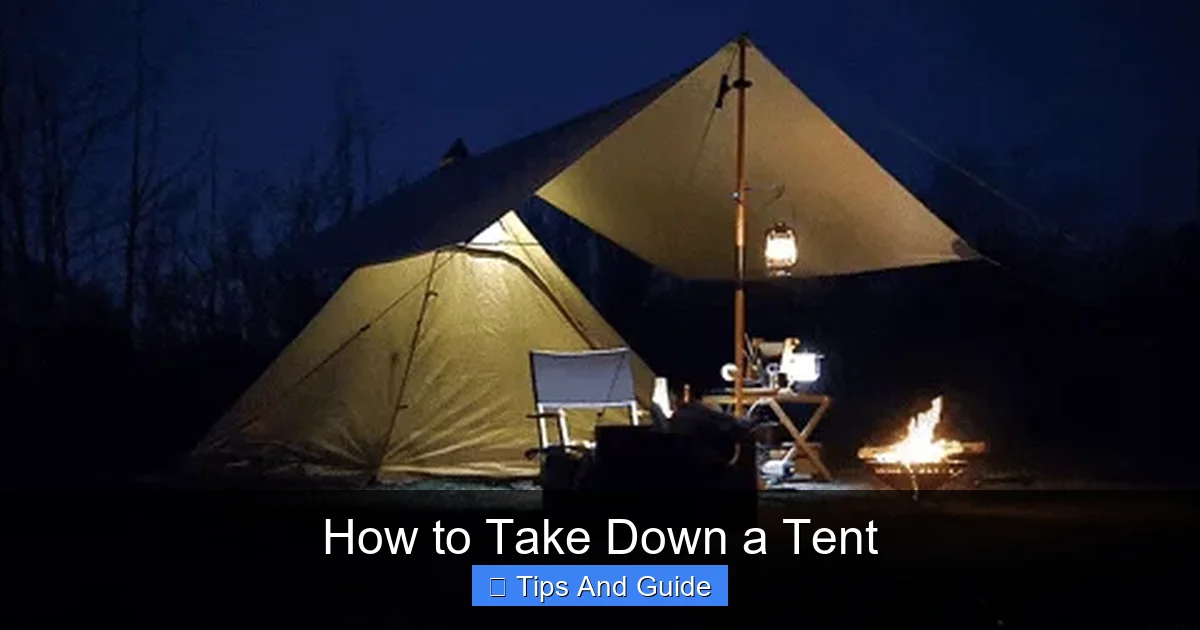
Taking down a tent might seem simple, but doing it right ensures its longevity and makes repacking a breeze. This guide will walk you through each step, from removing stakes to folding it neatly. Follow these instructions to properly disassemble your tent, keeping it in great condition for future trips. Proper tent care starts with careful takedown!
Welcome, fellow adventurers! You’ve just had a fantastic time camping, but now it’s time for the not-so-glamorous part: taking down your tent. While it might seem like a straightforward process, doing it correctly is crucial for the longevity and performance of your shelter. A well-maintained tent will serve you faithfully on countless future expeditions. This comprehensive guide will walk you through every step of taking down your tent, ensuring you pack efficiently and protect your gear. We’ll cover everything from the initial preparation to the final fold, making the process smooth and stress-free. Get ready to become a tent-packing pro!
## Preparing for Tent Takedown
Before you even think about starting the takedown process, a little preparation goes a long way. This stage is all about making the actual disassembly and packing much easier.
### Assess the Weather and Time
The ideal scenario is to take down your tent when it’s dry and you have ample daylight. If it’s raining, try to wait for a break in the weather. If you absolutely must pack a damp tent, you’ll need to set it up again at home to dry thoroughly before storing. Sunlight is your friend here; it helps you see clearly and avoid tripping over guy lines or forgetting tent stakes.
### Gather Your Supplies
You might not need much, but having a few key items ready can speed things up.
* Tent bag: Make sure you have the original tent bag or a suitable alternative.
* Stuff sack: A separate stuff sack for poles and stakes can keep them organized.
* Tarp (optional): If you have a large tent, laying out a tarp can provide a clean surface to work on.
* Brush or cloth: For a quick clean-up of leaves, dirt, or debris.
### Clear the Interior
Before you start pulling poles, do a final sweep of the tent’s interior. Remove all personal belongings, sleeping bags, camping mattresses, and any trash. This prevents you from accidentally packing unwanted items or damaging sensitive gear like your best camping mattress for tent.
## Step-by-Step Tent Takedown
Now, let’s get down to business. We’ll break down the process into manageable steps.
### Step 1: Remove Tent Stakes
This is often the first physical step. Start by carefully removing all the tent stakes from the ground.
#### Using a Stake Puller or Multi-tool
Many tent stakes can be pulled out by hand, but sometimes they are firmly embedded. If this is the case, use a stake puller, a multi-tool with a stake remover, or even the flat edge of a sturdy camping shovel.
#### Be Gentle
When pulling stakes, try not to yank violently. Pull them straight up as much as possible to avoid bending them. If a stake is particularly stubborn, try wiggling it gently or digging around its base slightly.
#### Stake Organization
As you remove stakes, place them in their designated bag or container. Keeping them together prevents them from getting lost in the shuffle.
### Step 2: Detach the Rainfly and Inner Tent
Once the stakes are out, you can begin to loosen the tent structure.
#### Loosen Guy Lines and Tensioners
First, loosen all the guy lines and any tensioning straps. This will release the tension on the poles and fabric, making it easier to disconnect everything.
#### Remove the Rainfly
If your tent has a separate rainfly, carefully detach it from the inner tent. This usually involves unhooking clips, untying knots, or unzipping zippers. If the rainfly is attached, you’ll handle this in conjunction with the main tent body.
#### Detach the Inner Tent (if separate)
Some tents have an inner tent that is separate from the rainfly. If yours is like this, detach it now.
### Step 3: Disassemble the Tent Poles
Tent poles are the skeleton of your tent, and disassembling them carefully is key to their lifespan.
#### Identify Pole Segments
Most tent poles are made of several shock-corded segments. You’ll need to separate these segments.
#### Gently Pull Apart Segments
Hold one segment firmly and gently pull the next segment away. The shock cord inside will provide resistance. Avoid yanking hard, as this can damage the shock cord or the aluminum ferrules (the metal tips). If the poles are very stiff, a slight twist might help.
#### Coil or Bunch Poles Together
Once disassembled, you can either coil the poles into a compact bundle or lay them out straight and bunch them together. Most tent bags have a dedicated sleeve or compartment for the poles, so ensure they fit before you begin folding the tent fabric.
### Step 4: Collapse the Tent Body
With the poles removed, the tent fabric will naturally start to sag. Now it’s time to bring it all together.
#### Lay the Tent Flat
Spread the tent fabric out as much as possible, laying it flat on the ground. This helps you see the structure and ensures you’re folding it neatly.
#### Remove Remaining Pole Sleeves/Clips
Ensure all poles have been fully removed from their sleeves or detached from any clips.
#### Begin Folding Inward
Start folding the tent fabric. A common method is to fold it lengthwise, bringing the sides together. You can often fold it in half, then in half again, depending on the tent’s size and shape. Some people find it helpful to fold it along the original creases it had from the factory.
### Step 5: Fold the Rainfly (if separate)
If you removed the rainfly separately, fold it now using a similar method.
#### Clean and Dry Rainfly
Before folding, give the rainfly a quick brush to remove any loose dirt or leaves. Ensure it’s as dry as possible.
#### Fold Neatly
Fold it in half, then in half again, aiming for a shape that will fit into its designated bag or alongside the main tent body.
### Step 6: Pack the Tent into its Bag
This is the final push! The goal here is to make your tent as compact and organized as possible for transport and storage.
#### Strategic Folding for Packing
The way you fold the tent fabric and rainfly is important. Many people find that folding the tent lengthwise into thirds or quarters works well, creating a long, narrow shape. Then, you can roll it tightly. Alternatively, you can simply fold it into a rectangular block. The key is consistency, so you know how to pack it the next time.
#### Include Poles and Stakes
Place the bundled poles and stakes on top of the folded tent fabric.
#### Stuff into the Bag
Carefully stuff or fold the entire package into the tent bag. Don’t force it; if it’s too tight, you might need to refold more compactly. Some modern tents come with compression straps on their bags, which can be very helpful here.
## Practical Tips for Effortless Tent Takedown
Here are some extra tips to make your tent takedown experience even smoother:
* Practice at Home: Especially if you have a new tent, practice setting it up and taking it down in your backyard before your first trip. This builds familiarity and confidence.
* Teamwork Makes the Dream Work: If you’re camping with others, assign tasks. One person can pull stakes, another can manage poles, and others can fold the fabric. This speeds up the process significantly.
* Keep it Organized: Always put poles and stakes back into their respective bags. Losing these small but vital parts can be a major hassle.
* Shake Out Debris: Before folding, give the tent fabric a good shake to dislodge any leaves, pine needles, or dirt. This makes packing cleaner and keeps your tent pristine.
* Zip Up Zippers: Before folding, close all zippers. This prevents them from snagging on the fabric during the folding and packing process.
* Consider the Wind: If it’s windy, you might need an extra person to hold down the tent fabric while you’re working. You can also use one of your shoes or a heavy object to weigh down a corner.
* Know Your Tent Type: Different tents have slightly different takedown procedures. For example, a pop-up tent might have a unique folding mechanism. If you have one of the best pop-up tents on the market, consult its specific instructions.
## Troubleshooting Common Tent Takedown Issues
Even with the best intentions, you might encounter a snag. Here are a few common problems and how to solve them.
### Problem: Stubborn Tent Stakes
**Solution:** As mentioned, use a stake puller or multi-tool. If you don’t have one, try wiggling the stake gently, or carefully dig around it with a small trowel or even your boot heel to loosen the soil. Avoid bending the stake.
### Problem: Tent Fabric Won’t Fold Neatly
**Solution:** This is often a matter of practice and patience. Try refolding it, ensuring the fabric is as flat as possible before each fold. Sometimes, folding it along its original factory creases is the easiest way to achieve a consistent shape. If you’re struggling, try folding it into thirds or quarters lengthwise, then rolling it tightly.
### Problem: Poles are Stuck or Difficult to Separate
**Solution:** Do not force them! Check for any dirt or debris stuck in the ferrules or joints. Gently try twisting the segments while pulling. If the shock cord is particularly tight, try pressing the segments together slightly before pulling them apart. A tiny bit of silicone lubricant applied sparingly to the ferrule might help in extreme cases, but be sure to wipe off any excess.
### Problem: Tent is Damp or Wet
**Solution:** This is the most common issue. If possible, wait for it to dry. If not, pack it up carefully, but as soon as you get home, set it up again, preferably outdoors in good weather. Let it air dry completely before storing it. If you notice any musty smells or spots when you unpack it later, it means it wasn’t fully dry, and you should address it immediately to prevent mold and mildew. For extensive mold issues, you might need to use a specialized tent cleaner.
## Proper Storage for Tent Longevity
Taking down your tent correctly is only half the battle. How you store it makes a huge difference in its lifespan.
### Store It Clean and Dry
This cannot be stressed enough. A clean, completely dry tent stored properly will last for years. Any residual moisture or dirt is an invitation for mold, mildew, and fabric degradation.
### Avoid Compression for Long Periods
While stuffing your tent into its bag is necessary for transport, avoid storing it tightly compressed in its bag for extended periods. This can weaken the fabric fibers, damage waterproof coatings, and permanently crease the material.
### Ideal Storage Location
The best place to store your tent is in a cool, dry, and dark environment. An attic can be too hot, and a basement can be too damp. A closet or a shelf in a climate-controlled room is ideal. Some people prefer to store their tent loosely in a larger stuff sack or a breathable cotton bag to allow for air circulation.
### Regular Inspection
Periodically unpack your tent, especially before the camping season begins, to check for any signs of wear and tear, damage, or mold. Address any issues promptly.
## Conclusion
Taking down your tent is an essential part of the camping experience. By following these steps and tips, you can ensure your tent is packed efficiently, protected from damage, and ready for your next adventure. Remember, a little care goes a long way in extending the life of your camping gear. So, next time you pack up, take a moment to do it right. Happy camping!
Key Takeaways
- Clean and Dry First: Always ensure your tent is clean and completely dry before packing it away to prevent mold and mildew.
- Systematic Disassembly: Follow a logical order: remove poles, then rainfly, then main tent body, and finally, stakes.
- Gentle Pole Removal: Avoid forcing poles; detach them carefully to prevent damage to the shock cords or ferrules.
- Strategic Folding: Fold the tent systematically, often along its original seams, to achieve a compact and manageable package.
- Proper Storage: Store your tent in a cool, dry place, ideally not compressed for extended periods, to maintain its shape and material integrity.
