
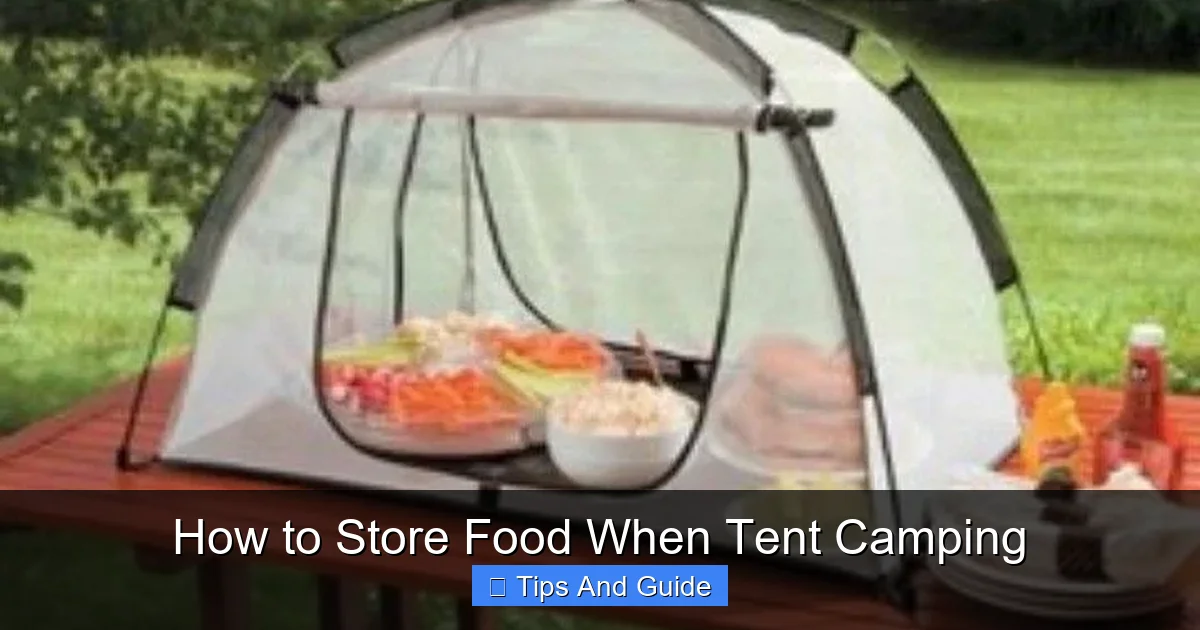
Proper food storage is crucial for a successful tent camping trip. This guide provides comprehensive instructions on how to keep your food fresh, safe from wildlife, and organized. Learn about the best coolers, bear-resistant containers, and smart packing techniques to ensure your meals are enjoyable and your campsite remains pristine. Protecting your food is key to a worry-free camping experience.
Embarking on a tent camping adventure is all about immersing yourself in nature, enjoying fresh air, and savoring delicious meals under the stars. But a crucial, often overlooked, aspect of this experience is proper food storage. Leaving your food unsecured can lead to spoiled meals, attract unwanted critters, and even create dangerous encounters with wildlife. This guide will equip you with everything you need to know to store your food effectively when tent camping, ensuring your food stays fresh, safe, and your campsite remains peaceful.
We’ll walk you through the essential steps, from choosing the right storage solutions to smart packing and campsite practices. By the end of this guide, you’ll feel confident in your ability to manage your food like a pro, leaving you more time to enjoy the great outdoors.
- Proper Cooler Management: Utilize well-insulated coolers, pre-chill them, and pack them strategically with ice packs to maintain cold temperatures and keep food safe for longer.
- Bear-Resistant Solutions: For areas with bears, invest in certified bear-resistant canisters or bags, or practice proper food hanging techniques to prevent wildlife encounters.
- Airtight and Watertight Storage: Employ sturdy, sealable containers for all food items to prevent leaks, maintain freshness, and deter pests.
- Designated Food Area: Set up a dedicated “kitchen” or food prep area away from your sleeping quarters to minimize food odors attracting animals.
- Waste Management: Seal all food scraps and trash in odor-proof bags and store them with your food, ensuring proper disposal at designated receptacles.
- Temperature Control: Monitor food temperatures regularly, especially for perishable items, to ensure they remain within safe limits.
Step 1: Choosing the Right Food Storage Containers
The first step to successful food storage is selecting the appropriate containers. These will be your primary defense against spoilage, pests, and curious animals. The type of container you need will depend on your destination, the duration of your trip, and the types of food you’re bringing.
Coolers: Your Chilling Companion
For perishable items like meats, dairy, fruits, and vegetables, a good cooler is indispensable. Not all coolers are created equal, so consider these factors:
- Insulation Quality: Look for coolers with thick, high-quality insulation that can maintain cold temperatures for extended periods. Rotomolded coolers are known for their superior insulation.
- Size: Choose a size that fits your group’s needs and the amount of food you plan to bring. Overfilling a cooler can reduce its efficiency.
- Durability: A robust cooler can withstand the rigors of camping travel.
Tip: Pre-chill your cooler by filling it with ice or ice packs the night before your trip. This significantly extends its ability to keep food cold.
Bear-Resistant Containers: Essential for Bear Country
If you’re camping in an area known for bears or other large animals, bear-resistant food containers (BRFCs) are non-negotiable. These are specifically designed to withstand the strength and determination of these animals.
- Certified Containers: Ensure any container you purchase is certified by the Interagency Grizzly Bear Committee (IGBC) or a similar reputable organization.
- Proper Use: Learn how to properly seal and use your BRFC. Some require a specific locking mechanism.
Alternative: In some areas, hanging your food from a tree (a “bear hang”) is an acceptable alternative if BRFCs are not mandatory. This requires a sturdy branch at least 10-15 feet off the ground and 4 feet away from the trunk and other branches.
Airtight and Watertight Tubs
For non-perishable items like dried goods, snacks, and toiletries, sturdy plastic tubs with airtight and watertight seals are excellent. They protect food from moisture, dust, insects, and small critters.
- Clear Containers: Opt for clear containers so you can easily see what’s inside without having to open them.
- Stackability: Choose containers that stack well to maximize space in your vehicle or at your campsite.
Step 2: Smart Food Packing Techniques
How you pack your food is just as important as the containers you use. Smart packing ensures everything stays organized, accessible, and protected.
Organize by Meal or Food Type
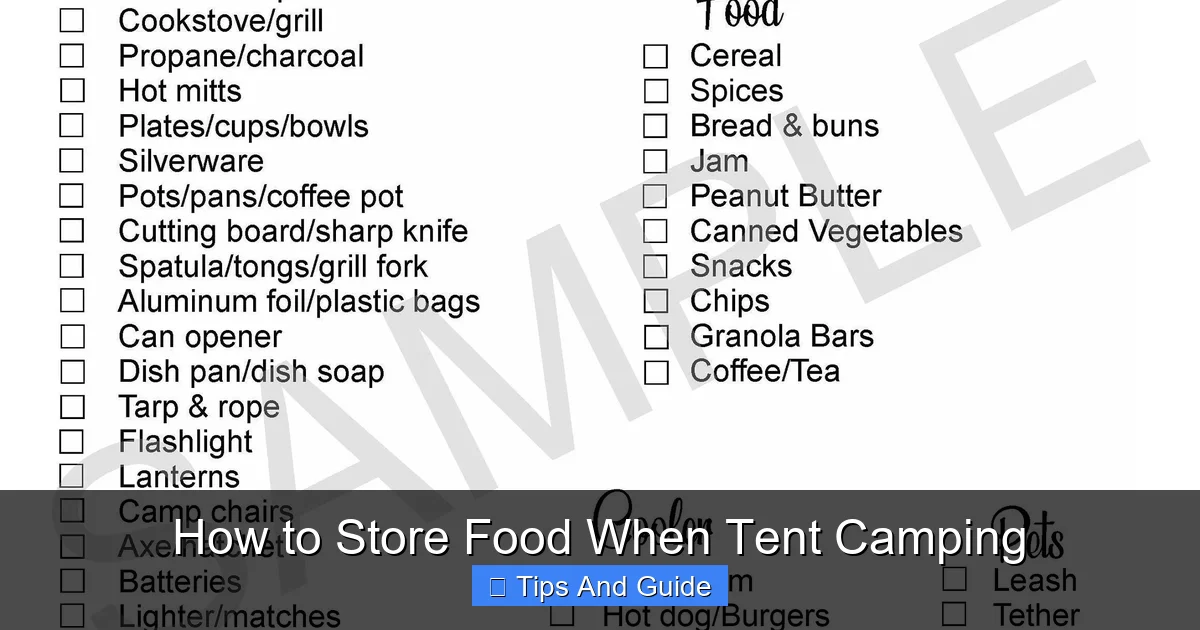
Before you even pack your coolers or bins, take the time to organize your food. Grouping items by meal (breakfast, lunch, dinner) or by food type (produce, proteins, dry goods) makes meal prep much smoother at the campsite.
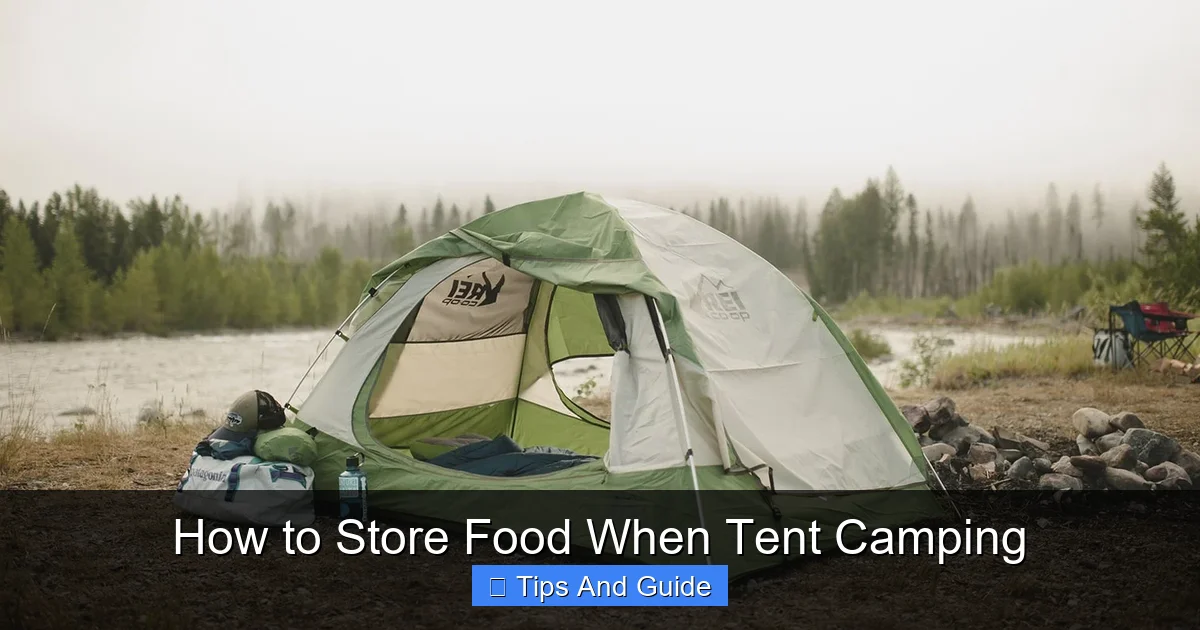
Visual guide about How to Store Food When Tent Camping
Image source: recprotect.ca
- Meal Kits: Pre-portion ingredients for specific meals into individual bags or containers. This saves time and reduces waste. For example, bag all the spices, rice, and beans for chili.
- Snack Packs: Create individual snack bags for easy grabbing on hikes or during downtime.
Layering in the Cooler
The way you load your cooler can dramatically impact how long it stays cold. Follow these layering principles:
- Bottom Layer: Place items you’ll use last or that are less prone to spoilage at the bottom. This might include frozen meats or drinks.
- Middle Layer: Pack items you’ll need sooner, like fresh produce and dairy.
- Top Layer: Keep items you’ll access frequently, such as snacks, drinks, and sandwich ingredients, at the top.
- Fill Gaps: Use extra ice packs or even crumpled newspaper to fill any empty spaces. Air pockets are the enemy of cold retention.
Tip: Freeze water bottles to use as ice packs. As they melt, you’ll have cold drinking water.
Minimize Air Exposure
For dry goods, remove excess air from packaging before storing. This helps maintain freshness and prevents items from getting crushed.
- Vacuum Sealing: If you have a vacuum sealer, it’s an excellent tool for camping. It removes air and extends the shelf life of many foods.
- Resealable Bags: Use high-quality resealable bags and squeeze out as much air as possible before sealing.
Step 3: Strategic Campsite Food Management
Once you’ve arrived at your campsite, your food storage strategy needs to adapt to your new environment.
Designate a Kitchen Area
Choose a central location at your campsite for all food-related activities. This area should be:
Visual guide about How to Store Food When Tent Camping
Image source: images.template.net
- Away from Tents: Keep food and cooking smells far from your sleeping quarters to avoid attracting animals to your tent. Ideally, it’s a minimum of 100 feet away.
- Protected from Elements: If possible, set up a dedicated cooking shelter, like a best camping kitchen tent, to keep your food and cooking area dry and shaded.
- Organized: Keep all your cooking gear, food containers, and cleaning supplies within easy reach in this designated area.
Cooler Placement and Access
Where you put your cooler matters. Keep it:
- In the Shade: Never leave your cooler in direct sunlight. Find a shady spot under a tree or use a tarp to create shade.
- Closed Tightly: Open your cooler only when necessary, and close it immediately after retrieving or storing items.
- Secured: In bear country, ensure your cooler is either inside a bear-resistant container or properly secured if it’s not bear-proof itself.
Proper Waste Disposal
Food scraps and trash are a magnet for wildlife. Proper waste management is paramount.
- Odor-Proof Bags: Use heavy-duty, odor-proof trash bags. Double-bagging can provide an extra layer of protection.
- Store with Food: Treat your trash like it’s food. Store it in the same bear-resistant containers or hang it with your food if you’re using a bear hang.
- Pack It Out: Always pack out all your trash. Never bury or burn food scraps, as this can attract animals and is often prohibited.
Step 4: Protecting Your Food from Pests and Critters
Even if you’re not in bear country, smaller pests can be a nuisance. Ants, raccoons, and rodents can quickly raid an unsecured food supply.
Seal Everything Tightly
This bears repeating: airtight and watertight are your best friends. Even small crumbs can attract ants. Ensure all containers, including those for toiletries, are sealed.
Visual guide about How to Store Food When Tent Camping
Image source: i.pinimg.com
Beware of Odors
Animals are drawn to smells. Store strong-smelling items, like certain cheeses or even scented soaps, in well-sealed containers.
Secure Your Campsite at Night
Before you go to sleep, do a quick sweep of your campsite. Secure all food, trash, and any scented items (like toothpaste) in their designated secure storage.
Step 5: Maintaining Food Safety and Freshness
Beyond preventing animal intrusions, you need to ensure your food remains safe and enjoyable to eat.
Monitor Temperatures
Perishable foods should be kept below 40°F (4°C) to prevent bacterial growth. Use a cooler thermometer to keep track. If your cooler’s ice melts completely and the temperature rises, it’s time to consume perishable items quickly or discard them.
Know Your Food
Plan your meals so that the most perishable items are consumed early in your trip. This way, if your cooler’s efficiency decreases over time, you won’t have to discard essential ingredients.
Cleaning is Key
Keep your cooking area and utensils clean. Wash dishes immediately after meals and store them properly. A clean campsite is less attractive to pests.
Troubleshooting Common Food Storage Issues
Even with the best planning, challenges can arise. Here are solutions to common tent camping food storage problems:
Problem: My cooler isn’t staying cold.
Solution: Ensure the cooler is in the shade, packed tightly with minimal air gaps, and that the lid is being closed quickly. Consider adding more ice or using frozen water bottles. If it’s an older cooler, the insulation may have degraded, and it might be time for an upgrade.
Problem: Small animals (squirrels, raccoons) are getting into my food.
Solution: This usually indicates that food or trash is not being stored securely enough. Double-check that all containers are tightly sealed. If you’re in an area with these critters, storing food in a bear-resistant container or hanging it is often the most effective solution, even if bears aren’t present.
Problem: I forgot to pack a critical food item.
Solution: Depending on your location, you might be able to purchase items at a local store near the campground. If not, get creative! See if you can substitute ingredients or adjust your meal plan. This is a good time to practice improvisation in the kitchen.
Problem: My food is getting damp from condensation.
Solution: This is common in humid environments. Ensure your containers are truly watertight. You can also place a towel at the bottom of your cooler to absorb excess moisture. If you’re using reusable bags, make sure they are completely sealed to prevent outside moisture from getting in.
Conclusion
Mastering food storage is a vital skill for any tent camper. By understanding the importance of proper containers, employing smart packing techniques, and maintaining vigilant campsite management, you can ensure your food remains safe, fresh, and free from unwanted visitors. This not only enhances your camping experience by providing enjoyable meals but also contributes to the preservation of wildlife and the safety of your campsite. Remember, a little planning and attention to detail can go a long way in making your next outdoor culinary adventure a delicious success. Happy camping!
