
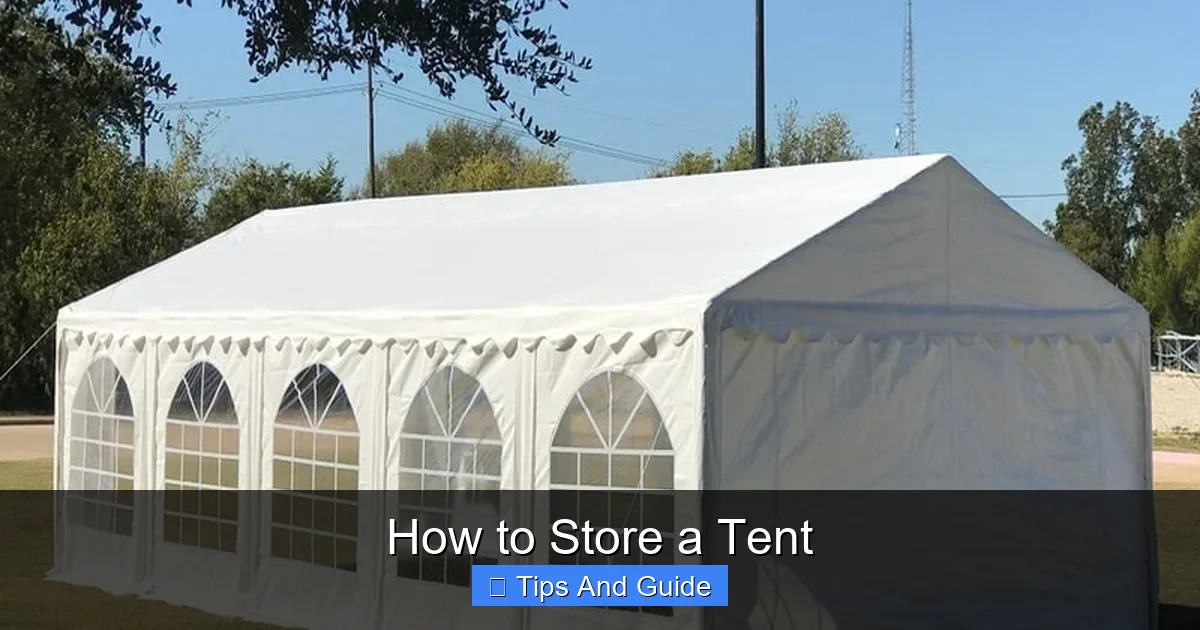
Properly storing your tent is crucial for its longevity and performance. This comprehensive guide will walk you through every step, from thorough cleaning and drying to efficient packing and selecting the ideal storage location. By following these simple yet essential practices, you can ensure your tent stays in great condition for many adventures to come, protecting your investment and guaranteeing a comfortable shelter on your next camping trip.
Welcome, fellow adventurers! Your tent is your trusty home away from home, your shield against the elements, and your ticket to exploring the great outdoors. But like any piece of gear, its lifespan and performance depend heavily on how you treat it, especially when it’s not in use. Storing your tent correctly is one of the most important things you can do to ensure it’s ready for your next adventure, whether it’s a weekend camping trip or a multi-day backpacking expedition.
This guide will equip you with all the knowledge you need to properly store your tent. We’ll cover everything from the initial cleanup after a trip to selecting the perfect storage spot. By the end, you’ll know exactly how to keep your tent in top-notch condition, ready to provide shelter and comfort for years to come.
- Clean Before You Store: Always remove dirt, debris, and moisture before packing your tent away to prevent mildew and damage.
- Ensure Complete Dryness: A damp tent is the quickest way to ruin it; always air dry your tent completely before storage.
- Pack Loosely if Possible: Avoid tightly compressing your tent for extended periods, as this can damage the fabric and coatings.
- Choose the Right Storage Location: Opt for a cool, dry, and dark place away from pests and extreme temperatures.
- Inspect Regularly: Periodically check your stored tent for any signs of damage or pest activity.
- Understand Different Tent Types: While general principles apply, some tent types might have specific storage needs.
Why Proper Tent Storage Matters
Before we dive into the “how,” let’s quickly touch upon the “why.” Improperly stored tents can suffer from a variety of issues:
- Mildew and Mold: Even a slightly damp tent packed away can quickly develop unpleasant smells and unsightly mold, which can degrade the fabric.
- Fabric Degradation: UV rays, extreme temperatures, and chemical exposure can weaken tent materials over time.
- Damaged Coatings: Waterproof coatings can break down if exposed to moisture, heat, or compression.
- Pest Infestations: Critters might see your tent as a cozy new home, chewing through fabric or nesting inside.
- Reduced Lifespan: Ultimately, poor storage significantly shortens the functional life of your tent.
Taking a little extra time to store your tent properly is a small investment that pays big dividends in the long run, ensuring your tent remains a reliable piece of equipment.
Step 1: The Post-Adventure Clean-Up
This is arguably the most critical step. Never, ever pack away a dirty or wet tent.
H3: Shake and Brush Off Debris
As soon as you take your tent down, give it a good shake. This will dislodge leaves, dirt, grass, and any other loose debris clinging to the fabric. Pay attention to the seams and corners where debris tends to accumulate.
Visual guide about How to Store a Tent
Image source: ueeshop.ly200-cdn.com
For more stubborn dirt, use a soft brush. A stiff-bristled brush might damage the fabric, so opt for something gentle. You can also use a damp cloth to wipe down any visible mud spots.
H3: Clean the Tent Body
For general dirt and grime, a simple wipe-down with a damp cloth is often enough. If you need to tackle more persistent stains or odors, use a mild soap solution. Mix a small amount of gentle, non-detergent soap (like specialized tent cleaner or even a tiny bit of mild dish soap) with water. Use a soft sponge or cloth to gently clean the affected areas. Avoid harsh chemicals, bleach, or abrasive cleaners, as these can damage the fabric and its coatings.
Tip: Always test your cleaning solution on an inconspicuous area of the tent first to ensure it doesn’t cause discoloration.
H3: Clean the Poles
Tent poles can accumulate dirt and grit, which can scratch the inside of the tent fabric or even damage the shock cord. Wipe them down with a damp cloth. If there’s any sticky residue, a bit of rubbing alcohol on a cloth can help remove it.
H3: Clean the Stakes and Guylines
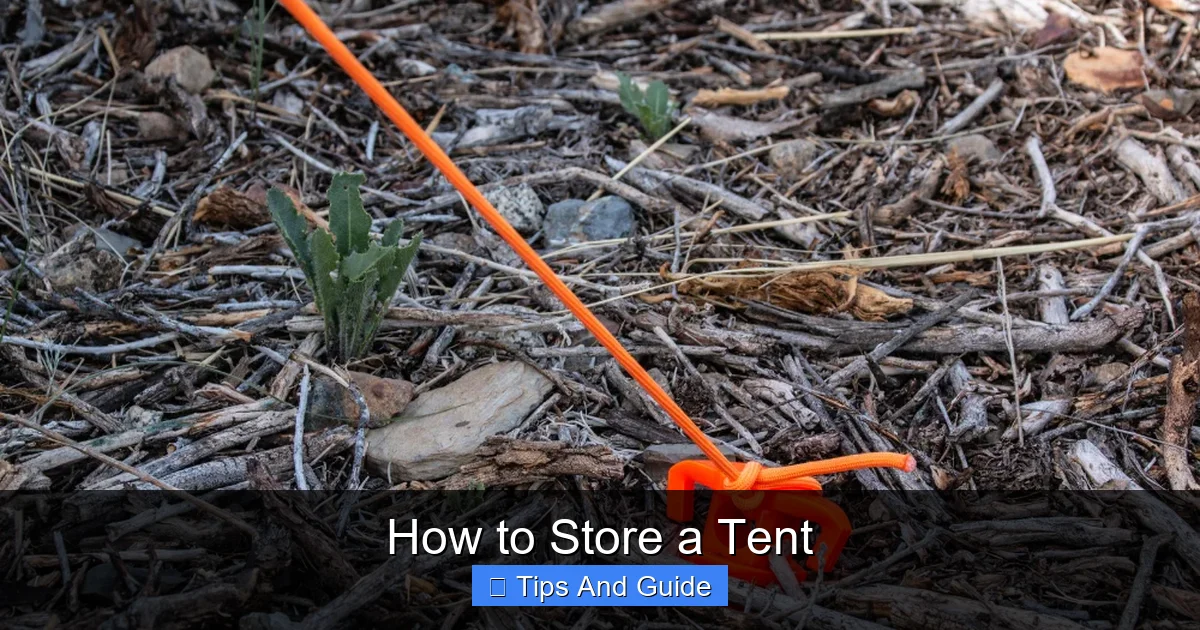
Stakes can be covered in mud. Scrub them clean and dry them thoroughly. Check guylines for any fraying or damage. If they are dirty, you can wash them and ensure they are completely dry before storing.
H3: Wash the Footprint (Ground Tarp)
Your footprint or ground tarp takes a lot of abuse. Clean it in the same way you would clean the tent body. Ensure all mud and debris are removed.
Step 2: The Crucial Drying Process
This step is non-negotiable. A damp tent is an invitation to disaster.
H3: Air Dry the Tent Thoroughly
The best way to dry a tent is to set it up outdoors in a well-ventilated area, preferably in the shade. If setting it up isn’t feasible, hang it over a clothesline or drape it over furniture indoors. Open all the doors and windows to allow for maximum airflow.
Visual guide about How to Store a Tent
Image source: i1.wp.com
Be Patient: This can take several hours, even a full day, depending on humidity and temperature. Check frequently for any remaining dampness, especially inside pockets, corners, and along seams. Don’t pack it until you are absolutely certain it is bone dry.
H3: Check Zippers and Velcro
Ensure that zippers are fully opened and that any Velcro tabs are not stuck together while drying, allowing air to circulate freely.
H3: Consider the Tent Bag and Footprint
Don’t forget to dry the tent bag and the footprint completely. If the tent bag is also damp, it can transfer moisture back to the tent. Store them separately or with the tent only once they are also dry.
Step 3: Packing Your Tent for Storage
How you pack your tent can impact its longevity.
H3: Avoid Tight Compression
While many tents come with compression sacks, it’s generally not recommended to store your tent tightly compressed for long periods. Constant compression can damage the fabric’s coatings, weaken seams, and reduce the tent’s loft and insulation properties over time. For long-term storage, a loose stuff sack or even just a breathable storage bag is ideal.

Visual guide about How to Store a Tent
Image source: glamping-hotel.com
H3: Stuff or Fold Loosely
Instead of tightly rolling your tent the same way every time, try to loosely stuff it into its stuff sack. This randomizes the folds and reduces stress on specific areas of the fabric. If you prefer to fold, ensure the folds are not too sharp or consistent. This is especially important for tents with coated floors or rainflies.
H3: Pack Tent Components Separately (Optional but Recommended)
For some tents, especially older models or those with delicate coatings, storing the tent body, rainfly, and poles separately can be beneficial. This further reduces the risk of abrasion between components and allows each part to breathe. You can store them in breathable bags.
H3: Organize and Label
If you have multiple tents, it’s a good idea to label each stuff sack with the tent’s name or size. This will save you time and confusion when you need to grab a specific tent for a trip.
Step 4: Choosing the Ideal Storage Location
Where you store your tent is as important as how you pack it.
H3: Cool and Dry Environment
The golden rule for storing almost anything outdoors-related is a cool, dry place. Avoid attics, garages, or sheds that experience extreme temperature fluctuations and high humidity. Basements can be good if they are dry, but be mindful of potential moisture issues.
H3: Away from Direct Sunlight
UV rays are the enemy of tent fabric. Sunlight can degrade the fabric, fade colors, and break down waterproof coatings. Ensure your tent is stored in a dark place.
H3: Pest-Free Zone
Mice, insects, and other small critters can wreak havoc on a stored tent. Store your tent in a place where pests are unlikely to venture. If you live in an area prone to infestations, consider storing your tent in a sealed plastic bin or a sturdy canvas bag.
H3: Avoid Chemical Fumes
Keep your tent away from areas where it might be exposed to gasoline, oil, solvents, or other harsh chemicals. These can damage the fabric and coatings, and leave unpleasant odors.
H3: Good Examples of Storage Locations:
- A closet in a temperature-controlled part of your home.
- Under a bed in a dry room.
- A dedicated storage bin in a cool, dry basement (provided it’s not damp).
Step 5: Long-Term Storage Considerations
If your tent will be stored for several months, take a few extra precautions.
H3: Periodic Inspection
Even in ideal conditions, it’s wise to check on your tent every few months. Unpack it, give it a quick once-over for any signs of damage, mold, or pests, and then repack it, perhaps in a slightly different way to vary the fold lines.
H3: Refresh Waterproofing (If Necessary)
If your tent has been in storage for a long time, and you notice the waterproofing isn’t what it used to be, you might consider reapplying a tent waterproofing treatment before your next trip. This is a great way to extend the life of your tent and ensure it remains waterproof.
Troubleshooting Common Tent Storage Issues
Even with the best intentions, sometimes problems arise.
H3: My Tent Smells Musty!
This is usually a sign of mildew. If the smell is faint, try airing out the tent thoroughly in the sun and fresh air. If the smell is strong and accompanied by visible mold, you may need to wash the tent more thoroughly with a mild solution and dry it meticulously. For persistent odors, specialized tent deodorizers can help.
H3: I Found Small Holes in My Tent!
This is likely pest damage. Inspect the area around the holes for any signs of nesting material. Clean the tent thoroughly and consider using a more secure storage method like a sealed bin to prevent future incursions. For small holes, a tent repair kit can often fix them.
H3: The Zipper Is Stiff or Stuck!
Dirt and grit can cause zippers to become stiff. Clean the zipper teeth with a brush and a little water. Then, lubricate the zipper with a zipper lubricant, beeswax, or even a graphite pencil. Avoid using oily lubricants that can attract dirt.
H3: My Tent’s Coating is Peeling!
This is a common issue with older tents and indicates that the waterproof coating is breaking down. While you can sometimes reapply a waterproofing treatment, significant peeling may mean the tent has reached the end of its usable life for critical waterproofing. For less critical uses, it might still be functional.
Conclusion
Storing your tent properly is a simple, yet incredibly effective, way to preserve your investment and ensure it’s always ready for your next adventure. By dedicating a little time to cleaning, drying, and packing your tent with care, and by choosing a suitable storage location, you’re setting yourself up for many more comfortable and dry nights under the stars. Remember, a well-cared-for tent is a happy tent, and a happy tent means a happier camper! Happy trails!
