
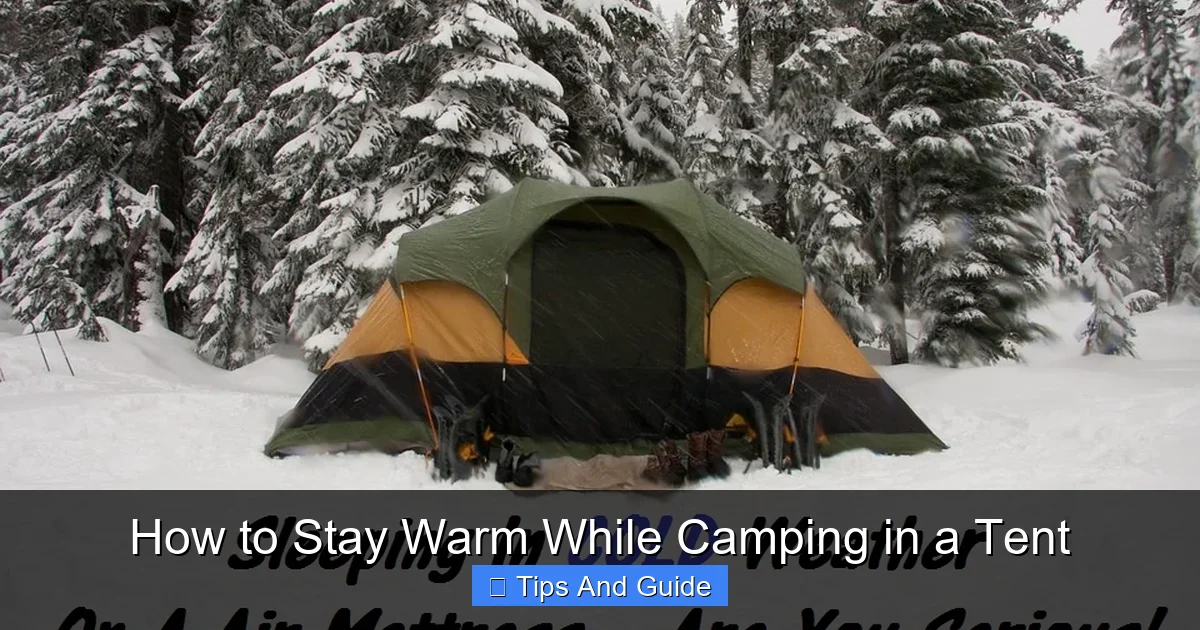
Don’t let the cold cut your camping trip short! This guide offers practical advice to ensure you stay warm and comfortable in your tent, even on chilly nights. Learn how to choose the right gear, master layering techniques, and optimize your campsite setup for maximum warmth. With these tips, you can enjoy your outdoor adventures in any weather.
How to Stay Warm While Camping in a Tent
Camping is an incredible way to connect with nature and escape the everyday hustle. However, a chilly night can quickly turn a dream trip into a miserable ordeal. The good news is, with the right preparation and a few smart strategies, you can stay toasty warm and comfortable in your tent, no matter how low the temperature drops. This guide will walk you through everything you need to know, from selecting the best gear to mastering the art of layering and creating a warm sanctuary.
Key Takeaways
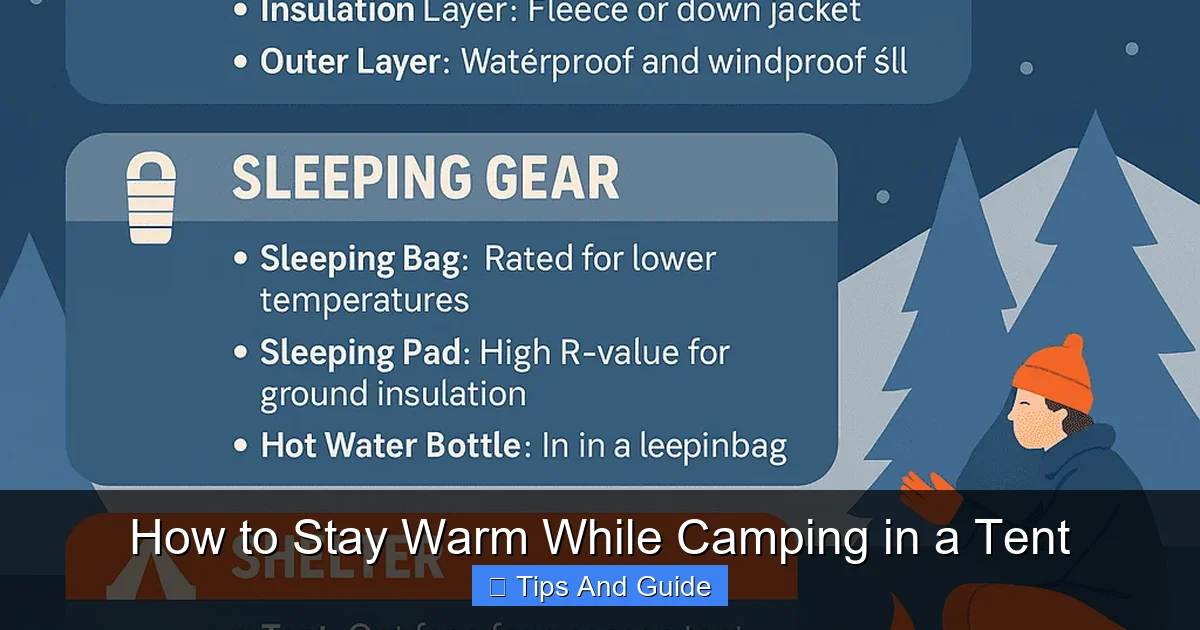
- Proper Insulation is Key: Your sleeping bag and sleeping pad are your primary defenses against the cold. Choose a sleeping bag rated for the temperatures you expect and a sleeping pad with a good R-value for insulation.
- Layering is More Than Just Clothes: Think about layers for your entire sleeping system, including base layers, mid-layers, and an insulated sleeping bag, plus a warm hat and socks.
- Seal Your Tent Against Drafts: A well-sealed tent prevents cold air from entering. Use draft stoppers, ensure your tent zippers are closed, and consider a footprint or ground tarp for an extra barrier.
- Manage Moisture Effectively: Moisture is your enemy when trying to stay warm. Avoid bringing damp items into your tent and ventilate properly to prevent condensation buildup.
- Warmth Starts Before Bedtime: Being warm inside your tent often depends on your activities before you crawl into your sleeping bag. Stay active during the day and eat warm meals.
Choosing the Right Gear for Ultimate Warmth
Your gear is your first line of defense against the cold. Investing in the right equipment will make a significant difference in your comfort level.
The Sleeping Bag: Your Personal Cocoon
A good sleeping bag is paramount. When selecting one, pay close attention to its temperature rating.
* Temperature Ratings Explained: Sleeping bags come with ratings like “comfort,” “limit,” and “extreme.” The “comfort” rating is generally for a woman sleeping soundly, while the “limit” is for a man sleeping in a curled position. The “extreme” rating is for survival only and not for comfortable sleep. Always err on the side of caution and choose a bag rated for temperatures colder than you anticipate.
* Types of Insulation:
- Down Insulation: Offers excellent warmth-to-weight ratio and is highly compressible. However, it loses its insulating properties when wet and takes longer to dry.
- Synthetic Insulation: Cheaper, performs better when damp, and dries faster. It’s generally bulkier and heavier than down.
* Bag Shape: Mummy bags offer the best warmth because they hug your body, minimizing dead air space. Rectangular bags are roomier but less efficient at trapping heat.
The Sleeping Pad: Your Insulating Foundation
Don’t underestimate the importance of a sleeping pad! It’s not just about comfort; it’s about insulation from the cold ground, which can suck the warmth right out of you.
* R-Value: This is the most crucial factor for sleeping pads in cold weather. It measures resistance to heat flow. Higher R-values mean better insulation. For winter camping, aim for an R-value of 4 or higher. For three-season camping, an R-value of 2-3 is usually sufficient, but if you anticipate cooler nights, a higher R-value is better. Explore options for the best camping mat for tent use.
* Types of Pads:
- Closed-cell foam pads: Durable, inexpensive, and virtually indestructible. They don’t offer the most comfort but are excellent insulators and can be used as a backup.
- Self-inflating pads: Offer a good balance of comfort, insulation, and portability.
- Inflatable pads: The most comfortable option, often with advanced insulation technologies. They can be more prone to punctures. Many campers find the best camping mattress for tent setups can significantly boost warmth.
The Tent: Your Shelter Against the Elements
While not your primary insulator, your tent plays a vital role in trapping body heat and shielding you from wind.
* Tent Type: A four-season tent is designed to withstand harsh weather and snow loads, offering better insulation and wind resistance than a three-season tent. However, for most cooler-weather camping, a good quality three-season tent can suffice if properly managed. Consider a best camping dome tent designed for stability and wind protection.
* Tent Size: A smaller tent will heat up more effectively with your body heat than a large one. If you’re car camping and have space, a two-person tent for one person can be warmer.
* Ventilation: While you want to seal out drafts, proper ventilation is crucial to prevent condensation buildup, which can make you feel colder. Ensure your tent has good mesh panels and vents that can be adjusted.
Mastering the Art of Layering for Warmth
Visual guide about How to Stay Warm While Camping in a Tent
Image source: sleepingwithair.com
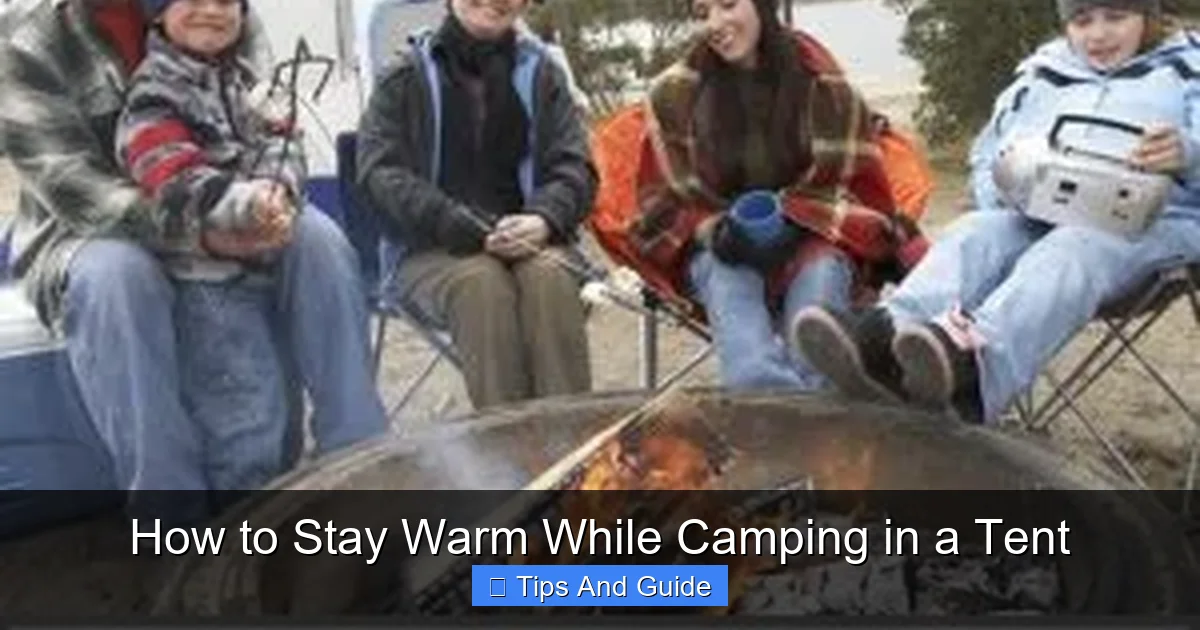
Layering is the golden rule of staying warm, and it applies to both your clothing and your sleeping system. The idea is to trap air between layers, which acts as insulation.
Clothing Layers:
Think in terms of three main layers:
* Base Layer: This is your next-to-skin layer. Opt for moisture-wicking materials like merino wool or synthetic fabrics. Avoid cotton, as it holds moisture and will make you feel cold when it gets damp.
- Tip: Pack at least one set of clean, dry base layers specifically for sleeping.
* Mid Layer: This layer provides insulation. Fleece, down vests, or puffy jackets are excellent choices. You can add or remove mid-layers as needed to adjust to changing temperatures.
* Outer Layer: This is your windproof and waterproof shell. It protects you from the elements and helps trap the heat generated by your inner layers.
Sleeping System Layers:
Beyond your clothing layers, enhance your sleeping bag’s warmth:
* Sleeping Bag Liner: These add a few extra degrees of warmth to your sleeping bag. They come in various materials, including fleece and silk, each offering different levels of warmth and comfort.
* Warm Hat: You lose a significant amount of heat through your head. Always wear a warm hat to bed, even if you don’t think you need it.
* Warm Socks: Make sure your sleeping socks are dedicated to sleeping – not the ones you wore all day that might be damp. Wool or synthetic materials are best.
Preparing Your Campsite for Maximum Warmth
Visual guide about How to Stay Warm While Camping in a Tent
Image source: richardsdiary.com
Where you set up your tent and how you prepare the ground can significantly impact your warmth.
Choosing the Right Campsite:
* Avoid Wind Tunnels: Look for a spot sheltered from the wind by trees or natural formations.
* Higher Ground: Cold air is denser and tends to settle in low-lying areas. Whenever possible, set up your tent on slightly higher ground.
* Sun Exposure: In colder months, a spot that gets morning sun can help warm up your tent and gear.
Preparing the Ground:
* Clear Debris: Remove any rocks, sticks, or sharp objects that could puncture your tent floor or sleeping pad.
* Add Insulation: Lay down extra insulation between your tent footprint and your tent floor. This could be a tarp, pine boughs (if allowed and appropriate for the environment), or even an extra ground cloth. This creates a barrier against the cold ground.
Tips for Staying Warm Inside Your Tent
Visual guide about How to Stay Warm While Camping in a Tent
Image source: almostthereadventures.com
Once you’re in your tent, there are several strategies to maximize warmth.
Seal Out the Cold:
* **Close Tent Zippers and Vents:** Ensure all tent zippers are fully closed. Adjust vents to allow minimal airflow if it’s extremely cold, but remember not to seal it completely to avoid condensation.
* Draft Stoppers: If your tent has large mesh panels or door openings that seem drafty, consider using a rolled-up towel or a dedicated draft stopper to block them.
* Footprint/Ground Tarp: As mentioned earlier, using a footprint or a ground tarp that extends slightly beyond your tent’s edges can help prevent cold air from seeping up from the ground.
Manage Moisture:
Moisture is the enemy of warmth. Even your breath can create condensation inside a tent.
* Ventilation is Key: Crack a vent or two, especially if you are sleeping with others. This allows moisture from your breath to escape.
* Avoid Bringing Damp Gear Inside: If possible, keep wet clothes and gear in a waterproof bag outside your sleeping area or in the vestibule.
* Dry Your Gear: If your clothes or sleeping bag get damp during the day, try to dry them out as much as possible before bed. If you have a sunny spot, hang them up.
Body Heat Management:
* Eat Warm Meals and Drinks: Before bed, consume a warm meal and a hot beverage. Your body will generate more heat as it digests food. Avoid alcohol, as it can make you feel warmer initially but actually lowers your core body temperature.
* Do Some Light Exercise: A few jumping jacks or a brisk walk around the campsite before bed can get your blood circulating and raise your body temperature. Don’t overexert yourself to the point of sweating.
* Hot Water Bottle: Fill a sturdy, leak-proof water bottle (like a Nalgene) with hot (not boiling) water. Wrap it in a sock or a cloth and place it in your sleeping bag a few minutes before you get in. This acts like a personal heater.
The Buddy System:
* Share Body Heat: If camping with a partner, sharing a larger sleeping bag or zipping two bags together can significantly increase warmth as you share body heat.
Troubleshooting Common Cold-Weather Camping Problems
Even with the best preparation, you might encounter issues. Here’s how to handle them.
Problem: Waking up cold in the middle of the night.
* Solution: Don’t just lie there and shiver. Put on your warm hat and extra layers. If you have a hot water bottle, reheat it if possible, or drink some warm water. Do a few quick exercises to get your blood flowing.
Problem: Condensation inside the tent is making things damp.
* Solution: Open your tent vents more, even if it feels counterintuitive. If it’s not raining or snowing heavily, you might consider unzipping your tent door slightly for a few minutes to allow the moist air to escape. Wipe down any visible condensation with a dry cloth.
Problem: My feet are always cold.
* Solution: Ensure you’re using dedicated, dry, warm socks for sleeping. Avoid socks that are too tight, as they can restrict circulation. A hot water bottle near your feet can also help. Make sure your sleeping pad has a high enough R-value.
Problem: My sleeping bag doesn’t feel warm enough, even with layers.
* Solution: Check your sleeping pad’s R-value. This is often the culprit. Ensure you have a good quality sleeping bag rated appropriately. A sleeping bag liner can add precious warmth. Make sure your sleeping bag is not compressed inside its stuff sack; fluff it up to maximize its loft.
Conclusion
Staying warm while camping in a tent is entirely achievable with the right knowledge and preparation. By carefully selecting your sleeping bag and pad, mastering the art of layering, preparing your campsite thoughtfully, and employing smart tactics within your tent, you can transform cold nights into cozy, enjoyable experiences. Embrace the challenge, prepare diligently, and you’ll be rewarded with unforgettable nights under the stars, no matter the season. Happy camping!
