
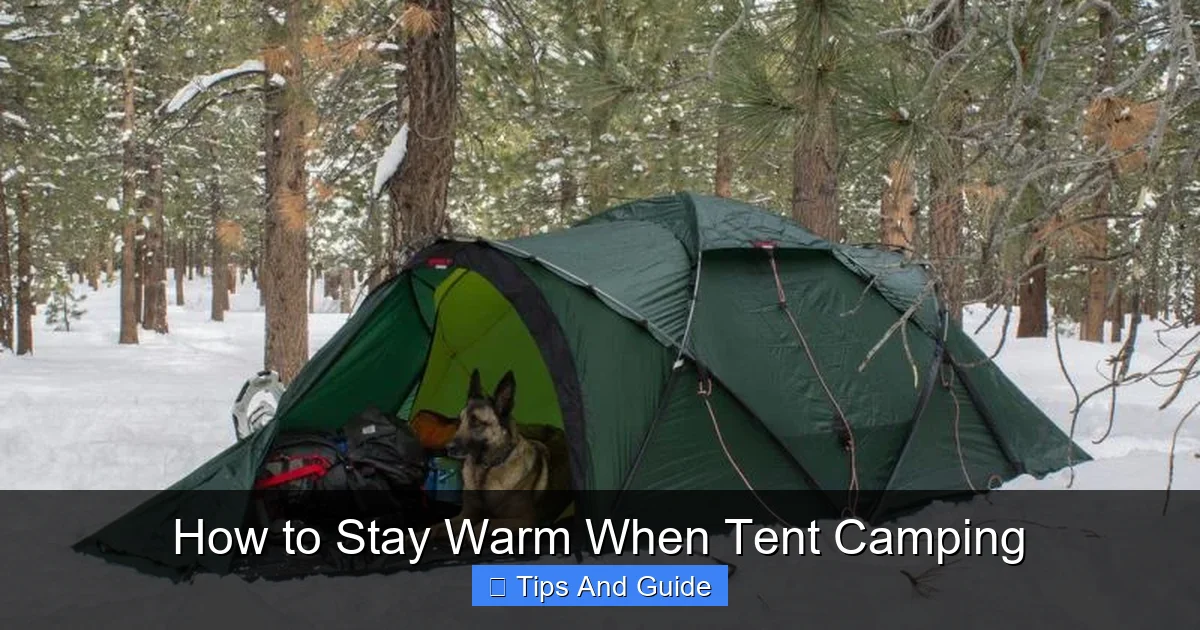
Don’t let the cold ruin your camping adventure! This comprehensive guide teaches you everything you need to know to stay warm and comfortable in your tent. We cover choosing the right gear, layering effectively, preparing your campsite, and utilizing clever tricks to maximize heat. Master these techniques, and you’ll be enjoying the great outdoors even in chilly weather.
Going tent camping is a fantastic way to connect with nature. However, when the temperatures drop, staying warm can become a significant challenge. A cold night in a tent can turn a dream trip into a miserable ordeal. But don’t worry! With the right preparation and knowledge, you can ensure your camping adventures are cozy and enjoyable, no matter the season. This guide will walk you through everything you need to know to stay warm when tent camping.
From selecting the perfect gear to mastering campsite techniques, we’ve got you covered. You’ll learn about the importance of your tent, how to dress for success, and how to optimize your sleeping setup. We’ll also share practical tips for preparing your campsite and clever tricks to keep the chill at bay. Let’s dive in and make your next camping trip a warm one!
Key Takeaways
- Choose the Right Tent: Opt for a tent with good insulation, a sturdy design, and a rainfly to block wind and moisture. Four-season tents are ideal for extreme cold.
- Layer Your Clothing: Wearing multiple thin layers is far more effective than one bulky layer. This traps air and allows you to adjust your insulation as needed.
- Invest in Quality Sleep System: A warm sleeping bag rated for the expected temperatures and a good sleeping pad are crucial for preventing heat loss from the ground.
- Prepare Your Campsite: Select a sheltered spot, avoid windy areas, and consider using natural windbreaks.
- Stay Hydrated and Fueled: Proper hydration and eating warm, calorie-dense foods help your body generate heat.
- Utilize Heat Trapping Tricks: Simple methods like blocking ventilation, using a hot water bottle, and generating body heat before bed can make a significant difference.
1. Choosing the Right Tent for Cold Weather
Your tent is your primary shelter. Its design and features play a massive role in how warm you’ll be. Not all tents are created equal, especially when it comes to battling the cold.
Tent Material and Design
Look for tents made with durable, wind-resistant fabrics. A tent with a bathtub-style floor, where the waterproof material extends up the sides, helps keep out ground moisture and drafts. The shape of the tent also matters. Dome tents and geodesic designs are generally more aerodynamic and better at withstanding wind than tunnel or cabin-style tents.
Ventilation and Breathability
This might sound counterintuitive when you want to stay warm, but proper ventilation is crucial to prevent condensation. When you breathe inside a tent, you release moisture. Without ventilation, this moisture can build up on the tent walls, eventually freezing or making everything damp. Look for tents with mesh panels and adjustable vents that allow you to control airflow.
Rainfly and Footprint
A good rainfly is your first line of defense against wind and precipitation. Ensure it covers the tent body well and extends close to the ground to prevent drafts. A footprint, a groundsheet that goes under your tent, can provide an extra layer of insulation and protection from the cold, damp ground. Some campers opt for a best camping mat for tent to further insulate their sleeping area from the ground.
Four-Season Tents
If you plan on camping in consistently cold or snowy conditions, consider a four-season tent. These are specifically designed for harsh weather, featuring stronger poles, more robust fabrics, and fewer mesh panels to retain heat. They are built to handle heavy snow loads and strong winds, making them ideal for winter expeditions.
2. Mastering the Art of Layering
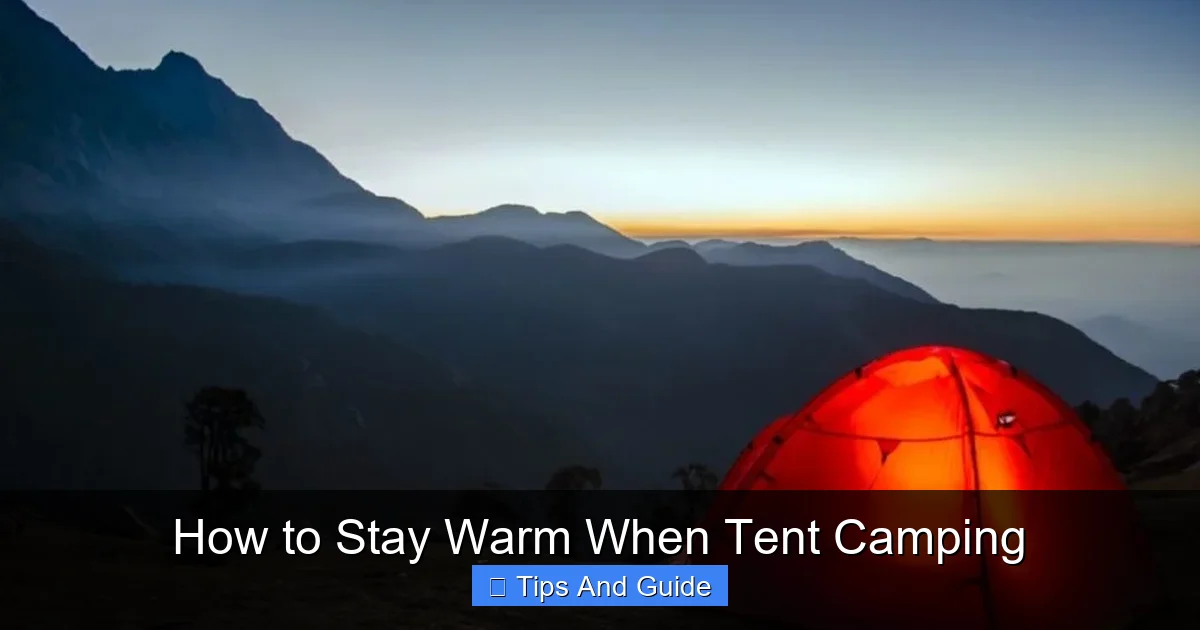
Visual guide about How to Stay Warm When Tent Camping
Image source: theavidcampers.com
Clothing is your personal insulation. Understanding how to layer effectively is perhaps the most important skill for staying warm. The key is to trap air, which acts as an insulator.
Base Layer
This is the layer closest to your skin. Its job is to wick away moisture (sweat) from your body. Cotton is a poor choice because it absorbs moisture and stays wet, making you cold. Opt for synthetic materials like polyester or merino wool. Merino wool is excellent because it’s warm, breathable, and naturally odor-resistant.
Mid Layer
This layer provides the bulk of your insulation. Fleece, down, or synthetic fill jackets are great mid-layers. They trap body heat and keep you warm. You might need more than one mid-layer depending on how cold it is. If you’re very active, you might shed a mid-layer to avoid overheating and sweating.
Outer Layer (Shell)
The outer layer protects you from wind and water. It should be windproof and waterproof or water-resistant. Many modern shells are also breathable, allowing some moisture vapor to escape. A good shell prevents the wind from stealing your hard-earned body heat and keeps you dry from rain or snow.
Head, Hands, and Feet
These extremities lose heat quickly. Always wear a warm hat, even when sleeping. Insulated gloves or mittens are essential for keeping your hands warm. For your feet, wear warm, moisture-wicking socks (again, no cotton). Consider bringing a pair of dedicated sleeping socks that are extra warm and dry.
3. Optimizing Your Sleep System
A good night’s sleep is vital for a successful camping trip, and staying warm is key to that. Your sleeping bag and sleeping pad work together to keep you toasty.
Choosing the Right Sleeping Bag
Sleeping bags are rated by temperature. It’s crucial to choose a bag rated for temperatures *lower* than what you expect to encounter. A bag rated for 20°F (-7°C) might be comfortable down to that temperature, but you’ll want more warmth if the temperature drops below that. Consider the “comfort rating” rather than the “extreme rating.” Down fill offers excellent warmth-to-weight ratio and compressibility but loses its insulating power when wet. Synthetic fill is heavier and bulkier but insulates even when damp. For very cold conditions, a 0°F (-18°C) or even a -20°F (-29°C) rated bag might be necessary.
The Crucial Role of the Sleeping Pad
Many campers underestimate the importance of a sleeping pad. The ground can be significantly colder than the air, and without proper insulation, you’ll lose a lot of heat to it. Sleeping pads have an R-value, which indicates their thermal resistance. Higher R-values mean more insulation. For cold weather camping, aim for a pad with an R-value of 4 or higher. Options include closed-cell foam pads (durable and inexpensive) and inflatable pads (more comfortable and often higher R-values). Some campers even use both for maximum insulation. A best camping mattress for tent can significantly improve your comfort and warmth.
Maximizing Sleeping Bag Warmth
* Don’t compress your bag: Avoid stuffing clothes or other gear inside your sleeping bag, as this compresses the insulation and reduces its effectiveness.
* Wear dry layers to bed: Change into dry base layers before sleeping. Damp clothes will make you cold.
* Stuff a hat inside: A wool or fleece hat can help keep your head warm, and stuffing it inside your sleeping bag can add a small amount of insulation.
* Use a sleeping bag liner: Silk or fleece liners can add several degrees of warmth to your sleeping bag.
4. Preparing Your Campsite for Cold Weather
Where you pitch your tent can make a big difference in temperature. Smart campsite selection can provide natural warmth and protection.
Site Selection
* Seek shelter from the wind: Look for a spot that’s protected from the prevailing wind. Dense trees, large rocks, or hills can act as natural windbreaks. Avoid open, exposed areas.
* Avoid low-lying areas: Cold air sinks, so camping in a hollow or valley can lead to colder temperatures. Aim for slightly higher ground, but still seek wind protection.
* Consider sunlight: If possible, choose a spot that will get the morning sun. This can help warm up your tent and gear after a cold night.
* **Clear the ground:** Remove any debris, rocks, or sticks from under your tent before setting it up. This provides a smoother surface and can prevent heat loss.
Creating a Warm Environment Inside the Tent
* Use a tarp or ground cloth: A waterproof tarp placed under your tent adds an extra layer of insulation and protects your tent floor from the cold, damp ground.
* Seal drafts: Once you’re set up, inspect your tent for any obvious drafts. You can use a small amount of duct tape or even stuff extra clothing into small gaps to block airflow.
5. Food, Hydration, and Body Heat Generation
Your body is your primary heat source. Keeping it fueled and functioning optimally is key to staying warm.
Eat and Drink Wisely
* Calorie-dense foods: Your body burns calories to generate heat. Eat hearty, calorie-rich meals before bed, especially those with healthy fats and proteins. Hot meals and drinks are also incredibly comforting and warming.
* Stay hydrated: Dehydration can make you feel colder. Drink plenty of water throughout the day, but try to limit excessive fluid intake right before bed to avoid waking up to go to the bathroom. Warm beverages like herbal tea are great.
* Avoid alcohol and caffeine: While alcohol might make you feel warm initially, it actually causes your body to lose heat faster. Caffeine can also have a diuretic effect.
Generating Body Heat Before Bed
* Get your blood flowing: Do some light exercises like jumping jacks or a brisk walk about 30-60 minutes before you plan to go to sleep. This will raise your body temperature.
* Eat a snack: A small, calorie-dense snack just before bed can give your body fuel to burn and generate heat throughout the night.
6. Clever Tricks to Maximize Warmth
Beyond the basics, there are several simple yet effective tricks to keep you toasty in your tent.
The Hot Water Bottle Trick
Fill a sturdy, leak-proof water bottle with hot (not boiling) water. Wrap it in a sock or towel to prevent burns and place it in your sleeping bag about 15-30 minutes before you get in. It acts like a mini heater, warming up your bag.
The Breathable Bag Technique
If you find your sleeping bag is getting too warm from your breath inside, you can slightly unzip the bag and let some air in. However, be careful not to let too much cold air in.
Use a Camp Pillow
A good camp pillow can provide extra insulation for your head. You can even place a fleece or wool hat on top of it to keep your head warmer.
Keep Your Gear Warm
Electronics, like your phone or headlamp batteries, can die quickly in the cold. Store them in your sleeping bag at night to keep them warm and functional.
Warm Up Your Clothes
If your clothes feel cold in the morning, put them in your sleeping bag with you for a bit to warm them up before you put them on.
Troubleshooting Common Cold Weather Camping Issues
* **”I’m still cold even with all this!”** Double-check your sleeping pad. It’s often the culprit. Ensure it has a sufficient R-value. Also, ensure your sleeping bag is rated appropriately and not compressed.
* **”My tent is full of condensation!”** Increase ventilation. Open up those vents, even if it feels cold. Proper airflow is key.
* **”I keep waking up to pee.”** This is common in the cold. Try to limit fluids in the last hour or two before bed. Ensure your sleeping bag is warm enough; if your body is struggling to stay warm, it will try to shed weight, including fluids.
Conclusion
Staying warm when tent camping is absolutely achievable with the right planning and techniques. By focusing on selecting appropriate gear, mastering the art of layering, optimizing your sleep system, preparing your campsite thoughtfully, and employing clever heat-generating strategies, you can transform a potentially cold camping experience into a comfortable and memorable one. Don’t let the temperature dictate your adventures. Embrace the outdoors year-round by staying warm, dry, and happy in your tent. Happy camping!
