
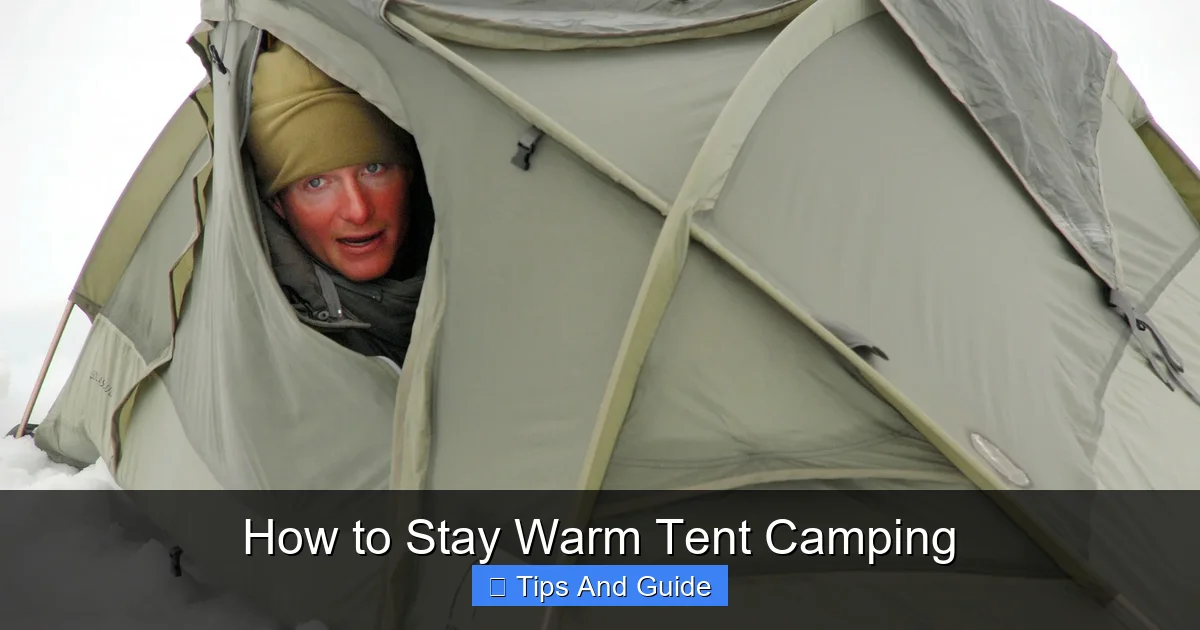
Don’t let the cold cut your camping trip short! This guide provides essential, practical advice on how to stay warm tent camping. We’ll cover everything from selecting the right gear and mastering layering techniques to choosing the best campsite and using your body heat effectively. With these tips, you can ensure a cozy and enjoyable experience, no matter the temperature.
How to Stay Warm Tent Camping
Tent camping is an incredible way to connect with nature, but chilly nights can quickly turn an enjoyable trip into a frosty ordeal. The good news is that with a little preparation and the right knowledge, you can stay warm and comfortable even when temperatures drop. This comprehensive guide will equip you with the essential tips and tricks to master the art of staying warm tent camping. We’ll cover everything from choosing the right shelter and sleep system to dressing smart and selecting the perfect campsite. Get ready to embrace the outdoors, no matter the season!
Key Takeaways
- Choose the Right Tent: A well-insulated tent with good ventilation is crucial. Look for tents with a robust rainfly and sturdy poles to withstand cold, windy conditions.
- Layer Up Smartly: Avoid cotton. Instead, use synthetic or wool base layers, insulating mid-layers, and a windproof, waterproof outer shell. This system traps body heat effectively.
- Invest in Quality Sleep System: A warm sleeping bag rated for the expected temperatures and a good sleeping pad or air mattress are non-negotiable for preventing heat loss to the ground.
- Proper Site Selection is Key: Pitch your tent in a sheltered spot, away from wind tunnels and low-lying cold air pockets. Consider natural windbreaks like trees or hills.
- Manage Moisture: Moisture is your enemy in the cold. Ventilate your tent to prevent condensation, keep gear dry, and change into dry clothes before sleeping.
- Utilize Body Heat: Huddle with others, wear a hat to bed, and eat a warm meal or drink before sleeping to boost your metabolism and generate heat.
- Bring Warm Drinks and Food: Hot beverages and calorie-rich foods provide internal warmth and energy. Think stews, soups, and hot chocolate.
1. Choose the Right Tent for Cold Weather
Your tent is your primary defense against the elements. When camping in cooler temperatures, the type of tent you choose makes a significant difference.
Tent Material and Design
Look for tents made from durable, thicker fabrics. While a lightweight backpacking tent is great for summer, a more robust material will offer better insulation. A tent with a full-coverage rainfly is essential. This not only keeps rain and snow out but also adds an extra layer of insulation by trapping air between the fly and the inner tent. The design of the tent also matters. Dome tents and tunnel tents generally offer better wind resistance than cabin-style tents. Some tents are specifically designed for four-season use, featuring stronger poles and more durable fabrics for harsh conditions.
Ventilation is Still Important
It might seem counterintuitive, but good ventilation is crucial even in cold weather. Without it, your tent will quickly fill with condensation from your breath. This moisture can then freeze on the tent walls, making everything damp and cold. Most cold-weather tents have adjustable vents that allow you to control airflow. Open them slightly to allow moist air to escape, especially at night.
2. Master the Art of Layering
Visual guide about How to Stay Warm Tent Camping
Image source: i.pinimg.com
What you wear is as important as your shelter. The key to staying warm is a smart layering system that traps your body heat effectively.
Base Layer: Wick Away Moisture
The first layer against your skin should be made of moisture-wicking materials like merino wool or synthetic fabrics. These materials draw sweat away from your body, preventing you from getting cold and clammy. Absolutely avoid cotton, as it absorbs moisture and stays wet, making you colder.
Mid Layer: Insulate
The mid-layer is all about insulation. Fleece, down, or synthetic puffy jackets and pants are excellent choices. This layer traps the warm air your base layer helps keep close to your body. You might need one or multiple mid-layers depending on how cold it is.
Outer Layer: Protection from the Elements
Your outer layer should be windproof and waterproof. This shields you from cold winds and any precipitation. A good hardshell jacket and pants will keep you dry and block wind chill, which can dramatically lower your perceived temperature.
Don’t Forget Your Extremities
Your head, hands, and feet are particularly vulnerable to heat loss. Always wear a warm hat, even when sleeping. Insulated gloves or mittens are a must for your hands. For your feet, wear warm wool or synthetic socks. Consider bringing a spare pair of socks to wear to bed.
3. Invest in a Quality Sleep System
Visual guide about How to Stay Warm Tent Camping
Image source: takethemoutside.com
A good night’s sleep is vital for energy and warmth. Your sleeping bag and sleeping pad are your primary defenses against the cold ground and the night air.
The Right Sleeping Bag
Choose a sleeping bag rated for temperatures colder than you expect. Sleeping bag temperature ratings are a guideline, and individual comfort can vary. If you tend to sleep cold, opt for a bag with a lower temperature rating. Consider the shape of the bag as well; mummy bags are generally warmer than rectangular bags because they are designed to trap heat more effectively.
You can also enhance the warmth of your sleeping bag with a sleeping bag liner. These can add up to 15 degrees Fahrenheit of warmth and are easy to wash. For extreme cold, consider a zero-degree or even a minus-rated bag.
The Crucial Sleeping Pad
Many people underestimate the importance of a sleeping pad. The ground can suck the heat right out of you. A good sleeping pad acts as an insulator between your body and the cold earth. Look for pads with a high R-value (a measure of thermal resistance). An R-value of 4 or higher is generally recommended for cold-weather camping. Options include closed-cell foam pads, self-inflating pads, and air mattresses. For maximum warmth, you might consider using a combination of a foam pad topped with an inflatable one. A comfortable mattress can also make a difference for overall sleep quality. If you’re looking for the best options, check out guides on the best camping mattress for tent or the best camping mat for tent.
4. Select Your Campsite Wisely
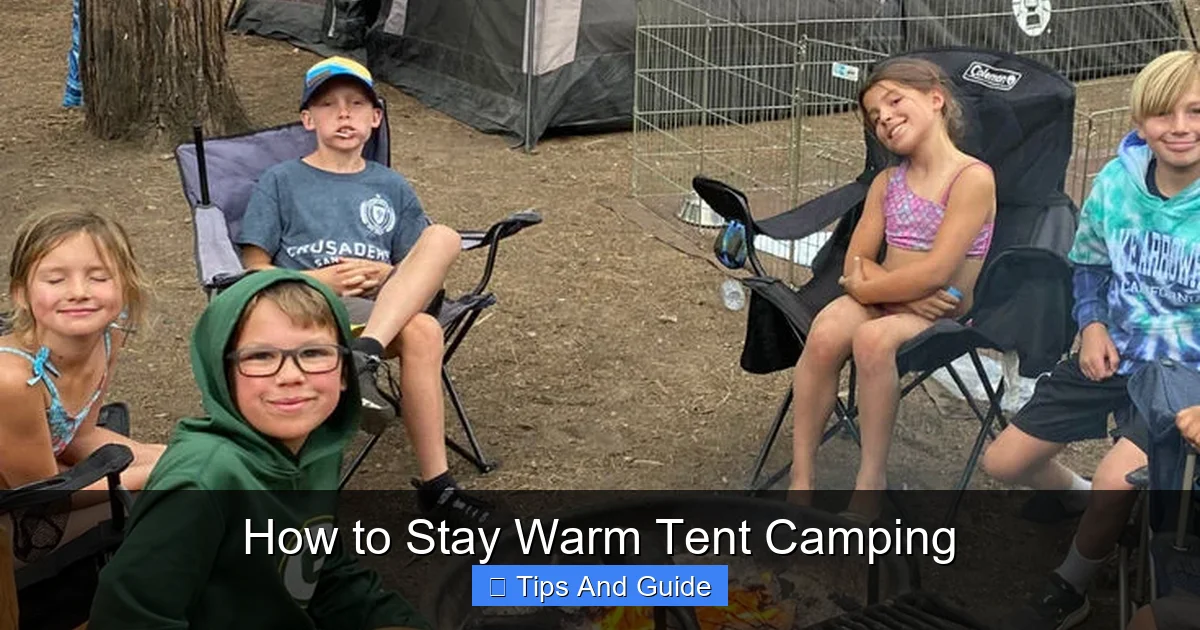
Visual guide about How to Stay Warm Tent Camping
Image source: i.pinimg.com
Where you pitch your tent can have a significant impact on your comfort in the cold.
Seek Shelter from the Wind
Wind is a major factor in heat loss. Look for a campsite that offers natural protection from the wind. This could be behind a cluster of trees, a large rock, or a small hill. Avoid camping in open areas or at the bottom of valleys where cold air can settle. Check the wind direction before setting up your tent.
Avoid Low-Lying Areas
Cold air is denser than warm air, so it sinks. This means that low-lying areas, often called “frost pockets,” will be significantly colder than higher ground. If possible, choose a slightly elevated spot for your tent.
Sun Exposure
During the day, consider how much sun your tent will receive. A sunny spot can help warm your tent, which can be beneficial. However, be mindful that in extreme cold, direct sun might still not be enough to overcome a frigid night.
5. Utilize Your Body Heat and Metabolism
Your body is a fantastic heat-generating machine. Learn how to harness its power.
Eat and Drink Warmly
Before you go to bed, eat a calorie-rich meal. Your body uses calories to generate heat. Hot drinks like tea, hot chocolate, or broth can also help raise your internal temperature. Avoid caffeine and alcohol before bed, as they can disrupt your body’s temperature regulation.
Stay Active Before Bed
A little bit of light exercise before you settle in for the night can help boost your metabolism and generate body heat. Do some jumping jacks or a brisk walk, but don’t overexert yourself to the point of sweating heavily.
Warm Water Bottle
A simple yet effective trick is to fill a sturdy water bottle (one that won’t leak!) with hot water and place it in your sleeping bag a few minutes before you get in. This creates a toasty warm spot to put your feet or core.
Sleep in Dry Clothes
Never sleep in the clothes you wore during the day, especially if they are damp with sweat. Change into clean, dry, and warm sleep clothes, including a fresh pair of wool socks and a hat.
Huddle Up (If Camping with Others)
If you’re camping with a partner or group, sleeping close together can significantly increase the warmth inside the tent. Your combined body heat can create a surprisingly warm microclimate.
6. Manage Moisture Inside Your Tent
Moisture is the enemy of warmth. Keeping your tent and gear dry is paramount.
Ventilate Regularly
As mentioned earlier, proper ventilation is key to preventing condensation. Open your tent vents periodically, even if it’s cold outside. If you notice significant condensation, you might need to open them wider.
Keep Your Gear Dry
Ensure all your gear, especially your sleeping bag and extra clothes, stays dry. Use waterproof stuff sacks for items you need to keep absolutely dry. If you have wet clothes or boots, store them in a designated area, perhaps a vestibule, to prevent them from making the inside of your tent damp.
Shake Off Snow/Water Before Entering
When you enter your tent, especially if it’s snowing or raining, take a moment to shake off as much moisture as possible from your clothes and gear before bringing them inside.
7. Essential Cold Weather Camping Gear Extras
Beyond the basics, a few extra items can make a world of difference.
Hand and Foot Warmers
Disposable chemical hand and foot warmers can be a lifesaver. Slip them into your gloves, boots, or sleeping bag for extra warmth.
Headlamp and Lantern
Cold nights can feel longer. Having a reliable light source is crucial for navigating your tent and campsite. Make sure you have extra batteries, as cold temperatures can drain them faster. Check out our guide on the best camping lights for tent for some great options.
Camp Stove and Fuel
Being able to cook warm meals and make hot drinks is essential for morale and staying warm. Ensure you have adequate fuel for your camp stove.
Troubleshooting Common Cold Camping Problems
* “My feet are always cold at night.” Try wearing a thick pair of wool socks to bed, use a small stuff sack filled with warm items (like extra socks) to place at the foot of your sleeping bag, or use a hot water bottle.
* “My tent is getting really damp inside.” Increase ventilation. Check if your tent vents are clogged with snow or ice. Make sure you’re not breathing directly onto the tent walls.
* “I’m waking up too cold.” Re-evaluate your sleeping bag rating and sleeping pad. Ensure you’ve layered your clothing correctly and have eaten enough before bed. Try adding a sleeping bag liner.
* “My water bottles are freezing.” Store water bottles upside down, as the ice will form from the top. You can also wrap them in a spare jacket or sleeping bag.
Conclusion
Staying warm tent camping is entirely achievable with the right preparation and approach. By focusing on your shelter, sleep system, clothing layers, and campsite selection, you can transform a potentially frigid experience into a cozy and memorable adventure. Remember that managing moisture and utilizing your body’s natural heat-generating abilities are also key components. So, pack smart, layer up, and get ready to enjoy the beauty of the outdoors, even when the temperatures dip. Happy camping!
