
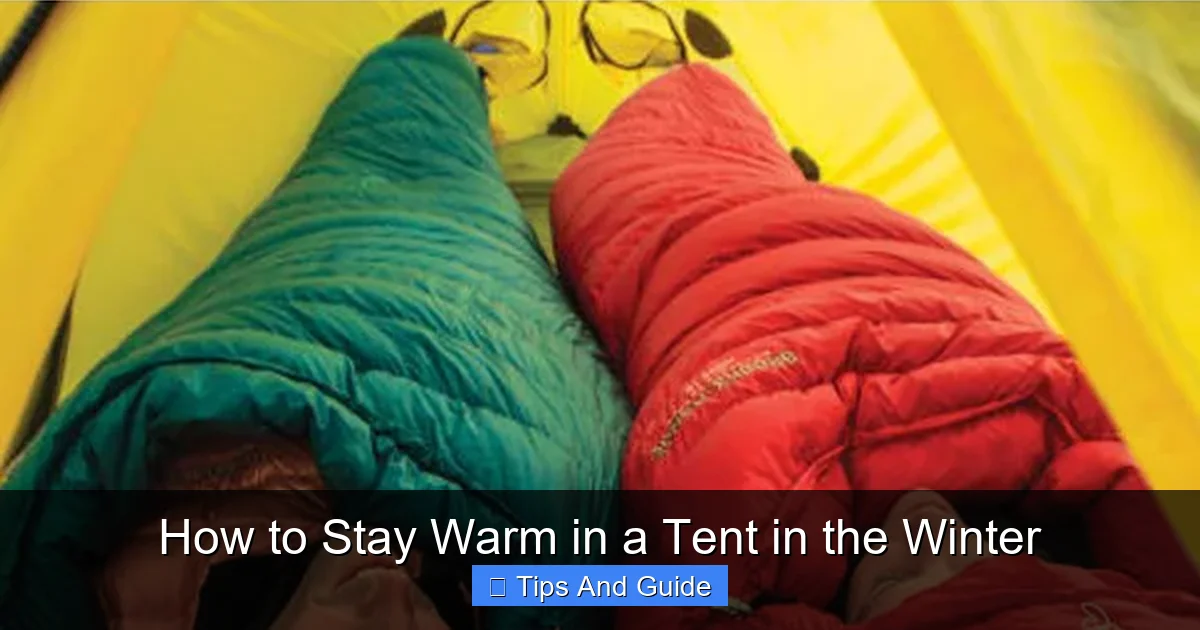
Don’t let cold weather keep you from winter camping! This guide provides practical strategies to stay warm in your tent. Learn about proper layering, effective insulation techniques, and selecting the right gear to ensure a comfortable and safe winter camping adventure. Embrace the cold with confidence by following these essential tips.
# How to Stay Warm in a Tent in the Winter
Winter camping can be an incredibly rewarding experience. The quiet, the crisp air, and the stunning snow-covered landscapes offer a unique kind of beauty. However, the biggest challenge is undoubtedly staying warm in your tent when the temperatures plummet. A poorly prepared camper can quickly find themselves shivering, miserable, and even in danger. But fear not! With the right knowledge and preparation, you can transform your winter tent into a cozy sanctuary.
This comprehensive guide will walk you through everything you need to know to stay warm in a tent in the winter. We’ll cover crucial aspects like tent selection and setup, insulation techniques, the importance of your sleep system, clothing strategies, and even what to eat and drink to keep your internal furnace burning. By the end of this guide, you’ll be equipped with the confidence and know-how to enjoy your winter camping adventures without the shivers.
## Choosing and Setting Up Your Winter Tent
The foundation of staying warm starts with your tent. Not all tents are created equal when it comes to winter conditions.
### Selecting the Right Tent
For serious winter camping, a 4-season tent is highly recommended. These tents are designed to withstand harsh weather, including heavy snow and strong winds. They typically have:
* **Stronger poles and fabrics:** To handle wind and snow load.
* **More guy-out points:** For secure anchoring.
* **Full-coverage rainfly:** To keep snow and wind out.
* **Less mesh:** To minimize drafts and heat loss.
While a 4-season tent is ideal, if you’re venturing out in milder winter conditions or prioritizing budget, a robust 3-season tent can sometimes suffice, especially with extra precautions. If you’re considering a pop-up tent for simpler setups, ensure it’s specifically designed for colder weather or that you’re using it in less extreme conditions. We’ve reviewed some of the best pop-up tents for winter, which might offer a good balance for some.
### Site Selection and Tent Placement
Where you pitch your tent makes a significant difference.
#### Scout Your Location
* **Wind Protection:** Look for natural windbreaks like dense trees or a rock formation. Avoid open, exposed areas.
* **Snow Depth:** If snow is deep, avoid pitching in depressions where cold air can settle. Slightly higher ground is often better.
* **Sun Exposure:** If possible, position your tent to catch the morning sun, which can help warm it up.
#### Prepare the Ground
* **Clear the Area:** Remove any sharp objects, rocks, or twigs that could puncture your tent floor or create cold spots.
* **Create a Snow Platform (if applicable):** If camping in snow, you can stomp down a large area of snow to create a firm, level platform for your tent. This helps prevent your tent from sinking and provides a solid base.
#### Guy Lines and Anchoring
* **Securely Stake:** Use appropriate stakes for the ground conditions (snow stakes, sand stakes, or regular stakes with added weight).
* **Utilize All Guy Lines:** Properly tension all guy lines. This not only strengthens your tent against wind but also ensures the rainfly is taut, preventing snow from accumulating on it and creating drafts.
## The Importance of Insulation
Insulation is your primary defense against the cold. You need to insulate both your tent and yourself from the frigid ground and the ambient air.
### Insulating the Tent Floor
The ground is a massive heat sink. Cold ground will suck the warmth right out of you if you don’t have adequate insulation underneath.
#### Sleeping Pads are Crucial
* **R-Value:** Look for sleeping pads with a high R-value. For winter camping, an R-value of 4 or higher is recommended. A higher R-value means more insulation.
* **Closed-Cell Foam vs. Inflatable:** Closed-cell foam pads are very durable and reliable. Inflatable pads can be more comfortable and offer higher R-values, but they can be punctured. Many winter campers use a combination: a closed-cell foam pad for durability and a self-inflating or air pad on top for comfort and added insulation. Check out our guide on the best camping mats for tents for more options.
* **Double Up:** Don’t be afraid to use two sleeping pads. This significantly increases your insulation from the cold ground. The best camping mattresses for tents can also add a layer of comfort and insulation.
#### Tent Footprint or Ground Tarp
* **Extra Layer:** Place a footprint or a durable tarp under your tent’s floor. This adds an extra layer of insulation and protects your tent from abrasion and moisture. Make sure it doesn’t extend beyond the tent’s edges, as this can collect rain or snow and channel it under your tent.
### Creating an Insulated Barrier
* **Draft Stopper:** If your tent has large mesh panels that cannot be fully covered, you can use extra fabric, a tarp, or even snow to block drafts from entering. Some tents come with removable zip-in insulated liners.
* **Mummy Tents:** Mummy-style tents are generally more efficient at trapping heat due to their narrower shape.
## Your Sleep System: The Key to a Warm Night
Your sleeping bag and sleep setup are arguably the most critical components for staying warm overnight.
### Choosing the Right Sleeping Bag
* **Temperature Rating:** This is paramount. Always choose a sleeping bag rated significantly *lower* than the coldest temperature you expect. A bag rated for 0°F (-18°C) is a good starting point for many winter conditions. Remember, these ratings are often for survival, not comfort. Consider a bag rated for -20°F (-29°C) or even lower for extreme cold.
* **Down vs. Synthetic Fill:** Down offers superior warmth-to-weight ratio and compressibility, but it loses its insulating ability when wet. Synthetic fill is heavier and bulkier but retains some insulation even when damp. For most winter camping, down is preferred if you can keep it dry, but synthetic is a more forgiving option if moisture is a concern.
* **Shape:** Mummy bags are best for winter as they limit dead air space, which your body needs to heat.
### Enhancing Your Sleeping Bag’s Performance
* **Sleeping Bag Liner:** A fleece or thermal liner can add up to 15°F (8°C) to your sleeping bag’s warmth.
* **Insulated Air Mattress:** If using an inflatable pad, ensure it’s designed for cold weather. A regular inflatable mattress offers little insulation. The best camping cots with tents can sometimes offer better insulation from the ground than a simple mat.
* **Wearable Sleeping Bags:** Some innovative designs exist that allow you to move around in your sleeping bag.
### Pre-Warming Your Sleeping Bag
* **Hot Water Bottle:** A Nalgene bottle filled with hot (not boiling) water and placed in your sleeping bag about 30 minutes before bed is a game-changer. Seal it tightly and place it near your core or feet. Make sure the bottle is fully sealed and insulated with a sock or cloth to prevent direct contact with your skin.
* **Warm Clothing:** Wear dry, clean base layers and socks to bed. Avoid wearing too many layers inside the bag, as this can compress the down and reduce its loft, diminishing its insulating properties.
## Dressing for Winter Warmth: Layering is Essential
Your clothing system is your personal climate control. Mastering the art of layering is crucial.
### The Three-Layer System
1. **Base Layer (Wicking):** This is the layer closest to your skin. It should be made of synthetic materials (like polyester or nylon) or merino wool. These fabrics wick moisture away from your body, keeping you dry. Avoid cotton, as it holds moisture and will make you cold.
2. **Mid Layer (Insulating):** This layer traps body heat. Fleece jackets, down vests, or synthetic insulated jackets are good options. You can wear multiple mid-layers for adjustable warmth.
3. **Outer Layer (Shell):** This layer protects you from wind and moisture (rain or snow). It should be waterproof and breathable. A good hardshell jacket and pants are essential.
### Essential Winter Clothing Items
* **Warm Hat:** You lose a significant amount of heat through your head, so wear a warm hat even when sleeping.
* **Gloves/Mittens:** Mittens are generally warmer than gloves as they keep your fingers together. Bring a pair of liner gloves for dexterity.
* **Warm Socks:** Wool or synthetic socks are a must. Bring multiple pairs. Avoid cotton.
* **Neck Gaiter or Balaclava:** Protects your face and neck from the cold and wind.
## Staying Warm While You’re Awake
It’s not just about sleeping warm; staying comfortable during the day and evening is also important.
### Hydration and Nutrition
* **Stay Hydrated:** Dehydration can lower your body’s ability to regulate temperature. Drink plenty of fluids, even if you don’t feel thirsty. Warm drinks like tea or broth are excellent for internal warmth.
* **Calorie-Rich Foods:** Your body burns calories to stay warm. Eat plenty of high-calorie, high-fat foods. Nuts, energy bars, and hearty meals are great. Avoid excessive alcohol, as it can create a false sense of warmth while actually leading to heat loss.
### Keeping Active
* **Gentle Exercise:** If you start to feel cold, do some light exercises like jumping jacks or brisk walking. This will get your blood flowing and generate body heat. Be careful not to sweat excessively, as damp clothing will make you colder later.
### Managing Moisture
* **Ventilation is Key:** This might sound counterintuitive in the cold, but proper ventilation is crucial. Your body produces moisture, and cooking inside a tent creates steam. If you don’t ventilate, this moisture will condense on the tent walls and then freeze, making everything damp and cold. Open vents on your tent slightly, even when it’s very cold. This allows moist air to escape.
* **Dry Clothes:** Always change into dry clothes before going to bed. Store your damp clothes outside your sleeping bag, perhaps in a stuff sack.
## Troubleshooting Common Winter Camping Issues
Even with the best preparation, you might encounter some challenges.
### “I’m still cold!”
* **Add Insulation:** Put on an extra base layer, a warmer hat, or thicker socks.
* **More Heat Sources:** If conditions allow and you have a properly ventilated tent designed for it, consider a small, safe camping heater. Always follow manufacturer instructions and ensure adequate ventilation. We’ve researched the best camping heaters for tents, but safety is always the top priority.
* **Hot Water Bottle:** If you didn’t pre-warm your bag, do it now.
* **Eat Something:** A high-calorie snack can provide a quick energy boost for your body to generate heat.
### Condensation is a Major Problem
* **Increase Ventilation:** Open your tent vents further.
* **Wipe Down:** Use a towel to wipe down the inside of your tent walls.
* **Reduce Moisture Sources:** Minimize cooking inside the tent if possible. Ensure you’re not breathing directly onto the tent walls.
### My Tent is Covered in Snow
* **Gently Brush Off:** Use a soft brush or your gloved hand to gently brush snow off the tent walls, especially if it’s piling up. Be careful not to damage the fabric.
* **Maintain Guy Lines:** Properly tensioned guy lines help shed snow more effectively.
## Conclusion
Winter camping in a tent doesn’t have to be a miserable experience. By understanding the principles of insulation, mastering the art of layering, investing in a quality sleep system, and paying attention to the details like hydration and ventilation, you can create a warm and inviting shelter in the heart of winter. Preparation is key, so plan meticulously, pack wisely, and don’t hesitate to bring a few extra layers or insulation items. With these tips, you’re well on your way to enjoying the unique beauty and tranquility of winter camping. Embrace the cold, and may your winter nights in the tent be warm and peaceful!
Key Takeaways
- Proper Insulation is Paramount: Focus on insulating your tent from the ground up and creating a barrier against the cold air.
- Layering is Key for Body Heat: Wearing multiple layers of moisture-wicking and insulating clothing is crucial for regulating your body temperature.
- Sleep System Matters: Invest in a high-quality sleeping bag rated for sub-zero temperatures and use a well-insulated sleeping pad.
- Ventilation Prevents Condensation: While it seems counterintuitive, proper ventilation is essential to reduce moisture buildup inside your tent.
- Hydration and Nutrition are Vital: Staying hydrated and fueling your body with calorie-rich foods generates internal warmth.
- Pre-warm Your Sleeping Bag: Use a hot water bottle or a warm water pack to pre-heat your sleeping bag before bedtime.
- Minimize Heat Loss: Seal drafts, wear a hat to bed, and keep essential items inside your sleeping bag.
