
Embrace winter camping with confidence! This comprehensive guide offers practical advice on staying warm in the cold and managing your body temperature effectively. Learn about essential gear, the art of layering, and crucial techniques to ensure a comfortable and safe winter camping experience. Mastering winter camping is within your reach!
How to Stay Warm and Cold When Camping In Winter
Winter camping can be an incredible experience. The world transforms into a silent, snow-covered wonderland, offering a unique kind of solitude and beauty. However, it also presents significant challenges, chief among them staying warm and comfortable in freezing temperatures. It’s not just about surviving the cold; it’s about enjoying it. This guide will walk you through everything you need to know to stay warm and, surprisingly, even manage your temperature to avoid overheating while winter camping.
You’ll learn about the critical gear you need, the science behind effective layering, how to prepare your campsite, and essential tips for staying safe and comfortable. Forget shivering through your trip; with the right knowledge, winter camping can be a joy.
Key Takeaways
- Layer Up Smartly: Utilize a three-layer system (base, mid, and outer) to regulate body temperature and manage moisture.
- Invest in Quality Insulation: Choose a warm sleeping bag rated for sub-zero temperatures and a well-insulated sleeping pad.
- Protect Extremities: Keep your head, hands, and feet warm with specialized gear like hats, gloves, and insulated socks.
- Stay Hydrated and Fueled: Drink plenty of fluids and eat calorie-rich foods to generate internal heat.
- Manage Moisture: Prevent sweat from accumulating by adjusting layers and avoiding overexertion.
- Tent and Campsite Selection: Choose a sturdy tent and find a sheltered campsite to minimize wind exposure.
- Emergency Preparedness: Always carry essential survival items and know basic winter survival skills.
Understanding the Basics of Winter Warmth
Staying warm in winter camping isn’t just about wearing a lot of clothes. It’s a strategic approach to managing your body’s heat production and loss. Your body naturally generates heat, but the cold environment constantly tries to steal it away. The key is to create a system that traps your body heat effectively without causing you to overheat and sweat, which can lead to chilling.
How Your Body Loses Heat
Understanding how heat escapes your body is the first step to preventing it. There are four primary ways:
- Conduction: Heat transfer through direct contact. If you’re sitting on cold snow, heat will conduct from your body into the ground.
- Convection: Heat transfer through air or water movement. A cold wind blowing over your skin will carry away heat.
- Radiation: Heat transfer through electromagnetic waves. Your body radiates heat outward, especially from exposed areas like your head.
- Evaporation: Heat loss when moisture turns into vapor. This is why sweating in the cold is so dangerous; as sweat evaporates, it cools your body rapidly.
The Concept of Insulation
Insulation works by trapping air. Most cold-weather gear relies on trapping pockets of air, which is a poor conductor of heat. The more trapped air your clothing and sleeping system can hold, the better it will insulate you. Materials like down and synthetic fill are excellent at trapping air.
Essential Winter Camping Gear for Staying Warm
Your gear is your first line of defense against the cold. Investing in the right equipment is crucial for a safe and enjoyable winter camping trip.
The Right Tent
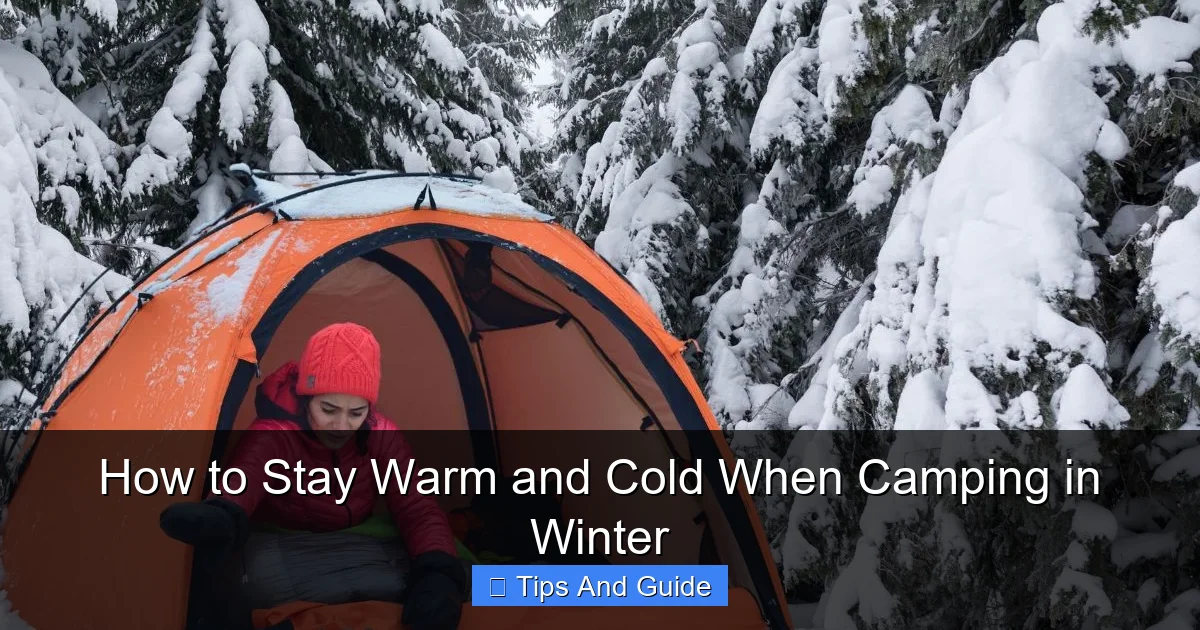
A good winter tent is designed to withstand harsh weather conditions. Look for a tent with a sturdy, four-season design, often referred to as a mountaineering tent or a 4-season tent. These tents are built with stronger poles and fabrics to handle snow loads and high winds.
Visual guide about How to Stay Warm and Cold When Camping in Winter
Image source: theoutdoorauthority.com
- Structure: Dome or geodesic designs are generally stronger against wind than tunnel tents.
- Fabric: Durable, waterproof, and windproof fabrics are essential.
- Ventilation: While it sounds counterintuitive, good ventilation is crucial to prevent condensation buildup inside the tent, which can freeze and make your gear damp and cold.
Consider a pop-up tent designed for winter if you prioritize quick setup, but ensure it’s rated for the cold. For a comfortable experience, especially with family, exploring options like best camping family tents that can also be adapted for winter conditions is wise.
Sleeping Bag: Your Personal Cocoon
Your sleeping bag is arguably the most important piece of gear. For winter camping, you need a bag rated significantly below the expected temperatures.
- Temperature Rating: Look for bags rated 0°F (-18°C) or even -20°F (-29°C) for colder conditions. Remember, these ratings are often for survival, not comfort.
- Fill Material: Down offers excellent warmth-to-weight ratio and compressibility, but loses insulating power when wet. Synthetic fills are bulkier but retain some warmth even when damp and are often more affordable.
- Shape: Mummy bags are more efficient at retaining heat than rectangular bags.
Sleeping Pad: The Underrated Hero
A good sleeping pad provides insulation between you and the cold ground. This is critical for preventing heat loss through conduction. You need an insulated sleeping pad with a high R-value.
- R-Value: This measures a pad’s resistance to heat flow. For winter camping, aim for an R-value of 4 or higher. Many winter campers use two pads: a closed-cell foam pad for durability and insulation, topped with an inflatable insulated pad for extra comfort and warmth.
- Types: Closed-cell foam pads are reliable and cheap. Inflatable pads offer comfort and packability but can be punctured. Self-inflating pads are a good compromise.
Pairing a high-quality sleeping pad with a comfortable camping mattress can make a world of difference.
Layering Clothing: The Key to Temperature Regulation
This is where most people get it wrong. The goal isn’t just to pile on bulky clothes, but to create a system that manages moisture and traps warmth effectively.
- Base Layer: Worn next to your skin, this layer wicks moisture away from your body. Synthetic materials or merino wool are ideal. Avoid cotton at all costs, as it holds moisture and will make you cold.
- Mid Layer: This layer provides insulation. Fleece, down, or synthetic puffy jackets are great options. You might need multiple mid-layers depending on how cold it is.
- Outer Layer: This is your windproof and waterproof shell. It protects you from the elements and traps the warmth from your inner layers. Look for breathable fabrics like Gore-Tex.
Protecting Your Extremities
Your head, hands, and feet are most susceptible to heat loss. Keeping them warm is paramount.
- Headwear: A warm, insulated hat that covers your ears is essential. A balaclava or neck gaiter can also protect your face and neck.
- Gloves/Mittens: Mittens are generally warmer than gloves because they keep your fingers together. Bring a waterproof outer shell and warm liners.
- Socks: Wool or synthetic socks are your best bet. Bring multiple pairs so you always have dry ones. Avoid tight socks, as they can restrict circulation.
Footwear: Keeping Your Toes Toasty
Insulated, waterproof boots are a must. Ensure they are not too tight, as this can impede circulation and make your feet colder. Consider bringing camp booties for inside the tent to keep your feet warm and dry.
Setting Up Your Winter Campsite for Maximum Warmth
Where you pitch your tent and how you set up your campsite can significantly impact your comfort.
Choosing the Right Location
Site selection is critical for minimizing exposure to the elements.
Visual guide about How to Stay Warm and Cold When Camping in Winter
Image source: thumbs.dreamstime.com
- Shelter from Wind: Look for natural windbreaks like dense trees or rock formations. Avoid open, exposed areas.
- Sun Exposure: In sunny winter conditions, pitching your tent on the sunny side of a hill can provide passive solar heating.
- Snow Conditions: Avoid pitching your tent in depressions where cold air can pool or where snowdrifts might bury you. If pitching on snow, you might need to create a platform for your tent to prevent it from sinking.
Preparing the Tent Area
Once you’ve chosen a spot, prepare the ground.
- Snow Platform: If camping on snow, stomp down the snow firmly in the area where your tent will go to create a solid, level base. Some people even use snow shovels to create a level area or a small snow wall for wind protection.
- Ventilation Management: Ensure your tent’s vents are open, even in the cold, to reduce condensation.
Inside the Tent: Creating a Warm Environment
Once your tent is set up, focus on making the interior as warm as possible.
- Organize: Keep gear organized to avoid losing items and to maximize usable space.
- Warmth Boosters: A hot water bottle (made by filling a durable water bottle with hot water and sealing it tightly) can provide significant warmth in your sleeping bag. Ensure the bottle is leak-proof!
Managing Your Body Temperature: Staying Warm and Avoiding Overheating
It’s not just about adding layers; it’s about actively managing your body temperature throughout the day and night.
The Art of Layering in Action
Think of layering as a dynamic system. You’ll need to add and remove layers throughout the day as your activity level changes.
Visual guide about How to Stay Warm and Cold When Camping in Winter
Image source: d.newsweek.com
- Before You Get Cold: Put on an extra layer *before* you start to feel cold, not after.
- During Activity: If you start to feel warm while hiking or setting up camp, shed a layer *before* you begin to sweat heavily.
- During Rest: When you stop moving, put on warmer layers to prevent your body heat from escaping too quickly.
Eating and Drinking for Warmth
Your body needs fuel to generate heat.
- Calories: Eat plenty of calorie-dense foods. Fats and complex carbohydrates provide sustained energy.
- Hydration: Dehydration can make you more susceptible to the cold. Drink plenty of fluids, even if you don’t feel thirsty. Warm drinks are especially beneficial. Avoid alcohol and caffeine, as they can dehydrate you and affect your body’s ability to regulate temperature.
The Dangers of Sweat
Sweat is the enemy of warmth in winter. When sweat evaporates from your skin, it draws heat away from your body very effectively. This can lead to hypothermia even in temperatures that aren’t extremely low.
- Prevent Sweating: The best way to manage sweat is to avoid it. Adjust your layers proactively.
- Dry Out: If you do get sweaty, change into dry base layers as soon as possible. Air out damp clothes inside your sleeping bag at night to dry them with your body heat.
Maintaining Warmth at Night
Sleeping is when your body temperature naturally drops. Winter camping requires extra effort to stay warm overnight.
- Pre-Warm Your Sleeping Bag: Do some light exercises (jumping jacks, brisk walking) before getting into your sleeping bag to raise your body temperature. Some people even use a hot water bottle.
- Wear a Hat: You lose a significant amount of heat through your head, so wear a warm hat to bed.
- Don’t Go to Bed Cold: Make sure you are warm before you crawl into your sleeping bag. If you are even slightly chilly, do some laps around the campsite or some quick exercises.
- Use a Sleeping Bag Liner: A silk or fleece liner can add a few degrees of warmth to your sleeping bag.
Troubleshooting Common Winter Camping Problems
Even with the best preparation, issues can arise. Here’s how to handle them.
Hypothermia
Hypothermia occurs when your body loses heat faster than it can produce it, leading to a dangerously low body temperature. Symptoms include shivering, confusion, slurred speech, and drowsiness.
- Treatment: Get the person out of the cold and into a warm, dry place immediately. Remove wet clothing and replace it with dry, warm layers. Provide warm, sweet drinks if the person is conscious. Seek medical attention if symptoms are severe or persist.
Frostbite
Frostbite is the freezing of skin and underlying tissues, most commonly affecting fingers, toes, nose, and ears.
- Prevention: Keep extremities warm and dry. Don’t wear tight clothing that restricts circulation.
- Treatment: Gently rewarm the affected area with lukewarm water. Do not rub the area, as this can cause further damage. Seek medical attention.
Condensation Inside the Tent
As you breathe, moisture is released. In a cold tent, this moisture can condense on the tent walls and freeze, creating a frosty interior. This is why good ventilation is essential.
- Solutions:
- Ensure your tent’s vents are open.
- Wipe down the inside of the tent with a towel in the morning.
- Avoid cooking inside your tent, as this releases a lot of moisture. A camping kitchen tent is ideal for this.
Conclusion: Embrace the Winter Wonderland
Winter camping, when done correctly, is an incredibly rewarding experience. By focusing on proper gear, strategic layering, campsite preparation, and active body temperature management, you can stay warm, comfortable, and safe. Remember to always test your gear before a trip, especially in milder conditions, and never underestimate the power of good insulation and dry clothing. With this guide, you’re well-equipped to embrace the beauty and adventure of winter camping. Happy trails!
