
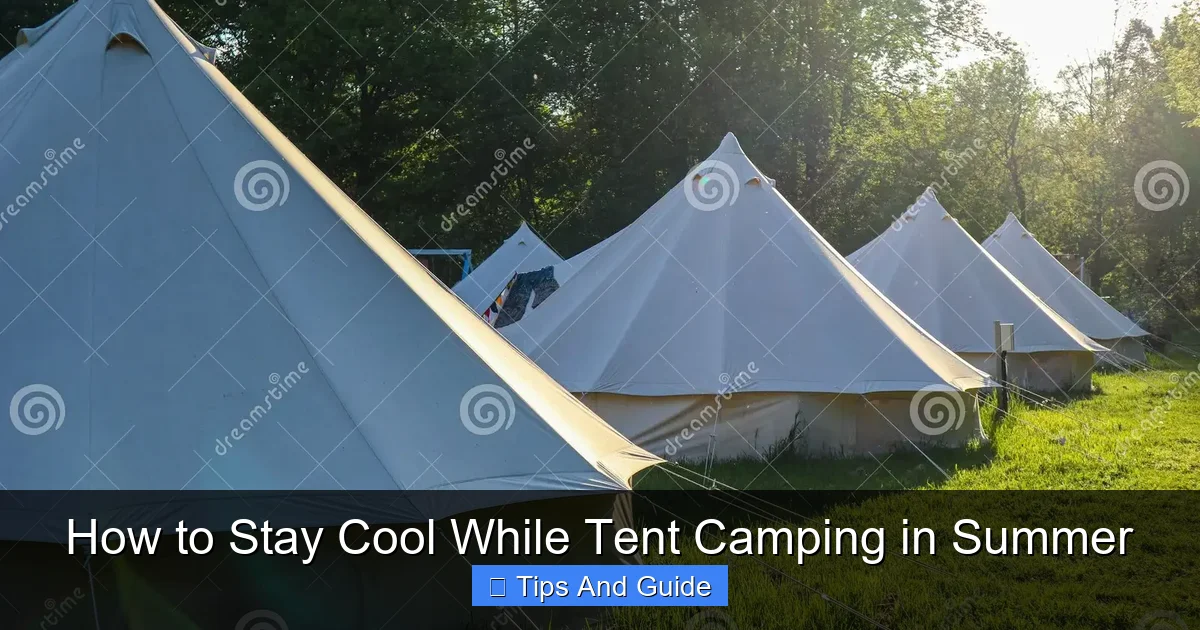
Summer tent camping doesn’t have to be a sweltering experience! This guide offers practical strategies to keep you cool and comfortable, even on the hottest days. Learn how to choose the right campsite, maximize tent ventilation, and utilize cooling gear to transform your hot-weather camping trip into a refreshing escape. Beat the heat and enjoy the outdoors with these essential tips.
How to Stay Cool While Tent Camping in Summer
Summer camping is a fantastic way to experience the great outdoors. But when the temperatures soar, your cozy tent can quickly turn into a personal sauna. Don’t let the heat ruin your adventure! This guide will walk you through everything you need to know to stay cool and comfortable while tent camping in the summer. We’ll cover everything from choosing the perfect spot to smart sleeping strategies and essential cooling gear.
Key Takeaways
- Strategic Site Selection: Prioritize shaded campsites, ideally near water sources, to significantly reduce ambient temperature around your tent.
- Ventilation is Key: Maximize airflow by opening all vents, windows, and doors, and consider using a tent with excellent cross-ventilation.
- Cooling Gear Matters: Invest in portable fans, cooling towels, and consider misting fans or personal evaporative coolers for personalized comfort.
- Smart Sleeping Solutions: Opt for breathable sleeping bags or just a liner, and choose lightweight, moisture-wicking bedding.
- Hydration and Diet: Drink plenty of water and consume cooling foods like fruits and vegetables to regulate your body temperature from the inside.
- Timing is Everything: Plan strenuous activities for cooler parts of the day (early morning or late evening) to avoid overheating.
1. Choose Your Campsite Wisely
The location of your tent is arguably the most important factor in staying cool. A poorly chosen spot can amplify the heat, while a well-selected one can provide natural relief.
Seek Shade, Always
The most direct way to combat the sun’s rays is to find shade. Look for campsites nestled under large, mature trees. Deciduous trees are ideal as they provide ample shade during the summer months and allow sunlight through in cooler seasons if you’re camping in the shoulder months. Avoid camping directly under dead branches, however, as they can be a safety hazard.
Proximity to Water
If possible, choose a campsite near a lake, river, or stream. The presence of water can create a microclimate that is slightly cooler due to evaporation. Plus, you’ll have easy access for cooling dips and replenishing your water supply.
Consider Wind Patterns
Research the prevailing wind direction for your chosen camping area. A spot that allows for good natural airflow can make a significant difference. If you’re camping in a known breezy area, position your tent to take advantage of the gusts.
Avoid Exposed Areas
Steer clear of open fields, clearings, or the crests of hills that are directly exposed to the sun for extended periods. These areas will absorb and radiate heat throughout the day and night.
2. Maximize Tent Ventilation
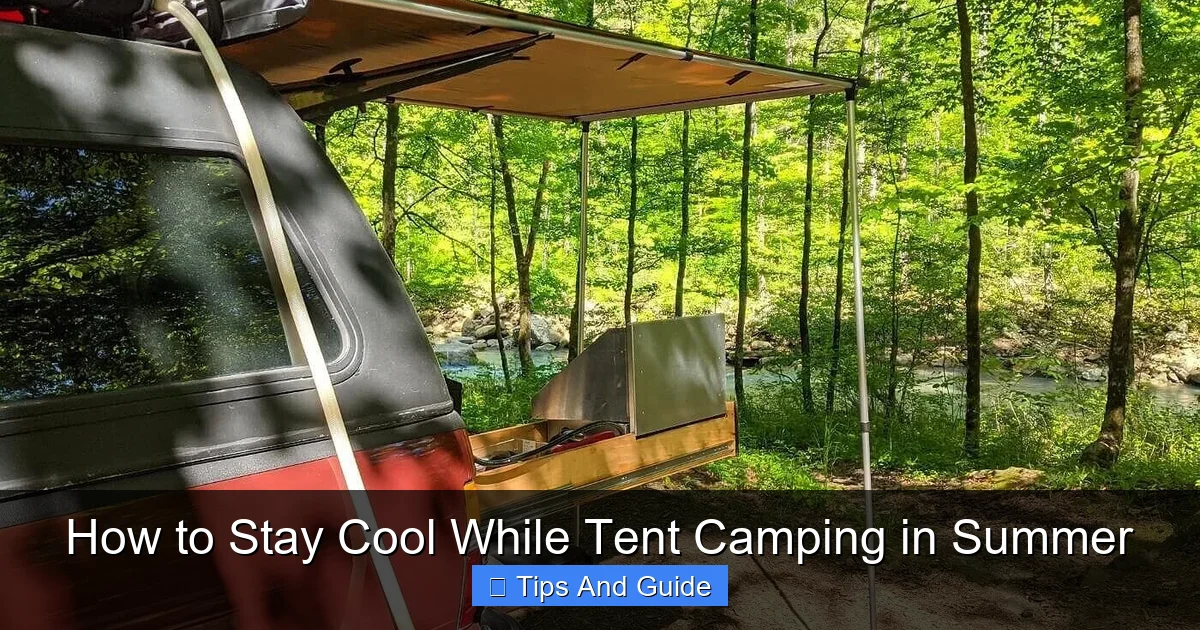
Visual guide about How to Stay Cool While Tent Camping in Summer
Image source: images.squarespace-cdn.com
Your tent’s design plays a huge role in how well it can breathe. Modern tents often come with features specifically designed to enhance airflow.
Open Everything Up
As soon as you arrive and set up camp, open every single vent, window, and door flap on your tent. Even if it seems counterintuitive on a hot day, allowing air to circulate is crucial. If your tent has a rainfly, consider adjusting it to allow more airflow underneath. Some rainflies can be partially rolled back.
Strategic Door Placement
If your tent has multiple doors, orient them to create a cross-breeze. Imagine the wind coming from one direction; having doors open on opposite sides will create a natural pathway for air to flow through your tent.
Utilize Mesh Panels
Most tents have large mesh panels on the doors and windows. These are your best friends in hot weather. Ensure they are fully open and unzipped. Mesh allows air in while keeping insects out, providing a comfortable balance.
Consider Your Tent Type
Some tents are inherently better for hot weather. Look for tents with a high mesh-to-fabric ratio. Two-door, two-vestibule designs often offer better ventilation than single-door models. Pop-up tents designed for quick setup can also be great, especially if they have ample mesh. You might want to research the best pop-up tent for camping to see models optimized for ventilation.
3. Leverage Cooling Gear
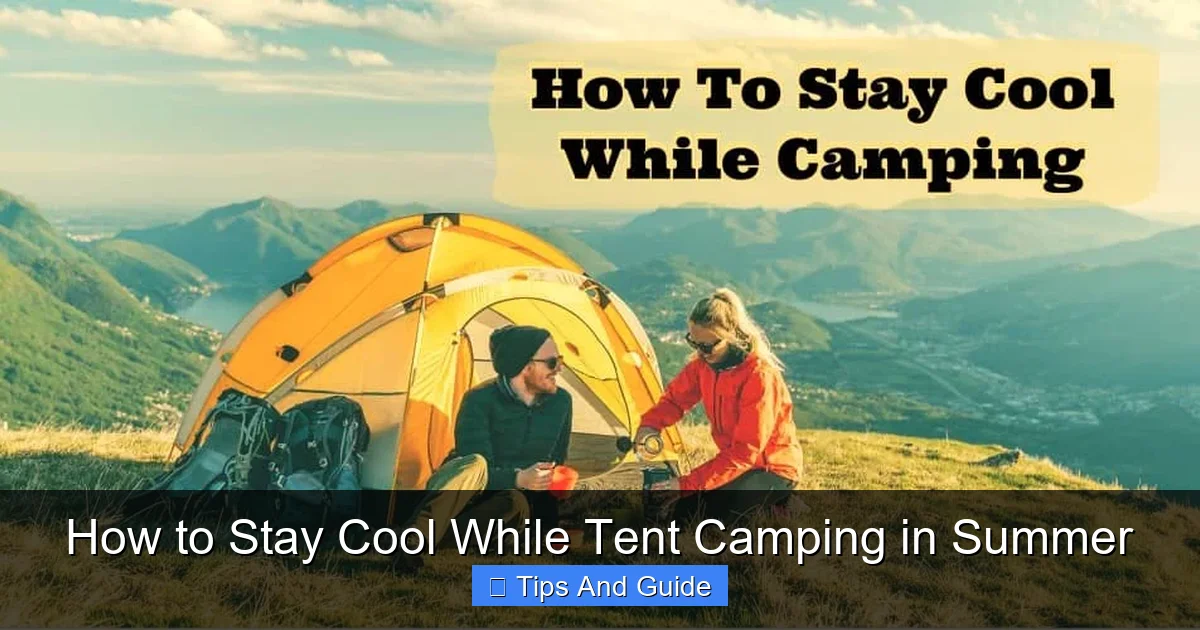
Visual guide about How to Stay Cool While Tent Camping in Summer
Image source: beingnomadic.com
Technology and smart gear can make a big difference in your comfort level.
Portable Camping Fans
A small, battery-operated fan is a game-changer for tent camping. Even a gentle breeze can significantly cool you down. Look for fans that are lightweight, have adjustable speeds, and a long battery life. Some models even attach to the tent ceiling. Check out options for the best camping fan for tent or a best camping fan for large tent if you have more space.
Cooling Towels
These specially designed towels stay cool for hours when wet. You can drape them around your neck, over your head, or wipe your skin with them. They work by evaporative cooling and are incredibly effective.
Misting Fans and Personal Coolers
For a bit more advanced cooling, consider a personal misting fan. These combine a fan with a water reservoir that mists water into the air, creating a cooling effect. Battery-powered evaporative coolers are also an option, though they are generally larger and more expensive.
Solar-Powered Fans and Lights
If you’re concerned about battery life, solar-powered fans and lights can be a sustainable solution. They charge during the day and provide cooling and illumination at night. Don’t forget to check out the best camping lights for tent and best camping light for tent for other essential gear.
4. Smart Sleeping Solutions
Visual guide about How to Stay Cool While Tent Camping in Summer
Image source: chipjourney.com
Sleeping comfortably when it’s hot can be a challenge, but with the right approach, you can ensure a restful night.
Ditch the Sleeping Bag (or Use a Liner)
Your thick winter sleeping bag is your enemy in summer. Opt for a lightweight, summer-rated sleeping bag or, even better, just use a breathable sleeping bag liner. A liner provides a bit of comfort and hygiene without trapping heat. If you’re using a sleeping pad, ensure it’s not overly insulated. Look for options from the best camping pads for tents or the best camping mats for tents that prioritize breathability.
Lightweight and Breathable Bedding
If you’re not using a sleeping bag, consider bringing a lightweight cotton sheet or a moisture-wicking blanket. These materials allow for better airflow and feel less stuffy than synthetic fabrics.
Elevate Your Sleep Setup
Sleeping directly on the ground can trap heat. Consider using a cot or an elevated sleeping pad. This allows air to circulate underneath you. A good camping cot with tent setup can make a world of difference.
Cooling Pillow
A regular pillow can feel like a hot brick. Look for camping pillows made with cooling gel technology or breathable materials.
5. Hydration and Diet
What you consume directly impacts your body’s ability to regulate temperature.
Stay Hydrated, Always
Drink more water than you think you need. Carry plenty of water or a reliable water filter. Dehydration can make you feel hotter and more sluggish. Avoid excessive caffeine and alcohol, as they can contribute to dehydration.
Eat Cooling Foods
Focus on fruits and vegetables that have high water content, such as watermelon, cucumbers, oranges, and berries. These foods not only hydrate you but also require less energy for your body to digest, meaning less internal heat generation.
Avoid Heavy, Hot Meals
Big, greasy meals can make your body work harder to digest them, thus generating more heat. Opt for lighter meals, salads, and grilled foods that require less cooking time and energy.
6. Timing is Everything
Planning your activities around the hottest parts of the day is a simple yet effective strategy.
Embrace the Early Morning and Late Evening
Plan your more strenuous activities like hiking or setting up camp for the cooler parts of the day – early morning or late evening. Spend the hottest hours of the afternoon relaxing in the shade, reading, or napping.
Cool Down Activities
If you’re near water, take advantage of it! Swimming, wading, or even just splashing your face and arms can provide instant relief.
7. Clothing Choices
What you wear directly affects your comfort.
Lightweight, Breathable Fabrics
Opt for light-colored, loose-fitting clothing made from breathable materials like cotton, linen, or moisture-wicking synthetics. These fabrics allow air to circulate and help sweat evaporate.
Sun Protection
Don’t forget a wide-brimmed hat and sunglasses to protect yourself from the sun’s direct rays, which can quickly increase your body temperature.
Troubleshooting: What If It’s Still Too Hot?
Even with the best preparation, summer heat can be relentless. Here are a few more things to consider:
* Damp Towel Trick: Wet a towel, wring it out, and place it in front of your fan. The evaporating water will cool the air.
* Frozen Water Bottles: Freeze a few water bottles before you leave. You can use them as makeshift ice packs in your tent or to cool your drinking water.
* Consider a Tarp for Extra Shade: Rigging a tarp above your tent can create an extra layer of shade, blocking direct sunlight and creating an air gap for ventilation.
* Explore Different Camping Locations: If extreme heat is a consistent problem in your usual spots, consider camping at higher elevations or in more northerly latitudes during the summer. For example, if you are in California, you might want to research best California tent camping or specific regions like best camping in Southern California tents that might offer cooler alternatives.
Conclusion
Tent camping in the summer doesn’t have to be an uncomfortable, sweat-drenched ordeal. By being strategic about your campsite, maximizing your tent’s ventilation, utilizing smart cooling gear, and adjusting your routine, you can significantly improve your comfort. Remember to prioritize hydration and listen to your body. With a little planning and the right approach, you can enjoy all the joys of summer camping without succumbing to the heat. Happy (and cool) camping!
