
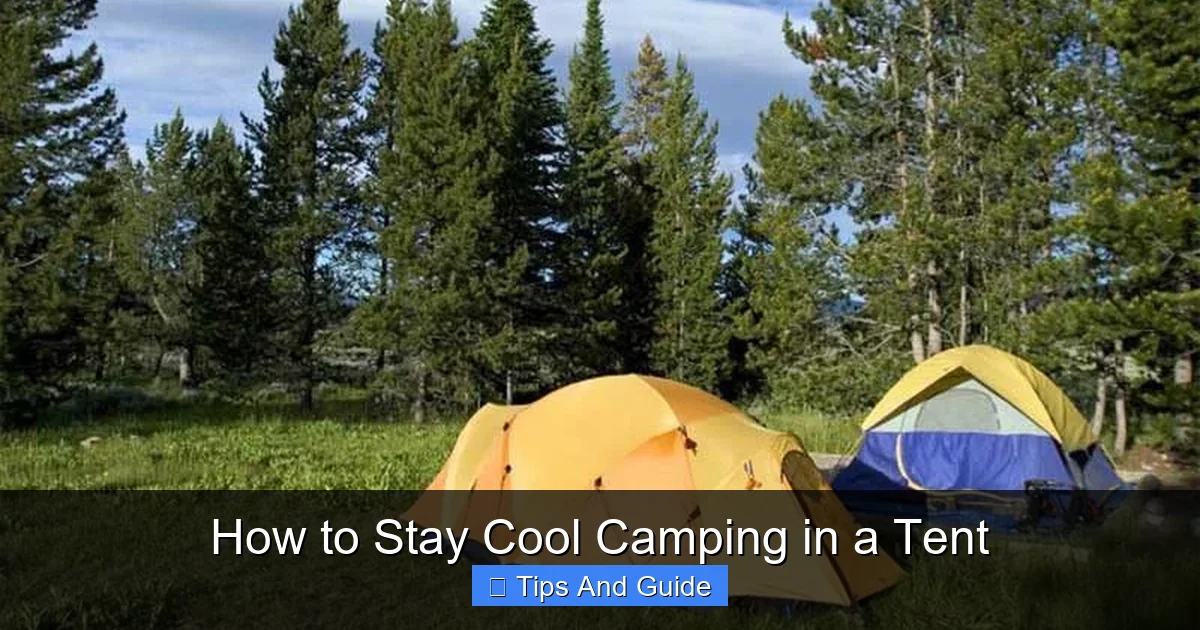
Don’t let the heat ruin your camping trip! This guide offers practical strategies to keep your tent cool and enjoyable. Learn about strategic site selection, maximizing ventilation, staying hydrated, and using cooling gear. By following these tips, you can ensure a comfortable and refreshing camping experience.
Camping is an incredible way to connect with nature, but when the mercury rises, keeping your tent cool can feel like a challenge. The thought of a stuffy, sweltering tent can make even the most enthusiastic camper hesitate. But fear not! With the right preparation and techniques, you can transform your tent into a comfortable, cool sanctuary, even on the hottest summer days.
This comprehensive guide will walk you through everything you need to know to stay cool camping in a tent. We’ll cover everything from choosing the perfect campsite to smart gear choices and clever cooling strategies. Get ready to embrace the outdoors without the discomfort of excessive heat!
- Choose Your Campsite Wisely: Opt for shady spots, ideally with natural windbreaks, to significantly reduce direct sun exposure on your tent.
- Maximize Tent Ventilation: Utilize all mesh panels, vents, and doors to create cross-breezes and allow hot air to escape.
- Strategic Sun Protection: Employ tarps, canopies, or natural shade to shield your tent from the sun’s direct rays during the hottest parts of the day.
- Stay Hydrated and Eat Smart: Drink plenty of water and consume cooling foods. Avoid heavy, hot meals that can raise your body temperature.
- Utilize Cooling Gear: Invest in battery-powered fans, cooling towels, and consider lighter-colored tent materials for better heat reflection.
- Prepare for Nighttime Cooling: Open vents and doors overnight to allow cooler air to circulate, and sleep on breathable bedding.
📑 Table of Contents
Choosing the Right Campsite: Your First Line of Defense
The location of your tent is the most crucial factor in determining how cool it will be inside. A little foresight at the campsite selection stage can make a world of difference.
Seek Natural Shade
This is your golden ticket to a cooler tent.
Morning vs. Afternoon Sun
Consider the sun’s path throughout the day. A spot that gets morning shade but is exposed to harsh afternoon sun might still get very hot. Ideally, find a location that offers shade during the hottest part of the day, typically from late morning through late afternoon. Look for mature trees that provide dense canopy cover.
Types of Shade
Deciduous trees are great as they offer shade in summer and allow sun in winter. Evergreens provide year-round shade, which can be beneficial if you’re camping in warmer shoulder seasons. However, be mindful of falling pine needles or sap.
Avoid Flat, Open Areas
These spots often lack shade and can become heat traps. They also tend to be windier, which might seem good, but direct sun on a windy, open spot can still be intense.
Consider Water Features
Proximity to lakes, rivers, or streams can offer a slight cooling effect due to evaporation. The air near water is often a few degrees cooler. However, be aware of potential increased humidity and insect activity.
Wind Direction and Flow
Look for a campsite that allows for good airflow. Positioning your tent to take advantage of prevailing breezes can significantly help in circulating air. Avoid spots directly behind large, solid objects that block wind.
Maximizing Tent Ventilation: Let the Air Flow
Visual guide about How to Stay Cool Camping in a Tent
Image source: i.pinimg.com
Once your tent is pitched, its design and how you use its features are key to keeping the air moving. Modern tents often have excellent ventilation systems, but you need to know how to use them.
Open All Mesh Panels and Vents
Most tents have large mesh windows and ceiling panels. Ensure these are fully unzipped and open. Many tents also have additional vents near the top and bottom. Open these to create a chimney effect, allowing hot air to rise and escape from the top while cooler air is drawn in from the bottom.
Strategic Door Placement
If your tent has multiple doors, open them strategically to create cross-ventilation. Position doors to face prevailing winds or open them on opposite sides of the tent to encourage airflow right through the interior space.
Use the Rainfly Wisely
Your rainfly is essential for protection, but it can also impede airflow if not used correctly.
Elevate the Rainfly
If conditions allow (no rain expected), you can sometimes slightly elevate the edges of your rainfly away from the tent body using stakes or small rocks. This creates a gap for air to circulate between the tent and the fly. Many tents are designed with poles that naturally create this space.
Remove the Rainfly (If Safe)
On perfectly clear, dry nights with no chance of dew or rain, you can consider removing the rainfly entirely. This will expose all the mesh and maximize airflow. Always check the weather forecast before doing this!
Strategic Sun Protection: Block the Rays
Visual guide about How to Stay Cool Camping in a Tent
Image source: i.pinimg.com
Even with shade, direct sunlight can heat up your tent fabric. Adding an extra layer of protection is a smart move.
Use a Tarp or Canopy
Drape a tarp or set up a separate camping canopy over your tent. This creates an air gap between the tarp and the tent fabric, significantly reducing the amount of heat that transfers into your tent.
Light-Colored Materials
Choose light-colored tarps and canopies. Dark colors absorb more sunlight and heat, defeating the purpose.
Proper Tensioning
Ensure the tarp is taut and angled to allow water to run off if it does rain, and to create the largest possible shaded area. Secure it well to prevent it from blowing away in the wind.
Reflective Blankets
Emergency Mylar blankets can be surprisingly effective when draped over the *outside* of your tent. They reflect solar radiation. Be careful not to trap too much heat with them; ensure there’s still some airflow.
Staying Cool Inside Your Tent
Visual guide about How to Stay Cool Camping in a Tent
Image source: beyondthetent.com
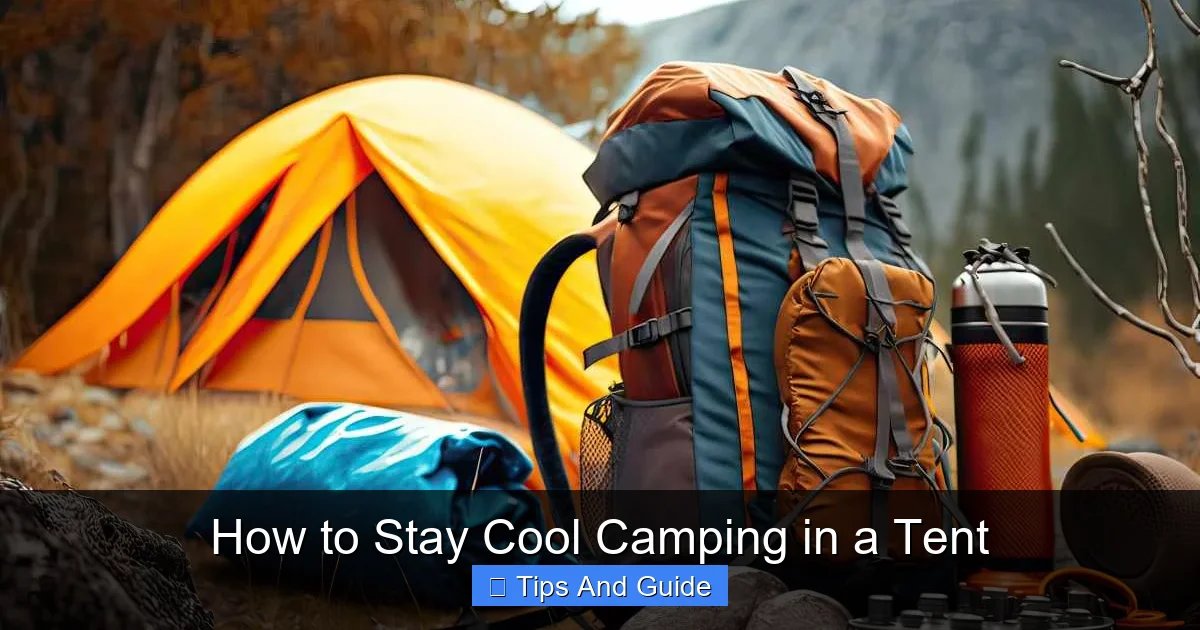
Your personal actions and choices inside the tent also play a big role in managing heat.
Hydration is Key
This is paramount for personal comfort and preventing heat-related illnesses.
Drink Plenty of Water
Sip water consistently throughout the day, even if you don’t feel thirsty. Electrolyte drinks can also be beneficial.
Cool Your Drinks
Bring a good cooler and plenty of ice. Freeze some water bottles to use as ice packs in your cooler, and then drink the water as they melt.
Eat Light and Cool
Avoid heavy, hot meals that take a lot of energy to digest and generate internal body heat.
Opt for Salads and Fruits
Fresh fruits and vegetables are hydrating and require minimal preparation. Pack items like watermelon, cucumber, and berries.
Pre-cooked Meals
Consider pre-making meals at home that can be eaten cold or with minimal heating, like pasta salads or wraps.
Minimize Activity During Peak Heat
Plan strenuous activities for the cooler parts of the day, like early morning or late evening. Spend the hottest hours of the day relaxing in the shade.
Essential Cooling Gear
The right equipment can make a significant difference in your comfort level.
Battery-Powered Fans
A small, portable battery-powered fan is a game-changer. Place it strategically to create a breeze within your tent. Some fans are designed to clip onto tent poles. If you have a larger tent, consider a larger or multiple fans. Check out our guide to the best camping fan for tent for more options. For larger tents, you might need a best camping fan for large tent.
Cooling Towels and Sprays
These specially designed towels, when wet, provide a cooling sensation. You can also use a spray bottle filled with water to mist yourself or the air inside your tent.
Sleeping Arrangements
Your sleeping setup can trap heat.
Breathable Bedding
Opt for cotton or bamboo sheets rather than synthetic materials, which can trap heat. Consider a lightweight sleeping bag or just a sheet liner if temperatures are very warm. A good camping mat for tent or camping pads for tents can also help keep you cooler if they are made of breathable materials. Avoid thick, insulated sleeping pads. A camping mattress for tent made of breathable foam or with airflow channels is ideal.
Elevated Sleeping
Sleeping on a cot can allow air to circulate underneath you, which is cooler than sleeping directly on the ground. Look into the best camping bed for tent or best camping cot tent options.
Light-Colored Tent
If you’re in the market for a new tent, consider a lighter-colored model. White, beige, or light grey tents reflect more sunlight than dark ones, helping to keep the interior cooler.
Nighttime Cooling Strategies
Evenings can bring relief, but you need to leverage them.
Maximize Airflow Overnight
As soon as the ambient temperature starts to drop, open all your tent doors and windows as wide as possible to let the cool night air in. This is crucial for cooling down the tent’s interior and your bedding before you try to sleep.
Pre-cool Your Sleeping Bag
If you’ve been using your sleeping bag during the day, it might be warm. Air it out before bedtime. You can also place a slightly damp (not wet) sheet inside it for an extra cooling effect.
Troubleshooting Hot Tent Issues
What if you’ve tried everything, and it’s still too hot?
Tent Placement Too Late
If you arrive at a busy campsite late and can only find a sunny spot, your options are limited. In this case, focus heavily on external shade (tarp, canopy) and ventilation. You might need to retreat to a shaded area outside the tent during the hottest hours.
Humidity Problems
High humidity makes it feel hotter because sweat doesn’t evaporate as easily. In humid conditions, focus on air movement. A fan becomes essential. You might also consider a small, battery-operated dehumidifier if you’re car camping and power is available, though this is a less common camping solution.
Lack of Breeze
If there’s absolutely no wind, natural ventilation is severely limited. Your battery-powered fan is your best friend here. You can also try the “ice bottle” trick: freeze water bottles and place them in front of your fan to blow cooler air into the tent.
Conclusion: Enjoy Your Cool Campsite
Camping in hot weather doesn’t have to be an uncomfortable ordeal. By applying these strategies – from smart campsite selection and maximizing ventilation to employing effective sun protection and utilizing the right gear – you can ensure your tent remains a cool and welcoming retreat.
Remember that preparation is key. Plan your campsite visits, pack accordingly, and be ready to adapt your strategy based on the specific conditions. With these tips in your arsenal, you’re well-equipped to stay cool and make the most of your summer camping adventures. Happy (and cool) camping!
