
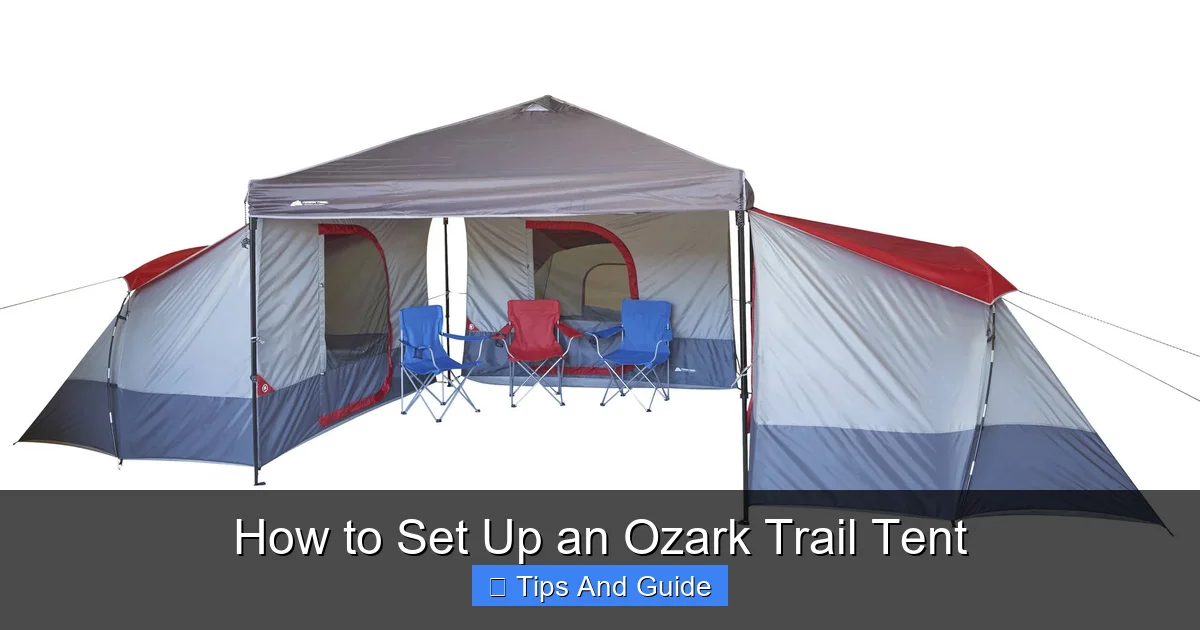
Setting up an Ozark Trail tent is straightforward with this comprehensive guide. We cover everything from unboxing to final adjustments, ensuring a secure and comfortable camping experience. Follow our step-by-step instructions to successfully pitch your tent and enjoy your outdoor adventures.
Camping is a fantastic way to connect with nature, unwind, and create lasting memories. At the heart of any successful camping trip is a reliable tent, and Ozark Trail offers a wide range of options for every camper. But how do you actually set one up? If you’ve ever found yourself staring at a pile of fabric and poles, feeling a little overwhelmed, don’t worry! This comprehensive guide is here to walk you through the process, step by step. We’ll cover everything you need to know to set up your Ozark Trail tent quickly and efficiently, so you can spend more time enjoying the great outdoors.
Whether you’re a seasoned camper or embarking on your first adventure, understanding the basics of tent setup is crucial. An Ozark Trail tent, known for its affordability and accessibility, is a popular choice for many. They are designed to be user-friendly, but a little preparation and knowledge can make the process even smoother. This guide will equip you with the confidence to pitch your tent with ease, ensuring a comfortable and secure shelter throughout your trip.
### Preparing for Setup
Before you even begin unfolding your tent, a little preparation goes a long way. This initial phase ensures you have everything you need and sets you up for a smooth setup process.
Unpack and Inspect All Components
The very first step is to take everything out of the tent bag. Lay out all the pieces so you can see them clearly. This includes:
- The tent body (the main sleeping area)
- The rainfly (the waterproof outer layer)
- Tent poles (usually made of fiberglass or aluminum)
- Stakes (for securing the tent to the ground)
- Guy lines (ropes for added stability)
- Any additional accessories like a footprint or gear loft
Take a moment to inspect each item. Look for any tears, holes, or damaged poles. Ensure all poles are connected and that the elastic cords within them are intact. Checking the stakes is also important; make sure they aren’t bent. If you find any issues, it’s best to address them before you’re miles away from civilization.
Read the Instructions (Yes, Really!)
While this guide is thorough, your specific Ozark Trail tent model might have unique features or slight variations in setup. Always glance at the instructions that came with your tent. They are usually printed on a small tag inside the tent bag or on a separate sheet. They can offer model-specific tips that are incredibly helpful.
Gather Your Tools
While most Ozark Trail tents are designed for simple setup, having a few extra items can be beneficial:
- A rubber mallet or a sturdy stick for hammering in stakes.
- A small tarp or footprint to place under your tent. This protects the tent floor from abrasion and moisture.
- Gloves, especially if your hands are prone to blisters.
### Choosing the Perfect Campsite
Where you set up your tent can significantly impact your comfort and safety. A well-chosen spot makes a world of difference.
Select a Flat and Level Surface
The most important factor is a flat, level ground. Sleeping on an incline is uncomfortable and can lead to you sliding down in your sleeping bag. Avoid areas with rocks, roots, or pinecones that could poke through the tent floor or make sleeping unpleasant.
Consider Drainage
If there’s a chance of rain, think about drainage. Avoid setting up your tent in a low-lying area that could become a puddle. Look for slightly elevated ground or areas that naturally slope away from your tent. This is where understanding the terrain is key. If you’re looking for the best pop up tent for rain, checking reviews like those for the best pop up tent waterproof can help you choose a model with excellent water resistance.
Proximity to Amenities and Hazards
Think about your proximity to water sources (rivers, lakes) and restrooms. While being close can be convenient, camping too close to water can mean dealing with insects and potential flooding. Also, steer clear of dead trees or branches that could fall (“widowmakers”). It’s a good idea to have your tent somewhat sheltered from direct wind if possible, but avoid being directly under large, potentially unstable trees.
Wind Protection
If you anticipate strong winds, look for natural windbreaks like a cluster of trees or a large rock formation. However, ensure these are stable and not a hazard themselves. Properly staking your tent and using guy lines is crucial for wind resistance. For more on this, consider reading about the best pop up tent for wind.
The Step-by-Step Setup Process
Now, let’s get to the actual pitching of your Ozark Trail tent. Remember, practice makes perfect, so don’t be discouraged if your first attempt takes a little longer.
Step 1: Lay Out the Tent Body
Start by unrolling the tent body and laying it flat on your chosen campsite. Orient the door(s) in the direction you want them to face. Make sure the floor is spread out evenly and free of wrinkles. If you’re using a footprint or tarp, place it under the tent floor now.
Step 2: Assemble the Tent Poles
Ozark Trail tents often use shock-corded poles. This means the poles are segmented and connected by an elastic cord running through them.
H3: Connecting the Pole Segments
- Take each pole set and find the end of one segment.
- Simply push the next segment into it. The poles should slide together smoothly.
- Continue until the entire pole is assembled. You’ll feel the elastic cord provide tension, keeping the segments aligned.
Pay attention to any color-coding on the poles and corresponding grommets or sleeves on the tent. This is a common system to help you match the right pole to the right part of the tent.
Step 3: Insert Poles into the Tent
This is where the tent starts to take shape. There are usually two main methods for attaching poles to the tent: grommets or sleeves.
H3: Using Grommets
- Locate the metal grommets (small rings) usually found at the corners or edges of the tent floor.
- Take the end of an assembled pole and insert it into the corresponding grommet. You might need to bend the pole slightly to get it in.
H3: Using Sleeves
- Locate the fabric channels (sleeves) sewn onto the tent body.
- Carefully thread the assembled poles through these sleeves. Be gentle to avoid snagging the fabric.
- Some tents might have clips instead of sleeves, which attach to the poles after the poles are in place.
Ensure the poles are fully seated in their respective grommets or passed through the sleeves. If your tent has multiple pole sets, you’ll typically use them to create the main frame of the tent. For larger tents, you might have two main cross poles and a ridge pole.
Step 4: Raise the Tent Structure
Once the poles are partially or fully inserted, you’ll need to lift the tent.
H3: Lifting and Securing the Poles
- Gently lift the tent structure by pulling upwards on the poles. The poles will bend and create the tent’s shape.
- As you lift, the tent will begin to stand up. You’ll likely need to insert the ends of the poles into opposing grommets or secure them with clips.
- Work your way around the tent, ensuring all poles are properly attached and providing tension to the fabric.
For many Ozark Trail tents, this involves inserting the ends of the bent poles into corner grommets. The tension from the poles will hold the tent upright. It’s a good idea to have a second person help with this step, especially for larger tents, to prevent the poles from springing out.
Step 5: Attach the Rainfly
The rainfly is your primary defense against rain and dew. It’s designed to cover the tent body without touching it, allowing for ventilation.
H3: Positioning the Rainfly
- Unfold the rainfly and identify its front and back. There might be labels or specific features (like door openings) to help you orient it correctly.
- Drape the rainfly over the erected tent. Ensure the colored pole sleeves or attachment points on the rainfly align with the corresponding poles or tent corners.
H3: Securing the Rainfly
- Most rainflies attach to the tent poles or the tent body at the corners. Look for buckles, Velcro straps, or clips.
- Secure the rainfly to the tent frame. Make sure it’s taut and evenly distributed.
- If your rainfly has additional attachment points (like at the top or sides), secure those as well.
Step 6: Stake Down the Tent and Rainfly
This is a critical step for stability and to ensure the tent remains secure, especially in windy conditions.
H3: Driving the Stakes
- Locate the stake loops or tabs around the base of the tent and on the edges of the rainfly.
- Insert a stake into each loop and drive it firmly into the ground.
H3: Angling the Stakes
- For maximum holding power, drive the stakes into the ground at a 45-degree angle, pointing away from the tent.
- Use your mallet or a sturdy stick to hammer them in. If the ground is hard, you might need to wiggle the stake a bit or dig a small starting hole.
Step 7: Tension the Guy Lines
Guy lines are ropes that attach to the tent or rainfly and then to stakes further out from the tent. They provide extra support against wind and help keep the rainfly taut, preventing water from pooling.
H3: Attaching and Adjusting Guy Lines
- Find the loops on the rainfly or tent where the guy lines attach.
- Tie one end of the guy line securely to these loops.
- Extend the guy line outwards and stake it to the ground, at an angle, similar to how you staked the tent.
- Adjust the tension on the guy lines using the built-in tensioners or by re-tying them. They should be snug but not so tight that they deform the tent.
Final Checks and Tips
You’re almost there! A few final touches will ensure your Ozark Trail tent is ready for occupancy.
Inspect the Tent
Walk around the tent and check all connections. Ensure poles are securely in place, stakes are firmly in the ground, and the rainfly is properly attached and taut. Look for any areas where wind might catch the fabric or where water could potentially enter.
Ventilation
Most modern tents, including Ozark Trail models, have built-in ventilation features like mesh windows and vents. Open these up to allow for airflow, which helps reduce condensation inside the tent. Proper ventilation is key for a comfortable night’s sleep. If you’re camping in cooler weather, you might consider the best pop up tent heater to keep the interior warm, but always prioritize ventilation when using any heating device.
Open the Doors and Windows
Unzip the doors and windows to allow fresh air to circulate. Ensure the zippers move smoothly. If they feel sticky, a bit of silicone spray can help.
Gear Organization Inside
Once the tent is set up, organize your gear inside. Place sleeping bags and pads in their intended spots. Use gear lofts or pockets if your tent has them to keep smaller items tidy and off the floor.
### Troubleshooting Common Issues
Even with the best intentions, you might encounter a hiccup during setup. Here are a few common problems and how to solve them.
Tent Poles Won’t Go In/Stay In
* Issue: Poles are difficult to insert into grommets or sleeves, or they pop out.
* Solution: Ensure you have the correct pole for the correct location (check color-coding). Make sure the poles are fully assembled. If inserting into a grommet, try bending the pole slightly before pushing. If poles keep popping out of grommets, the grommets might be stretched. For sleeves, ensure no fabric is bunching up that might be obstructing the pole.
Rainfly Doesn’t Fit Correctly
* Issue: The rainfly seems too tight, too loose, or misaligned.
* Solution: Double-check that you have the rainfly oriented correctly (front vs. back). Ensure it’s attached to the correct corners or poles. Adjust the buckles or straps to achieve the proper tension. Sometimes, re-staking the main tent can slightly alter its shape, requiring readjustment of the rainfly.
Stakes Won’t Go Into the Ground
* Issue: The ground is too hard or rocky for stakes.
* Solution: Try finding a slightly softer spot nearby. Use a rock to gently tap the stake in. If you have a digging tool, make a small pilot hole. Consider bringing different types of stakes if you frequently camp in tough terrain. For very soft ground, “snow” or “sand” stakes are more effective.
Condensation Inside the Tent
* Issue: The inside of the tent feels damp, even if it hasn’t rained.
* Solution: This is usually due to condensation. Ensure adequate ventilation by opening windows and vents. Avoid breathing directly onto tent walls if possible. Ensure the rainfly is not touching the inner tent body, as this reduces airflow.
### Packing Up Your Ozark Trail Tent
When it’s time to leave, packing up is the reverse of setup, but with a few key differences.
1. Clear the Tent: Remove all gear, sleeping bags, and pads.
2. Remove Stakes and Poles: Gently pull out stakes and disassemble the poles.
3. Take Down the Rainfly: Detach and fold the rainfly.
4. Dismantle the Tent: Collapse the tent by removing poles from sleeves or grommets.
5. Dry the Tent: This is CRUCIAL. Before packing, ensure your tent is completely dry. If you can’t dry it at the campsite, hang it up to dry as soon as you get home. A damp tent can lead to mildew and damage.
6. Fold and Roll: Fold the tent body, making sure to get out as much air as possible. Roll it up tightly.
7. Pack Systematically: Place the rolled tent, poles, and stakes back into the carry bag. Try to pack them in a way that they fit neatly, making future setups easier.
### Conclusion
Setting up an Ozark Trail tent is an achievable task for anyone with a little patience and this guide. By following these steps – preparing your gear, choosing a suitable location, assembling the poles, raising the tent, attaching the rainfly, and staking it down securely – you’ll be able to create a comfortable and protected shelter for your camping adventures. Remember to practice at home if it’s your first time, and don’t be afraid to ask a friend for help. With a properly set-up Ozark Trail tent, you’re well on your way to enjoying the great outdoors. Happy camping!
Key Takeaways
- Gather Everything First: Before starting, ensure you have all tent components, poles, stakes, and the rainfly laid out and accounted for.
- Choose the Right Spot: Select a flat, clear area away from potential hazards like dead trees or water sources to ensure a stable and safe campsite.
- Layout and Connect Poles: Unpack the tent body and lay it flat. Connect the tent poles according to their color-coding or numbering, ensuring they are fully seated.
- Raise the Tent: Insert the poles into the tent’s grommets or sleeves and lift the tent structure. This is often the most satisfying part of the setup.
- Attach the Rainfly: Drape the rainfly over the tent, aligning it correctly. Secure it to the tent poles and the main tent body using the provided clips or ties.
- Stake It Down Securely: Use the stakes to anchor the tent and rainfly to the ground. Angling the stakes will improve their holding power.
- Final Touches and Inspection: Check all connections, tension the guy lines, and inspect for any loose parts or potential issues before settling in.
