
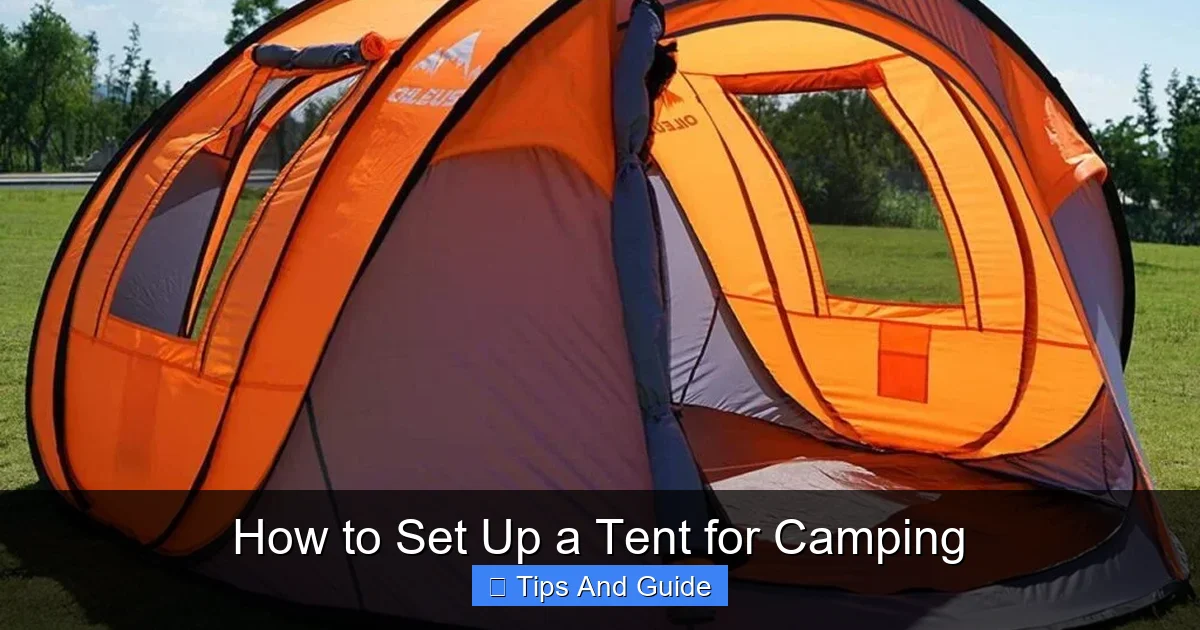
Setting up a tent for camping doesn’t have to be daunting. This guide offers clear, step-by-step instructions, from choosing the right spot to securing your shelter. Learn essential tips for a quick and efficient setup, ensuring you spend more time enjoying nature and less time struggling with poles. Follow these tips for a comfortable and secure camping experience.
# How to Set Up a Tent for Camping
Camping is an incredible way to disconnect from the everyday hustle and reconnect with nature. One of the most fundamental skills for any camper is knowing how to set up a tent. A properly pitched tent not only provides shelter from the elements but also serves as your cozy home away from home. This comprehensive guide will walk you through every step, ensuring you can confidently set up your tent for a comfortable and enjoyable camping trip.
We’ll cover everything from selecting the perfect spot to securing your tent against wind and rain. Whether you’re a seasoned camper or embarking on your very first outdoor adventure, mastering tent setup is key. Let’s get started!
## 1. Choose Your Campsite Wisely
The foundation of a great camping trip begins with choosing the right spot for your tent. A good campsite can make a world of difference in your comfort and safety.
### 1.1. Look for Flat and Level Ground
The most important factor is finding a flat surface. Sleeping on a slope can be uncomfortable, and you might find yourself rolling downhill all night. Avoid areas with significant bumps, rocks, or roots that could poke through your tent floor.
### 1.2. Consider Drainage
Opt for a spot that is well-drained. During a rain shower, water can pool in low-lying areas. Choose slightly elevated ground if possible to keep your tent dry.
### 1.3. Seek Natural Shelter
Trees can offer shade on hot days and some protection from wind. However, be cautious. Avoid camping directly under dead trees or large, overhanging branches, as these can be dangerous if they fall. This is often called “widowmaker” territory.
### 1.4. Be Aware of Your Surroundings
Check for ant hills, poison ivy, or other irritating plants. Also, consider the proximity to water sources and trails. You want to be close enough to convenience but far enough to avoid excessive foot traffic or potential wildlife encounters.
### 1.5. Test Your Tent Size
Before you even start pitching, make sure your chosen spot is large enough for your tent and a little extra space around it for ventilation and access.
## 2. Prepare Your Tent and Gear
Before you unfold your tent, take a moment to organize your gear. This makes the setup process much smoother.
### 2.1. Unpack Everything
Lay out all the components of your tent: the tent body, the rainfly, the poles, and the stakes. Most modern tents come with a carrying bag for all these parts.
### 2.2. Check for Damage
Inspect your tent for any rips, tears, or broken poles. It’s better to discover these issues at home rather than when you’re miles from civilization.
### 2.3. Read the Instructions
While many tents are intuitive, always refer to the manufacturer’s instructions. Different tent designs have unique setup methods. If you have a specialized tent, like a pop-up tent for motorcycle camping, it might have specific steps to follow.
## 3. Lay Out the Footprint or Ground Tarp
Most tents come with a separate ground cloth, often called a footprint or a ground tarp. This is a crucial piece of gear.
### 3.1. Purpose of the Footprint
The footprint protects the floor of your tent from abrasion, punctures, and moisture. It essentially adds an extra layer of defense against the elements and rough ground.
### 3.2. Placement
Lay the footprint flat on your chosen campsite, ensuring it’s spread out completely. The smoother side should generally face up. Make sure it doesn’t extend much beyond the perimeter of your tent. If it does, the edges could collect rainwater and channel it directly under your tent.
## 4. Assemble the Tent Poles
Tent poles are the backbone of your shelter, providing structure and support.
### 4.1. Connect the Sections
Tent poles are typically made of shock-corded sections. Find the end of one pole and begin to connect the sections. They usually fit together with a push or a slight twist. The shock cord running through them will help guide them into place.
### 4.2. Ensure Full Insertion
Make sure each section is fully inserted into the next. This creates a strong, rigid pole. Avoid forcing them, but ensure a snug fit.
### 4.3. Handle with Care
Be mindful not to let the assembled poles spring back forcefully, as this can bend or break them.
## 5. Pitch the Tent Body
This is where your tent starts to take shape.
### 5.1. Drape the Tent Over the Poles
Carefully drape the tent body over the assembled poles. Orient the tent so the doors and windows are facing the direction you prefer.
### 5.2. Insert Poles into Sleeves or Clips
Most tents have sleeves that the poles slide through, or clips that attach to the poles. Work your way around the tent, feeding the poles into their designated pathways or securing the clips.
### 5.3. Secure the Corners
Once the poles are in place, you’ll need to secure the tent’s corners. Look for grommets, pockets, or loops at each corner of the tent floor. Insert the ends of the poles into these points. This will start to pull the tent taut and give it its shape.
### 5.4. Types of Pole Attachments
* Sleeves: Fabric tubes sewn into the tent that poles slide through. These offer great wind resistance but can be slower to set up.
* Clips: Plastic clips that attach to the poles. These are quicker to set up and often provide better ventilation.
* Combination: Some tents use a mix of sleeves and clips for optimal performance.
## 6. Attach the Rainfly
The rainfly is your tent’s primary defense against rain and sun.
### 6.1. Orient the Rainfly
Identify the front and back of the rainfly. It’s designed to align with the doors of your tent. Look for matching colors, logos, or zipper placements.
### 6.2. Drape Over the Tent
Drape the rainfly over the tent body. Make sure the doors of the rainfly align with the doors of your tent.
### 6.3. Secure the Rainfly
Most rainflies attach to the tent poles or tent body using buckles, straps, or Velcro. Fasten these securely. Ensure the rainfly is taut and not sagging. This is crucial for proper water runoff.
### 6.4. Ventilate Properly
Rainflies often have vents. Ensure these are open or can be opened to allow for air circulation. This helps prevent condensation inside your tent. If you are looking for a tent with excellent ventilation, consider looking at the best pop up screen tent for camping.
## 7. Stake Down Your Tent
Staking is vital for stability, especially in windy conditions. Don’t skip this step!
### 7.1. Locate Stake Points
Your tent and rainfly will have numerous loops and grommets for stakes.
### 7.2. Insert Stakes
Drive the stakes into the ground at roughly a 45-degree angle, pointing away from the tent. This provides the best holding power. Use a rock or a rubber mallet to hammer them in if the ground is hard.
### 7.3. Stake the Tent Body First
Begin by staking out the corners of the tent body.
### 7.4. Stake the Rainfly
Next, stake out the guy lines and the edges of the rainfly. These are the additional cords and loops designed to pull the rainfly taut and away from the tent body, creating an air gap for insulation and preventing water from touching the tent walls.
### 7.5. Tension the Guy Lines
Tighten the guy lines to ensure the rainfly is snug and won’t flap in the wind. This is especially important if you’re camping in an area prone to strong winds, so checking out a best pop up tent for wind might be a good idea.
## 8. Final Checks and Setup
You’re almost there! A few final touches will make your tent truly comfortable.
### 8.1. Check for Gaps
Walk around your tent and ensure there are no gaps where bugs or rain could enter. Adjust stakes and guy lines as needed.
### 8.2. Inflate Sleeping Pads or Air Mattresses
Now is the time to set up your sleeping area. Inflate your sleeping pads or air mattress. A comfortable sleeping setup is key to a good night’s sleep, so consider investing in a best camping mattress for tent or a best camping mat for tent.
### 8.3. Organize Inside
Place your sleeping bags, pillows, and other essentials inside. Set up your best camping lights for tent or best camping light for tent for easy nighttime navigation.
### 8.4. Secure Valuables
If you have valuables, consider keeping them in a less visible spot or using a small lockable bag.
## Troubleshooting Common Tent Setup Issues
Even with practice, you might encounter a few hiccups. Here are some common problems and how to solve them.
### 1. Difficulty Inserting Poles
* Problem: Poles won’t easily slide into sleeves or attach to clips.
* Solution: Ensure the pole sections are fully connected. Sometimes, a slight twist can help them seat properly. If you’re using sleeves, don’t force them; gently guide the pole. Check that the sleeve isn’t snagged.
### 2. Tent Fabric Sagging
* Problem: The tent body or rainfly is loose and looks like it could sag.
* Solution: This usually means the poles aren’t inserted correctly or the stakes need adjustment. Check that poles are fully seated in grommets. Re-stake the tent and tension the guy lines to pull the fabric taut.
### 3. Stakes Won’t Stay in the Ground
* Problem: The ground is too soft or rocky, and stakes keep pulling out.
* Solution:
* Soft Ground: Use larger, wider stakes, or place rocks on top of the stakes to help hold them down. You can also try burying the stakes horizontally if you have enough slack.
* Rocky Ground: Use a rock to hammer the stakes in at an angle. If the ground is too hard, you might need to find a slightly different spot or use heavy-duty pegs.
### 4. Rainfly Not Aligning Correctly
* Problem: The rainfly doors don’t match the tent doors, or it’s difficult to tension evenly.
* Solution: Double-check that you have the rainfly oriented correctly. It’s easy to put it on backward or upside down. Loosen all attachments and readjust, ensuring it’s centered over the tent body before re-securing buckles and straps.
## Conclusion
Setting up a tent is a fundamental camping skill that, with a little practice, becomes second nature. By choosing your campsite wisely, preparing your gear, and following these step-by-step instructions, you can ensure your tent is pitched securely and comfortably for any adventure. Remember, a well-pitched tent is your sanctuary in the great outdoors. So, embrace the process, enjoy the journey, and happy camping!
Key Takeaways
- Choose the Right Campsite: Select a flat, well-drained area away from potential hazards like dead trees or water runoff.
- Organize Your Gear: Lay out all tent components and accessories before you begin to ensure nothing is missing.
- Lay Out the Footprint/Ground Tarp: Protect your tent floor from abrasion and moisture by placing this beneath your tent.
- Assemble the Tent Poles: Connect the flexible poles, ensuring they are fully inserted into each other.
- Pitch the Tent Body: Drape the tent over the poles, inserting the pole ends into the grommets or sleeves at the tent corners.
- Attach the Rainfly: Secure the rainfly over the tent body, aligning the doors and vents, and tie it down to the tent stakes or poles.
- Stake Everything Down: Firmly anchor the tent and rainfly using all provided stakes for stability against wind and weather.
